.png)
How to Choose the Best Email Marketing Agency in 2026
This article explains why many small business websites act like brochures instead of customer-getting machines and shows how an email marketing agency can close...

Why an email marketing agency could solve your customer-acquisition gap
Many small business owners feel frustrated. They have a nice website, but it often feels like a pretty brochure instead of a tool that brings in new customers.

Getting a steady flow of leads can be really tough. This gap between having a website and actually getting business from it is a common problem in 2026.
This is exactly where an expert internet marketing consulting firm, especially an email marketing agency, can step in and make a big difference. Email marketing is known for being super effective. In 2026, many studies show that for every dollar spent on email marketing, businesses can get back between $36 and $42. This makes it one of the best ways to spend your marketing money Email Marketing Statistics (2026). In fact, generating new customers and keeping existing ones are top goals for businesses using email marketing Small Business Email Marketing Statistics & How-To Guide.
An email marketing agency helps you with three main things:
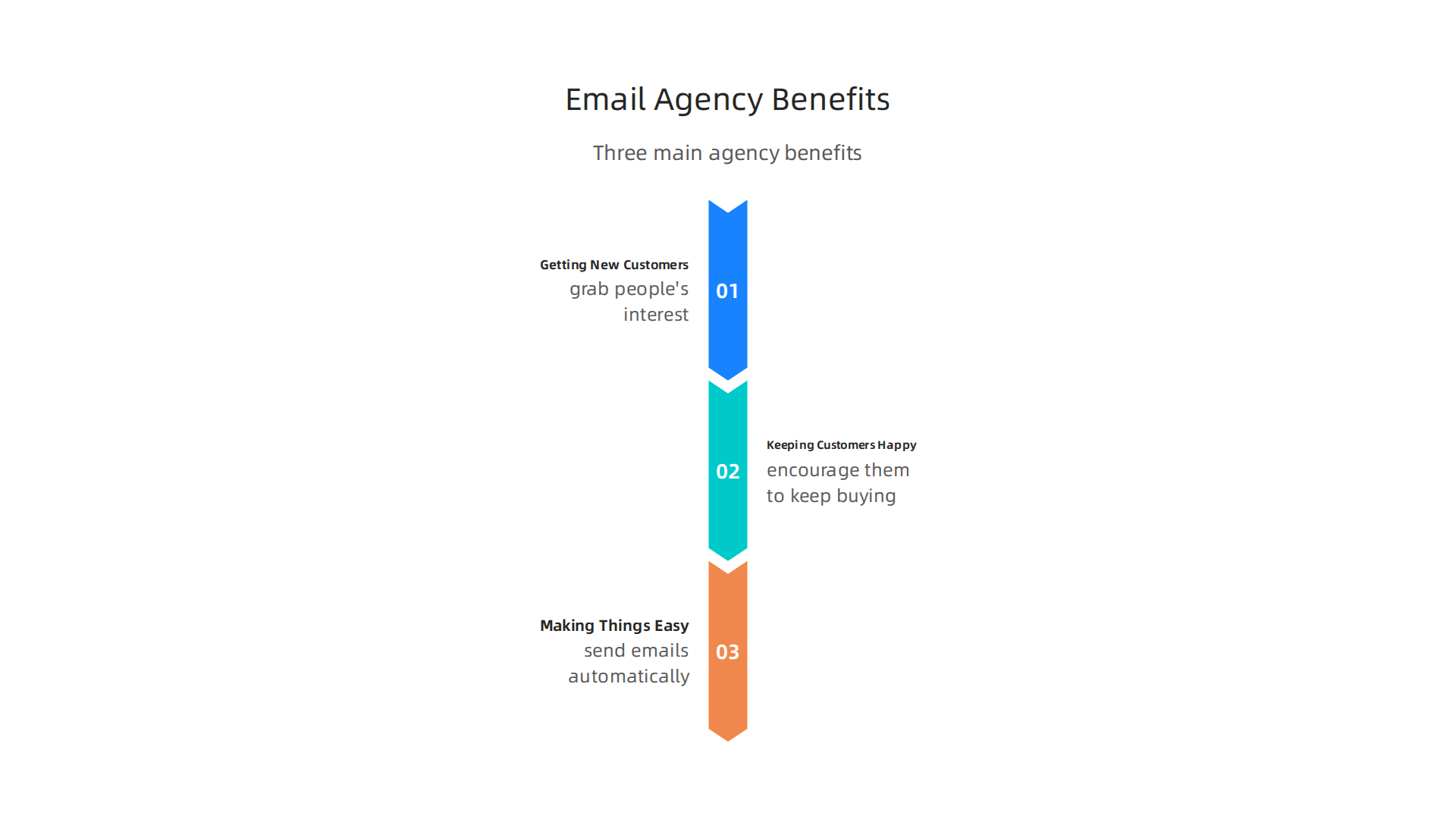
- Getting new customers: They set up smart ways to grab people’s interest and turn them into new leads.
- Keeping customers happy: They create special messages that make your customers feel valued and encourage them to keep buying from you. This builds loyalty.
- Making things easy: They use smart tools to send emails automatically at just the right time, saving you lots of effort. This automation can be a core part of getting more sales Email Marketing Statistics 2026.
While focusing on email, many agencies, whether a local digital marketing agency nyc or a global one, often offer a full range of services. This might include ppc marketing services to get instant traffic or instagram marketing services to connect with younger audiences.
If you’re looking for a reliable partner to help you fix your website and bring in consistent leads, consider a platform like Weblish — AI Website Growth Platform.
In this guide, we’ll walk you through how to properly check and choose the right email marketing agency partner. Our goal is to help you turn your website into a powerful customer-getting machine. Don’t let your website be just a brochure. Grow Your Traffic on Autopilot with smarter strategies.
What an email marketing agency actually does (services breakdown)
To truly make your website a customer-getting machine, understanding what an email marketing agency actually does is very helpful. These agencies offer a full range of services that go beyond just sending out a few emails. They are experts at turning people who visit your site into loyal customers through smart communication.
Here’s a breakdown of the main things a good email marketing agency will handle for your business:
- Strategy and Planning: Before sending any emails, the agency will work with you to figure out your goals. Do you want more sales? More people signing up for your service? They create a clear plan for what messages to send, who to send them to, and when. This big-picture thinking is key for success.
- Building Your Email List: You can’t send emails without a list of people to send them to. An email marketing agency helps you grow your list using clever ways like special offers or useful content on your website. They make sure you are reaching the right people who are actually interested in what you do.
- Segmenting Your Audience: Not everyone on your list is the same. An agency will sort your contacts into different groups, called segments. For example, new visitors, loyal customers, or people who looked at a certain product. This lets them send very specific, personal emails to each group, making the messages much more effective. Actually, 81% of small and medium-sized businesses use email marketing to reach their customers Email Marketing Statistics 2026: the latest data and trends.
- Creating Email Campaigns: This is where the actual emails come to life. The agency writes engaging messages, designs eye-catching layouts, and adds clear calls to action (like "Buy Now" or "Learn More"). They make sure your emails look good on any device, like phones or computers.
- Automation: Many emails can be sent automatically based on what a person does. For instance, a "welcome" email when someone signs up, or a "we miss you" email if they haven’t visited in a while. Agencies set up these automated flows, which can greatly boost sales without you having to lift a finger. This kind of automation is a core part of getting results Email Marketing Statistics 2026.
- Deliverability: Sending emails is one thing, but making sure they actually land in someone’s inbox (and not their spam folder) is another. Agencies use best practices to improve your email deliverability, ensuring your messages are seen by your audience.
- Analytics and Reporting: After emails are sent, the agency checks the results. They look at things like how many people opened the email, how many clicked a link, and how many made a purchase. They then use this information to make future campaigns even better.
Many email marketing agencies also offer extra services to support your main email efforts. These might include creating special web pages called landing pages that help collect email addresses or promote a specific offer. They can also help with lead magnets, which are freebies (like an ebook or a discount) you offer in exchange for an email address. They often integrate with your Customer Relationship Management (CRM) system, too, to keep all your customer information in one place. And they might do A/B testing, where they send two slightly different versions of an email to see which one works best. This is a smart way to keep improving your overall digital marketing strategies for businesses.
When you work with an email marketing agency, you’ll typically see different ways they offer their services. Some might work on a project basis, where you pay for one specific campaign. Others use a retainer model, meaning you pay a regular fee each month for ongoing work and support. Some might even offer performance-based models, where their fees are tied to the results they achieve for you. This means you can choose a service model that fits your budget and business goals.
When thinking about hiring an email marketing agency, one of the first questions you’ll have is about cost.

Agencies offer different ways to pay for their services, and understanding these can help you pick the best fit for your business goals and budget.
Here are the most common pricing models you’ll find for an email marketing agency in 2026:
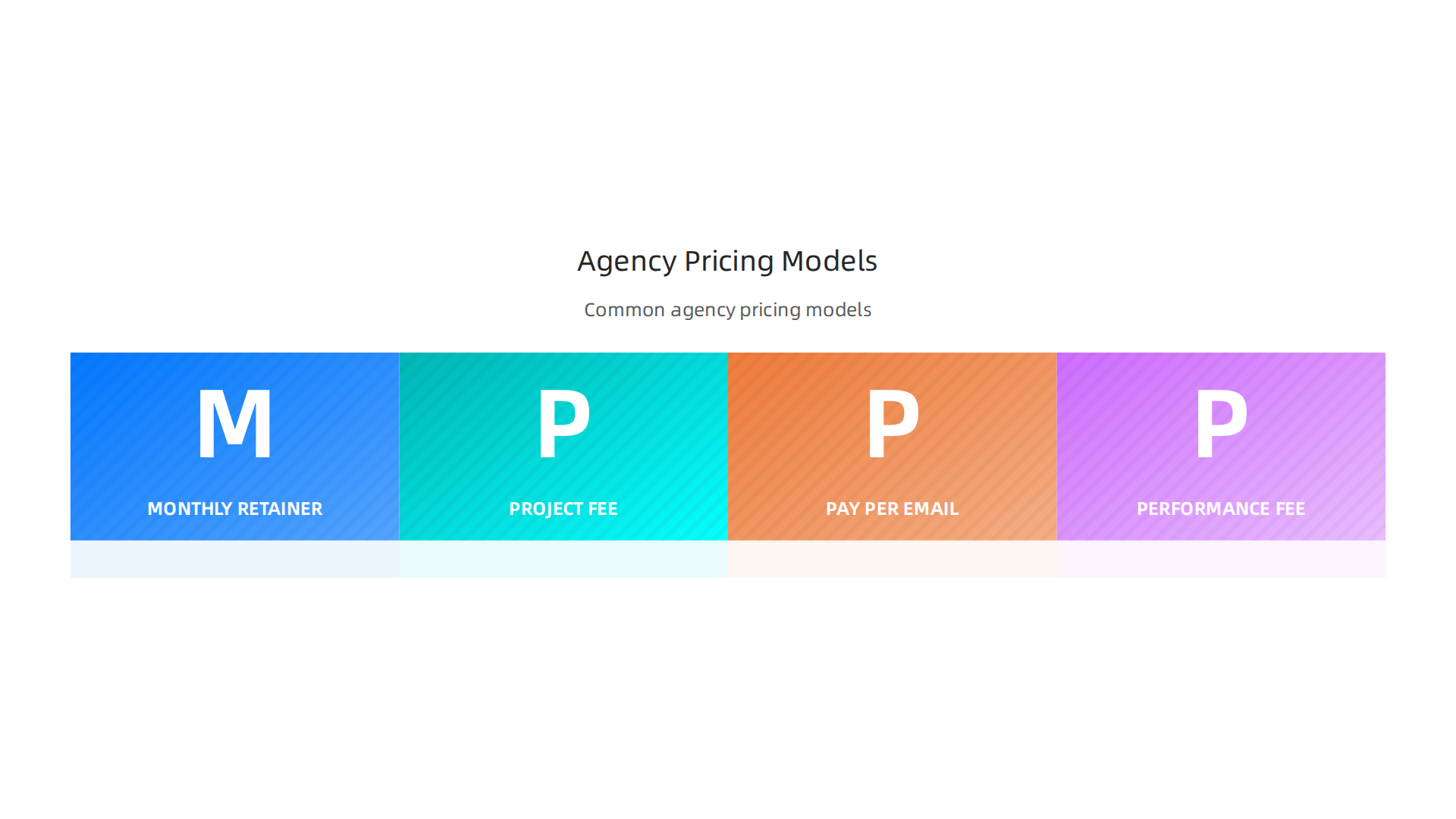
- Monthly Retainer: This is the most popular way agencies work for ongoing email help. You pay a set fee each month, and in return, the agency handles your email campaigns, strategies, writing, design, and reporting. It’s like having a dedicated team for your email marketing. Monthly retainers can range quite a bit. For example, a boutique email-only service might start around $1,000 to $3,000 per month, while more full-service or enterprise options can go much higher, even $6,000 to $15,000 or more per month, according to current market trends Email Marketing Agency Pricing: 2026 Rates | Entropy.
- Project-Based or Fixed Fee: With this model, you pay a set price for a specific task or campaign. For example, you might pay a fixed fee to set up a welcome email series, design new email templates, or run a single holiday promotion. This is good if you have a clear, one-time need rather than ongoing support. A basic project could be around $300 to $2,000, while more complex setups like automation sequences might be a separate project fee Email Marketing Agency Pricing Guide 2026.
- Pay-Per-Email Sent: Some agencies charge you for each email they send out. This model can be good for businesses that don’t send a lot of emails or have very small lists. However, if your email volume grows, this can quickly become expensive. It is less common for full-service ongoing work but sometimes offered by specific providers Email Marketing Pricing Guide August 2026 – Clutch.
- Performance-Based Pricing: This model means the agency’s fees are linked to the results they achieve for you. For example, they might get a percentage of the sales or leads that come directly from their email efforts. This can be great because it ties their success directly to yours, but it often includes a minimum base fee, perhaps around $3,000 per month, plus a share of the revenue, such as 15-25% of email-attributed sales Email Marketing Agency Pricing That Actually Converts in 2026.
What Makes the Price Change?
Several things can affect how much an email marketing agency charges:
- Your Email List Size: The more people you have on your email list, the more emails an agency might need to send, and the more work it takes to manage.
- How Often You Send Emails: Sending daily emails will cost more than sending once a month, simply because it involves more work from the agency.
- Complexity of Automations: Simple welcome emails are one thing. Setting up complex sequences based on customer behavior, like abandoned carts or product views, takes more effort and planning, which can increase the cost.
- Creative Needs: If you need a lot of custom email designs, fancy graphics, or unique content for each email, that will usually cost more than using standard templates.
- Reporting and Strategy: How detailed do you want the reports to be? How much strategy work do you need? More in-depth analysis and planning will add to the price.
Finding the right digital marketing agency, whether it’s an email marketing agency, one offering PPC marketing services, or even Instagram marketing services, requires looking at pricing models closely. It is wise to consider how a general internet marketing consulting maximize roi with smart pricing and agency selection approach can help you align costs with your business goals.
Red Flags to Watch For in Pricing
When you’re looking for an email marketing agency, be careful of these warning signs:
- Hidden or Opaque Add-ons: If the pricing seems too low at first, check if there are many extra fees for things like reporting, strategy calls, or specific email types. A good agency will be clear about all costs upfront.
- Very Long Minimum Commitments: While some commitment is normal, be wary of agencies that require you to sign up for extremely long contracts (like 12 months or more) without a clear way to see results or adjust the plan.
- Unclear Reporting: If an agency can’t clearly explain how they measure success and show you reports that make sense, it’s a red flag. You need to know if their work is actually helping your business grow.
Many small businesses find that services combining human experts with smart technology, like Weblish, offer clear, predictable pricing for comprehensive digital growth, including email marketing. They focus on turning your website into a powerful lead generator without the typical agency confusion.
Ready to see your business thrive with less effort?
Grow Your Traffic on Autopilot
Knowing how much an email marketing agency costs is just one part of the puzzle. The next big step is making sure you get good value for that money. This means clearly defining what success looks like and holding your agency accountable. You do this by agreeing on important performance measures and service rules.
Key Performance Metrics and SLAs to Require from Your Agency
When you work with an email marketing agency, you need to know exactly what results to expect. Here are the main performance numbers (Key Performance Indicators or KPIs) you should track and what Service Level Agreements (SLAs) to expect.
Essential Email Marketing KPIs to Track
These are the numbers that show if your email campaigns are actually working.
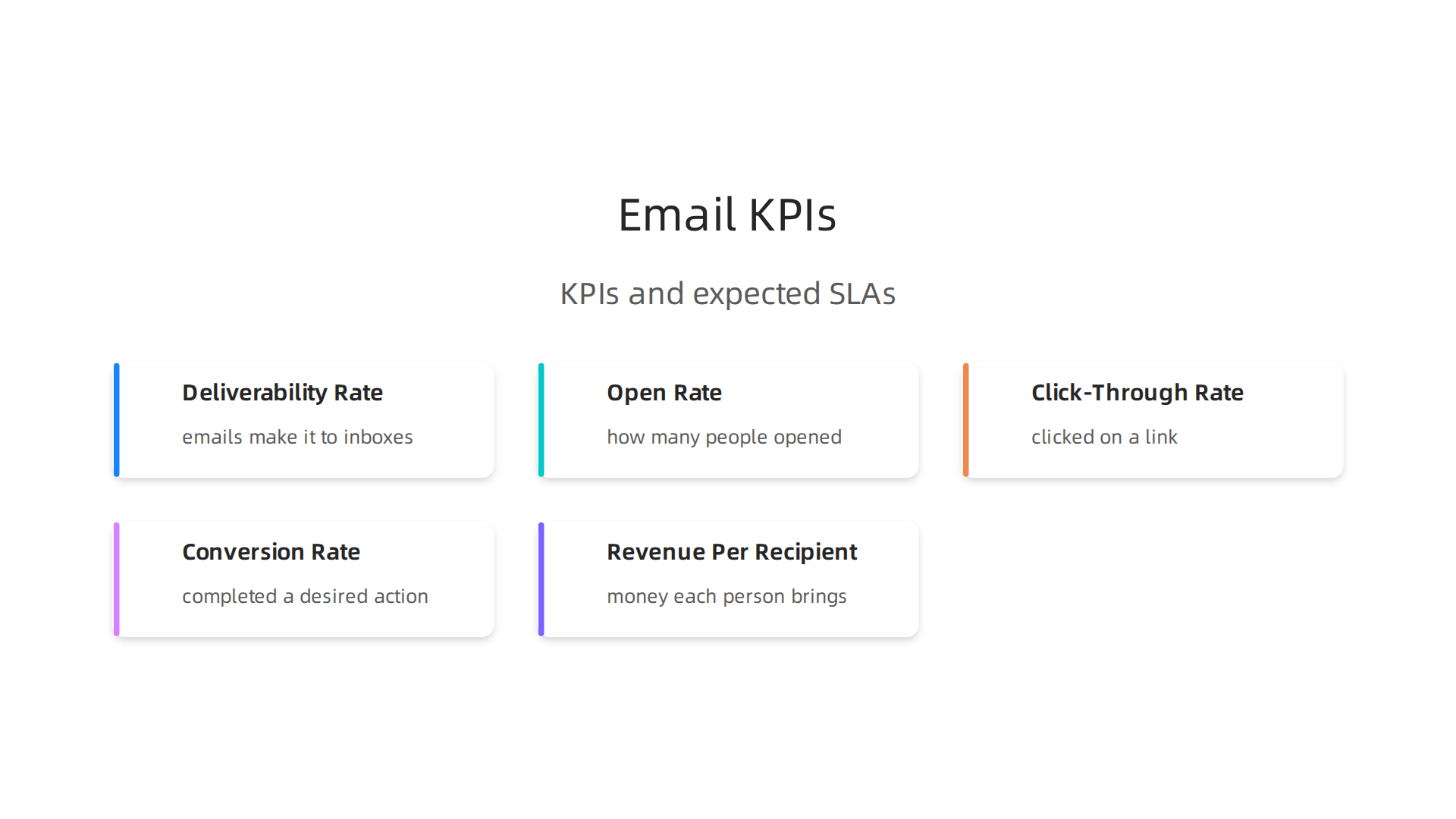
- Deliverability Rate: This is the percentage of emails that actually make it to your subscribers’ inboxes, not their spam folders. It’s super important because if emails don’t get delivered, they can’t be opened or clicked. A good deliverability rate is typically over 90%, with some agencies aiming for 94% or higher 2026 Email Benchmarks: How do your open & click rates compare? (Real data from our customers).
- Open Rate: This tells you how many people opened your emails. While important, it’s becoming less reliable as a main metric because new privacy rules, like Apple’s Mail Privacy Protection, can sometimes make these numbers look higher than they truly are. Still, for 2026, average open rates often fall between 31% and 34%, with automated emails sometimes reaching even higher numbers, around 31.4% Email Marketing Report 2026–2030: KPIs, Deliverability & ….
- Click-Through Rate (CTR): This shows the percentage of people who clicked on a link inside your email. It’s a stronger sign of engagement than just opening an email. Current trends for 2026 show average CTRs around 2.0% to 3.5%, though this can change a lot depending on your industry Email Marketing Trends 2026: Benchmarks, Deliverability, ROI, and ….
- Conversion Rate: This is the ultimate goal. It’s the percentage of people who completed a desired action after clicking an email link, like making a purchase, signing up for a service, or downloading a guide. Automated emails often have much higher conversion rates than regular campaign emails.
- Revenue Per Recipient (RPR): This metric tells you how much money, on average, each person on your email list brings in from your campaigns. It’s a powerful way to see the direct financial impact of your email marketing efforts. An email marketing agency should be able to clearly define and track this.
Realistic SLA Expectations
SLAs are like promises from your agency about the level of service and results you can expect. Good SLAs help you know what to expect and when.
- List Growth: Discuss how much your email list should grow each month or quarter. This might be a percentage increase, like 5-10%, or a specific number of new subscribers.
- Campaign Cadence: Agree on how often emails will be sent. For example, "2 newsletters per month" or "1 promotional email per week plus a monthly digest."
- Reporting Cadence: How often will you get updates on your email performance? Most agencies offer monthly reports, but for active campaigns, you might want weekly check-ins.
- Response Times: For questions or urgent changes, how quickly will the agency respond? This ensures your partnership runs smoothly.
Checklist for Evaluating Agency Reporting Quality and Transparency
When an email marketing agency gives you reports, make sure they are clear and helpful.
- Are the reports easy to understand? You shouldn’t need an expert to figure out what the numbers mean.
- Do they focus on important business goals? The reports should connect email performance to things like sales or leads, not just vanity metrics.
- Does the agency explain why certain things happened? They should tell you what they learned and what changes they plan to make.
- Are they honest about challenges? A good agency will point out problems and offer solutions, not just show the good news.
- Do they regularly schedule calls to discuss results? Regular meetings help you stay on the same page and adjust your strategy.
Making sure your email marketing agency is clear about these metrics and agreements helps build a strong partnership. It ensures they are working towards your business goals and helps you measure the return on your investment. Remember, choosing a digital marketing agency in NYC, or anywhere, for email, PPC marketing services, or even Instagram marketing services, requires this level of detail. Knowing what to expect and how to measure success is key to seeing real growth. For those looking to create an internet marketing strategy that delivers measurable results, these performance metrics are crucial.
After you know what results to look for, the next step is finding the right team to help you get them. Picking the best email marketing agency means asking the right questions and looking closely at their past work. It’s like finding a good helper for your business.
How to Evaluate Agency Fit: RFP Questions, Case Studies, and Trial Scopes
To pick an email marketing agency that fits just right, you need to be smart about how you check them out. Here are some key ways to do that.
Ask the Right Questions: Your RFP Checklist
An "RFP" is a Request for Proposal. It’s a list of questions you send to agencies to see how they would help your business. This helps you compare them easily.
- What is their experience with businesses like yours? Do they understand your industry? An agency that has worked with similar small or mid-sized businesses might know your challenges better.
- How do they plan to meet your goals? Ask them to explain their step-by-step plan for things like growing your email list or boosting sales.
- What tools do they use? Will they use your current email platform, or do they suggest a new one?
- How do they communicate? Will you have a main contact person? How often will they update you?
- What are their prices and payment plans? Make sure their costs fit your budget and that there are no hidden fees.
- How do they handle data privacy? This is very important in 2026. Make sure they know how to keep your customer information safe.
- Can they help with other marketing too? Some email marketing agencies also offer things like PPC marketing services or even Instagram marketing services, which can be handy.
Asking questions like these helps you understand if they are the right fit for your business. For more help finding a partner, learn how to choose a marketing firm.
What to Look for in Case Studies
Agencies often show "case studies" which are stories about how they helped other clients. Don’t just look at big company names. Here’s what really matters:
- Real Results, Not Just Big Names: Did they help a business grow their sales by 20%? Did they get more people to sign up for a newsletter? Look for clear numbers that show real business growth.
- Similar Situations: Does the case study client sound like your business? If they helped a tiny local shop grow, that’s more useful to you than a story about a huge global brand.
- What Challenges Did They Face? A good case study will also talk about problems and how the agency fixed them. This shows they can handle tough situations.
- Client References: The best proof is talking to a past client. Ask if you can speak with one of their happy customers to hear about their experience directly. An agency that is open to this is often more trustworthy. Some experts suggest asking about revenue per recipient or qualified leads per send, and how those numbers are calculated, rather than focusing on less reliable metrics like open rates alone Email Marketing Vendor: How to Choose One.
Trying Them Out: Trial Scopes and Pilot Projects
You don’t have to jump into a big, long contract right away. Many businesses start with a small "trial" or "pilot project." This is a smart way to test the waters.
- Start Small: Maybe you hire them for just one email campaign or a simple set of automated welcome emails. This lets you see their work quality without a huge commitment.
- Clear Goals for the Trial: Even for a small project, set clear goals. For example, "We want 100 new sign-ups from this email campaign" or "We want to see a 5% click rate."
- Check the Experience: See how easy they are to work with. Do they respond quickly? Do they listen to your ideas? A trial helps you understand if their working style matches yours.
Choosing the right email marketing agency is a big decision for your business, whether you’re looking for a digital marketing agency in NYC or anywhere else. By asking the right questions and carefully looking at their work, you can find a partner that truly helps your business grow.
Ready to see how an AI-powered platform can help your business get consistent leads and traffic?
Grow Your Traffic on Autopilot
To truly choose the right email marketing agency, you need to dig a little deeper. Beyond general questions, it’s smart to ask about their specific technical skills and how they work day-to-day. This helps make sure they can really deliver.
Technical Questions to Ask
These questions help you understand how an agency handles the tricky parts of email sending to ensure your messages actually reach people.
- How do they make sure emails get delivered? This is called "deliverability." It’s about getting your emails into inboxes, not spam folders. A good agency will talk about things like SPF, DKIM, and DMARC, which are like special badges that prove your email is real. They should also mention using a one-click unsubscribe option, which is important in 2026 Email Deliverability Best Practices for 2026 | Mailflow Authority.
- What email platforms do they use? Do they work with Mailchimp, HubSpot, or something else? Knowing their tools helps you see if they fit with what you already use or want to use.
- How do they "warm up" new email sending IPs or domains? When you send emails from a new address, it’s like a new person joining a club; they need to build trust. Agencies should have a plan to send emails slowly at first to avoid being marked as spam Email Deliverability in 2026: The Inbox-Placement Playbook.
- How do they handle your customer data? Data privacy is a big deal. Ask how they protect your customer lists and follow rules to keep information safe.
- What are their typical bounce and complaint rates? A low bounce rate (emails that don’t go through) and complaint rate (people marking your email as spam) are signs of a healthy email program. Aim for complaint rates under 0.1% for good standing Email Deliverability Checklist 2026 — 25 Steps to Inbox Placement.
Process Questions to Understand Their Workflow
These questions help you see how the agency works with you day-to-day.
- What’s their content approval process? How do you review and approve emails before they go out? Is it simple, or does it involve many steps?
- What are their typical turnaround times? How long does it usually take from when you ask for an email to be made until it’s ready to send?
- How do they handle problems or urgent changes? Who do you talk to if something goes wrong, or you need a quick adjustment? Knowing this helps you see if their workflow fits your business.
Asking these detailed questions about technical and process steps will help you pick an email marketing agency that’s not just good, but also a smooth partner for your business. For more on overall planning, check out how to build your digital marketing strategies for businesses.
After asking all those smart questions, you might still wonder if an email marketing agency can truly deliver. This is where pilot projects come in handy. A small, short-term trial lets you see them in action without a big commitment. Think of it as a test run.
Here are a few ways to try out an agency with low risk:
- Single Campaign Pilot: Ask the email marketing agency to handle just one email campaign, like a special sale announcement. You’ll get to see how they write, design, and send an email from start to finish.
- Automation Setup Pilot: Challenge them to set up a simple automated email series, such as a welcome sequence for new subscribers. This is a great way to see if they can build a drip marketing campaign that works for your business.
- Deliverability Audit: Have them check your current email setup to make sure your emails actually land in inboxes, not spam folders. This shows their technical skill and knowledge of best practices in 2026. Many good agencies will provide Proposal templates for these focused projects.
When running these pilots, know what you want to see. Look at numbers like how many people open the emails or click on links. Also, pay close attention to how well they communicate and if they meet deadlines. In 2026, good email deliverability means following rules like offering a simple one-click unsubscribe option, which is key for getting emails seen by your audience Email Deliverability 2026: Best Practices, Updates & Guide. By testing them out this way, you can pick an email marketing agency that truly fits your needs.
After picking the right email marketing agency, the next big step is getting started. This is called onboarding, and it’s like setting up a new partnership for success.

A good onboarding process makes sure everyone is on the same page from day one.
What Happens in the First 30 Days?
The first month with your new agency is all about gathering facts and getting ready. They will usually send you a welcome kit and then set up a first meeting, often called a kick-off call. In this call, they want to learn everything about your business, your customers, and what you hope to achieve. They might also ask you to fill out a detailed form about your marketing history and goals Digital Marketing Agency Onboarding Process Guide 2026. Some agencies even provide a clear checklist for this first month, outlining what they need from you and what you can expect Agency Client Onboarding Email Checklist: 30-Day Roadmap. It’s all about making sure they truly understand your unique needs.
Connecting Your Tools and Data
One very important part of onboarding is connecting your agency’s tools with your business’s systems. A top digital marketing agency NYC or one near you will need access to certain accounts. This often includes:
- CRM (Customer Relationship Management): This is where you keep all your customer information.
- CMS (Content Management System): This is the platform your website is built on, like WordPress, Shopify, or Webflow Marketing Agency Client Onboarding Checklist (Free Template).
- Analytics Tools: These help track how people use your website, like Google Analytics.
- Email Platforms: Any services you use to send emails.
- Social Media and Ad Accounts: Like Facebook, Instagram, or Google Ads.
It’s super important that you give them secure access. This means setting up specific permissions so they can only see and do what’s necessary for their work, keeping your data safe The 8-step digital marketing onboarding process (with checklist).
The First 90 Days and How to Keep Things Smooth
As you move past the initial setup, the next 60 to 90 days are when your email marketing agency starts putting plans into action. You’ll see your first campaigns launch and automated email series begin. During this time, it’s vital to have clear rules for working together. This is called "governance," and it includes:
- Access Rules: Who on the agency team can access your systems, and what permissions they have.
- Reporting: How often you’ll get updates on your marketing results. Most agencies provide monthly or quarterly reports showing key numbers like email open rates and website visits. Make sure you both agree on what success looks like from the start Digital Marketing Agency Onboarding Process Guide 2026.
- Planning for the Future: Marketing is not a one-time task. Your agency should review results regularly and suggest new ideas. This could mean trying different PPC marketing services or changing your Instagram marketing services based on what’s working best.
A good agency will make sure you feel included and informed at every step, turning your website into a powerful tool for getting new customers. If you want to boost your online presence with continuous support, it’s worth thinking about a service that combines expert strategy with smart technology.
Ready to see how your website can bring in more customers?
Grow Your Traffic on Autopilot
Even with a smooth start, it’s normal to have some worries when working with a new email marketing agency. You might think about the costs, keeping your brand special, or making sure your emails actually get to people. Let’s look at these common concerns and how you can work through them.
What if it costs too much?
One big question for many small business owners is about money. How much will an email marketing agency truly cost? Prices can change a lot based on what you need, like how many emails you send or how complex your campaigns are. Some agencies charge a set fee each month, while others might charge per project or even a share of the extra money you make. In 2026, you can expect different price ranges for email marketing services, with some agencies offering monthly plans starting around $1,000 and going up based on the services provided Email Marketing Agency Pricing Guide 2026.
How to make it work: Talk openly about your budget from the very beginning. Ask for clear price breakdowns and what’s included. You can also start with a smaller project to see how things go before committing to a long-term plan. This helps you see the value for your money.
Will they really understand my brand?
Another worry is losing control of your brand’s unique voice and look. You’ve worked hard to build your business’s identity, and you want your marketing messages to sound like you.
How to make it work: Give your email marketing agency clear brand rules. Share examples of what you like and don’t like. Make sure there’s a process for you to check and approve all emails and campaigns before they go out. This way, you stay in charge of your brand message. Finding the right partner, like a skilled digital marketing agency NYC, means they should take the time to learn all about your business.
What if my emails go to spam?
Email deliverability is super important. This means making sure your emails land in your customers’ inboxes, not their spam folders. If too many emails go to spam, it can hurt your business.
How to make it work: Ask your agency about their plans for good email deliverability. They should have ways to check email lists, use proper sending methods, and watch bounce rates. Good agencies often have clear standards for how well your emails should perform, known as Service Level Agreements, which can include details about delivery times and bounce rates Email Service Level Agreements Explained for Smart Buyers. Regular reports should show you how well your emails are doing.
Can I get stuck with an agency I don’t like?
No one wants to feel stuck with a service that isn’t working out. This is called vendor lock-in.
How to make it work: Always look for contracts with clear terms. Shorter contract periods, like three or six months, can be a good idea at first. Make sure your contract states that you own all the work created for you, like email templates and customer data. This way, if you ever decide to switch, you can take your assets with you. A good email marketing agency should make you feel confident, not trapped. You should always feel in control, and learn how to choose a marketing firm that generates leads for your small business.
Summary
This article explains why many small business websites act like brochures instead of customer-getting machines and shows how an email marketing agency can close that gap. It outlines the full range of agency services—from list building, segmentation, creative campaigns and automation to deliverability and analytics—and explains common pricing models you’ll encounter in 2026. The guide walks you through the KPIs and SLAs to insist on, red flags in pricing and contracts, the technical questions to vet deliverability, and practical ways to trial an agency with low risk. It also spells out a clear onboarding roadmap for the first 30–90 days and how to keep governance, reporting, and data access clean. After reading, you’ll know how to compare proposals, run pilot projects, and set measurable expectations so your email investment actually drives leads and revenue.