.png)
Internet Marketing Consulting Maximize ROI with Smart Pricing and Agency Selection
This article explains how to turn a pretty brochure website into a reliable lead-generating tool by using a practical website audit and smart internet marketing...

Having a website for your small or mid-sized business (SMB) is a must in 2026. But for many, their website is just like a pretty brochure. It looks nice, but it does not actually bring in new customers or help the business grow. If your website is not working hard to get you new leads every day, it is missing a big chance.
The truth is, many business websites act like digital display cases. They show what you do but do not tell people what to do next. They fail to turn visitors into actual customers. To fix this, you need a plan for how your website talks to people and guides them to choose your business. This is where good internet marketing comes in. Businesses need to focus on clear actions like improving how their site shows up in searches and making sure it’s easy for visitors to use, especially on phones, as highlighted in current best practices for small business SEO SEO Best Practices for a Small Business (2026 Guide).
This is why internet marketing consulting is so important. It helps you change your website from a simple brochure into a powerful tool that brings in real business. This guide will show you simple, honest steps to understand, choose, and work with internet marketing consultants and agencies.

We will help you learn how to get real, measured customer growth for your business.
Want to see your website truly deliver? Connect your website with Weblish and Grow Your Traffic on Autopilot.
You just learned that your website needs to be more than a pretty picture. It needs to work hard to get you new customers. But how do you find out why it is not working? You need to do a website audit. Think of it like a doctor checking your health. An audit helps you find out what is strong and what needs fixing on your website.
What a Good Website Audit Should Cover
A practical website audit looks at many important parts of your site.
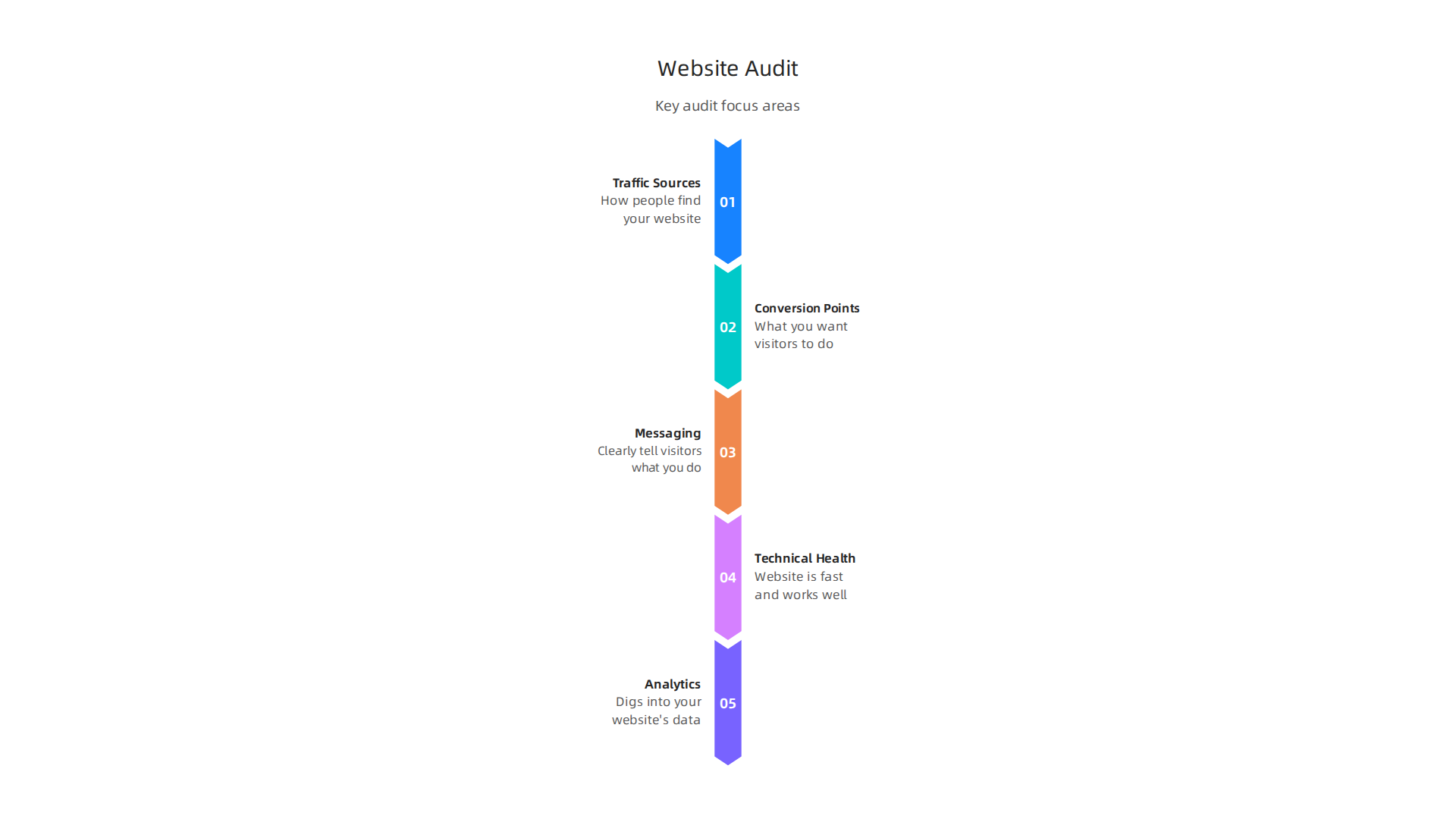
It helps you understand where things might be going wrong and why you are not getting enough leads.
- Where Your Visitors Come From (Traffic Sources): First, an audit checks how people find your website. Are they coming from Google searches, social media, or online ads? Knowing this helps you see if your efforts to bring people in are working. If not, maybe your digital marketing agency NYC is not getting the word out enough.
- What Visitors Do on Your Site (Conversion Points): Next, the audit looks at what you want visitors to do. Do you want them to fill out a form, call you, or buy something? It checks if it is easy for them to take these steps. This is about making sure your website guides people to become customers, not just look around. You can find out more about this by learning about small business website conversion.
- What Your Website Says (Messaging): Does your website clearly tell visitors what your business does and how it helps them? Is the message easy to understand? The audit makes sure your words are clear and speak directly to your ideal customer.
- How Your Website Works (Technical Health): This part checks the "bones" of your website. Is it fast to load? Does it work well on phones and tablets? Are there any broken links or other errors? These technical details are super important because search engines like Google like fast, easy-to-use websites. An audit looks at things like making sure your site uses HTTPS and checking for slow loading speeds SEO Strategy for Small Business 2026: Step-by-Step Guide to Rank #1. For instance, in 2026, slow loading times and issues on mobile phones can really hurt your chances of getting found online.
- What the Numbers Say (Analytics): Lastly, an audit digs into your website’s data. It looks at how many people visit, how long they stay, and which pages they look at most. This information helps paint a clear picture of what is happening on your site.
Turning Audit Findings into Real Improvements
After the audit, you will have a list of things to fix. The key is to turn these findings into simple steps that will get you more leads. You do not always need to spend a lot of money right away.
For example, if the audit shows that your website is slow on phones, a simple fix might be to make your pictures smaller. If people are leaving your contact page without filling out the form, maybe the form is too long, or the "send" button is hard to find. These are often quick, low-cost changes that can make a big difference.
Working with an [internet marketing consulting] firm or a [thrive internet marketing agency] can help you sort through these findings.

They can help you decide which fixes to do first to get the most leads without breaking the bank. They might even suggest an [internet marketing course] for you to learn some basics yourself. The goal is always to make small, smart changes that lead to real growth for your business.
Once you know what needs fixing, you can start making your website truly work for you. This often means improving your SEO, making your content more helpful, and ensuring your website is easy to use for everyone. This kind of ongoing improvement is what turns a simple website into a lead-generating machine.
If you are ready to see how a professional service can transform your website, you can Get started with Weblish by signing up and claiming your free trial.
Transparent pricing: comparing common pricing models for internet marketing consulting
Now that you know your website can be a powerful tool for getting new customers, you might be thinking about getting help. Many small businesses look for expert help, often called internet marketing consulting, to make their website truly work for them. But how do you pay for this kind of help? It is important to understand the different ways marketing firms charge for their services so you can pick the best fit for your budget and goals. This transparency helps you avoid surprises and ensures you get good value.
Common Pricing Models
When you work with an internet marketing consulting firm, they usually offer a few ways to pay. In 2026, most agencies use a mix of models. Project-based and retainer models are very popular, with reports showing about half of agencies use project-based pricing and 44% use retainers, while a smaller number use performance-based fees, according to a 2026 report on Retainer vs Project Pricing for Agencies. Let us look at the common choices:
-
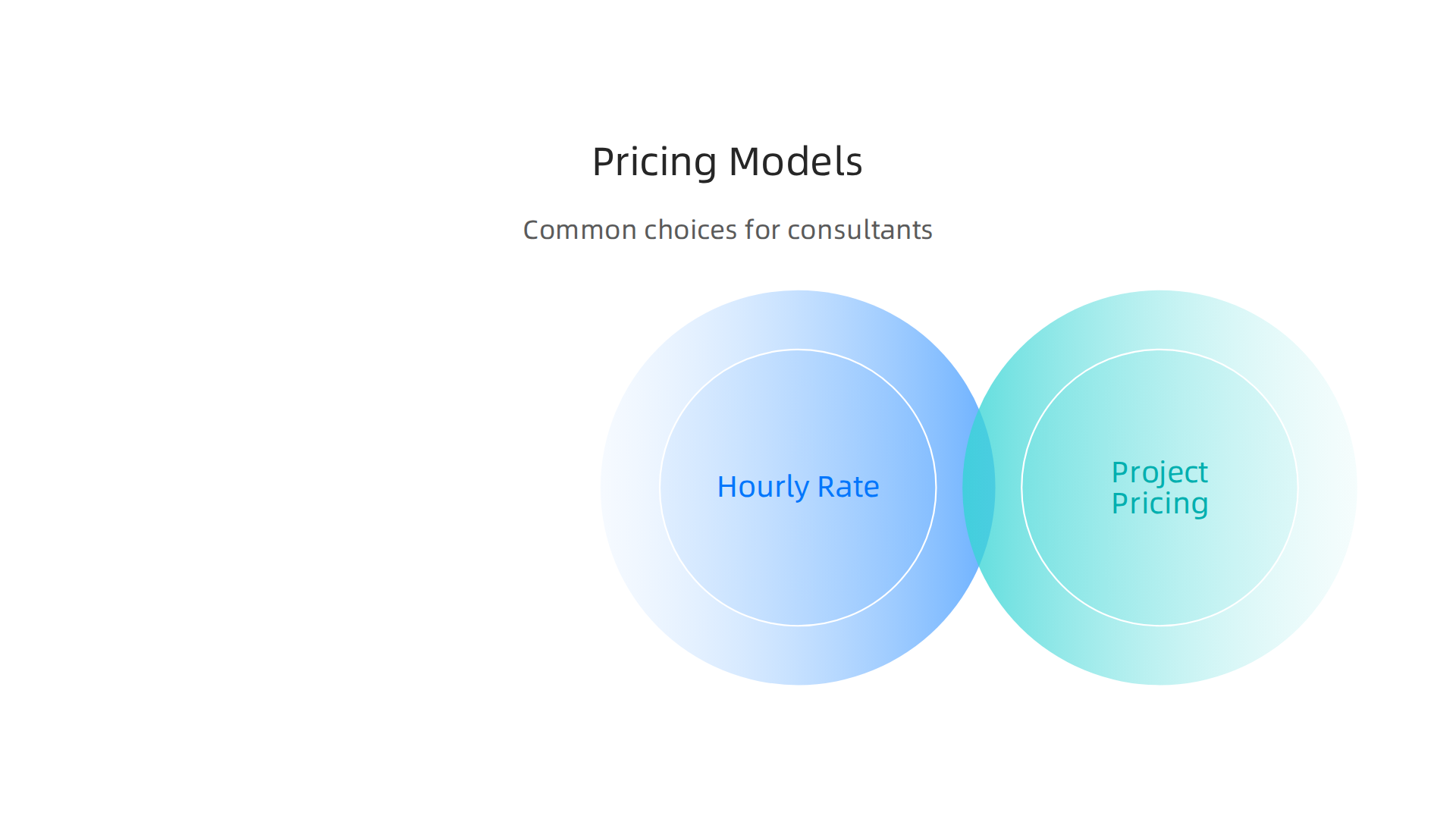
Hourly Rate: This is where you pay for each hour the consultant or agency works on your projects. It is simple and clear for short tasks or when you are not sure how much work is needed at first. You only pay for the time actually spent. However, the total cost can grow if the work takes longer than expected.
-
Project-Based Pricing: With this model, you agree on a set price for a specific job, like building a new website or setting up an email campaign. You know the full cost upfront for that particular project. This is great for one-time tasks and helps you plan your budget better. A project-based fee works best for clear tasks with a defined start and end. You can learn more about how to choose a firm that fits your needs by reading about how to choose a marketing firm that generates leads for your small business.
-
Retainer Model: This is a fixed monthly payment for ongoing services. Think of it like a subscription. Many small businesses find this helpful for steady, long-term support, such as continuous SEO work, social media management, or content creation. It gives you predictable costs each month and means the agency is always ready to help. Retainers are the most common model for ongoing needs and offer cost predictability. In fact, a 2025 survey found that over 78% of SEOs bill using monthly retainers, according to the Agency Pricing Models: The Complete Guide for 2026. This model helps agencies provide consistent service and build a stronger relationship with you.
-
Performance-Based Pricing: Here, you pay based on the results the agency delivers, like how many new leads they get you or how much your sales increase. This sounds good because you only pay if they succeed. But it can be tricky. It requires very clear ways to measure success and can sometimes be more expensive in the long run if the results are very good. This model is less common but can be very motivating for an agency to get you great results.
-
Hybrid or Subscription Models: Some agencies offer a mix of the above. For example, a monthly fee might cover a basic set of services (like a retainer), with extra charges for big new projects. Some, like a thrive internet marketing agency, might even offer productized services with a subscription for ongoing growth, combining different aspects for a clear, regular payment. These models aim to give you both predictability and flexibility.
Evaluating Predictable Pricing vs. Pay-for-Performance
Choosing between a fixed, predictable cost (like project or retainer) and paying for performance really depends on your business and how much risk you want to take.

Predictable pricing means you know what you will pay, which is good for budgeting. Performance-based pricing can be exciting if the agency is very confident, but it can also mean less control over the final cost.
To make sure you avoid hidden costs and choose wisely, always ask these questions:
- What exactly is included in the price? Make sure you know all the services you are paying for.
- Are there any extra fees? Ask about setup costs, third-party tool fees, or charges for going over a certain limit.
- How will results be measured and reported? For performance-based models, this is super important. Even for predictable models, you want to see how your money is working.
- What happens if I need more work than planned? Understand how changes or unexpected needs are handled and priced.
- What is the contract length? Know how long you are committing for.
In 2026, small businesses are investing more in digital marketing than ever, with many allocating over 65% of their marketing budgets to digital channels, as noted in the SMB Marketing Budget Statistics 2026. This is because digital marketing often brings a great return, with businesses earning an average of $5 for every $1 spent, according to 2026 Marketing statistics for small business. Knowing the pricing models for internet marketing consulting helps you make smart choices for your business growth. If you want to dive deeper into smart spending, consider exploring SEO packages for small businesses 2026 pricing transparency and red flags to watch.
After understanding how internet marketing consulting firms charge for their services, the next step is to know what these services actually involve and how they can help your small business grow. Many businesses are looking for ways to get better results from their website without spending a lot of money or time. Luckily, there are many practical SEO and content strategies that small businesses (SMBs) can put into place quickly to see real improvements.
Prioritizing Local and Intent-Driven Keywords
For small businesses, appearing high up in local search results is super important. When people search for a "pizza place near me" or a "plumber in Austin," you want your business to show up. This is where local SEO comes in.
Here are some quick steps you can take:
- Claim and Optimize Your Google Business Profile: This is like your free online storefront on Google. Make sure all your information is correct and complete, including your business name, address, phone number, hours, and photos. This is the single biggest factor for local visibility in 2026, according to SEO experts. You should also encourage customers to leave reviews, as this helps with what Google calls E-E-A-T (Experience, Expertise, Authoritativeness, and Trustworthiness) SEO for Small Businesses in 2026: What Matters Most & ….
- Target Local Keywords: Think about how your customers search. Instead of just "dentist," they might search for "best dentist in Denver" or "emergency dentist near me." Use these exact phrases on your website, especially on your service and contact pages. A 2026 SEO checklist for small businesses highlights that strengthening service and location pages is key SEO for Small Business in 2026: Best Practices That Still Win Traffic ….
- Focus on Intent-Driven Keywords: These are keywords that show what a customer wants to do. For example, "buy running shoes online" shows a different intent than "best running shoes for flat feet." Focusing on what your customers actually type will help you attract the right people to your site SEO best practices list for small businesses: 2026 guide – MB Web. Free tools like Google Search Console can show you the terms people are already using to find you.
To gain a deeper understanding of how to boost your local presence, you might want to consider why your business needs a local SEO company in 2026.
Technical SEO, Content Quality, and Measurement
While keywords are important, your website also needs to be well-built and have good information. These are low-cost tactics that can really make a difference.
-
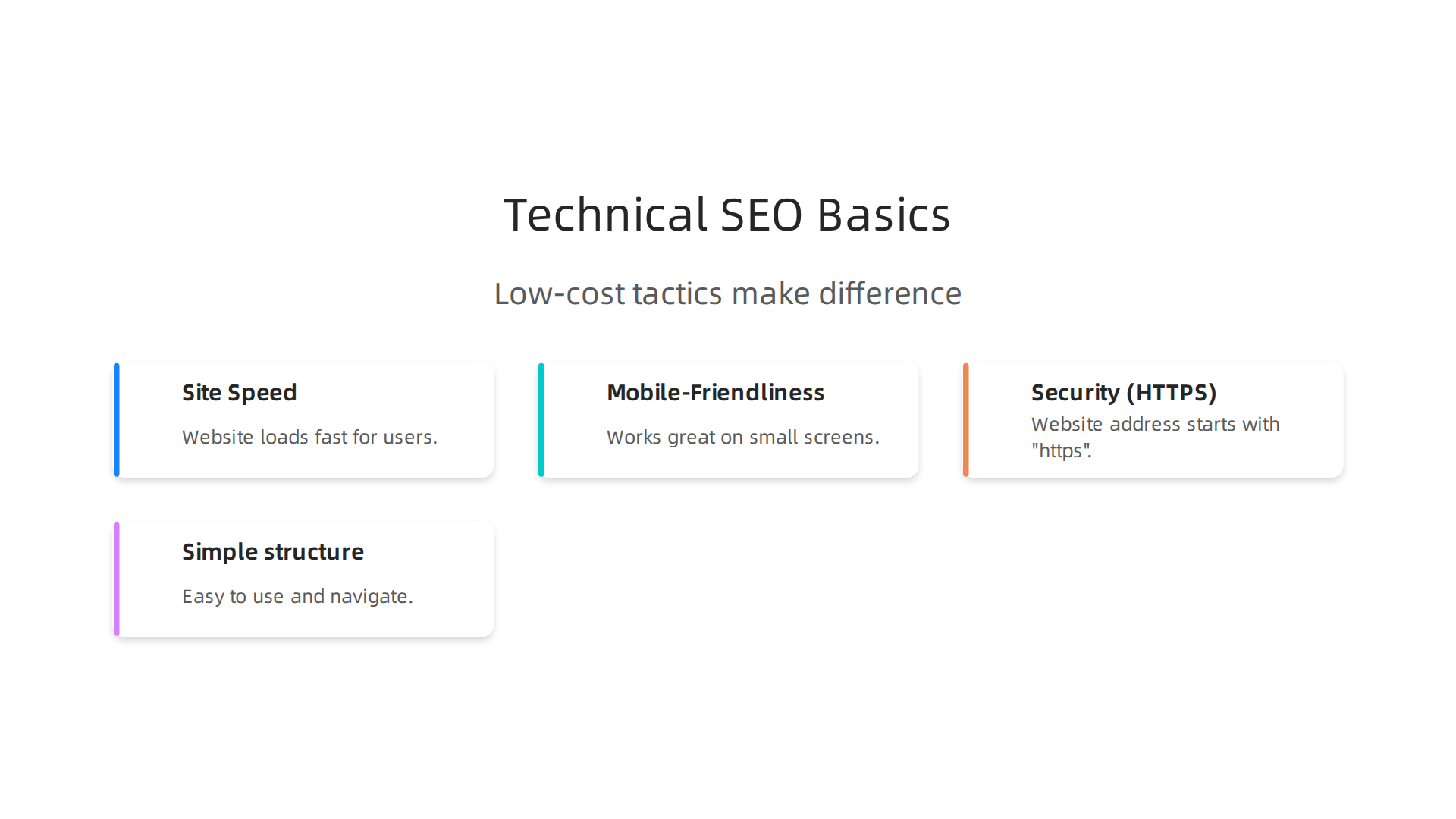
Technical SEO Basics (The Website’s Foundation):
- Site Speed: Does your website load fast? People do not like to wait. Google also prefers faster sites. Aim for load times under 2.5 seconds SEO Strategy for Small Business 2026: Step-by-Step Guide to Rank #1.
- Mobile-Friendliness: Most people browse on their phones. Your site must look and work great on small screens.
- Security (HTTPS): Make sure your website address starts with "https" not "http." This means your site is secure, which is important for trust and for Google.
- Simple structure: Your website should be easy to use and navigate for your customers. An expert internet marketing consulting service can help you ensure your site’s structure is top-notch.
-
Content Quality (What You Say):
- Helpful Information: Create content that answers your customers’ questions and solves their problems. Think of blog posts, FAQs, or detailed service pages.
- Clear Headings: Use clear titles and headings (like the ones in this article) to make your content easy to read and understand.
- Natural Keywords: Weave your keywords into your content naturally, not just stuffing them in. This includes putting your main keyword in your page title and the first paragraph Actionable SEO Tips for Small Businesses in 2026.
- Internal Links: Link to other helpful pages on your own website. This guides visitors and helps Google understand your site better. For instance, you could link to a page that helps you create an internet marketing strategy that generates leads for your small business.
-
Measurement (Tracking Your Success):
- Google Search Console: This free tool from Google shows you how your website is doing in search results. You can see what keywords people use to find you and if there are any problems with your site.
- Track Your Progress: Regularly check how your website traffic is growing, where visitors are coming from, and how your keyword rankings are doing. This helps you see what is working and what needs more attention 10 Best SEO Strategies and Tools for Small Businesses in 2026.
Implementing these steps for SEO and content strategy can quickly improve your online presence. Many small businesses find that even a few simple changes can lead to more visitors and new customers. It is all about making your website easy to find and useful for the people you want to reach. If you are interested in comprehensive guidance, an internet marketing course can provide you with the skills to tackle these strategies yourself.
While free SEO efforts build a strong base over time, sometimes you need faster results. That’s where paid channels and performance marketing come in. These strategies let you pay to show your ads to specific people, helping your small business get noticed quickly. It’s like putting up a billboard, but a super smart one that only shows up to people who are already looking for what you offer.
Paid Channels: Where to Spend Your Money
There are a few main places where small businesses can use paid ads to find new customers.
1. Paid Search Ads (Like Google Ads)
These are the ads you see at the very top of Google search results. When someone types in "best coffee shop near me," your ad can appear right away.
- How it works: You bid on keywords. If your bid is high enough and your ad is good, Google shows it. You pay when someone clicks on your ad, which is called Cost Per Click (CPC).
- Good for: Reaching people who are actively searching for your products or services.
- What to know: In 2026, the average cost per click for Google Search ads across all industries is about $2.96, but this can go up to $6.75 for competitive fields like legal services, or as low as $1.16 for e-commerce, according to recent benchmarks Google Ads Benchmarks 2026 — Avg CPC, CTR, CPA by …. Bing Ads often have lower CPCs while still giving good results PPC Statistics 2026: 150+ Paid Search Data Points Guide.
- Tip: Focus on clear, direct messages that match what people are searching for. An internet marketing consulting firm can help you pick the best keywords.
2. Social Media Ads (Facebook, Instagram, etc.)
These ads show up as people scroll through their social media feeds.
- How it works: You can target people based on their age, location, interests, and even past actions. You pay based on how many people see your ad (CPM, or Cost Per Mille/thousand views) or how many click it (CPC).
- Good for: Building brand awareness, showing off products with pictures and videos, and reaching people who might not know they need your service yet.
- What to know: For Meta platforms (Facebook/Instagram), the median cost per thousand views (CPM) was about $14.19 in 2025, with a Cost Per Acquisition (CPA) around $38.19 Paid Ads Benchmarks 2026: CPM, CTR, CPA by Platform | Adside.
- Tip: Use eye-catching visuals and short, engaging messages. Thinking about an integrated approach to all your online efforts? Consider a digital marketing strategies for businesses proven tactics for smb growth.
3. Local Ad Formats
These ads are designed specifically to bring local customers to your door. Think about ads that show up on local business listings or mapping apps.
- How it works: Often tied to your Google Business Profile, these ads highlight your location, hours, and phone number, making it easy for nearby customers to find you.
- Good for: Businesses that rely on local foot traffic or serve a specific geographic area, like a bakery or a plumber.
- Tip: Make sure your business info is always up to date across all platforms.
How to Budget and Measure Your Ads
Spending money on ads needs a smart plan. You want to make sure your money is bringing in good results.
Setting Your Budget
Start small. You do not need to spend a lot to learn what works. An internet marketing consulting professional might suggest you try different ad types with a small budget first. Then, you can increase your spending on the ads that bring in the most customers.
Measurable KPIs (Key Performance Indicators)
These are the numbers that tell you if your ads are working.
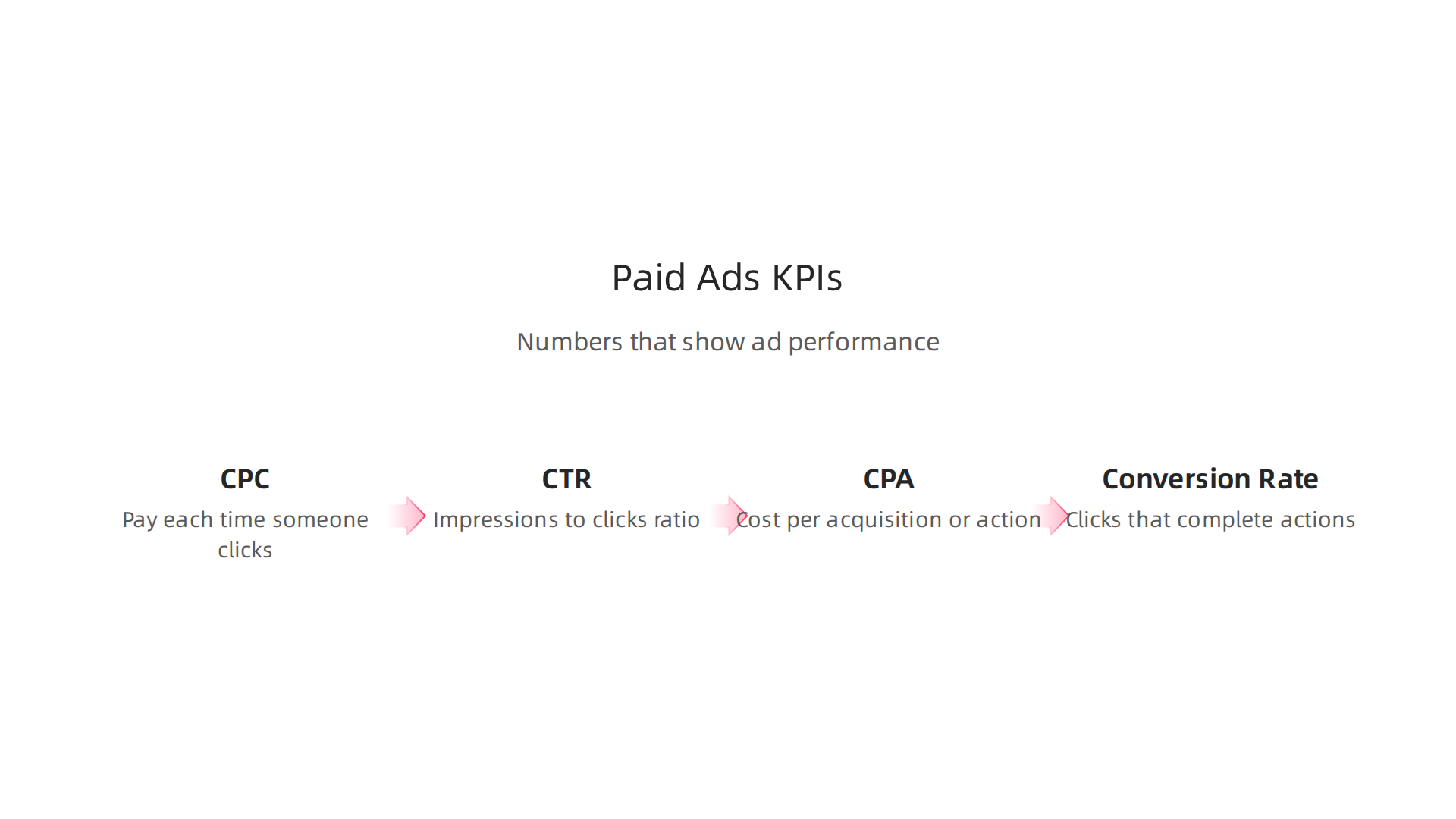
- CPC (Cost Per Click): How much you pay each time someone clicks your ad. Lower is usually better.
- CTR (Click-Through Rate): How many people see your ad versus how many click it. A higher percentage means your ad is more interesting.
- CPA (Cost Per Acquisition/Action): How much it costs to get one new customer or a desired action, like a form submission. The average CPA for Google Search ads across all industries is around $48.96, but it can vary a lot, from $30.83 for automotive to $127.08 for legal services Google Ads CPA Benchmarks by Industry 2026 | Cost Data.
- Conversion Rate: How many people who click your ad actually do what you want them to do (buy something, fill out a form).
Tracking these numbers helps you understand your Return on Investment (ROI). This means seeing how much money you get back for every dollar you spend on ads. If a digital marketing agency NYC is managing your campaigns, they will provide regular reports on these metrics.
Simple A/B Testing
This is a clever way to figure out which ads work best.
- How it works: You run two slightly different versions of an ad at the same time. Maybe one ad has a different headline, or another has a different picture.
- What to look for: After a while, you check which ad performed better (had a higher CTR or lower CPA). Then, you use the winning ad and stop the less effective one. This helps you reduce wasted spending and improve your ads over time.
By carefully choosing your ad platforms, setting a smart budget, and watching your key numbers, you can make sure your paid marketing efforts bring real growth to your small business.
Using paid ads can give you a quick boost, but to really make your marketing budget last and work smarter, automation is key. This means using special tools that handle repetitive tasks so you can focus on bigger picture goals. An internet marketing consulting professional can often show you how to set these up.
Automation & optimization tools: lower costs with smarter workflows
Small businesses can use clever tools to automate tasks and make their marketing much more effective. These tools help reduce how much you spend on agency fees by doing some of the work automatically. Think of it as having a helpful robot assistant for your business that helps you save time and money.
How Automation Reduces Costs
Automation means setting up tasks to happen on their own. This can save many hours each week. For example, in 2026, some small businesses save 10 to 20 hours weekly on routine tasks like scheduling or handling lead data by using AI automation tools, which can also reduce admin costs by 30-50% Best AI Automation Tools for Small Businesses in 2026 | TKC Group. This directly lowers the need for a large team or constant agency help, keeping your costs down.
- AI-driven content: Tools powered by Artificial Intelligence (AI) can help write emails, social media posts, or even parts of blog articles. This speeds up content creation, so you do not need to pay a writer or a digital marketing agency NYC as much for simple tasks.
- Conversion Rate Optimization (CRO) tools: These tools help your website turn more visitors into customers. They can test different headlines or buttons to see what works best. By improving how many people take action on your site, you get more value from the same number of visitors, making your advertising money go further. To learn more about turning visitors into leads, explore strategies for small business website conversion.
- Simple marketing automations: This includes things like sending welcome emails automatically when someone signs up for your newsletter, or posting on social media at the best times. Tools like Zapier, Make, and HubSpot AI are popular choices for small businesses in 2026 because they connect different apps and automate workflows efficiently Top 11 AI Automation Tools for Small Businesses: Costs, ROI. These automations keep your marketing running smoothly without you having to do everything by hand.
Selecting the Right Tools
Choosing automation tools is key. You do not need a lot of complex tools. Most small businesses only need a few core tools: one for incoming leads, one for content drafts, one to manage money, and a workflow tool to connect them all 11 AI Automation Tools for Small Business (2026, Tested).
Here is a simple checklist to help you choose:
- Does it integrate? The tool should work well with your existing website, customer relationship management (CRM) system, and other apps you use. This makes sure all your customer information stays in one place and workflows are smooth.
- Does it preserve lead quality? Automation should not make your leads worse. The tools should help you get good, engaged customers, not just more contacts.
- Is it easy to use? Small business owners are busy. Pick tools that are simple to set up and manage, so you spend less time learning and more time growing.
- What is the cost? Look for tools that offer good value. Some even have free tiers, like HubSpot AI Best AI Tools for Small Business in 2026: A Complete Guide. The right entry-level tools for a 10-person firm might cost around $180-$340 per month and pay for themselves quickly Streamline Small Business Workflow Automation 2026.
By using smart automation, you can make your internet marketing efforts more effective and affordable. This means your business can grow faster with less effort, allowing you to thrive. For a complete solution that handles web design, SEO, social media, and more, you might consider Weblish to manage your entire online presence with integrated automation.
Ready to make your website a lead-generating machine? Grow Your Traffic on Autopilot
Using smart automation can make your internet marketing efforts more effective and affordable. But even with the best tools, you might still need expert help to guide your strategy and make sure everything works together. This is where an internet marketing consultant or agency comes in handy.
Choosing the right internet marketing consultant or agency for your business
Finding the right expert to help with your online marketing can feel like a big job.

You want someone who understands your business goals and can help you get more customers. In 2026, many small businesses use digital marketing to connect with customers, with some getting back $5 for every $1 spent Marketing statistics for small business in 2026. This shows how important it is to pick wisely.
Here are some simple things to look for:
1. Transparency
A good internet marketing consulting expert or agency should be open about what they do and how they do it. They should clearly explain their strategies and how they will reach your goals. Watch out for those who use confusing jargon or are not clear about their methods. You want to know exactly where your money is going and what results to expect.
2. Measurable Processes
How will they show you that their work is actually helping your business? They should have clear ways to measure success, like tracking website visits, leads, or sales. Small businesses often prioritize sales and revenue when looking at marketing results The Big Small Business Marketing Trends Report for 2026. Ask about their reporting style and how often you will get updates. A good agency will show you solid numbers, not just vague promises.
3. Strong References and Track Record
Do they have other clients like you who are happy with their work? Ask for examples of their past successes or talk to some of their current clients. A reputable agency will be proud to share their wins and connect you with people who can vouch for them. This helps you trust that they can deliver on their promises.
4. Pricing That Fits Your Budget
Marketing agencies use different ways to charge. Two common ways are:
- Monthly Retainer: You pay a set fee each month for ongoing work. This is good for long-term marketing plans, like always-on SEO or social media management, and helps you budget consistently Marketing Agency Pricing Models Explained: Retainers ….
- Project-Based: You pay a fixed price for a specific task, like building a new website or setting up a special ad campaign. This works well for one-time projects with clear start and end points Retainer vs Project-Based Pricing: What’s Best for Your ….
In 2026, many agencies use a mix of these pricing models. About half use project-based pricing, and 44% use monthly retainers Retainer vs Project Pricing for Agencies: The Complete 2026 …. Understand which model works best for your needs and budget.
5. Cultural Fit
This is about whether you and the agency get along well. Do they understand your business values and how you like to work? A good fit means better communication and a smoother working relationship. You want a partner who feels like an extension of your team, not just a hired hand.
How to Run a Discovery Call
When you talk to potential partners, be ready to ask important questions:
- What are your goals for our business?
- How will you measure success, and how often will you report to us?
- Can you share examples of similar work you’ve done?
- What is your typical process for managing projects and communicating?
- How does your pricing work for the services we need?
By having clear expectations and asking these kinds of questions, you can compare proposals fairly and pick the best partner for your integrated search engine marketing blueprint. Choosing a firm that aligns with your vision and budget is a huge step toward helping your business thrive.
Summary
This article explains how to turn a pretty brochure website into a reliable lead-generating tool by using a practical website audit and smart internet marketing. It details what a good audit should cover—traffic sources, conversion points, messaging, technical health, and analytics—and shows how to turn those findings into low-cost, high-impact fixes. The guide also breaks down common pricing models for consultants (hourly, project, retainer, performance, and hybrids) and gives questions to ask so you avoid hidden fees. You’ll learn tactical SEO and content steps—especially local and intent-driven keyword work—plus when to use paid search, social ads, and A/B testing for faster results. The article highlights automation and AI tools that save time and reduce agency costs, and finishes with practical advice on choosing a transparent, measurable agency that fits your budget and culture. After reading, you’ll be able to audit your site, prioritize fixes, plan a budget for paid or retained help, and pick tools or partners that drive measurable leads.