
How to Build a Lead Generating Website for Small Business Growth
This guide explains how to turn a small business website from a static brochure into a consistent lead-generation engine. It walks you through clarifying your b…


Your small business needs a website. That much is clear. In fact, about 83% of small businesses in the U.S. have one as of 2026, which is great news 50+ small business website statistics for 2026. But here’s the thing: just having a website isn’t enough. Many business owners think a brand website is just an online brochure, a place to list services or show off products.

While that’s part of it, a truly effective brand website should be much more. It needs to be a hard-working engine that consistently brings in new leads and helps your business grow.
Actually, many small and mid-sized businesses (SMBs) find that getting website visitors and turning them into customers is their biggest challenge in 2026 The Big SMB Website Trends Report: SEO, GEO, & the Future of ….
They often get stuck because of a few common problems. Sometimes, there’s no clear plan for what the website should do. Other times, they face unexpected costs that make building or updating their website a headache The Biggest Website Challenges for SMBs – And How to Overcome …. Plus, many websites are not kept up to date, leading to things like unclear calls to action or slow loading times that drive potential customers away We Audited 20 SMB Sites—Here’s What They’re All Doing Wrong (And How to Fix It). These issues can stop your personal branding website from helping you build your brand and keep customers coming back.
This guide is here to help you understand what most SMBs get wrong and how to fix it. We will explain a simple, practical way to create and keep a high-performing brand website without breaking the bank. Our goal is to show you how to design a website that not only looks good but also works hard to bring you leads and grow your business. If you’re looking for professional help to transform your website into a lead generation machine, consider how a service like Weblish can offer affordable web design and ongoing support.
You can also Get started with Weblish to see what they offer.
Ready to make your website work harder for you?
Grow Your Traffic on Autopilot
Okay, so you understand your website needs to do more than just look pretty. It needs to bring in new customers. But how do you make that happen? The first and most important step is to really know what your business stands for and who you want to reach. Many small business websites fail because they don’t have a clear message or target customer Why Most SMB Websites Fail (And What Actually Works in 2026).
Define Your Brand: What Makes You Special?
Think about your "brand." This is more than just your logo or colors. It’s about what makes your business unique.
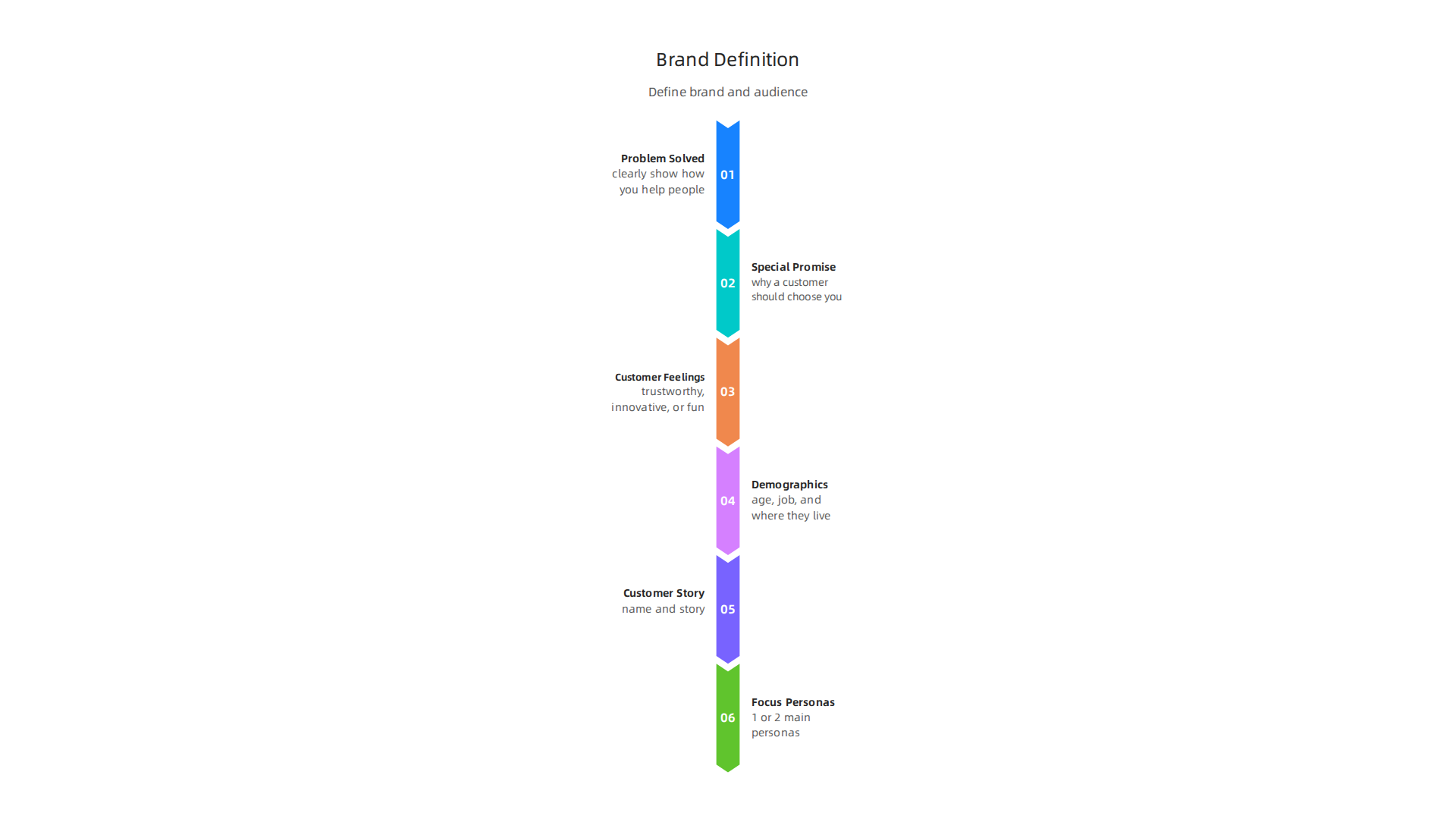
- What problem do you solve for customers? Your brand website should clearly show how you help people. For example, if you’re a plumber, you don’t just fix pipes; you bring peace of mind to homeowners with leaky faucets.
- What is your special promise? This is often called your "value proposition." It’s the one big reason why a customer should choose you instead of someone else. Is it faster service, better quality, or a friendlier approach?
- How do you want people to feel about your business? Do you want them to think you are trustworthy, innovative, or fun? All your brand design choices, from words to pictures, should point to this feeling.
Getting clear on these points helps you build your brand from the ground up, making sure your personal branding website tells the right story.
Know Your Audience: Who Are You Talking To?
Once you know what your brand stands for, you need to know who you are trying to help.
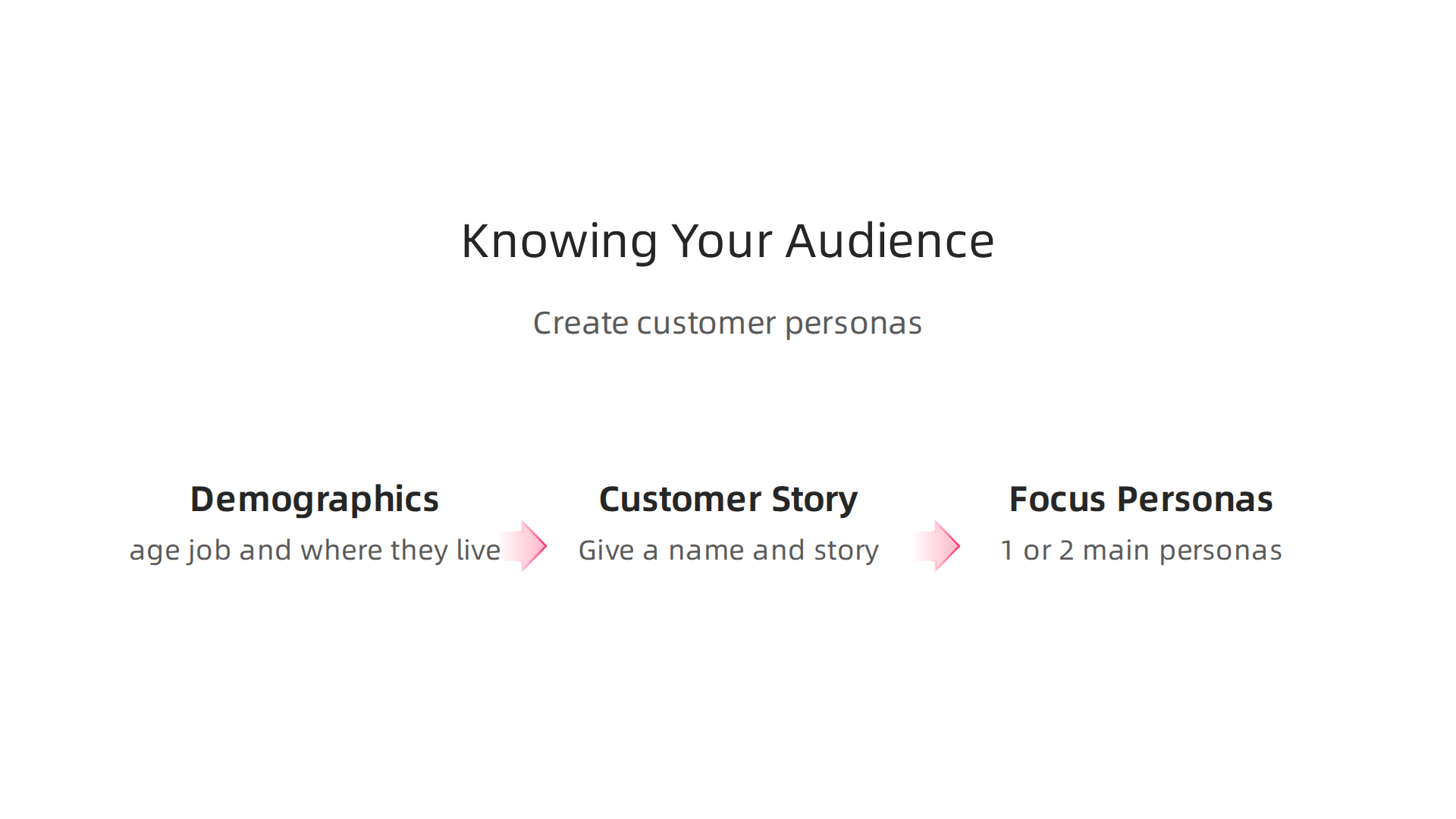
We call these your "target audience" or "customer personas." These are like imaginary perfect customers.
- Think about their age, job, and where they live. What do they like? What are their biggest worries or problems that your business can solve?
- Give them a name and a story. For example, "Sarah the Busy Mom" might be looking for quick, easy solutions, while "David the Small Business Owner" might need reliable, long-term support.
- Focus on 1 or 2 main personas. Trying to please everyone means you end up pleasing no one. Knowing your main customers helps you choose the right words, images, and offers for your website.
When you know your audience well, you can make sure your website talks directly to them.

This makes them feel understood and much more likely to become a customer.
Guide Their Journey: From Visitor to Customer
With your brand clear and your audience defined, the next step is to make sure your brand website guides visitors smoothly. Think about the path a person takes from first hearing about you to becoming a paying customer. This is called the "buyer’s journey."
- Match your website’s look and feel to what your audience expects and finds trustworthy. Your brand visual elements should feel professional and inviting.
- Use clear messages that speak to their needs at each step. Are they just learning about their problem, or are they ready to buy?
- Have clear next steps. This means using "calls to action" like "Learn More," "Get a Free Quote," or "Buy Now." These should be easy to find and understand. A website without clear steps often confuses visitors, which can make your business website useless. To learn more about common website problems, read about Why your business website is useless and how to fix it.
By planning your brand website with your audience and their journey in mind, you create a powerful tool. It’s not just a brochure; it’s a helpful guide that moves people from being curious visitors to happy customers.
Now that you know your brand and who you want to help, it’s time to make your website work harder for you. This means designing it so visitors can easily find what they need and feel good about taking the next step. Your brand website isn’t just a place to put information; it’s a tool to turn visitors into customers.
Make Things Easy to Find and Understand
Imagine your website as a helpful store. You wouldn’t want customers to get lost, right? This is where "information hierarchy" comes in.
It means arranging your content so the most important things stand out first.
- Clear Paths: Every page on your brand website should have one main goal or "primary conversion." For example, if it’s a service page, the main goal might be for someone to ask for a free quote. If it’s a product page, the goal is to buy it. Make that one main action very clear and easy to see. Experts suggest having just one main conversion per page for better results 12 Website Conversion Tips for 2026 (CRO Guide).
- Simple Layouts: Use clear headings, shorter sentences, and plenty of empty space around your text and pictures. This helps people quickly scan the page and understand the main points without feeling overwhelmed. In fact, using short sentences, around 15 to 20 words maximum, can greatly improve how well a page works Landing Page Best Practices That Convert in 2026.
- Mobile Friendly: Most people use their phones to look at websites in 2026. Your website must look good and be easy to use on small screens. Fast loading times are also super important, especially for mobile users.
When you thoughtfully build your brand with these design elements, your website becomes a more effective lead generator. To learn more about how design helps, check out these graphic design principles that turn your website into a lead generator.
Build Trust with Visitors
People buy from businesses they trust. Your personal branding website needs to show visitors that you are reliable and good at what you do.
These are called "trust signals."
- Customer Stories (Testimonials & Case Studies): Show off happy customers. A short quote about how you helped them, or a story about a project you completed, can make a big difference. These help new visitors see that you deliver on your promises.
- Awards and Certifications: If you have special training, awards, or certifications, display them. These show that experts in your field recognize your quality.
- Clear Information: Be open and honest about your pricing, policies, and how to contact you. Hiding information can make people doubt your business. Trust signals should be easy to find before someone has a chance to wonder if they can trust you.
By adding these trust signals throughout your brand website, you make visitors feel more comfortable and ready to become customers. If you’re looking for more ways to turn your website visitors into leads, explore these small business website conversion tips.
Making your website design clear, easy to use, and trustworthy is key to getting more customers.
Do you want a brand website that grows your business on its own? Grow Your Traffic on Autopilot with Weblish.
The last section talked about making your brand website clear, easy to use, and trustworthy. Now, let’s talk about the specific parts of your website that really help you get new customers. It’s like having different rooms in your helpful store, each with a special job to do.
3) Essential pages and content that actually generate leads
To truly build your brand and bring in new business, your website needs to have certain pages that work hard for you. These pages guide visitors and turn them into leads.
- Home Page: This is like the front door of your brand website. It needs to quickly tell people what you do, who you help, and what they should do next. A clear "call to action" (CTA) like "Get a Free Quote" or "Shop Now" should be easy to spot. The home page helps visitors understand your brand and guides them to the next step.
- Services/Product Pages: These are the pages where you show off what you sell. Instead of just listing what something does, talk about how your service or product helps the customer. What problems does it solve for them? What good things will happen if they buy it? Make sure each page has one main goal for the visitor.
- Case Studies/Portfolio Pages: These are like showing off pictures of your best work. They let people see real examples of how you’ve helped others. This builds trust and shows you can deliver on your promises. A strong portfolio website design that generates leads for small businesses can be very powerful.
- About Page: This page tells your story. It helps people connect with you and your business. Share why you do what you do and what makes your personal branding website special.
- Contact/Request Demo Pages: These pages make it simple for people to reach out to you. They should have clear forms, phone numbers, and email addresses. If you offer a demo, make it easy to sign up.
Your Content Strategy
It’s not just about having these pages; it’s about what you put on them. Your content needs to answer the questions your potential customers have. Think about what they might search for online. Good content also helps your brand website show up higher in search results, which means more people find you. In 2026, a smart website strategy means creating content that clearly answers buyer questions and guides them to take action Website Strategy in 2026: How to Build a Site That Drive Sales.
Page-Level CTAs and Micro-Conversions
Even if someone isn’t ready to buy right away, you can still get their interest. These are called "micro-conversions."
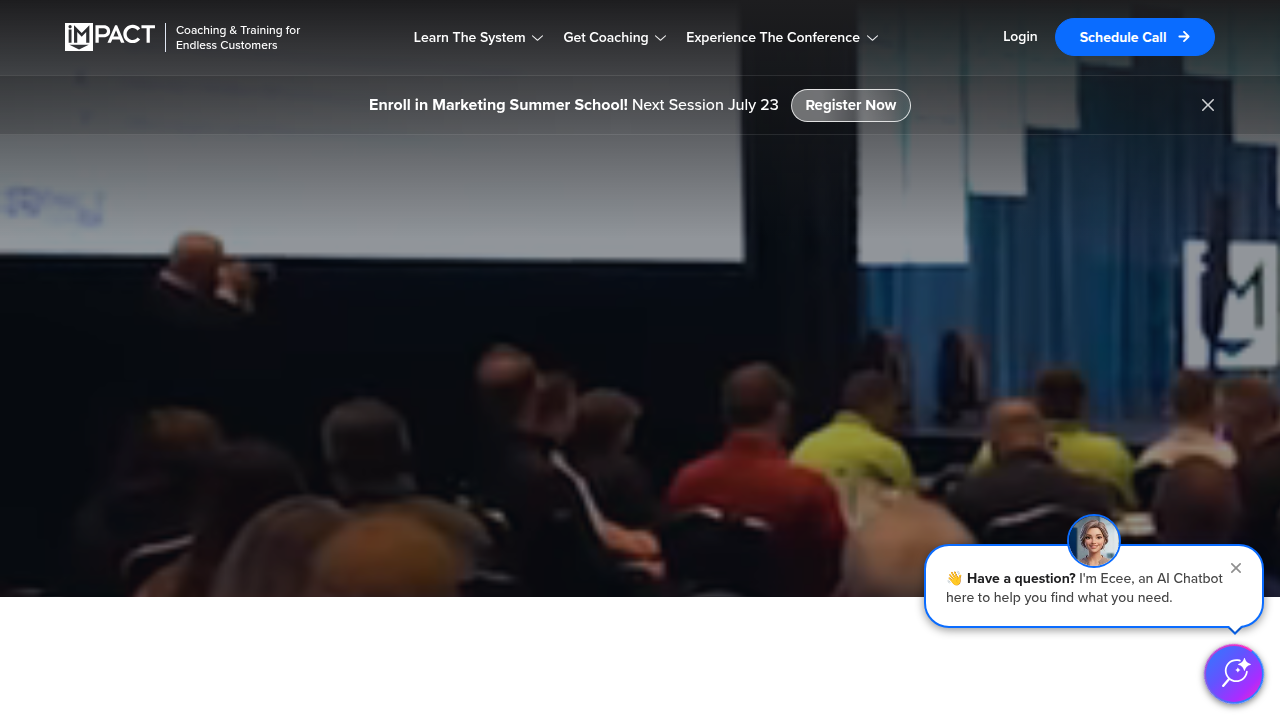
- Chat Widgets: A small chat box on your site lets visitors ask quick questions. This can keep them on your site longer and get them the answers they need.
- Downloadable Guides: Offer a free guide or checklist in exchange for an email address. This is a great way to collect leads and show your expertise.
- Contact Forms: Keep them short and simple. Don’t ask for too much information at first. Using smart forms with fewer fields is a key web design standard for increasing conversions in 2026 2026 Web Design Standards That Increase Conversions.
Having these clear pages and smart content helps your brand website become a true lead-generating machine. You can learn more about how to build a lead generating website with this web development tutorial. Knowing the difference between a homepage and a landing page can also make a big impact on your strategy; check out landing page vs homepage understand their roles to convert more customers.
After making sure your brand website has all the right pages and helpful content, we need to talk about what’s happening behind the scenes. Think of it like the strong foundation of a house. Even the prettiest house won’t stand if its foundation is weak. The technical parts of your website make sure it works well, loads fast, and can be found by people looking for you.
4) Technical foundation: hosting, performance, and SEO basics
To truly build your brand online, your website needs to be built on a strong technical base. This means choosing good hosting, making sure your site runs fast, and setting things up so search engines like Google can easily find and understand it.
Choose Smart Hosting
Your website’s home, or "hosting," is super important. Good hosting means your website is almost always online (high uptime) and loads quickly for visitors. It also keeps your site safe from bad guys on the internet. When you pick a hosting provider, look for one that promises:
- Reliability: Your site should be up and running all the time so potential customers can always reach you.
- Speed: A fast website keeps people from leaving. If a page takes too long to load, they might just go somewhere else. Speed also helps your rank higher in search results.
- Security: Protecting your website means protecting your customers’ information and your brand’s good name.
A solid "stack" (the tools and programs your website uses) should put these things first. This helps protect all the hard work you put into getting people to visit your site, making sure those visits turn into customers.
Make Your Site Fast and Easy to Find
Even if you have the best content, it won’t help if people can’t see it or find it. This is where web performance and SEO (Search Engine Optimization) come in.

- Fast Delivery: Websites need to load quickly on any device. Google uses something called Core Web Vitals to measure how fast and smooth a website experience is. In 2026, these are still important.
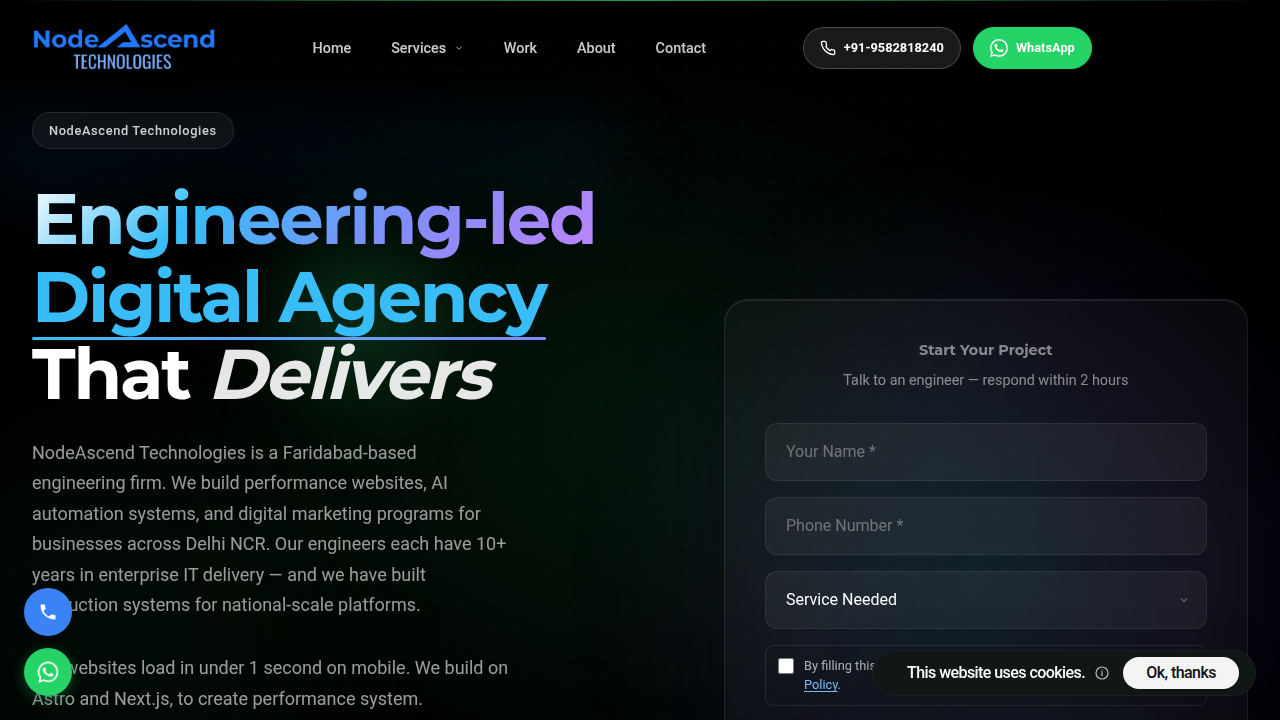
If your site is slow, it can actually cause you to lose possible customers. For example, a delay of just a little bit of time can lead to a drop in how many people buy from you Core Web Vitals SEO Guide for 2026.
- Structured Data and Metadata: These are like hidden labels that help search engines understand what your content is about. Using them correctly helps your brand website show up better in search results. Think of it as telling Google, "Hey, this is what my page is really about!"
- SEO Basics: Beyond speed and labels, good SEO means using keywords naturally, having clear headings, and making sure your site links to other helpful pages. If you’re looking to boost your visibility, knowing why your small business needs an SEO consultant in 2026 can make a big difference.
Be Ready for Everyone, Everywhere
In 2026, more people use phones and tablets to look at websites than ever before. This means your website absolutely must look good and work well on small screens.
- Mobile-First Design: This is not just a nice-to-have; it’s a must. Google actually looks at how well your website works on mobile devices first when deciding where to rank you. So, a website that works great on a phone is key to reaching more people Google Algorithm 2026 & Core Web Vitals.
- Accessibility: Your website should be easy for everyone to use, including people with disabilities. Simple things like clear text, easy navigation, and good color contrast make a big difference. Making your website accessible helps you reach more people and shows your brand cares about all its customers.
Having a strong technical foundation ensures your personal branding website is not just pretty, but also powerful. It helps you get found, keeps visitors happy, and boosts the chances of turning them into loyal customers.
Ready to see your business climb search rankings and attract more customers?
Grow Your Traffic on Autopilot
Having a strong technical foundation for your website is a great start. It’s like having a well-built house. But to truly grow and build your brand online, you need to keep working on it, just like tending a garden. This means always creating helpful things, using smart tools, and checking what works best to bring in new customers consistently.
Create a Smart Content Plan
Your brand website needs fresh, useful content to keep people interested and to help search engines understand what you offer. Think about what questions your customers ask and create content that answers them.
- Target the Right Words: Use words and phrases (keywords) that your ideal customers search for online. This helps your content show up when people need it most. Creating content around these keywords is key to making your personal branding website visible.
- Helpful and Engaging: Every piece of content, whether it’s a blog post, a video, or an infographic, should be genuinely helpful. It should guide your visitors, solve a problem for them, or teach them something new. This builds trust and shows you care.
- Keep It Going: A regular stream of new content helps keep your website fresh. It tells search engines that your site is active and a good source of information. You can learn more about SEO Content Optimization Strategies That Work for Small Businesses in 2026 to make sure your efforts pay off.
Use Simple Automation for Leads
Once people visit your brand website and show interest, you need a smooth way to turn them into actual leads or customers. This is where simple automation tools come in. They help you connect with people even when you’re busy with other tasks.
- Email Sequences: Set up automatic email messages that go out to new people who sign up for your newsletter or download a guide. These emails can share more helpful information and guide them towards your products or services.
- Chatbots: A small chat window on your website can answer common questions instantly. This helps visitors find what they need fast, even outside of business hours.
- CRM Integration: This is a way to keep track of all your customer information in one place. When someone fills out a form on your website, their details can automatically go into your CRM system. This makes it easier to follow up. Small businesses can even automate lead follow-up using simple tools that route leads and send replies automatically, making sure no potential customer is missed Small businesses can automate and systematize lead follow-up.
These tools work together to manage your leads efficiently and ensure that your personal branding website is always working for you, nurturing potential customers.
Measure and Improve
You can’t know if your efforts are working unless you measure them. Keep an eye on a few key numbers to see how your brand website is performing.
- Traffic: How many people are visiting your site? Are more people coming over time?
- Leads: How many visitors are giving you their contact information or asking for more details? This shows how well your website is turning interest into actual leads.
- Conversion Rate: Out of all your visitors, what percentage are taking the action you want them to (like filling out a form or making a purchase)? Improving your Small Business Website Conversion 8 Ways to Turn Visitors Into Leads is crucial.
- Cost Per Lead: How much does it cost you to get each new lead? This helps you understand if your marketing money is being spent wisely.
By regularly checking these numbers, you can see what parts of your strategy are strong and what needs tweaking. This way, you can keep making your brand website better and better, leading to predictable growth for your business.
Making your brand website work well is not just about building it and adding content. It’s also about understanding how much it will cost and making sure it stays healthy over time. Just like a car needs regular check-ups, your website needs constant care to keep bringing in new customers and help you build your brand.
Cost-effective development, pricing transparency, and maintenance plans
When you plan for your website, think about how you will pay for it. There are a few main ways to get your brand website built and cared for:
- Fixed-Scope Build: This is like buying a house. You pay a set amount of money once for a website with specific features. It might feel cheaper at first because it’s a one-time payment. But sometimes, it doesn’t include future updates or help if something breaks. Many businesses find that they still need ongoing support and new features to keep up in 2026.
- Subscription or Managed Website: This is like renting a house or having a service plan for your car. You pay a regular fee, usually monthly, for your website. This often includes the design, building, and all the important maintenance. It can also cover things like updates, security checks, and even help with your content and SEO. This model offers predictable costs and ensures your personal branding website is always up-to-date and protected. There are many kinds of subscription pricing models that businesses use. Companies that offer productized website platforms often use this method.
- Pay-as-You-Go: With this, you only pay when you need specific tasks done, like fixing a bug or adding a new page. This can work if you have a small, simple website and rarely need changes. However, it can be hard to budget for and you might wait longer for help.
To avoid surprises, always look for clear pricing. A good partner will show you exactly what is included in their services. They should offer transparent pricing for new websites and ongoing support. This helps you know what you are getting and how much it will cost each month, especially if you choose a subscription model. It’s important to understand SEO packages for small businesses so you can compare what is offered.
Keeping your website running smoothly is vital. Make sure your plan includes:
- Updates: Keeping your website software fresh helps it stay secure and work well.
- Backups: Saving copies of your website means you can quickly get it back if something goes wrong.
- Security: Protecting your site from online threats is a must. Small businesses often struggle with time and budget for these tasks, which are actually some of the biggest website challenges for SMBs.
- Service Level Agreements (SLAs): These are agreements about how quickly your website provider will respond if you have a problem or need an update. Knowing these times helps you plan.
Choosing a plan that includes regular maintenance and clear pricing will help your brand website thrive without hidden costs or unexpected downtime.

This lets you focus on building your brand and serving your customers, rather than worrying about technical issues.
Ready to make your website a powerful tool for your business?
Grow Your Traffic on Autopilot
Summary
This guide explains how to turn a small business website from a static brochure into a consistent lead-generation engine. It walks you through clarifying your brand and audience, mapping the buyer’s journey, and designing pages and calls-to-action that guide visitors toward conversion. The article covers practical design rules for clear information hierarchy, trust signals that build credibility, and the essential pages every site needs to generate leads. It also addresses the technical basics—hosting, speed, SEO, mobile-first and accessibility—and offers advice on content strategy, simple automation for lead follow-up, and how to choose cost models and maintenance plans. After reading, you’ll know what to change on your site, which pages to prioritize, and how to measure and maintain a website that reliably brings in customers.