.png)
Why Your Business Website Is Useless and How to Fix It
This article explains why a funny or pretty

Why ‘The Useless Web Site’ Is More Than a Joke It’s a Business Problem
Have you ever visited "the useless web site"? It’s a famous collection of silly, entertaining, and often random websites that don’t do much other than make you smile or scratch your head. Think of them as the internet’s funhouse mirrors. While these cool websites are a laugh, for a business, having a truly "useless website" is no joke at all.

In 2026, your business website needs to do more than just exist. A "useless website" for a small or mid-sized business (SMB) is one that fails to help you reach your goals. It might look nice, but it doesn’t bring in new customers or help your business grow. Actually, experts say that AI-driven search is changing how people find brands online, making your website’s purpose more important than ever before [Source: Medill Spiegel Research Center Industry Report].
Here’s the thing: many SMBs accidentally have these kinds of useless websites. They are not intentionally creating "random websites" for fun. Instead, their sites just aren’t set up to work for them.
How can you tell if your business has a website that’s more like one of those novelty sites than a growth tool? Look for these common signs:
- Low leads: Your website isn’t bringing in new calls, emails, or sign-ups. It just sits there.
- High bounce rate: Visitors come to your site but leave very quickly, often after looking at just one page. They don’t find what they need, so they leave.
- No measurable conversions: You can’t tell if your website helps people buy things, sign up for services, or even learn enough to contact you. There’s no clear path for customers to take.
If these problems sound familiar, your website might be acting like "the useless web site" when it should be a powerful business engine. We believe that optimizing website content is key for getting noticed in today’s generative search engines [Source: Beyond SEO: A Transformer-Based Approach for Reinventing Web…]. A website that doesn’t actively help your business is a missed opportunity. If you’re wondering what makes a website truly useful, you might be interested in what nobody tells you about your website experience in 2026.
Instead of being one of those pretty but useless websites, your business needs a site that works hard for you. That’s where a service like Weblish can help, turning your online space into a consistent lead-generating machine.
In the last section, we talked about how a business website can become "useless" if it doesn’t help you get customers or grow. That’s a serious problem for companies in 2026. But there’s also another kind of useless website. These are the fun, silly, and often surprising sites that make up the famous collection called "the useless web site." These "cool websites" are made for a completely different reason than business.
So, what exactly counts as one of these "novelty" or truly "useless" (in the fun way) websites? They aren’t trying to sell you anything or bring in leads. Instead, they aim to entertain, amuse, or even puzzle you.
Here are some common types of these delightful "random websites":
- Single-Gimmick Sites: These sites do just one silly thing. Maybe they tell you if it’s Tuesday, or show you a never-ending loop of a cat falling. They exist purely for that one moment of amusement.
- Interactive Toy Sites: These are like little digital playgrounds. You might click buttons to make strange sounds, draw with unusual tools, or watch weird animations. They let you play and explore without any real goal.
- Easter-Egg Landing Pages: Sometimes, a big brand might hide a fun, unexpected page on their website. It’s like finding a secret prize. These are usually for a quick laugh or to show off a bit of humor.
- Art or Portfolio-Only Pages: Some creative people build websites just to show their artistic side, test new web designs, or express an idea. These are like digital art galleries, not sales tools. For example, a designer might create a unique site to show off their skills, a bit like how some specialize in UX design jobs in 2026.
Why Do People Create These Novelty Sites?
You might wonder why anyone would spend time making a website that doesn’t "do" anything useful for money. Actually, there are good reasons for these "useless websites" to exist:
- Branding and PR Stunts: Companies sometimes create a wild, fun website to get people talking about their brand. It’s like a clever ad that goes viral, building buzz and getting attention without directly selling.
- Experiments and Learning: Web developers and designers often build these sites to try out new coding tricks, design ideas, or ways to make websites interactive. It’s a low-pressure way to learn and practice.
- Founder Hobby or Passion Projects: Many times, someone just thinks of a funny idea and decides to make it real. It’s a personal project, born out of fun and creativity, without any business goals in mind. As one report notes, initial novelty can capture user attention before familiarity grows, which is often the point of these quick-hit sites A Multi-Session Study of UX Evaluators Collaborating with Co.
These websites are great for a quick distraction or a smile. The main difference is that they intend to be "useless" in a business sense. They succeed by being entertaining. For a business, though, your website needs a clear purpose: to help your customers and grow your company. If you want to dive deeper into making your website a truly effective tool, not just a pretty face, you might want to learn what nobody tells you about your website experience in 2026.
In the last section, we talked about how fun, novelty websites are made just for laughs. They don’t try to sell you things or find new customers. But for a business, a website has to do those things. So, why do these cool websites fail when it comes to getting leads and finding new customers? It’s simple, really. They aren’t built for it.
Why Novelty Sites Fail at Lead Generation and Customer Acquisition
Imagine you walk into a funhouse. You’re there to play, laugh, and maybe get a little dizzy. You wouldn’t expect to fill out a form to buy a car, right? It’s the same with the useless web site and other random websites. They have two big problems for businesses:
1. No Clear Path for Visitors
For a business, your website needs to guide people. It needs to show them what to do next if they are interested in your products or services.

This is called a "user experience" that leads to "conversion." But novelty sites don’t have this.
- Missing Calls to Action (CTAs): A business website will have buttons that say things like "Buy Now," "Sign Up," or "Contact Us." These are "calls to action" because they tell you what step to take. On a funny, useless website, there are almost no CTAs for business goals. They might have a button to make a sound or change a picture, but nothing to turn you into a customer.
- Confusing Next Steps: If a business website doesn’t tell you what to do, visitors get lost. They don’t know where to go to learn more or buy something. Novelty sites are designed for random clicks and exploration, not for following a clear path.
- Weak Forms and Funnels: Businesses use forms to collect information from people who might be interested, like an email address for a newsletter or details for a quote. They also build "sales funnels" which are like a step-by-step journey to guide a visitor to become a customer. Fun, cool websites don’t have these. They aren’t trying to capture leads; they’re just trying to make you smile. Getting people to sign up for things or buy them requires a focused approach that can lead to high conversion rates for businesses in 2026, often increasing them significantly, as one report notes a 74% increase when content offers are related to the current year INBOUND Email Tips session.
2. Wrong Visitors for Business Goals
The people who visit "the useless web site" are usually looking for a quick break, a laugh, or something surprising. They are not looking to spend money or hire a service.
- Low-Intent Visitors: These visitors have "low intent" for buying. This means they probably won’t become customers, no matter how good your product is. It’s like advertising a serious financial service at a comedy show. The audience isn’t in the right mindset.
- Hard to Get the Right Traffic: Search engines like Google try to show people the most helpful results. If your website is just for fun, it’s very hard for it to show up when someone searches for "best plumbing service" or "affordable web design." This is because the website’s content doesn’t match what a business customer is looking for. Effective marketing for businesses needs to attract visitors who are actively searching for solutions to their problems. You can learn more about how to attract people who are ready to buy by looking at strategies to generate more leads with an Instagram marketing strategy for small businesses.
To truly succeed online in 2026, your business website needs a clear purpose: to help your customers and grow your company. It needs to be a helpful tool, not just a fun distraction. Businesses that use digital platforms to align innovations with their goals can achieve better efficiency and savings B2B business trends 2026.
If you want your website to be a consistent source of new customers and leads, not just a pretty brochure or a funny page, you need a different approach. A service like Weblish focuses on making your website a lead generation machine, with clear strategy, elegant design, and conversion optimization built right in. You can explore how they help businesses grow by checking out their services and signing up for a free trial to get started with Weblish.
When a business puts money into building a website, it expects something back. It wants new customers or people interested in what it sells. But what happens if you spend time and money on a website that’s just for fun? Like the useless web site, or other random websites that just make you laugh? Actually, even these cool websites have real costs, and for a business, these costs can really add up without giving anything useful back.
Let’s look at the actual money spent and the money you miss out on.
Direct Costs: Money You Pay Out
Even a silly website isn’t free. There are real costs involved.
- Hosting and Domain Name: Every website needs a place to live online, which is called hosting. You also need a domain name, like yourbusiness.com. These cost money every year. Even for a simple site, you’re paying for these basics.
- Updates and Maintenance: Websites need to be updated. Software changes, security needs fixing, and things break. You might need someone to fix small problems, and that takes time and money. Experts say that monthly website maintenance costs for businesses in 2026 can range from around $500 to $2,500, depending on how complex the site is and what it needs to do to keep running smoothly and safely online in 2026. You can learn more about what to expect with your website experience by reading about what nobody tells you about your website experience in 2026.
- Third-Party Parts and Technical Debt: Sometimes, even fun websites use special tools or code from other companies. These might cost money. If a website is built quickly without much thought, it can create "technical debt." This means problems will show up later that are harder and more expensive to fix. Fixing a website or making big changes can be costly in 2026, with redesigns sometimes costing anywhere from $2,000 to over $100,000, depending on the work needed to make it truly useful for a business.
Indirect Costs: Missed Opportunities and Lost Money
The money you pay out is one thing, but the money you don’t make is often a much bigger problem for businesses. This is called opportunity cost.
- Missed Leads and Customers: The biggest problem with useless websites is that they don’t help you find new customers. If people visit your site, laugh, and leave, you haven’t gained anything for your business. This means you miss out on potential sales and growth.
- Longer Sales Cycles: When your website doesn’t explain your services or guide people to contact you, it makes it harder to sell. You have to do more work yourself to find and convince customers, which takes more time and effort. This makes the "sales cycle" longer.
- Harder-to-Measure Marketing Return on Investment (ROI): It’s tough to know if your marketing efforts are working if your website isn’t helping. If you send people to a fun, random website, how do you know if your advertising money was well spent? You can’t see how many people became customers because the site wasn’t built for it. A business needs to see that its investment in a website is paying off, or that it has a clear path to conversion, as studies are predicting will be a key factor for business success in 2026.
Using a website just for fun, like the useless web site, can be a nice break, but for a business, it’s a drain. It costs you money directly, and even more importantly, it costs you the chance to gain new customers and grow. You want a website that works for your business, not just one that sits there.
If your business website feels like a pretty brochure or a cool website that doesn’t actually bring in new business, it might be time for a different approach. Services like Weblish are designed to build powerful, lead-generating websites, offering a clear strategy, smart design, and ways to turn visitors into customers. They focus on making your website a strong tool for growth, without huge upfront costs.
To explore how your business can get a website that truly works to bring in leads and customers, you can discover more about their services.
Get started with Weblish
After looking at how much money bad websites can cost, it’s time to check your own. Does your business website feel like one of those random websites that just sits there, or worse, like the useless web site, not bringing in any new business? It’s important to know if your site is actually helping you get customers or if it’s just a pretty picture that costs you money.
Doing a website audit means giving your site a health check. This helps you find out what’s working and what’s not, especially when it comes to getting new leads. Experts say that a good website audit can cover many things, from how fast your site is to how well it helps people become customers in 2026 (source).
Here’s a simple checklist to see if your website is ready to bring in new business:
Your Lead-Generation Readiness Checklist
-
Can You See What’s Happening? (Analytics)
- Do you have tools like Google Analytics set up?
- Can you see how many people visit your site?
- Do you know which pages they look at most?
- Can you tell where visitors come from (like Google or social media)?
- Knowing these things is the first step to understanding if your website experience is working for you.
-
Is There a Clear Path for Visitors? (Funnel Steps)
- When someone lands on your homepage, is it easy to understand what your business does?
- Can visitors easily find information about your products or services?
- Is there a clear next step for them to take, like learning more or contacting you?
- A good website guides people, not confuses them.
-
Are You Asking People to Act? (Calls to Action, CTAs)
- Does your website have clear buttons or links that say things like "Get a Quote," "Book Now," or "Contact Us"?
- Are these buttons easy to see and click?
- Are they placed in helpful spots where people might want to take that next step? A strong call to action is a must-have for any business website in 2026 (source).
-
Is It Easy to Reach You? (Forms & Contact Points)
- Do you have contact forms that are easy to find and fill out?
- Do your forms ask for just enough information, not too much, so people don’t get tired and leave?
- Are your phone number and email address easy to spot?
- Making it simple to connect with you turns interest into leads.
-
Are You Measuring the Right Things? (Tracking & KPIs)
- Do you know how many people fill out your forms or call you from your website?
- Are you tracking which marketing efforts actually lead to new customers? This helps you avoid wasting money on things that don’t work, like sending traffic to a cool website that doesn’t convert (source).
-
Does It Work Well Everywhere? (Mobile-Friendly & Speed)
- Does your website look good and work correctly on phones and tablets? Most people use their phones to look at websites these days.
- Does your website load quickly? People get impatient if a site is slow. Checking for technical issues is key to a good audit (source).
Fixing What You Find: Quick Wins vs. Big Projects
After you go through this checklist, you’ll likely find some things that could be better. Now, you need to decide what to fix first.
- Quick Wins: These are small changes that are easy to do and can make a big difference fast. Maybe a button isn’t clear, or a form has too many questions. Fix these first to see quick improvements.
- Big Projects: These are larger changes, like redesigning a part of your website or adding new features. They take more time and money. It’s smart to tackle the quick wins first, then plan for the bigger changes that will have a lasting impact on your business growth (source).
Your business website should be a tool that works for you, not just another one of the useless websites or random websites that offer no real value. It should be a strong way to bring in new customers and help your business grow.
If this checklist shows you that your website isn’t working as hard as it should be, and you’re tired of having a site that feels like a pretty brochure but doesn’t actually bring in business, there’s a solution. Weblish is a service that builds powerful websites designed to get you leads and customers. They focus on clear plans, smart designs, and turning visitors into sales, all without big upfront costs.
To learn more about how to get a website that truly helps your business grow, consider looking into a service that specializes in lead generation. You want a partner focused on making your website a strong tool for growth, not just another online presence. Discover more about how a truly effective website can transform your business. You can get started with Weblish today to explore how their services can help your website become a lead-generating machine. Get started with Weblish
So, you’ve checked your website and realized it might feel a bit like one of those random websites, or worse, like the useless web site. It’s not just about technical things. Often, how your website looks and what it says can stop people from becoming customers. Here’s how to make your site a lead-getting machine instead of just a pretty picture.
Making Your Pages Work Harder
To turn your website into a tool that brings in business, you need to make some practical changes to each page.
- Clear Value in Headlines: When someone lands on your page, can they quickly tell what your business does and how it helps them? Your main headline should tell people exactly what you offer and why it matters to them. Think about what your customers really want to know in just a few seconds.
- Easy-to-See Calls to Action (CTAs): If you want people to do something, you have to ask them! Make sure your buttons like "Get a Quote" or "Learn More" are big, bright, and easy to find. Place them where people are likely ready to take the next step. Experts say clear calls to action are essential for converting visitors into customers in 2026, not just being one of those cool websites that look good but don’t convert. You can learn more about important website elements to improve conversions on a small business website audit checklist here.
- Building Trust with Signals: People buy from businesses they trust. You can add things to your website to show you’re reliable. These are called trust signals. This might include reviews from happy customers, awards you’ve won, or logos of companies you’ve worked with. Adding these helps visitors feel more comfortable doing business with you.
- Simple Forms to Fill Out: If your contact forms ask too many questions, people might get tired and leave. Keep forms short and only ask for the important information you need to get back to them. A good website conversion audit will look at forms to make sure they are not causing people to leave your site without contacting you before a redesign.
Thinking About Your Content
What you say on your website, and how you say it, matters a lot.
- Matching What People Are Looking For: Each page on your site should help visitors with a specific need or question. For example, if someone clicks on "Services," they expect to see a clear list of what you offer. If your website experience isn’t aligned with what people expect, it can confuse them.
- Dedicated Service Pages: Do you have a separate page for each main service or product you sell? This helps people find exactly what they’re looking for and helps search engines understand what your business is all about.
- Making Novelty Content Useful: Sometimes, businesses have "cool websites" with fun things that don’t directly lead to sales. That’s okay! But you can often update or add to this content to make it more helpful for potential customers. For example, a fun blog post could end with a link to a service that solves a related problem. Don’t let your content make your site one of the useless websites; give it a purpose.
For many small businesses, making these changes can feel like a big job. This is where services like Weblish can help. They specialize in turning even the most random websites into lead-generating tools, focusing on a clear strategy and good design without big upfront costs. They aim to make sure your site is never considered the useless web site again.
To transform your website from a passive brochure into an active sales tool, it’s worth exploring professional help. Don’t let your website be one of the random websites that just sits there.
If your website is one of those "cool websites" that’s fun to look at but doesn’t bring in customers, there might be hidden problems. Often, these fun, novelty pages become like the useless web site because search engines can’t understand or find them. Let’s look at why this happens from a search engine’s point of view.
Technical SEO Pitfalls for Novelty Web Pages
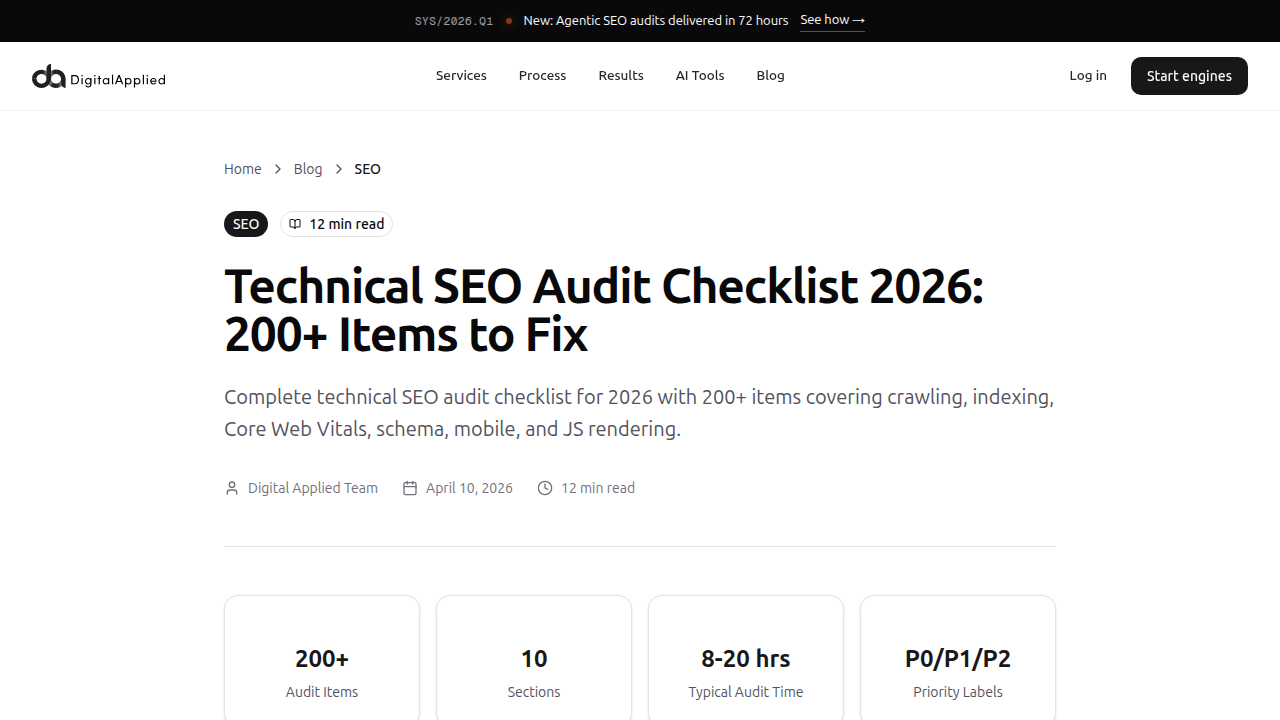
Even the most creative or random websites can be invisible if they have technical issues. Think of it this way: search engines like Google use special robots to visit and read every page on the internet. If your website has problems that stop these robots, your site won’t show up in search results. This is called technical SEO, and it’s super important in 2026 for getting found online.
Here are some common technical problems that turn cool websites into useless websites for business:
- Not Being Seen by Search Engines: Sometimes, a website might tell search engines not to visit or list its pages. This happens with a special file called
robots.txtor anoindextag. If your site has these by mistake, it will never show up, no matter how good it looks. Fixing crawlability and indexing issues is a top priority for SEO in 2026, experts say source.
- Missing Important Labels: Search engines need clear labels to understand what your page is about. This includes things like:
- Title Tags: The main title for your page that shows up in browser tabs and search results.
- Meta Descriptions: A short summary of your page.
- Structured Data: Special code that helps search engines understand details, like if you’re a business, what your products are, or your location. Novelty sites often miss these, making them harder to categorize source.
- Slow Pages and Bad Experience: If your website takes a long time to load, or is hard to use on a phone, people will leave quickly. Search engines notice this and may rank your site lower. This is part of what we call Core Web Vitals, and it’s a big deal for rankings in 2026 source.
- Complicated Code: Some novelty sites use lots of fancy scripts and animations. While these can be "cool," they can also make it hard for search engine robots to read the content, which means they might not know what your page is even about.
If these technical things aren’t right, your site will struggle to get discovered, effectively making it the useless web site when it comes to attracting new business. You can learn more about making sure your website experience is good for users in 2026 by checking out why nobody tells you about your website experience in 2026.
Content and Keyword Strategy Mismatches
Another big reason why many "cool websites" don’t get business leads is because their content doesn’t match what people are searching for.
- Not Answering Questions: People use search engines to find answers, solve problems, or buy things. If your website is mostly about fun distractions or general topics without specific information, it won’t pop up when someone searches for a service you offer. Your content needs to align with what people intend to find source.
- No Focus on Keywords: "Novelty" pages often don’t think about keywords, which are the words and phrases people type into search engines. Without using the right keywords in your headlines and paragraphs, search engines don’t know your page is relevant to what someone is looking for.
- Too Much Fun, Not Enough Business: While it’s great to have engaging content, if it doesn’t eventually lead people to your products or services, it’s not helping your business grow. A truly successful website has useful content that also guides visitors towards becoming customers.
In 2026, it’s vital for every business website to be more than just a place to visit; it needs to be a tool that brings in leads. If your website has become one of the random websites that don’t serve your business goals, it’s time for a change. Services like Weblish specialize in fixing these exact issues, turning underperforming sites into lead-generating machines. They help ensure your site is built with proper SEO from the start, so it can be found by your ideal customers. You can explore how Weblish can help your business get found and grow.
So, you’ve realized your "cool website" might actually be one of "the useless web site" examples when it comes to getting business. Now what? Should you try to fix what you have, or is it better to start fresh? This is a big question for small and mid-sized businesses (SMBs). Let’s look at how to decide.
Keep it or rebuild? A decision framework for SMBs (with low-cost alternatives)
Figuring out if you should keep your current website or build a new one depends on a few things. It’s like deciding if you should fix an old car or buy a new one.
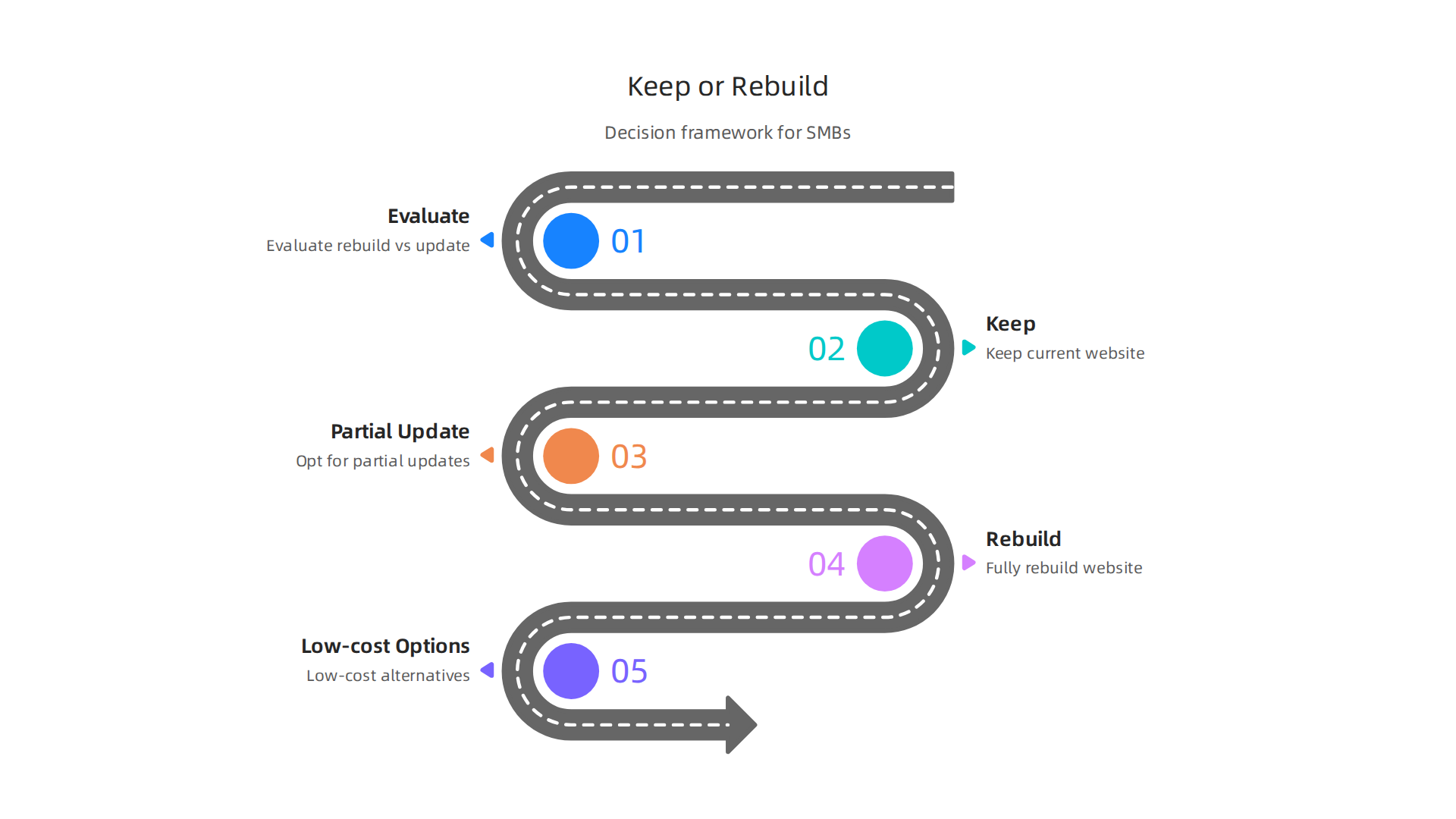
When to Think About a Rebuild (or Major Redesign):
Ask yourself these questions in 2026:
- Is it broken at its core? If your website has many technical problems, like being very slow, not working on phones, or if search engines can’t even find it, a full rebuild might be needed. Sometimes, patching up lots of small issues costs more than building something solid from scratch.
- Does it fit your audience and business goals anymore? If your business has changed a lot, or your website design feels super old and doesn’t appeal to today’s customers, it might be time for a fresh start. If your site looks like one of those random websites that don’t match your brand, that’s a sign.
- Are you getting zero leads or sales? If your website is mostly just a pretty picture and doesn’t help you get customers, it’s effectively a useless website for your business. When your website isn’t helping you generate leads, a rebuild focused on lead generation is key source.
- Is it costly to maintain or update? If every little change costs a lot of money and time, the website might be too old or built on a bad system.
A full website redesign can cost anywhere from $2,000 to over $100,000, depending on how complex it is and who builds it source. For small businesses, this can often range from $1,000 to $10,000 source.
When to Consider a Partial Update (Low-Cost Alternatives):
Sometimes, you don’t need to scrap everything. You can make smaller, smarter changes:
- Partial Redesigns: Instead of a full rebuild, you could focus on updating just a few important pages, like your homepage, services page, and contact page. You can improve the look and feel, fix slow loading times, and add clear calls to action.
- Landing Page Strategy: If your main site is generally okay but doesn’t convert visitors into leads, you can create new, separate "landing pages" for specific campaigns. These pages are built just for one goal, like getting someone to sign up for a newsletter or download a guide source. This is a great way to test new ideas without changing your whole site.
- Hybrid Approaches: You can fix the worst technical problems first, then slowly update the design and content of different sections over time. This spreads out the cost and effort.
Making smart choices about your website’s future is important for your business growth in 2026. If you’re struggling to decide or need help turning your "useless web site" into a lead-generating tool, services like Weblish can help. They offer affordable web design, SEO, and ongoing management, ensuring your site helps your business grow without big upfront costs. You can learn more about how Weblish helps businesses get found and grow by visiting their site. They can also assist with making sure your website is up to date with modern user experience expectations, which is crucial as you can explore in more detail by checking out what nobody tells you about your website experience in 2026.
Summary
This article explains why a funny or pretty