Fashion Design Jobs 2026 The Top Roles Salaries and Skills You Need
Fashion design jobs in 2026 look very different from the past: they blend traditional craft with 3D tools, sustainability knowledge, data fluency, and entrepren…

Introduction: Why Fashion Design Careers Are Evolving
Think fashion design is just about sketching clothes all day? That picture is way out of date. In 2026, fashion design jobs look completely different from what your parents might imagine. The role has grown into something bigger, blending creativity with technology, sustainability, and even business ownership.
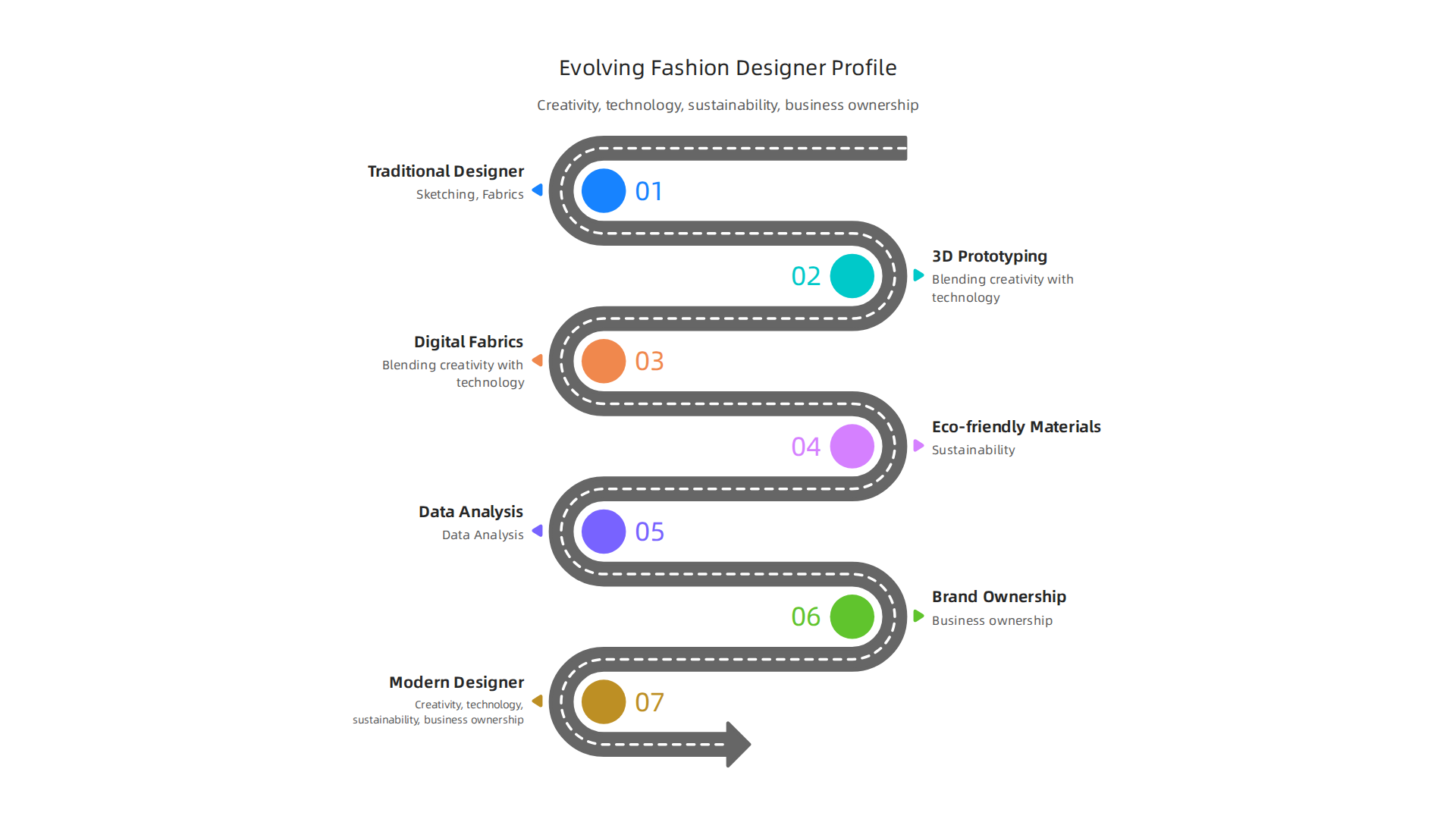
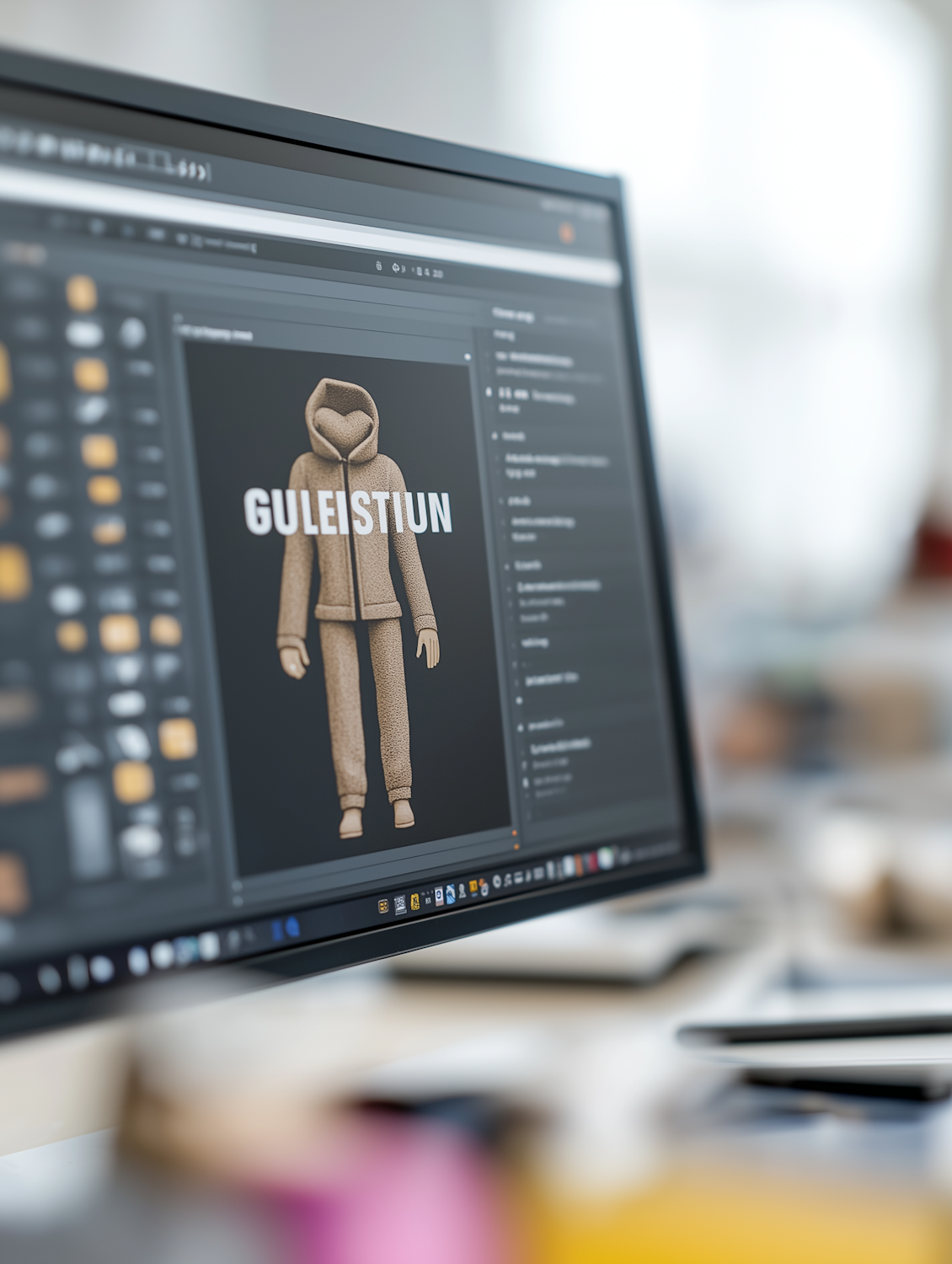
Here is the truth. Fashion designers today need to understand 3D prototyping, digital fabrics, and eco-friendly materials.
They work with data to predict what people want to buy. And many of them run their own brands on the side. The U.S. Bureau of Labor Statistics reports that the median annual wage for fashion designers was $80,690 in 2024, with projected job growth of 2 percent from 2024 to 2034. But the real story is about where these jobs are heading.
The job market itself is changing fast. Remote work is now normal for many design roles. Freelance gigs are replacing traditional 9-to-5 positions. And fashion skills now cross into other areas like interior design jobs, tech wearables, and even virtual clothing for gaming platforms. Some designers even move into interior designer jobs when they want a change of pace.
Why does this matter to you? Because making smart career decisions requires knowing what is happening right now. The old rules about fashion careers no longer apply. If you are looking at design jobs in general, you need a clear picture of where the opportunities really are.
Whether you are starting out or thinking about a switch, understanding these trends helps you plan your next move. And if you want to build a strong online presence to support your design career, getting the right digital foundation matters too. Take a look at how a professional website can showcase your work and attract the right opportunities.
Let us walk through what fashion design jobs actually look like today and where they are headed next.
The Growing Demand for Fashion Designers in 2026
So what does the job market actually look like right now? Here is the short answer. Demand for fashion design jobs is holding steady, but the type of designer employers want has changed a lot.
The numbers tell part of the story. According to the U.S. Bureau of Labor Statistics, the median annual wage for fashion designers hit $80,690 in May 2024.
Employment in this field is projected to grow 2 percent from 2024 to 2034. That is slower than the average for all occupations, but it does not tell the whole picture. The real action is happening inside specific pockets of the industry.
For instance, a 2026 salary report from Style3D shows that fashion designers are earning between $60,000 and $105,000 on average this year. Top designers at luxury brands pull in even more. But here is the thing. The designers earning those higher numbers are the ones who have adapted to what the market now demands.
Where the Real Growth Is
The biggest jumps in fashion design jobs are happening in two areas: sustainable fashion and tech-integrated clothing. Brands are racing to lower their environmental impact. They need designers who understand eco-friendly materials, circular design principles, and ethical supply chains.
At the same time, technology is reshaping the entire design process. Employers now look for people who can work with 3D modeling software and virtual prototyping tools. Traditional sketching skills still matter. But if you can also build a digital garment inside a computer, you become much more valuable. That combination of old and new skills is what gets you hired.
The Skills That Set You Apart
Here is a quick look at what employers are asking for in 2026:
- 3D design software experience (like CLO 3D or Browzwear)
- Knowledge of sustainable materials and production methods
- Data analysis skills to predict customer preferences
- Basic understanding of digital marketing and brand building
- Ability to work with cross-functional teams including tech developers
If you already have a background in other design jobs, you might be closer than you think. Many of the digital skills used in design jobs across industries overlap. For example, understanding user experience and visual hierarchy helps in both fashion and interior design jobs. Some designers even move between fashion and interior designer jobs when they want variety.
Where the Jobs Are Located
New York and Los Angeles still lead the country for fashion design jobs. That has not changed. But remote work has opened doors everywhere. A fashion designer in 2026 can work for a New York label while living in Ohio or Texas. That is a big shift from just a few years ago.
Companies are also hiring freelance designers for specific projects rather than filling full-time roles. This gives you more flexibility, but it also means you need to market yourself effectively. A strong online portfolio is no longer optional. It is the first thing employers check.
And that is where having the right web presence matters. If you want to stand out in a competitive field, a professional website that showcases your work and tells your story can make all the difference. Whether you are pursuing fashion design jobs or exploring interior design jobs, your digital footprint is your resume.
That is where a service like Weblish can help. With affordable web design and ongoing management, you can build a site that attracts the right opportunities and converts visitors into clients. You can get started by signing up and claiming your free trial. It is a small step that can open big doors.
The fashion industry is not shrinking. It is evolving. And the designers who evolve with it will find plenty of opportunities in 2026 and beyond.
Top 5 Fashion Design Job Roles to Consider
So you know the market is shifting. But what does that mean for the actual job titles you should be chasing? In 2026, fashion design jobs are more varied than ever. You no longer have to be a generalist. You can pick a lane that fits your strengths and interests. Here are the top five roles to think about.
1. Apparel Designer
This is the classic role people imagine when they think of fashion design jobs. Apparel designers create the actual clothing you see on racks and online. They sketch ideas, choose fabrics, and oversee sample production.
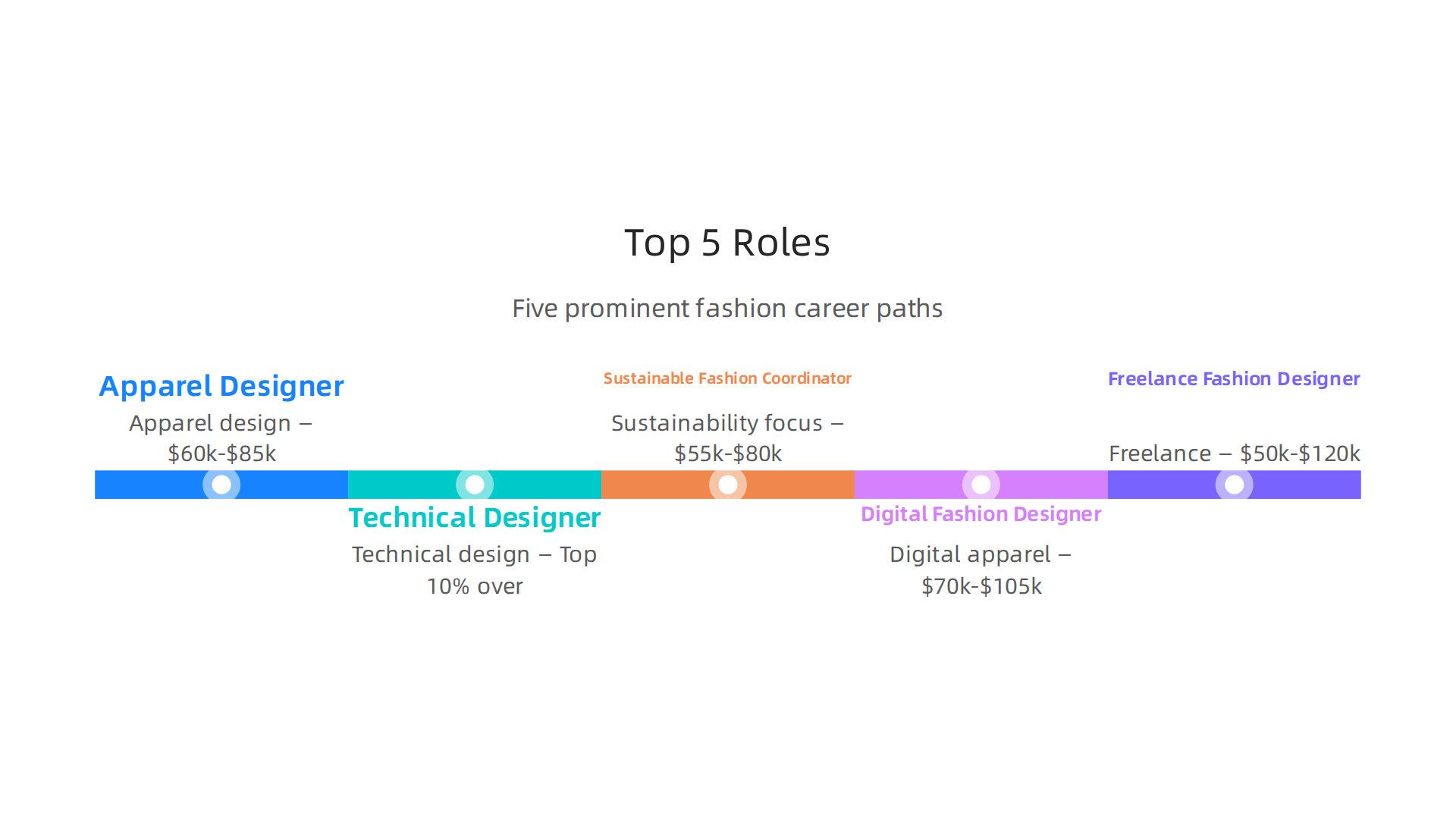
The salary range for this role sits right in the middle of the industry average. According to Style3D’s 2026 salary report, most apparel designers earn between $60,000 and $85,000 this year. Top performers at major brands can push past $100,000.
The key skill here is still strong sketching and pattern making. But more and more, employers want you to use 3D design software. If you can show both traditional and digital skills, you will have a big edge.
2. Technical Designer
Technical designers are the bridge between a creative idea and a real garment. They focus on fit, construction, and production specs. They work closely with pattern makers and factories to make sure every piece comes out right.
This role is less about artistic flair and more about precision. You need to understand how fabric behaves, how seams hold up, and how sizing works across different body types.
Technical designers earn slightly above the average for fashion design jobs. The Bureau of Labor Statistics notes that the top 10 percent of fashion designers make over $130,000 annually, and technical designers often fall into that higher bracket with experience.
3. Sustainable Fashion Coordinator
This is one of the fastest growing roles in 2026. Sustainable fashion coordinators help brands reduce their environmental impact. They research eco-friendly materials, audit supply chains, and guide design teams toward circular practices.
The demand here is real. Brands are under pressure from customers and regulators to clean up their act. That is why employment in related design occupations is projected to stay steady even as overall growth slows.
If you care about the planet and want to make a difference, this role is a great fit. Salaries can range from $55,000 to $80,000 depending on experience and company size.
4. Digital Fashion Designer
This is the tech side of fashion. Digital fashion designers create garments that exist only in the digital world. These virtual clothes are used for online shopping try-ons, video games, social media filters, and even virtual fashion shows.
You need strong skills in 3D modeling software like CLO 3D or Browzwear. You also need to understand how digital fabrics move and light interacts with them. This is where fashion meets the skills you might find in other design jobs, like UI/UX design. Understanding visual hierarchy and user experience helps you create digital pieces that look good on screen.
Salaries for digital fashion designers are competitive. Top talent can earn between $70,000 and $105,000 per year, according to industry data.
5. Freelance Fashion Designer
Not everybody wants a 9-to-5. Freelance fashion designers work on project-based contracts. They might design a capsule collection for one brand, then move to another project for a different client.
This role offers huge flexibility. You can work from anywhere and choose projects that excite you. But it also requires strong self-marketing skills. You have to constantly find new clients and manage your own pipeline.
Building a professional website is essential for freelancers. Your portfolio is your resume. If you need help creating a site that attracts clients, services like Weblish make it easy. They build high-performing websites that convert visitors into leads. You can even sign up for a free trial to get started.
Freelancers can earn anywhere from $50,000 to $120,000 per year, depending on their reputation and the number of projects they take on. It is a high-risk, high-reward path, but it suits many designers in 2026.
So whether you want stability or flexibility, there is a fashion design job role that fits you. The key is matching your skills to the right opportunity.
Essential Skills and Education for Fashion Design Careers
You now know the top roles in fashion design jobs for 2026. But how do you actually get hired for one? It starts with the right mix of education and skills. Let us break down what you need.
Education: Do You Need a Degree?
Most fashion designers hold at least a bachelor’s degree in fashion design or fashion merchandising. According to the Bureau of Labor Statistics, a degree in a fine arts or business field is the typical path. Jefferson University also confirms that most designers have a bachelor’s degree.
But that is not the only option. You can start with an associate’s degree or a certificate program. Precollegeprograms.org outlines that these shorter programs can get your foot in the door. Still, a bachelor’s degree is more common for career growth.
When choosing a program, look for one that covers design principles, textiles, patternmaking, CAD software, fashion history, and business fundamentals. CareerExplorer recommends seeking comprehensive coursework in these areas. The right education sets the stage for everything that follows.
The Foundation Skills
You cannot skip the basics. Even in 2026, employers want to see strong skills in sketching, draping, and pattern making. AAFT lists creativity, drawing, clothing building, and technical skills like Adobe Illustrator as essential.
These foundation skills are non-negotiable. They are the language of fashion. Without them, you cannot communicate your ideas to pattern makers, sample makers, or factories. They are what separate a hobbyist from a professional.
Digital Skills Are Now Expected
Here is where the industry has shifted. In 2026, digital skills are no longer optional. They are expected. Style3D reports that recruiters specifically look for "3D design proficiency" and "real-time rendering experience" as top criteria this year.
You need to know software like CLO 3D, Browzwear, and Adobe Illustrator. These tools let you create virtual samples, reduce waste, and speed up the design process. If you are looking at other design jobs, you might notice that UI and UX designers use similar tools for different purposes. Understanding visual design principles helps across both fields. You can learn more about those overlapping skills in our guide on UX design jobs in 2026.
If you want to stay current, many schools offer summer programs to build these digital skills. Fashionista lists fashion design, merchandising, and styling courses for summer 2026 that can strengthen your resume.
Soft Skills Matter More Than You Think
Technical skills get your foot in the door. But soft skills help you keep it. Communication, time management, and adaptability are highly valued in fashion design jobs.
You will work with teams, clients, and factories. You will face tight deadlines and last-minute changes. If you cannot handle pressure or communicate clearly, your career will stall. These soft skills are what make you reliable and easy to work with.
Showcasing Everything You Have Learned
Finally, you need a way to show off what you can do. A strong portfolio is essential. And in 2026, that portfolio should live online. Your website is your resume, your storefront, and your proof of skill all in one place.
If you need help building a professional site that attracts employers or clients, Weblish can help. They build high-performing websites that showcase your work and turn visitors into opportunities. You can get started with a free trial to see what they offer.
The bottom line is simple. Education gives you a foundation. Traditional skills give you credibility. Digital skills give you an edge. And soft skills keep you growing. Master all four, and you will be ready for any fashion design career in 2026.
How to Build a Portfolio That Gets You Hired
You have the education. You have the skills. But without a strong portfolio, nobody will know. In 2026, your portfolio is the single most important tool for landing fashion design jobs. It is your proof. Here is how to build one that gets attention.
Show the Full Process
Do not just show finished garments. Employers want to see how you think. Include early sketches, mood boards, fabric swatches, and the iterations you made along the way. This tells them you can solve problems and refine your ideas. According to AAFT, technical skills like sketching and clothing building are essential. But your portfolio shows you actually use them.
Tailor Every Application
Here is a simple trick: customize your portfolio for each job. If you are applying for a sportswear brand, highlight your activewear designs. If it is a luxury label, show your draping and fine details. This small effort can significantly increase your callback rate. Hiring managers notice when you clearly align with their brand. Do not send the same generic link to every company.
Add Video and Digital Renders
In 2026, a static PDF is not enough. Recruiters expect to see 3D design proficiency and real time rendering. Style3D reports that these digital skills are now top criteria for fashion design jobs. So include short video walkthroughs of your garments in motion. Show digital renders that reduce waste and speed up sampling. This sets you apart from candidates who only show flat sketches.
Make It Live Online
Your portfolio should be a website, not a file on your desktop. A professional online portfolio is expected.
If you need help building one, Weblish offers a done for you growth service that creates fast, beautiful websites designed to convert visitors into opportunities. They focus on clear strategy and elegant design, perfect for showcasing your work. You can get started with a free trial to see how easy it is.
Also remember to keep your portfolio updated. As you learn new tools like CLO 3D or Adobe Illustrator, add new projects. As you progress in your career, swap out weaker pieces. Treat your portfolio as a living document.
For more on how design principles can improve your website, check out this guide on graphic design principles that turn your website into a lead generator. It applies to fashion portfolios too.
Your portfolio is your voice. Make it clear, tailored, and digital. That is the way to get hired in 2026.
Landing Your Dream Job: Resume, Networking, and Interview Tips
Your portfolio opens the door. But you still need to walk through it. Landing great fashion design jobs takes more than great work. You also need a sharp resume, a strong network, and solid interview prep. Here is how to handle all three.
Write a Resume That Shows Results
Most fashion resumes list job duties. That is a mistake. Hiring managers want to see what you actually accomplished. Instead of writing "Designed seasonal collections," try "Designed a 12-piece spring collection that increased sales by 18% in the first quarter." Measurable outcomes prove your value.
Focus on project work too. List the specific garments, campaigns, or collaborations you completed. Include the tools you used, like CLO 3D or Adobe Illustrator. And always tailor your resume for each role. A generic resume gets passed over quickly.
Networking Still Lands Most Jobs
Here is a truth that never changes: most hires come through connections. In a competitive market for fashion design jobs, your network is your secret weapon.

Spend time building real relationships, not just collecting contacts.
LinkedIn is the best professional platform for fashion designers according to Successful Fashion Designer. Keep your profile updated with your latest portfolio pieces. Connect with designers, recruiters, and brand managers. Join industry groups and share your work. Glam Observer also recommends LinkedIn as a primary tool for job searching in fashion.
Do not stop online. Attend industry events. Join communities like Fashion Mingle to meet other professionals. Check niche job boards like StyleCareers.com and FashionJobs USA for opportunities. For freelance fashion design jobs, platforms like Upwork can connect you with clients worldwide.
Consider building a personal website or landing page that brands you as a professional. A clean, fast site makes a strong first impression when someone looks you up after meeting you at an event. If you need help creating one, Weblish offers a done for you growth service that builds professional websites designed to attract opportunities.
Prepare for Design Challenges and Portfolio Reviews
Here is the part that catches many candidates off guard. Fashion design interviews often include a live design challenge or a detailed portfolio review. You might be asked to sketch a garment on the spot. Or explain your creative process for a specific piece.
Practice explaining your work out loud. Talk through your mood boards, fabric choices, and construction decisions. Be ready to defend your choices without sounding defensive. Employers want to see that you think like a designer, not just draw like one.
Also research the brand deeply before the interview. Know their aesthetic, their customer, and their recent collections. If you can speak their language, you will stand out.
For more insights on how to navigate the design job market, check out this guide on UI UX designer jobs in 2026 with salary benchmarks and hiring tips. Many of the same principles apply to fashion.
Your resume proves you can do the work. Your network opens doors. Your interview preparation seals the deal. Master all three, and those fashion design jobs become yours.
Remote and Freelance Fashion Design Jobs: A Growing Trend
Not every fashion design job requires a cubicle in a Manhattan office. Remote and freelance fashion design jobs have exploded in popularity. And in 2026, more brands than ever hire designers who never set foot in a studio.
The shift started with digital tools. Software like CLO 3D and Browzwear lets you create, fit, and present garments entirely online. Brands realized they could tap into global talent without paying for office space. That change opened doors for designers everywhere.
What Remote Fashion Design Looks Like
Remote roles fall into a few categories. Some companies hire full time remote fashion designers who work normal hours from home. Others need freelance designers for specific projects like a seasonal collection or a technical flat sketch.
Indeed currently lists 81 open fashion design jobs in remote locations. That number includes everything from senior designer positions to assistant roles. Glassdoor also shows 30 fashion designer jobs available remotely as of May 2026.
The most common remote fashion design jobs involve digital garment creation and technical design. If you can work in 3D modeling software, you have a major advantage. Platforms like Cad Crowd connect freelance 3D fashion designers with brands looking for remote talent.
The Freelance Path: Freedom and Challenges
Freelance fashion design jobs give you something full time roles rarely offer: control over your schedule. You choose which projects to take. You set your rates. You work from anywhere.
But here is the honest truth. Freelance income is inconsistent. Some months overflow with work. Others feel empty. You also handle your own client acquisition, contracts, invoices, and taxes. That is a lot of overhead on top of actual design work.
Upwork hosts over 1,170 open fashion design freelance jobs right now. That is a massive pool of opportunities. PeoplePerHour adds hundreds more fashion design projects in 2026. And specialized boards like Freelancer keep the list growing.
The designers who succeed in this space treat freelancing like a business. They build a strong online presence. They stay active on multiple platforms. And they deliver consistently high quality work so clients come back.
If you go the freelance route, your personal brand matters more than ever. A clean, professional website makes you look established even when you are just starting out. That is where a service like Weblish can help you build a site that attracts clients without the technical headaches.
How to Start Finding Remote Fashion Design Jobs
The steps are simple but require consistency. First, update your portfolio to highlight digital work. Second, create profiles on major freelance platforms. Third, apply to remote jobs on sites like Indeed and LinkedIn. Fourth, network in online fashion communities.
Also check out this guide on UX design jobs in 2026 with salary benchmarks and hiring strategies. Many of the same principles apply to fashion design roles, especially when pitching yourself for remote positions.
Remote and freelance fashion design jobs are not a side trend. They are the new normal. If you build the right skills and present yourself professionally, you can design for brands anywhere in the world without ever leaving your home studio.
Interior Design: A Related Field with Abundant Opportunities
If fashion design jobs feel like a natural fit, you should know that interior design offers a very similar career path. The two fields share a lot of DNA. Both rely on a strong sense of color, texture, and space. And both have steady job growth. The U.S. Bureau of Labor Statistics reports that the median annual wage for interior designers was $63,490 in May 2024, and the field is expected to keep growing as more people invest in their homes and offices.
Here’s the thing. Many skills you build in fashion design transfer directly to interior design jobs. Color theory? You already know which hues work together. Textile knowledge? You understand fabric weight, durability, and feel. Spatial awareness? You already create garments that fit a body. Interior design just scales that up to rooms and buildings. That means you are not starting from zero. You are taking what you know and applying it to a new canvas.
The Range of Interior Design Jobs
Interior design is not just one role. Some designers focus on residential projects, helping homeowners create beautiful living spaces. Others work in commercial design, planning offices, restaurants, or retail stores. There are also specialized roles like kitchen and bath designers, sustainable design consultants, and interior architects. According to Indeed, an interior design assistant earns an average of nearly $65,000 per year, while experienced interior architects in cities like Los Angeles can see salaries from $60,000 to over $90,000 depending on experience level, as shown by Bespoke Careers data.
PayScale puts the base salary range for interior designers in Los Angeles between $53,000 and $99,000, with bonuses and commissions adding more. For entry-level positions, Glassdoor shows an average of about $54,209 per year in the United States. Those numbers compare well with fashion design jobs, especially when you factor in the flexibility to work in different niches.
How to Get Started in Interior Design
You do not need to go back to school for a full degree. Many interior designers enter the field with a bachelor’s in a related area like fashion or fine arts. Internships and assistant roles are common starting points. And just like with fashion design, having a strong online portfolio is crucial. Clients want to see your style before they hire you. If you do not have a professional website yet, a service like Weblish can help you build one without the technical headaches. A clean, modern site makes you look established even when you are just beginning.
The hiring strategies for interior design jobs are similar to other creative fields. If you want to learn more about how to stand out during the application process, check out this guide on UX design jobs in 2026 with salary benchmarks and hiring strategies. Many of the same tactics apply: tailor your portfolio, network in online communities, and stay consistent with applications.
Interior design jobs give you the same creative satisfaction as fashion design but with a different kind of impact. You transform how people experience their everyday spaces. And with so many roles available, from residential to commercial, there is room to find your perfect fit.
Summary
Fashion design jobs in 2026 look very different from the past: they blend traditional craft with 3D tools, sustainability knowledge, data fluency, and entrepreneurial skills. This article explains the current job market, median wages, and pockets of growth—especially in sustainable and tech-integrated clothing—and profiles five in-demand roles from apparel and technical design to digital and freelance work. You’ll learn which technical and soft skills hiring managers now expect, how to structure education and upskilling, and practical steps to build a portfolio and online presence that actually converts. The guide also covers resume and networking tactics, how to prepare for design challenges in interviews, and strategies to find remote or freelance gigs. Finally, it highlights interior design as a parallel field where many fashion skills transfer, giving you alternatives for career growth and flexibility.