
UI UX Designer Jobs 2026 Salary Benchmarks and Hiring Tips for SMBs
This article explains the 2026 UI/UX designer job market and what small businesses need to know to hire effectively without overspending. It covers current dema…

Why Understanding the UI/UX Designer Job Market Matters for Your SMB in 2026
Hiring the right person to design your website is one of the smartest moves a small business can make. But finding ui ux designer jobs that fit your budget and your standards? That can be tough in 2026.
The market right now is competitive. Actually, a deep dive into over 50,000 job listings found that design roles make up only 2.3% of all tech openings. So the pool of available talent is smaller than you think.
But here is the flip side. Companies that are growing fast are investing big in design. One report showed that faster-growing companies saw a 46% jump in design hiring. This tells us that the right designer can be a huge growth lever.
To win at this game, you need a strategy. First, you have to understand the numbers. The average ui ux designer salary in 2026 sits between $93,000 and $124,000. Knowing this helps you build an offer that attracts talent without wasting your budget. For a full breakdown, check out our 2026 salary benchmarks guide.
Second, you need to understand what the ui ux designer occupation really involves. A clear role definition helps you attract the right person and avoid expensive mistakes. We cover exactly how to navigate these roles in our complete UX design jobs 2026 guide.
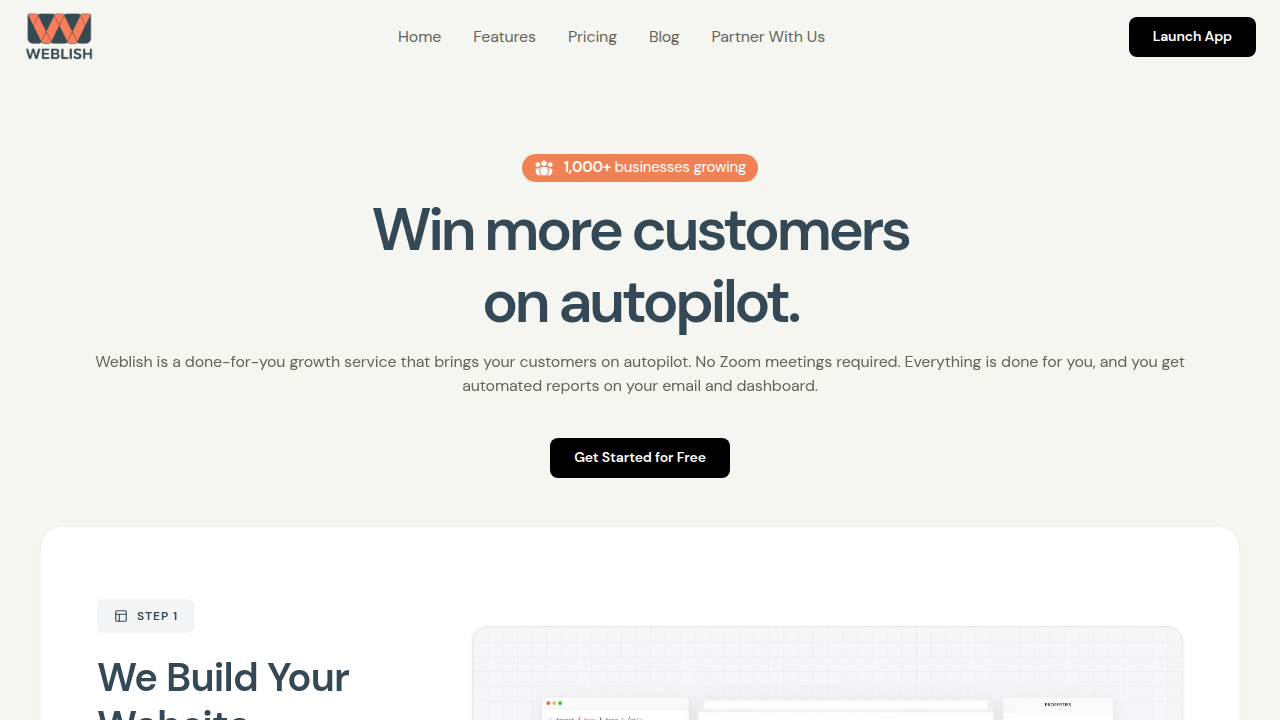
If hiring a full-time person feels like too much too soon, there are other ways to get expert results. Services like Weblish give SMBs access to senior-level design and development for a predictable monthly fee.
It is a smart middle ground.
Let’s dive into the 2026 job market and see how you can use it to grow your business.
The 2026 UI/UX Designer Job Market: Demand Surges for SMBs
If you’re a small business owner searching for ui ux designer jobs that fit your budget and timeline, here is some good news. The demand for design talent is climbing fast. A recent report from Figma found that design hiring at average-growth companies jumped by 40% over the past year. For faster-growing companies, that number hit 46%. That surge means more qualified designers are looking for work, which opens up opportunities for SMBs.
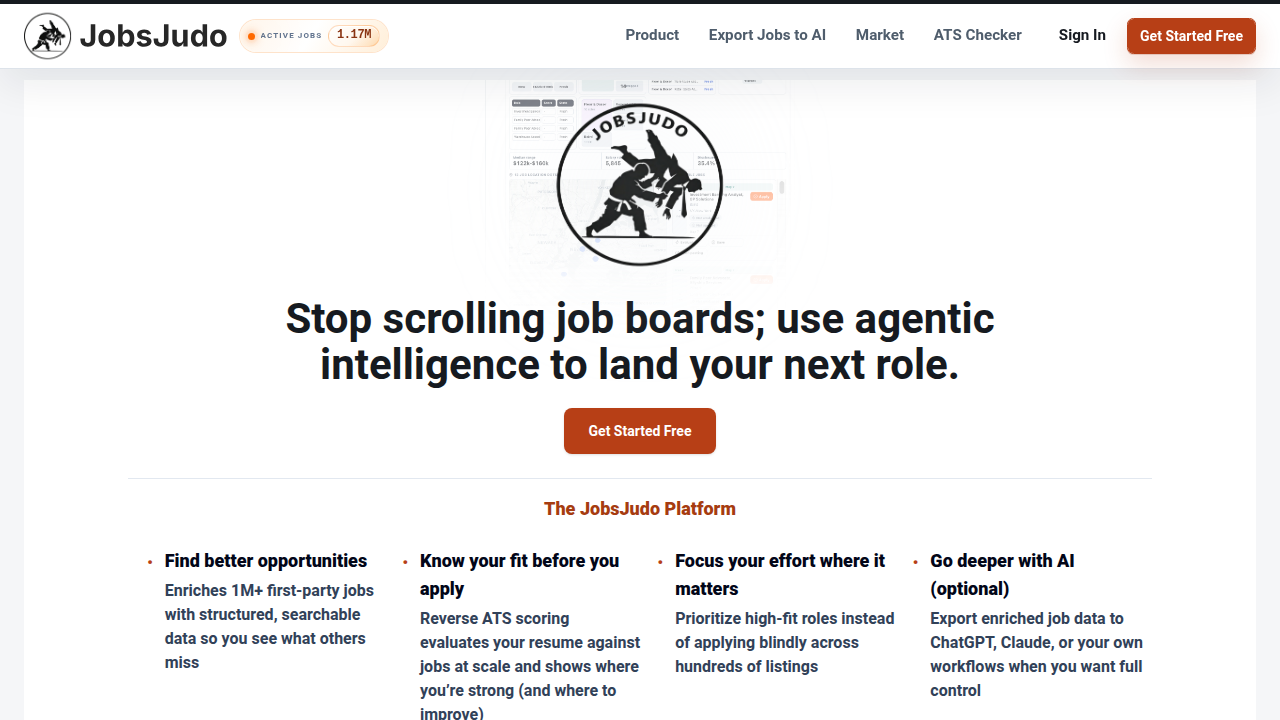
But the market still has a squeeze. Data from JobsJudo shows that design roles make up only 2.3% of all tech job listings.
And the Nielsen Norman Group warns that the supply of aspiring UX professionals still outpaces demand in some areas. So while there are more jobs for ui ux designer roles than before, competition for top talent remains real.
The industries driving this growth are tech, fintech, e-commerce, and professional services. These sectors need designers who can craft clean, conversion-focused experiences. Many SMBs are now hiring dedicated designers instead of relying on agencies. Why? Because a dedicated designer learns your brand deeply and can iterate faster. Plus, with the ui ux designer occupation becoming more specialized, you can find someone with the exact skills your project needs.
If hiring a full-time person feels like too much too soon, you are not alone. Many small businesses find that using a service like Weblish gives them access to senior-level design and development without the overhead of a full salary. It is a smart way to tap into the growing demand for expert design at a predictable monthly cost.
To write a better job description and attract the right candidates, check out our simple guide on what UI design really means. It will help you define the role clearly and avoid costly hiring mistakes.
UI/UX Designer Salary Benchmarks by Experience Level
So how much should you expect to pay for a ui ux designer job in 2026? The numbers vary, but here is a clear picture based on recent data.
Entry-level designers (0-2 years) typically earn between $60,000 and $80,000 per year. According to the 2026 UX Designer Salary Report, the median for entry-level roles is around $62,000. These designers can handle basic UI tasks and wireframes, but they often need guidance on strategy and research.
Mid-level designers (3-5 years) usually fall in the $85,000 to $110,000 range. A comprehensive salary guide shows the median for all UI/UX designers in the US landing around $96,000. At this level, designers work independently and can lead small projects.
Senior designers (5+ years) command $120,000 to $160,000. Some big-tech roles push total compensation past $200,000 once equity is included. The User Interviews 2026 UX Salary Report confirms that senior talent is in high demand, especially for complex SaaS and e-commerce projects.

Location still matters, but remote work is narrowing the gaps. A designer in San Francisco might earn 20% more than one in a smaller city, but many companies now pay national rates for remote jobs for ui ux designer. That is good news if you are an SMB outside a major tech hub.
Another factor: specialized skills. Designers who bring strong UX research and prototyping abilities can command a +15% premium over generalists. If your project needs deep user testing or complex interaction design, expect to pay closer to the top of the range.
For SMBs, these numbers might feel steep. But you do not always need a full-time senior designer. A service like Weblish gives you access to senior-level design talent at a predictable monthly cost, no full salary required.
To see how these salaries compare across different roles, check out our detailed guide on 2026 UI and UX designer salary benchmarks for small business owners. It breaks down costs by specialization and helps you budget wisely.
Geographic Salary Variations: US vs Global Markets
Where your designer sits on a map still changes the price tag. In 2026, a ui ux designer based in the United States earns 20-30% more than a designer with the same skills in another country. That is a big gap, and it matters when you are hiring for jobs for ui ux designer.
In the US, the median salary for a UI/UX designer sits around $96,000 to $108,000, according to the 2026 UX Salary Report. But outside the US, the numbers shift. For example, in India, a senior UI/UX designer earns between ₹15 LPA and ₹35 LPA, which works out to roughly $18,000 to $42,000 per year. That is a fraction of the US cost. The same pattern shows up in other regions.
Many remote-first companies now hire globally on purpose. They look for jobs for ui ux designer in emerging tech hubs where talent is strong but rates are lower.

Latin America is a hot spot in 2026. Countries like Brazil, Argentina, and Mexico produce skilled designers who work in similar time zones to the US and charge rates 30-40% below US averages. Southeast Asia is another option. Vietnam, the Philippines, and Indonesia have a growing pool of English-speaking designers who deliver quality work at competitive rates.
Of course, hiring across borders comes with its own challenges. You need to manage time zones, communication styles, and sometimes different design tools. But the cost savings can be huge, especially for SMBs on a tight budget.
If you want to understand how these geographic differences affect the ui ux designer occupation in your industry, check out our full guide on 2026 UI and UX designer salary benchmarks for small business owners. It breaks down rates by region and helps you plan your hiring budget.
But here is the thing. You do not have to choose between paying US prices or managing a global team on your own. A service like Weblish gives you access to senior-level design talent at a predictable monthly cost. They handle everything from web design to SEO, so you get professional work without the headache of global hiring. It is a simple way to balance quality and cost.
Skills That Command the Highest Salaries in 2026
Now that you know how location affects pay, let’s talk about the skills that actually drive those numbers up. Not every designer earns the same, even if they have the same title. The difference comes down to what they can do. In 2026, a job for ui ux designer that pays top dollar almost always requires a few specific abilities.
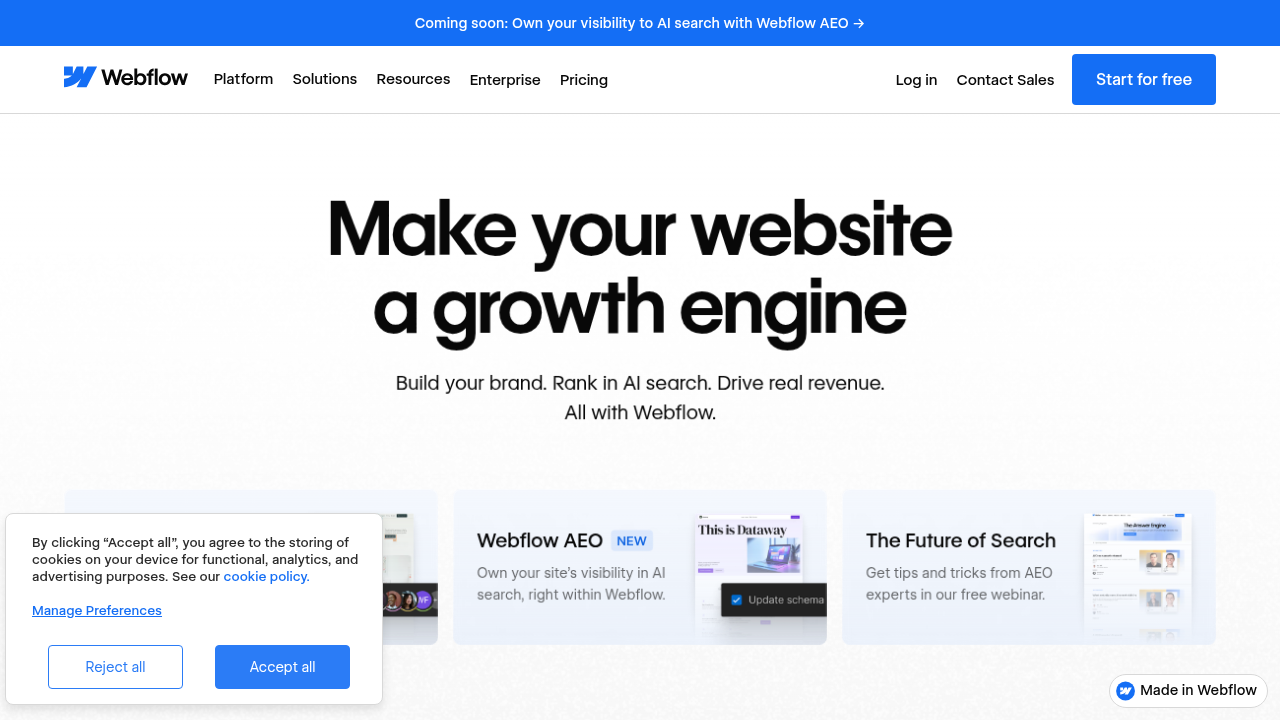
Advanced prototyping and motion design are huge right now. Designers who are experts in tools like Figma and Framer earn more because they can turn ideas into interactive, animated prototypes fast. Companies love that. The Webflow jobs report shows that specialists in these tools command salaries between $85,000 and $130,000.
Motion design, in particular, adds a premium because it makes products feel alive.
But pure visual skills are not enough anymore. Employers are looking for UX strategy and product thinking. They want someone who can ask the right questions, plan user flows, and connect design decisions to business goals. According to the VeriiPro salary guide, UX designers who focus on research and strategy earn $85,000 to $110,000, while UI designers who only do visuals tend to land closer to the lower end. The skill that separates the two groups is strategic thinking.
And here is the big one for 2026: AI tool proficiency. Designers who know how to use AI for user research, wireframing, and testing can earn 10-20% more than their peers.
The Coursera UX salary guide confirms that the median total salary for UX designers in the US is now $109,000, and AI skills are a major reason some push past that. A YouTube breakdown from 2026 highlights that AI integrated workflows are one of the top three skills to triple your salary.
So if you are looking to hire for ui ux designer jobs, focus on these three areas. They signal that a candidate can deliver real business impact.
But maybe you do not have time to vet every skill set yourself. That is where a service like Weblish helps. They provide senior level designers who already have these high value skills, from Figma expertise to product thinking, as part of their monthly subscription. You get professional design work without the hiring headache. Want to see how it works? Start your free trial today.
For a deeper look at how skills affect pay in different roles, check out our guide on UX design jobs in 2026.
Hiring UI/UX Designers on a Budget: Strategies for SMBs
Let’s be real. After seeing those salary ranges for top tier talent, you might be wondering how your small business can afford a good designer at all. The good news is that you do not have to break the bank to get quality work. You just need to be smart about how you hire for ui ux designer jobs.
Strategy one: Go freelance or contract-to-hire. This is a game changer for SMBs. Instead of committing to a full time salary with benefits and overhead, you can start with a project based arrangement. Many experienced designers actually prefer this flexibility. The Untitled UI salary guide shows that freelance UX designers earn an average base salary of about $99,608, which means you can often negotiate a project rate that fits a tighter budget. Contract-to-hire lets you test the waters before making a permanent offer. It reduces your upfront financial risk significantly.
Strategy two: Offer what big companies cannot. You might not match a $130,000 salary, but you can offer things that matter a lot to designers in 2026. Flexible hours, fully remote work, and even small equity stakes can be powerful. According to the KORE1 salary guide, compensation packages that include these non-monetary benefits are increasingly attractive, especially to designers who value autonomy over a corner office. Honestly, many mid-level creatives would take a slight pay cut for the freedom to work from anywhere.
Strategy three: Write a job description that sells the story. Most small businesses write boring, checklist style postings. Do not do that. Your description for the ui ux designer occupation should highlight the real impact the designer will have. Talk about the problems they will solve, the products they will shape, and the growth they will experience. The Robert Half UX designer guide confirms that clear, compelling job descriptions attract higher quality candidates because they filter for people who are excited about the mission, not just the paycheck. Emphasize opportunities for ownership and skill development. That matters.
If this all sounds like a lot of work, you are right. It is. But there is a simpler path. Services like Weblish give you access to senior level designers who already have the high value skills we talked about, without the hiring process or the full time commitment. You get professional design work for a predictable monthly subscription. No recruiter fees, no onboarding stress. Just results.
For more practical tips on finding the right talent, check out our deeper guide on UX design jobs in 2026.
Avoiding Common Hiring Mistakes with UI/UX Designers
You have your budget and your story ready. But before you start reviewing candidates, let’s talk about the traps that trip up most small businesses. Avoiding these mistakes can save you time, money, and a lot of frustration.
Mistake 1: Falling for a pretty portfolio instead of a smart process. It is easy to get distracted by beautiful mockups.

But a polished portfolio does not always mean the designer knows how to solve real problems. According to Frank Spillers, being fooled by "eye-candy" is a top hiring mistake. Look for case studies that show user research, testing, and iteration. A designer who can explain why a design works is worth more than one who just shows what it looks like.
Mistake 2: Ignoring culture fit and collaboration skills. A designer might have amazing skills but if they cannot work with your team or communicate clearly, they will slow you down. The AtheosTech guide highlights ignoring cultural fit as a common error. Ask about their experience with feedback and teamwork. Remember, a strong portfolio does not guarantee they will thrive in your environment.
Mistake 3: Skipping a real test of design thinking. Resumes and portfolios only tell part of the story. You need to see how they think on their feet. The team at AdvaitUX recommends having deeper conversations where you ask them to walk through a real problem. Give them a small scenario and see how they approach it. Do they ask questions? Do they consider user needs first? That is the signal you need.
To really understand what separates a visual designer from a true UX thinker, read our guide on what UI design really means. It will help you ask better questions in your interviews.
And if all this vetting sounds exhausting, there is an easier path. Instead of hiring and risking these mistakes, you can partner with a service like Weblish to get senior level designers who already have the right process and collaboration mindset. No hiring headaches, no regret. Just consistent, professional results.
The Role of Portfolio and Process in Hiring Decisions
You already know not to fall for a pretty portfolio. But let’s dig deeper into why process matters more than pictures when you are hiring for ui ux designer jobs.
A portfolio shows what a designer has already built. It is a finished product. But a portfolio does not tell you how they got there. Did they talk to real users? Did they test multiple versions? Or did they just make something that looks good? According to DesignLab, many designers make the mistake of showing only the final screens without explaining their thinking.
Here is the thing. Jobs for ui ux designer candidates that focus on process over polish are usually the stronger hires. When you review a portfolio, look for case studies that include user research, wireframes, prototypes, and test results. If the designer cannot walk you through their decisions, they may not have a real UX process.
One expert even points out that thinking Dribbble equals UX design is a common career mistake. You can read more about that in UX Planet’s list of early career mistakes. The same logic applies when you are hiring. Do not confuse visual design with UX thinking.
So how do you test for process during interviews? Give each candidate a small, unpaid design challenge. Keep it short, maybe two to three hours of work. Ask them to solve a real problem your business faces. Watch how they ask questions. Do they jump straight to visuals? Or do they start with user needs? This simple test will reveal their true ability.
If you want to learn more about the ui ux designer occupation and what separates great designers from average ones, check out our guide on what UI design really means. It will help you spot the skills that matter during your search.
And if all this vetting feels like too much work, there is a simpler way. Instead of running interviews and hoping for the best, you can partner with a service like Weblish to get senior level designers who already have the right process and mindset. No hiring headaches, no guesswork. Just consistent, professional results for your business.
Future Trends: AI, Remote Work, and the Evolving Designer Role
The world of ui ux designer jobs is changing fast in 2026. And the changes matter a lot if you are trying to hire the right person for your business.
First, let’s talk about AI. A lot of people worry that AI will replace designers. The truth is more balanced. AI is taking over repetitive tasks like making basic layouts or resizing screens. According to UX Tigers, AI capabilities are shifting the focus from raw execution to strategy and user experience thinking. That means the best designers now spend less time pushing pixels and more time solving problems. When you look for a job for ui ux designer, you want someone who knows how to use AI as a tool, not someone who relies on it to think for them.
Next up is remote work. This trend is huge for small businesses because it opens up the talent pool. You are no longer stuck hiring only local people. You can find great ui ux designer salary expectations from designers all over the world. But remote work also demands strong communication skills. A designer who can talk clearly about their process will succeed in a remote setup. The UX Design Job Market Reality 2026 article highlights that companies now value collaboration skills as much as technical ones. So when you interview, ask how a candidate communicates with developers or stakeholders.
Finally, the ui ux designer occupation itself is expanding. Companies now expect designers to understand business strategy, not just user flows. They want someone who can connect design choices to revenue goals. That is a shift from a few years ago. If you want to know what fair pay looks like for this broader role, check out our 2026 UI and UX designer salary benchmarks guide. It helps you set realistic budgets.
Hiring for future ready designers might still feel overwhelming. Instead of sifting through hundreds of applications, you can get started with Weblish and let a senior team handle your design needs. Their designers already blend AI skills, remote collaboration, and business thinking. No guesswork. Just results.
Summary
This article explains the 2026 UI/UX designer job market and what small businesses need to know to hire effectively without overspending. It covers current demand trends, clear salary ranges by experience level, and how geography and remote hiring affect costs. The piece highlights the skills that add the biggest salary premiums—advanced prototyping, product thinking, UX research, and AI tool proficiency—and shows how SMBs can prioritize those skills when recruiting. You’ll find practical hiring strategies like contract-to-hire, compelling job descriptions, and alternatives such as subscription design services to access senior talent. The article also explains common hiring mistakes, how to evaluate portfolios for process not just polish, and which interview or test steps reveal true UX thinking. Finally, it outlines future shifts—AI and remote collaboration—that will reshape the role and what to look for in future‑ready designers.