
Most Visited Websites: Lessons for Small Business Traffic Growth in 2026
This article explains why studying the world's most visited websites offers practical lessons for small businesses aiming to grow online. It walks through how v…


Have you ever wondered why certain websites always show up at the top? Or why some online stores seem to have customers all the time? It’s not just luck. These are the most visited websites in the world, and they hold big lessons for any small business.
Looking at these top websites helps us understand how people use the internet in 2026.

We can see what types of content they like, what kinds of services they use most, and even where they spend their money. This gives us a clear picture of how online traffic moves. It shows us the main paths people take to find information, products, or fun stuff online. If you understand these big trends, you can start to see where the real action is happening on the internet.
Why should your small business care about what the most visited websites are doing? Well, these big websites didn’t get to be the best websites by accident. They spend a lot of time and money figuring out what users want. By watching them, small businesses can find smart ways to improve their own online presence. You can spot new ideas for your own website, learn about what makes users stay or leave, and even see what things might make a website down a big problem if not handled well.
Think of it like looking at the top 10 award-winning websites in your industry. You can learn from their success and avoid their mistakes. This helps you build a stronger online store or service. It’s about getting signals and tips that you can use for your own business.
Ready to make your website work harder for you?
Grow Your Traffic on Autopilot by connecting your website with Weblish and growing your traffic on autopilot with AI.
You can also Get started with Weblish by signing up and claiming your free trial.
Learning from the biggest websites is smart, but it’s also helpful to know how those "biggest" lists are made. What does it truly mean for a website to be one of the most visited websites? It’s not as simple as counting people. Different ways of measuring can give us different ideas of what the best websites are.
How We Count Website Visitors
When people talk about how many visitors a website gets, they might be talking about a few different things:
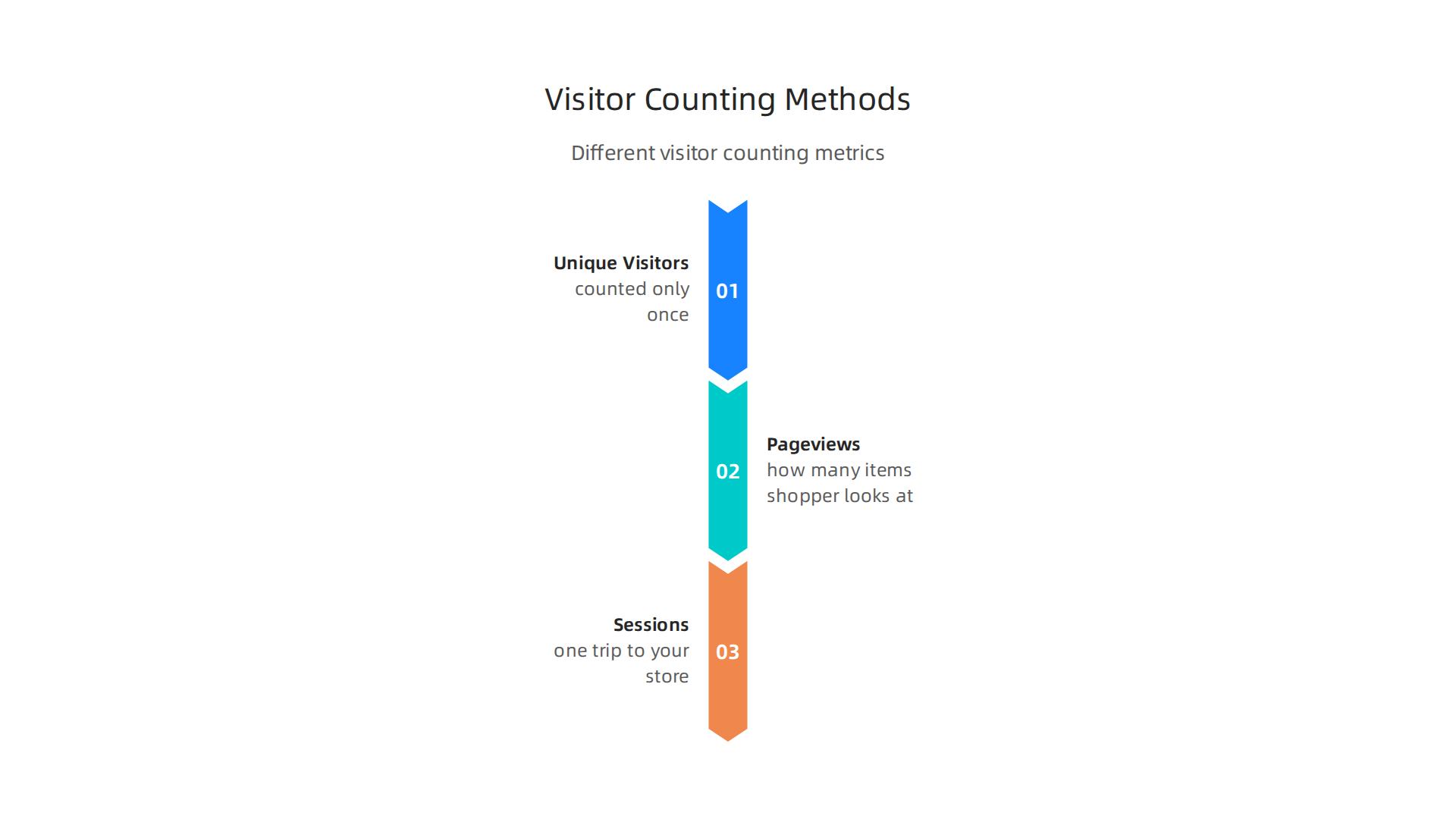
- Unique Visitors: Imagine your website is a store. A unique visitor is like a single person walking into your store. Even if they visit many times, they are counted only once in a set time, like a month. This helps you know how many different people are interested in your site.
- Pageviews: This is like counting how many items a shopper looks at in your store. Every time someone clicks to a new page on your website, that’s one pageview. If one person visits ten pages, that’s ten pageviews. This tells you how much content people are actually seeing.
- Sessions (or Visits): Think of a session as one trip to your store. Someone might come in, look at a few items (pageviews), and then leave. If they come back an hour later, that’s a new session, even if they are the same unique person. This shows how often people come back and spend time on your site.
Each of these ways to count shows a different part of how people use a website. A website might have many unique visitors but few pageviews if people quickly leave. Or it might have fewer unique visitors but many pageviews and sessions if a small group of people loves to spend a lot of time on the site.
Why Measurement Matters for Rankings
The company that makes a "most visited" list has to pick which type of counting they will use. Some lists might focus on unique visitors to show how many different people a site reaches. Others might look at pageviews to show how much content is being consumed. Because of these different choices, the exact order of the top 10 award-winning websites can change depending on how you count.
It’s also important to remember how the data is gathered. Different tools and methods are used by different companies to collect this information. Some might watch a small group of internet users very closely and then guess what the larger group is doing. Others might get their data directly from the websites themselves. These differences in how they collect and measure data can lead to slightly different results.
So, when you see a list of the most visited websites, it’s good to think about what they are actually measuring. Are they counting how many different people visit, how many pages people look at, or how often people come back? Understanding these details helps you get a clearer picture of what makes a website popular in 2026.

Who Shows Up at the Top: Categories and Patterns Among the Most Visited Sites
Knowing how website visitors are counted helps us understand why certain sites are always at the top. When we look at the most visited websites in 2026, we see clear groups of sites that attract huge amounts of traffic. These are often websites that people use every single day for important tasks or for fun.
The Usual Suspects: Top Website Categories
You’ll notice that the biggest websites often fall into these main types:
- Search Engines: Think of sites like Google. People use them all the time to find information, answer questions, and navigate the internet. These sites are the starting point for countless online journeys.
- Social Media Platforms: Websites like Facebook and YouTube are places where people connect with friends, share updates, watch videos, and get news. They are part of our daily routines. Many people spend a lot of time on these sites, leading to many pageviews and sessions. As of May 2026, google.com, youtube.com, and facebook.com are among the most visited websites in the world.
- Online Shopping and Marketplaces: Sites where people buy things or sell items also get a lot of traffic, especially around holidays or big sales events.
- News and Information Sites: People visit these sites to stay updated on current events, sports, or their hobbies.
These categories typically lead the way because they offer something essential or deeply engaging to a huge number of people worldwide.
Where Does All That Traffic Come From?
How do these best websites get so many visitors? It’s not usually just one way. Most websites get traffic from different places, called "referral sources."
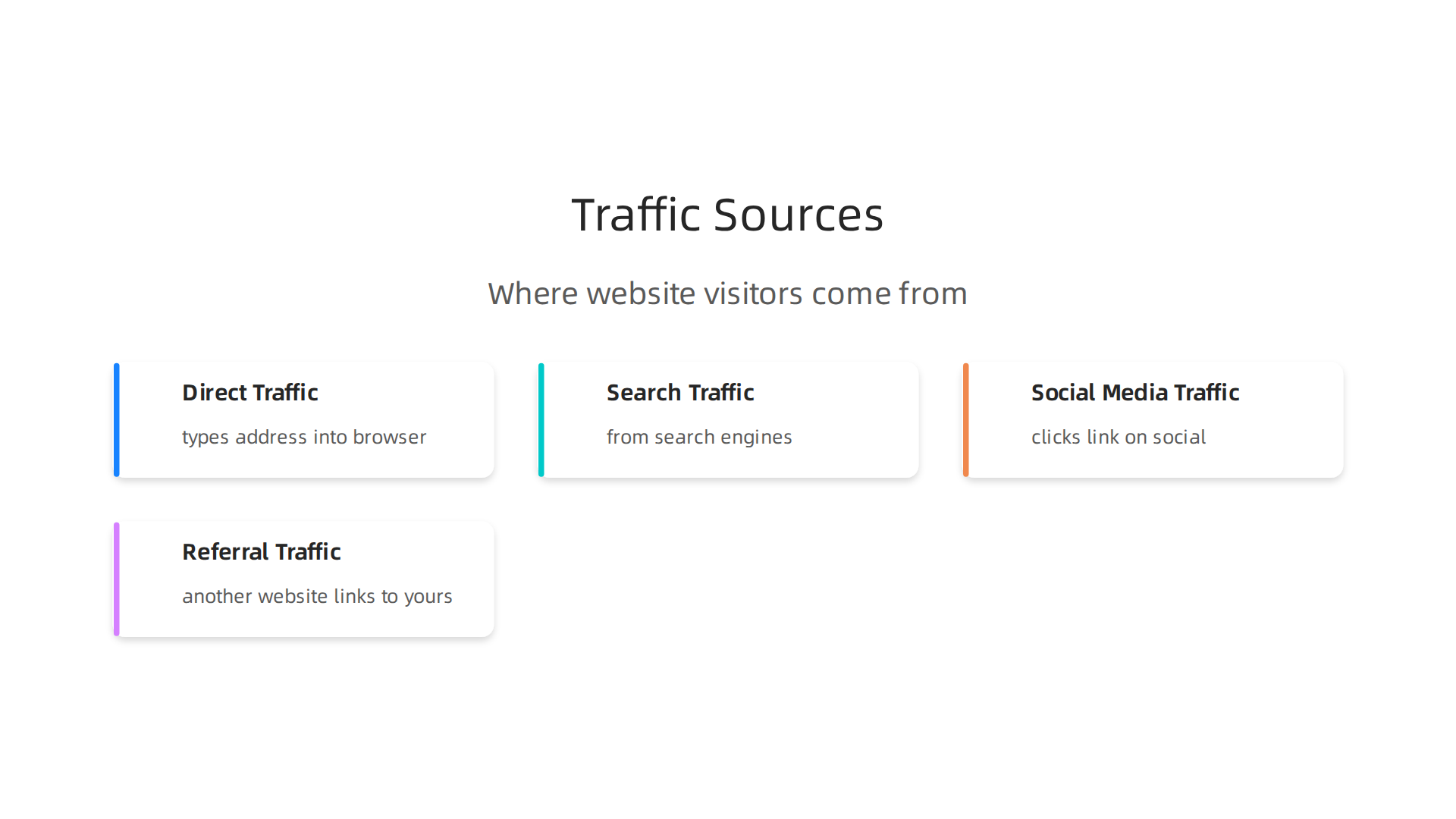
- Direct Traffic: This is when someone types a website address right into their browser or uses a bookmark. This means they already know your site and want to go there specifically.
- Search Traffic: A lot of visitors come from search engines. They type something into Google, click on a link in the results, and land on your site. This shows that your website is good at ranking for important keywords, which helps predict website hits.
- Social Media Traffic: When someone clicks a link on Facebook, Instagram, or TikTok that takes them to your website, that’s social media traffic. This is a big way for content and news sites to get visitors.
- Referral Traffic: This happens when another website links to yours, and someone clicks that link. It’s like a friend telling you about a cool new place. Getting more referral traffic can be a great way to attract new visitors in 2026. This can include links from blogs, news articles, or even online directories. In fact, a new source called "AI referrals" was introduced in January 2026, identifying human visitors coming through links from AI sources.
Different kinds of websites get different amounts of traffic from these sources. For example, a social media site will get a lot of direct traffic, but also much traffic from other social sites or apps. A news site might get more search and social media traffic. Understanding these patterns helps websites plan how to grow. Even if a website is down for a short time, it doesn’t usually change its long-term ranking among the most visited sites.
Making your website easy to find and useful for people is key. If your business wants to attract more visitors and turn them into customers, understanding these traffic patterns is a great first step.
Connect your website with Weblish and Grow Your Traffic on Autopilot with AI.
Understanding how people find the most visited websites is important, but knowing who these visitors are and why they visit is even more helpful. Websites that get a lot of traffic usually know a lot about the people who come to their pages. This helps them make their sites even better.
Who visits the most visited websites: demographics and user intent
When we talk about who visits the top websites, we look at things like age, where people live, and if they are men or women. These facts are called "demographics." Knowing these helps website owners understand their audience better.
For example, a lot of people use the internet. In 2026, many sources like the Digital 2026 Global Overview Report show us how many people are online and what they do. Social media sites, which are some of the most visited websites, often have a mix of all ages. However, some platforms might be more popular with younger groups, while others attract older users. For example, men aged 25-34 and 18-24 are reported as the largest user groups on Instagram in 2026. Data from the Social Media Demographics to Inform Your 2026 Strategy also helps show these trends.
What Do Visitors Want? Understanding User Intent
Beyond who they are, it’s key to understand what people want when they visit a website. This is called "user intent." Are they looking for information? Do they want to buy something? Are they just checking updates?
We can often guess user intent by looking at how people act on a website:
- Time on Site: If someone spends a long time on a page, they are probably very interested in the content. This means their intent to learn or engage is high.
- Repeat Visits: When visitors come back to a site many times, it shows they find it useful or enjoyable. They might be looking for new content, checking for updates, or using a service often.
- Content Types: The kind of content people look at also tells us a lot. If they spend time on product pages, their intent might be to shop. If they read many articles, they might be looking for information. For example, someone visiting a news site is usually looking for current events, while someone on a search engine is looking to find something specific.
For businesses, understanding these patterns is vital. If you know who is visiting your site and what they want, you can make your website work better for them. This means creating content and tools that meet their needs. It’s about turning casual visitors into happy customers. To do this, you want your website to clearly guide visitors to what they are looking for, helping them convert. Learn more about how to Make Your Small Business Website Convert Visitors to Customers. A website that truly understands its users is often one of the best websites in its field.
Now that we know who visits the most visited websites and what they want, let’s talk about how small businesses can use this information. It’s not enough to just get people to your website. You need to know if those visits are helping your business grow. This means looking at certain numbers, or "metrics," that show how well your website is working.
What the traffic numbers mean for performance: metrics every SMB should track
For a small business, understanding website traffic is like reading a report card for your online home.

It tells you what’s going well and what needs fixing. These numbers help you turn website visitors into real customers and leads.
Here are some important metrics every small business should keep an eye on in 2026:
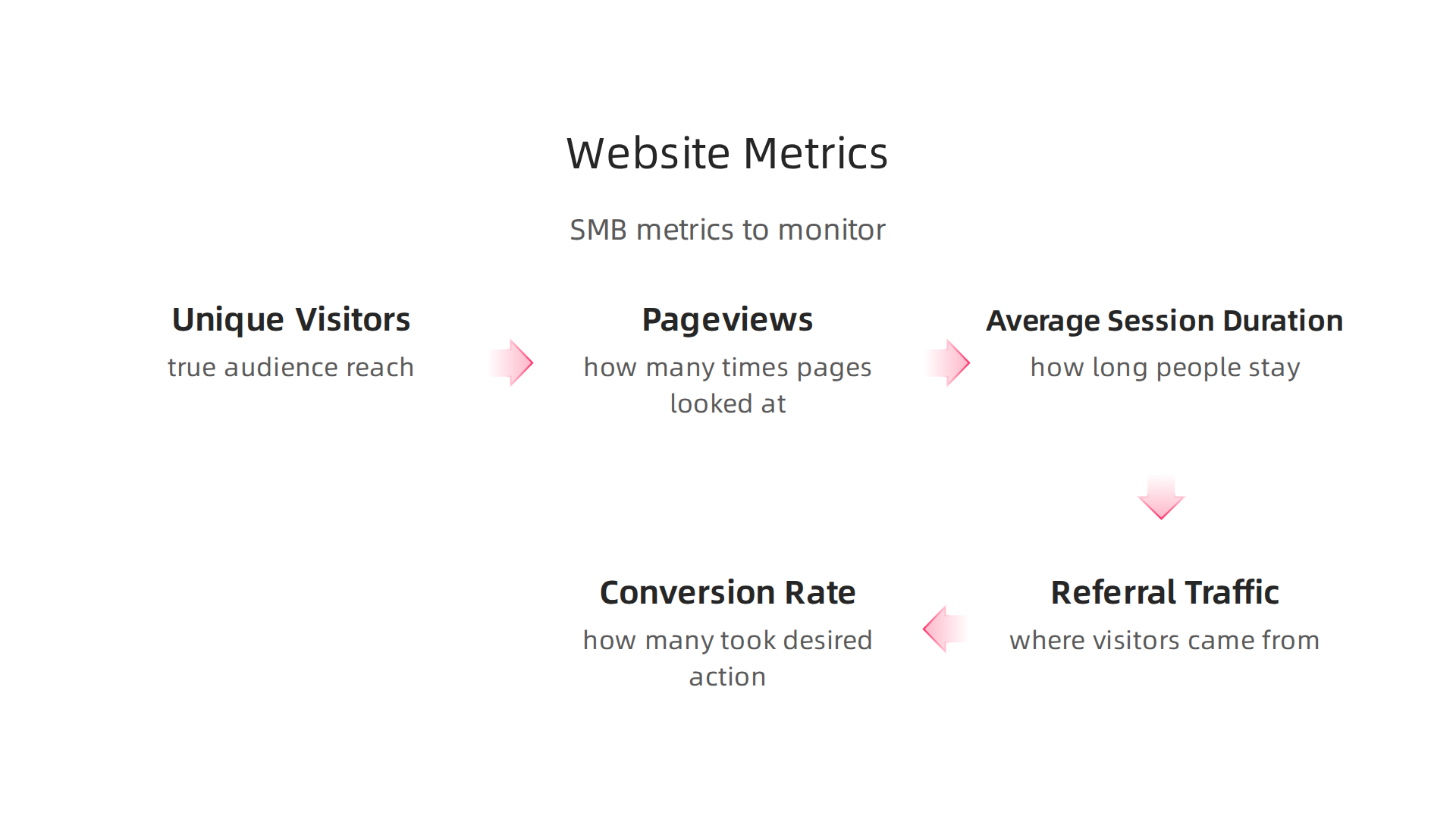
- Unique Visitors: This number tells you how many different people came to your site. If someone visits your site five times, they still count as one unique visitor. This metric helps you understand your true audience reach. Knowing your unique visitors helps measure your site’s true reach, not just repeat clicks Unique Visitors: What They Are and Why They Matter.
- Pageviews: This is how many times pages on your website were looked at. If a visitor goes to three different pages, that’s three pageviews. High pageviews can mean people are exploring your site deeply, which is a good sign for engagement. You can learn more about how pageviews measure your site’s health in a Website Analytics Best-Practice Guide for Starters.
- Average Session Duration: This metric shows how long, on average, people stay on your website. Longer times usually mean visitors are interested in your content. If people leave very quickly, it might mean your site isn’t giving them what they need. Metrics like total visits, unique visitors, bounce rate, and average session duration are key to measuring user interactions with websites.
- Referral Traffic: This tells you where your visitors came from before they landed on your site. Was it from a social media post, another blog, or a search engine? Knowing this helps you see which other sites are sending you good traffic. In 2026, we even see new types of referral traffic, like visitors coming from AI tools, as noted in a January 2026 release about new AI Referrals. Understanding what referral traffic is is key for inbound marketing.
- Conversion Rate by Traffic Source: This is a big one for lead generation. It tells you not just how many people came from a certain place, but how many of them took a desired action, like filling out a form or buying something. For example, if many people from social media visit but don’t buy, while fewer people from a partner website visit and do buy, that partner site is sending more valuable traffic. This helps you understand which traffic sources are truly proving ROI, as explored in 5 Website Metrics That Prove ROI in 2026.
How to Interpret Traffic Spikes, Seasonal Trends, and Referral Shifts
Understanding these numbers means looking at them over time.
- Traffic Spikes: A sudden jump in visitors can be great. But you should always ask why. Did you run a new ad? Was your business mentioned somewhere? Is it because of a viral social media post? Understanding the "why" helps you repeat successes.
- Seasonal Trends: Many businesses see more traffic at certain times of the year. A flower shop will be busier around Valentine’s Day, for example. Knowing your business’s seasonal patterns helps you plan your marketing efforts better.
- Referral Shifts: If you notice more traffic coming from new places, or less from old ones, that’s a signal. Maybe a new website is linking to you, or an old partnership isn’t working as well. Paying attention to these shifts can help you find new opportunities or fix problems.
Tracking these numbers helps you see if your website is truly a lead generation engine or just an online brochure. For many small businesses, it can be tricky to keep up with all these details. If you’re looking to boost your online presence and turn visitors into leads, consider seeking help. An SEO Consultant in 2026 can help you make sense of these metrics and improve your website’s performance.
When you connect your website with Weblish, you can grow your traffic on autopilot with AI. Grow Your Traffic on Autopilot and let our expert team handle the complexities of web design, SEO, and digital marketing for your small business.
Understanding your website’s traffic numbers is a great start. But the real magic happens when you use these insights to get more of the right kind of visitors. Think about what makes the most visited websites so popular. They often do a few things very well, and small businesses can learn from these patterns without spending a lot of money.
How SMBs can use insights from most-visited site data to get more targeted traffic
Looking at what makes the big, most visited websites succeed can give small businesses smart ideas for getting more people to their own sites. It’s not about being exactly like them, but about taking their best ideas and making them work for your specific business. This means thinking about what kind of content people love, who you can work with, and where you should focus your online efforts.
Content Themes That Attract Visitors
Think about why people visit the biggest websites. Often, it’s for news, entertainment, or to find answers to questions. Small businesses can use this by creating content that does the same for their customers.
- Solve Problems: Many popular websites are successful because they help people. Does your business solve a problem for your customers? Create blog posts, videos, or guides that explain how you do it. If you sell plumbing services, write about "5 Easy Ways to Fix a Leaky Faucet."
- Share Knowledge: If you’re an expert in your field, share that knowledge. People love learning new things. For example, a bakery could share tips on making the best websites for online ordering or how to decorate a cake.
- Be Engaging: The top 10 award-winning websites often use stories, photos, and videos to keep people interested. You can do the same. A small clothing store could share "behind-the-scenes" videos of new outfits or customer stories.
By creating content that truly helps or entertains your audience, you’ll naturally attract more visitors who are interested in what you offer.
Smart Referral Partnerships and Priority Channels
Most successful websites don’t just sit there waiting for people. They get traffic from many places. Small businesses can also think about where their potential customers spend time online.
- Social Media Focus: Billions of people use social media every day. In 2026, social platforms continue to be huge traffic drivers. For instance, global social media users are growing, with many using multiple platforms each month to connect and find information, according to social media statistics from DataReportal. You can check out recent Global Social Media Statistics to see where your audience might be. If your customers are mostly on Instagram, focus your efforts there with engaging photos and short videos. If they prefer Facebook, share helpful articles and join groups. You can learn more about how different age groups use these platforms to help shape your approach in this Social Media Demographics to Inform Your 2026 Strategy report.
- Local Partnerships: Work with other local businesses that serve similar customers but don’t compete directly. A pet store could partner with a dog groomer. They could link to each other’s websites, send out joint emails, or even host events together. This way, you share audiences and send each other valuable referral traffic.
Low-Cost Experiments to Try
You don’t need a huge budget to try new things. Small businesses can test ideas that work for the most visited websites with simple, low-cost experiments.
- Test New Content: Try writing a few blog posts on a trending topic related to your business. See which ones get the most shares or comments. You can also try creating a short video or infographic.
- Engage on One Social Platform: Instead of trying to be everywhere, pick one social media platform where your customers are active. Spend a month posting regularly, answering comments, and running a small contest. See if it brings more people to your site.
- Check Your Website’s Health: Sometimes, if your website is down or very slow, people will leave before they even see your content. Make sure your website works well and loads fast.
- Ask for Reviews: Positive reviews on Google and other sites can send more people your way. Encourage happy customers to leave reviews. This is a free and powerful way to build trust and get more visitors.
By watching how the big players succeed and trying out simple, smart tactics, your small business can improve its online presence and attract more targeted visitors, turning them into valuable leads and customers. To make sure your website is always working for you, it’s important to have a plan for how you present your business online. Discover how to make your small business website convert visitors to customers.
Keeping your online business plan fresh means you also need to look at the bigger picture. The world of the internet changes fast.
Knowing the main trends helps your small business stay ahead and attract the right visitors to your site. Let’s explore how the online world is changing and what this means for you in 2026.
Trends: How the Landscape of the Most Visited Websites Has Changed and What’s Next
The way people use the internet is always shifting. These big changes affect even the most visited websites and offer important clues for small businesses. There are three key trends to watch: more people using phones, big platforms becoming central, and everything getting more personal with AI.
Mobile is King
More and more, people use their phones to go online. This means websites that load fast and look good on a small screen are the ones people like best. If your website isn’t easy to use on a phone, visitors might leave quickly. This trend has been growing for years and continues to shape how we design and experience the internet. Businesses need to make sure their sites are mobile-friendly to grab attention.
Big Platforms Rule
Think about where people spend most of their time online. It’s often on huge social media sites, big search engines, or shopping apps. These platforms gather a lot of eyeballs. This means that to be seen, your business might need to be present on these platforms, even if your main goal is to send people to your own website. This "platform aggregation" can make it harder for smaller, independent websites to get direct traffic unless they use these platforms smartly to point people their way. Top websites understand this and often have a strong presence across many channels.
Personal Everything and AI’s Big Role
Today, what you see online is often tailored just for you. Search results, ads, and even content suggestions are personalized. This is largely thanks to Artificial Intelligence, or AI. For example, AI overviews in search results can sometimes give users answers without them needing to click on a website, which can affect traffic to even the best websites out there. This personalization means your content needs to be super relevant to your specific audience if you want them to find you and click through.
Signals SMBs Should Watch
Small businesses can’t control these big trends, but they can adapt. Here’s what to look for to stay ahead:
- Google’s Changes: Keep an eye on how search results look, especially with new AI features. If Google starts showing quick answers more often, think about how your content can still stand out and offer more depth. This impacts how your website ranks and gets visitors. You can watch videos about this, like one discussing how website traffic might be plummeting because of AI overviews.
- Social Media Updates: New features, new ways to get seen, or changes in how platforms work can all affect your traffic. Stay informed about the platforms your customers use most.
- New Tech: Are there new tools or types of content (like interactive experiences) that the top 10 award-winning websites are using? See if you can try a simpler version for your business.
By watching these trends and signals, you can adjust your strategy. Focus on creating super helpful content, making sure your website works great on any device, and thinking about how AI might change what people look for. Sometimes, getting expert help can make a big difference. Discover why your business might need an SEO consultant in 2026 to navigate these changes.
Staying on top of these trends can feel like a lot. But understanding how the internet is changing helps you make smart choices for your business. When you make these smart choices, your website becomes a stronger tool for getting new customers.
Connect your website with Weblish and Grow Your Traffic on Autopilot with AI.
Summary
This article explains why studying the world’s most visited websites offers practical lessons for small businesses aiming to grow online. It walks through how visits are measured (unique visitors, pageviews, sessions), where traffic comes from (direct, search, social, referrals, new AI referrals), and which site categories typically dominate search and attention. You’ll learn which metrics matter for small businesses—like conversion rate by source, session duration, and referral shifts—and how to interpret spikes and seasonal trends. The piece also covers audience demographics and user intent so you can tailor content, plus low-cost experiments and partnership ideas to attract the right visitors. Finally, it highlights major trends (mobile-first, platform aggregation, AI personalization) and when to get expert help so your website converts traffic into real customers.