
Create an Internet Marketing Strategy That Generates Leads for Your Small Business
This article shows small and mid-size businesses how to turn a passive website into a predictable lead-generation engine by using a practical internet marketing…


Introduction
Does your website feel more like a digital business card than a lead generation machine? You are not alone. In 2026, many small and mid-sized business owners share the same frustration. You put time and money into your online presence, but the phone does not ring. The contact form stays empty. And you wonder what you are doing wrong.

Here is the reality. A recent report found that while 69% of small businesses say their website is a significant source of leads, that still leaves nearly one in three who are not seeing results. At the same time, 83% of small businesses say customer referrals are their best source for new customers. That shows a heavy reliance on word of mouth rather than a dependable digital engine.
Why does this happen? Most businesses jump into marketing without a real plan. They try a Facebook post here, a Google ad there, and maybe some email blasts. But without a clear internet strategy marketing framework, these efforts feel random. You end up spending money with nothing consistent to show for it.
The other problem is the agency route. Traditional marketing agencies often ask for huge upfront payments. They promise big results but rarely offer transparency on where your money goes. If you have ever felt stuck in that cycle of high costs and low visibility, you understand the frustration.
A better way exists. A solid strategy of internet marketing starts with data, not guesses. It helps you build a marketing plan that actually fits your budget and goals. Instead of chasing every shiny new tool, you focus on the digital marketing strategies for businesses that move the needle.
This guide walks you through a step-by-step plan to fix your approach. You will learn how to use the right internet marketing tools, turn your website into a lead magnet, and stop wasting money on tactics that do not work.
Ready to build a marketing system that runs on autopilot?
Start your FREE Trial and connect your website with Weblish to grow your traffic with AI driven strategy.
Why Most SMB Digital Marketing Efforts Fail (and How to Fix It)
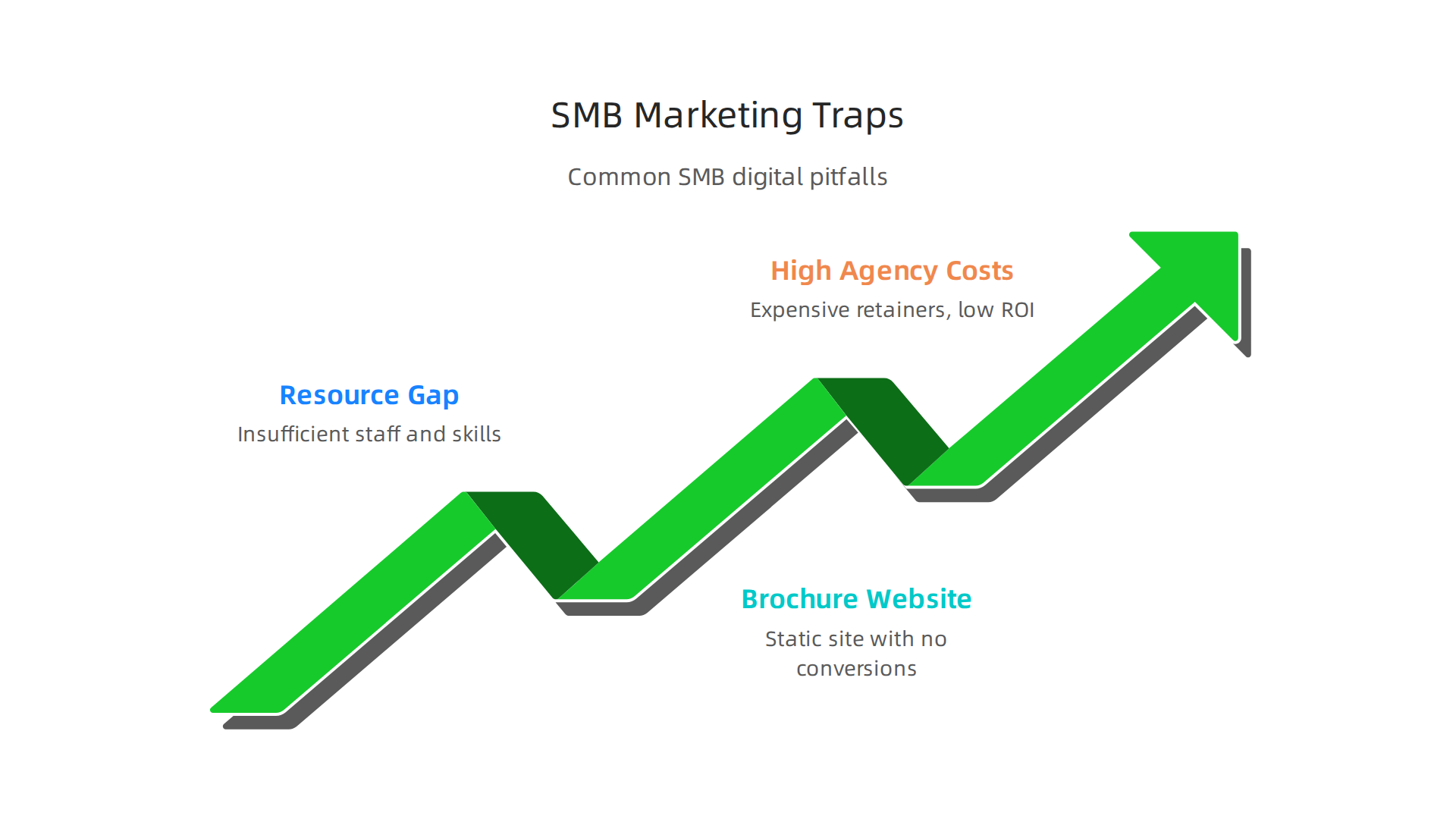
You have probably felt the frustration. You post on Facebook, run a few Google ads, and maybe send out a newsletter. But the results never match your effort. Why? Most small to mid-size businesses fall into the same three traps.
Once you see them clearly, you can finally build an internet strategy marketing that actually works.
Trap #1: Internal resource gaps
The biggest problem is not bad intentions. It is a lack of time, expertise, and dedicated people.

In 2026, a survey found that 83% of small businesses say customer referrals are their best source for new customers. That number jumped from 65% the year before. When you rely on word of mouth, it often means your digital engine is stalled. You do not have someone on your team who can focus on SEO, social media, or email campaigns every day. So those tasks get pushed to the bottom of the pile. Without a clear marketing plan that works with your available resources, you end up spinning your wheels.
Trap #2: The ‘pretty brochure’ website that does not convert
Many small business websites look great. They have beautiful photos and a clean layout. But they act like a digital brochure instead of a lead machine. Visitors come, look around, and leave without taking action. In fact, a 2026 report shows that while 69% of SMBs say their website is a significant source of leads, that still leaves nearly one in three who are not seeing results. The problem is often a missing conversion path. Your site might not have clear calls to action, fast load times, or simple contact forms. To fix this, you need to shift from a brochure mindset to a conversion mindset. Check out this guide on how to make your small business website convert visitors to customers for practical steps you can take today.
Trap #3: High agency costs with little transparency
Traditional marketing agencies often ask for big upfront payments. They promise the world but give you little visibility on where your money goes. This is a huge barrier for SMBs with limited budgets. A better way exists: predictable subscription models. Instead of paying thousands upfront for a website redesign or a six month SEO campaign, you can get ongoing support for a flat monthly fee. That is exactly the model services like Weblish use. You get a senior team that handles web design, development, SEO, and social media without the agency chaos. No surprise bills, no hidden costs.
So what is the fix?
You need an strategy of internet marketing that plugs these three gaps. Build a realistic plan around your team’s capacity. Turn your website into a conversion tool. And choose an affordable, transparent partner who treats your business like a priority.
Ready to stop failing and start growing? Start your FREE Trial and connect your website with Weblish to grow your traffic with AI driven strategy.
The Core Components of a Winning Internet Marketing Strategy
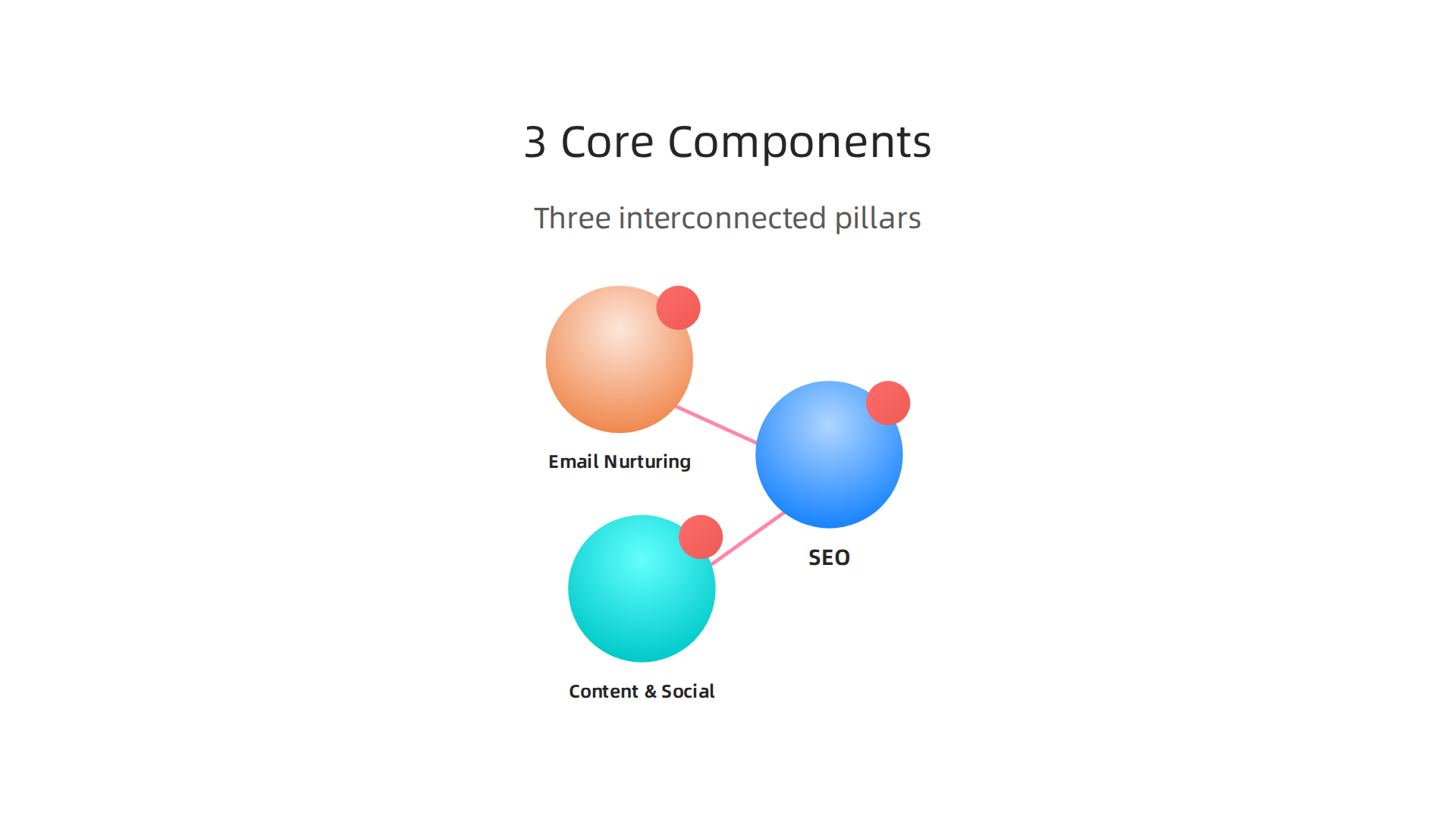
Now that you know why most efforts fail, it is time to build something that actually works. A strong internet strategy marketing plan does not need to be complicated. It just needs three core pieces that work together like a well oiled machine.
Get these right, and your marketing plan will start pulling in leads while you sleep.
1. SEO — Organic Visibility That Compounds Over Time
Search engine optimization is the long game that keeps paying back. Unlike paid ads that stop the moment you pause spending, SEO builds momentum. In 2026, SEO drives 53% of all website traffic, according to Colorlib’s digital marketing statistics. That is more than half your potential visitors coming without you paying per click.
For small businesses, local SEO is especially powerful. When someone searches "plumber near me" or "best coffee shop in town," you want to be the first name they see. The trick is to optimize your Google Business Profile, use local keywords on your site, and earn reviews from happy customers. Over time, these small actions stack up. Your website becomes a lead magnet that works 24/7.
If you are not sure where to start, check out this guide on SEO best practices for small businesses for a step by step plan.
2. Content Marketing and Social Media Alignment
Content is what builds your authority. Think blog posts, videos, infographics, and social media updates. When you create useful content, people start trusting you. In fact, 74% of marketers say content marketing helps with demand generation, as reported by Salesgenie’s content marketing statistics. That trust turns into leads.
But content alone is not enough. You need social media to spread it. Facebook remains the most popular platform for small businesses, used regularly by 83% of them, according to Revenue Memo’s 2026 marketing statistics. Post your content there, engage with comments, and share behind the scenes moments. The goal is to drive people back to your website where they can take action.
A smart strategy of internet marketing connects your blog posts to your social channels. Every piece of content should have a clear next step: sign up for a newsletter, download a guide, or book a call. For more ideas on social media lead generation, read our guide on Instagram marketing for small businesses.
3. Email Nurturing and Automation for High-Conversion Follow Ups
Here is the truth: most people will not buy from you the first time they visit your site. They need to see your name a few times before they trust you. Email nurturing is how you stay top of mind without being annoying.
Set up an automated email sequence. When someone signs up for your newsletter or downloads a free resource, send them a series of helpful emails over the next few weeks. Share tips, case studies, and offers. This builds a relationship over time. Email marketing delivers one of the highest ROIs of any channel, and automation makes it easy to run on autopilot.
A well designed drip campaign can turn cold leads into paying customers. Learn exactly how to set one up with our step by step guide on building a drip marketing campaign that converts.
How to Bring It All Together
These three components form the backbone of any winning digital marketing strategies for businesses. SEO brings in the traffic. Content and social media build trust. Email nurturing closes the deal.

When you run all three together, you get a system that works without you having to hustle every day.
The hard part is managing everything at once. That is where the right internet marketing tools come in. Services like Weblish handle all three pillars for you. They build your SEO foundation, create content, manage your social media, and set up email automation. All for a predictable monthly price. No surprise bills. No agency chaos.
Stop juggling tasks alone. Start your FREE trial today and see how easy it is to turn your website into a lead generation engine.
How to Audit Your Current Digital Presence for Lead Generation Gaps
You just learned the three core parts of a winning plan: SEO, content marketing, and email nurturing. Now it is time to look at your own website and find the weak spots.
Most business owners do not know why their site is not working. They hope leads will come. But hope is not a plan.
A good audit finds the gaps. Think of it as checking for leaks in a bucket. You might get lots of traffic but lose people on a slow loading page. Or you might have great blog posts that no one ever sees. Let’s walk through three simple checks you can do this week.
1. Website UX and CRO Audit (Find Conversion Barriers)
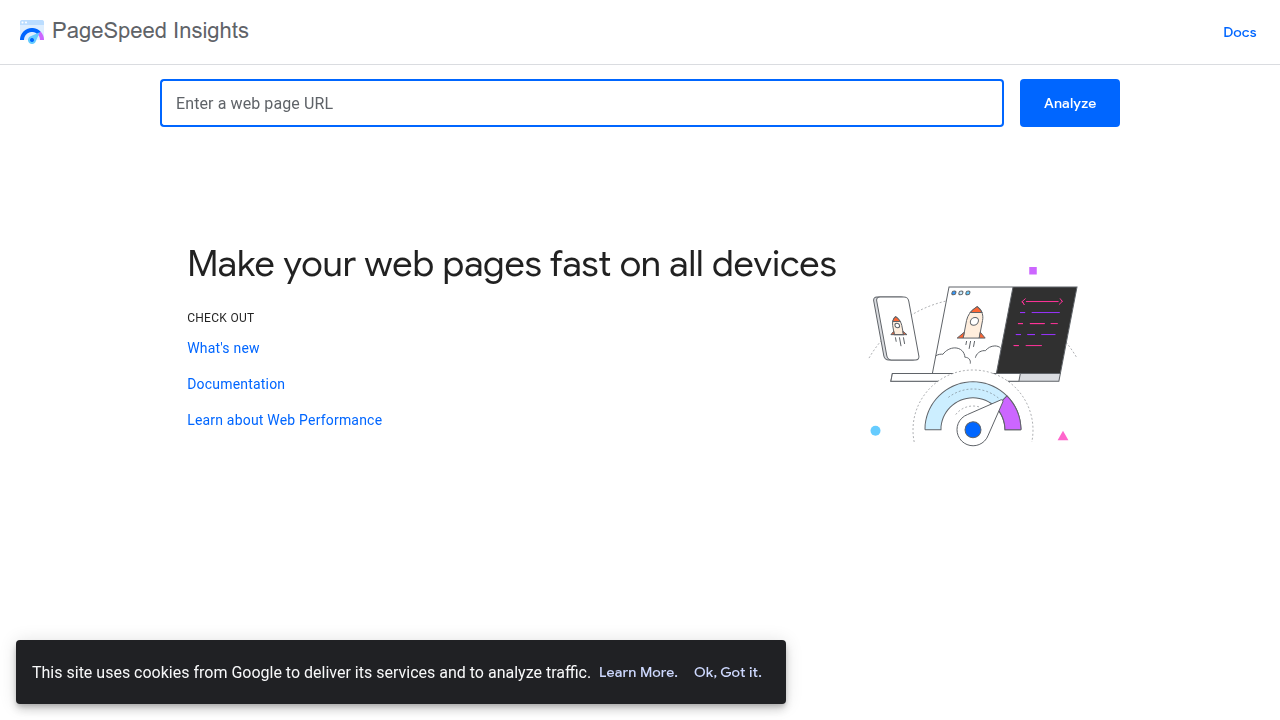
Your website must be fast and easy to use. A slow site drives people away in seconds. Use Google’s PageSpeed Insights to test your speed.
Next, look at your main buttons and forms. Do visitors know exactly what to do next? Click through your own site like a brand new customer. If you get confused or stuck, your visitors will too.
For a full walkthrough on fixing these issues, read our guide on how to make your small business website convert visitors to customers.
2. SEO Health Check (Traffic and Visibility)
Can people find you on Google? Start by checking your rankings for your most important keywords. Then look for technical problems like broken links, slow pages, or missing titles.
A strong SEO base is non negotiable for any good internet strategy marketing plan. The SEO Best Practices for a Small Business 2026 Guide is a great resource for this step.
Also, do not forget your Google Business Profile. Make sure your hours, address, and photos are up to date. Local SEO is a huge driver of leads for small businesses in 2026.
3. Social Media and Email Performance Check
Having lots of followers is nice. But real engagement matters more. Look at your last ten posts. Are people commenting or sharing? If not, try new types of content like videos or polls.
Next, check your email stats. If people sign up but never open your emails, your subject lines need work. A good open rate goal is 20% or higher.
Most people need to hear from you five to seven times before they buy. That is why automated email sequences are so powerful. They send the right message at the right time without you thinking about it. A well planned email sequence is a key part of any effective marketing plan for 2026.
Learn exactly how to set this up with our guide on building a drip marketing campaign that converts.
Fix the Gaps and Get More Leads
Once you find your biggest leaks, you need a plan to fix them. But doing all this alone is hard. You need the right internet marketing tools to keep everything running.
That is why many small business owners turn to Weblish. Weblish handles your SEO, content, social media, and email automation for you. You get a full marketing team without the high price or the headache.
Stop guessing and start growing. Start your FREE trial today and turn your website into a real lead generation engine.
Building a Data-Driven Internet Marketing Plan
You have found the leaks. Now it is time to build a plan that actually fills your pipeline.
Here is the truth. Most small businesses throw money at random tactics. They run a Facebook ad here. They write a blog post there. They hope something sticks. But a good strategy of internet marketing is built on data, not guesses.
A complete marketing plan turns your audit findings into a clear roadmap. One that leads directly to revenue. Let me show you how to build yours in three steps.
Step 1: Set SMART Goals That Tie to Actual Revenue
Your goal should not be "get more leads." That is too vague. A good goal is specific, measurable, achievable, relevant, and time bound.
Here is an example. Instead of "grow email list," say "increase email subscribers by 25 percent in the next 90 days through a new lead magnet on the homepage."
This goal ties directly to revenue. More subscribers means more people in your nurture sequence. More nurture means more sales. A well built digital marketing strategies for businesses framework always starts with this kind of clear target.
For more on goal setting, check out this step-by-step guide to a marketing strategy. It walks you through the full process.
Step 2: Allocate Your Budget Based on Real Data
You only have so much time and money. Spend it where it works best.
Look at your audit data from earlier. Which channel brought in the most leads last quarter? Put more budget there. Which channel cost the most per lead? Cut it or fix it.
A simple rule for 2026 is to split your budget like this:
- 40 percent on proven channels (SEO, email, paid search)
- 30 percent on content that builds authority (blog posts, videos, guides)
- 20 percent on testing new channels (social ads, influencer partnerships)
- 10 percent on tools and software
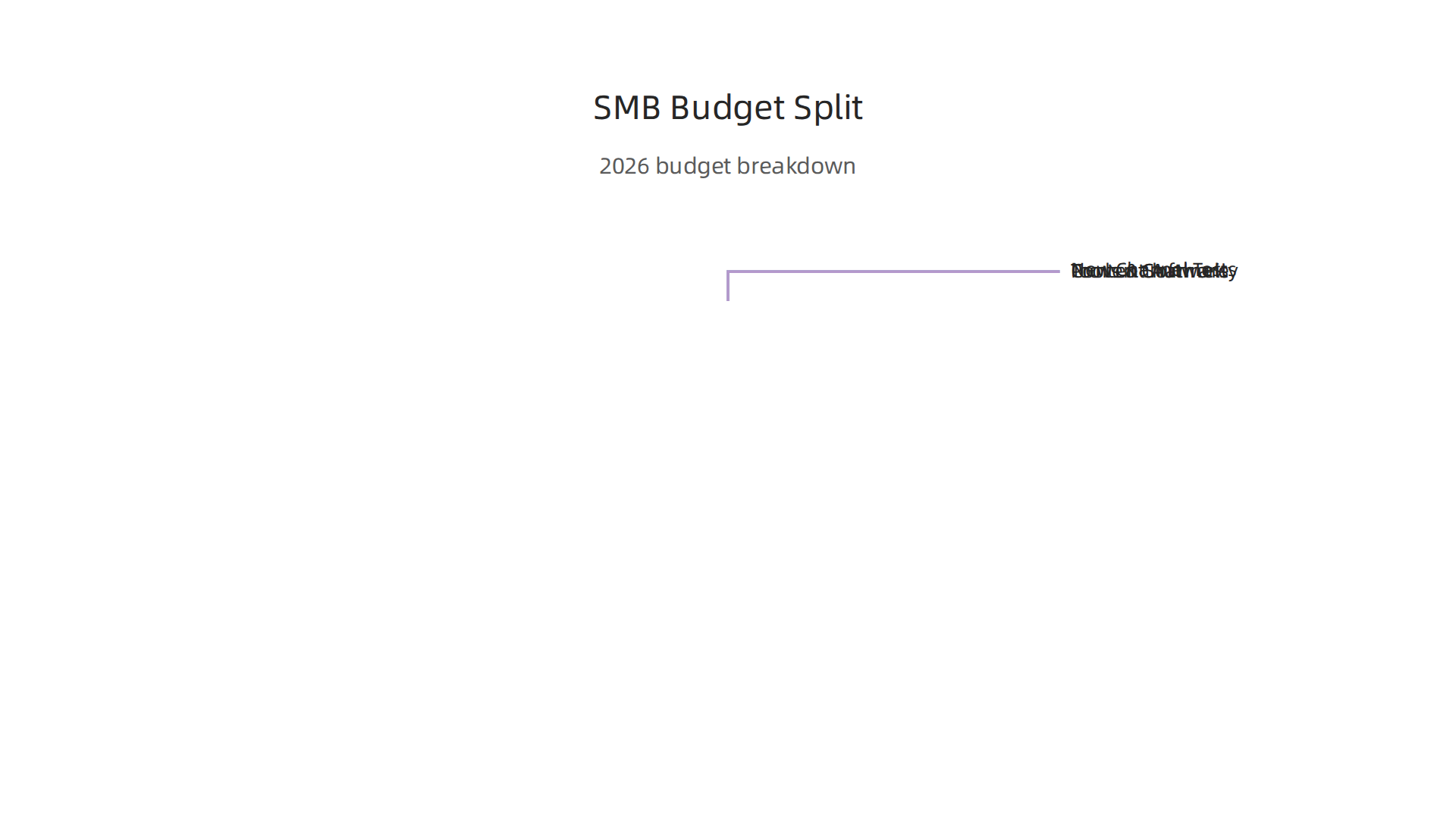
This balanced approach comes from the small business marketing strategy complete guide for 2026. It helps you avoid putting all your eggs in one shaky basket.
And remember, the right internet marketing tools make your budget go further. Automation tools save hours every week. Analytics tools show you exactly where every dollar goes.
Step 3: Create a Content Calendar and Campaign Roadmap
Consistency beats intensity every time. Publishing one good blog post every week is better than publishing ten posts in one month and then nothing for three months.
Your content calendar should include:
- Blog posts and articles
- Social media posts
- Email newsletters
- Video content
- Lead magnets (free guides, checklists, templates)

Plan at least one month ahead. Block out time for writing, designing, and publishing. Stick to the schedule no matter what.
When you pair a consistent calendar with automated email sequences, leads keep flowing even when you sleep. Learn how to create these sequences in our guide on building a drip marketing campaign that converts.
Data driven decisions, smart budgets, and consistent execution. That is what turns an average website into a lead generating machine.
Make Your Plan Happen Without the Overwhelm
You can do all this yourself. But it takes time, discipline, and the right tools. Most business owners simply do not have enough hours in the day.
That is why Weblish exists. We handle your SEO, content creation, social media, and email automation for one predictable monthly price. No hidden fees. No agency chaos. Just a clear plan that drives real results.
Stop planning and start growing. Start your FREE Trial today and let our team turn your website into a consistent lead generation engine.
Choosing the Right Tools and Partners for SMB Growth
So you have a solid internet strategy marketing plan. Now comes a big question: who is going to help you execute it?
You have two paths. Build a tech stack yourself. Or hire a partner to handle it for you. Both work. But the right choice depends on your time, budget, and skill level.
Let me break down what you need to know.
All-in-One Platform vs. Best-of-Breed Stack
This is the classic debate. An all-in-one platform like HubSpot keeps everything in one place. That is easy. You log in once and manage email, CRM, and analytics. But these platforms get expensive fast.
A best-of-breed stack means picking the best tool for each job. You use one tool for email, another for SEO, and another for social media. The upside is flexibility. The downside is connecting everything yourself.
Here is a simple comparison:
| Factor | All-in-One Platform | Best-of-Breed Stack |
|---|---|---|
| Ease of use | High. One login. | Lower. Multiple logins. |
| Cost | Higher monthly price. | Lower cost per tool. |
| Flexibility | Limited to what they offer. | Unlimited. Choose what fits. |
| Integration | Built in. | Requires setup or middleware. |
Most small businesses start with a best-of-breed approach because it is cheaper. You can find an affordable combination of tools by checking out this guide to digital marketing tools for small businesses. For specific recommendations on tools that simplify your workflows, the Birdeye roundup of top marketing tools for 2026 is a great resource.
Criteria for Selecting an Agency
Maybe you prefer to hand the work off. That is smart if you lack time or expertise. But not every agency delivers.
Look for three things:
- Transparency. They should show you monthly reports with real numbers. No fluff.
- Pricing that makes sense. Avoid agencies with hidden fees or long contracts. Affordable digital marketing services exist. This review of affordable options in 2026 can help you spot the good ones.
- Proven expertise. Ask for case studies. Look for results in your industry.
If you are considering a specialized agency, like one for TikTok or SEO, our guide on how to pick a TikTok marketing agency will help you ask the right questions.
In-House vs. Outsourced: The Real Tradeoff
Hiring in-house gives you full control. But it is expensive. A single marketing hire costs $50,000 to $80,000 per year in salary plus benefits.
Outsourcing to a service like Weblish gives you a full team for one predictable monthly price. You get SEO specialists, content writers, and social media managers without the payroll headache.
The tradeoff is simple. If you have a small budget and need results fast, outsource. If you have the revenue and want deep control, build in-house.
Either way, you need the right tools. Free options like Google Search Console are essential for any internet strategy marketing plan. This list of free marketing tools shows you which ones actually deliver value.
And if you plan to track performance across channels, performance marketing tools help you see what works. Check out this roundup of digital marketing tools for performance marketers to build your stack.
Make the Right Choice Today
You do not have to figure this out alone. The best move is to match your decision to your current resources. Start small. Add tools as you grow. And when you need a full team without the overhead, we are here.
Start your FREE Trial and let our team turn your marketing plan into real leads.
Implementation Roadmap: 90-Day Plan to Launch Your Strategy
You have your plan and your tools. Now it is time to put everything into action. This 90-day roadmap will help you launch your internet strategy marketing without feeling overwhelmed. Break it down month by month.
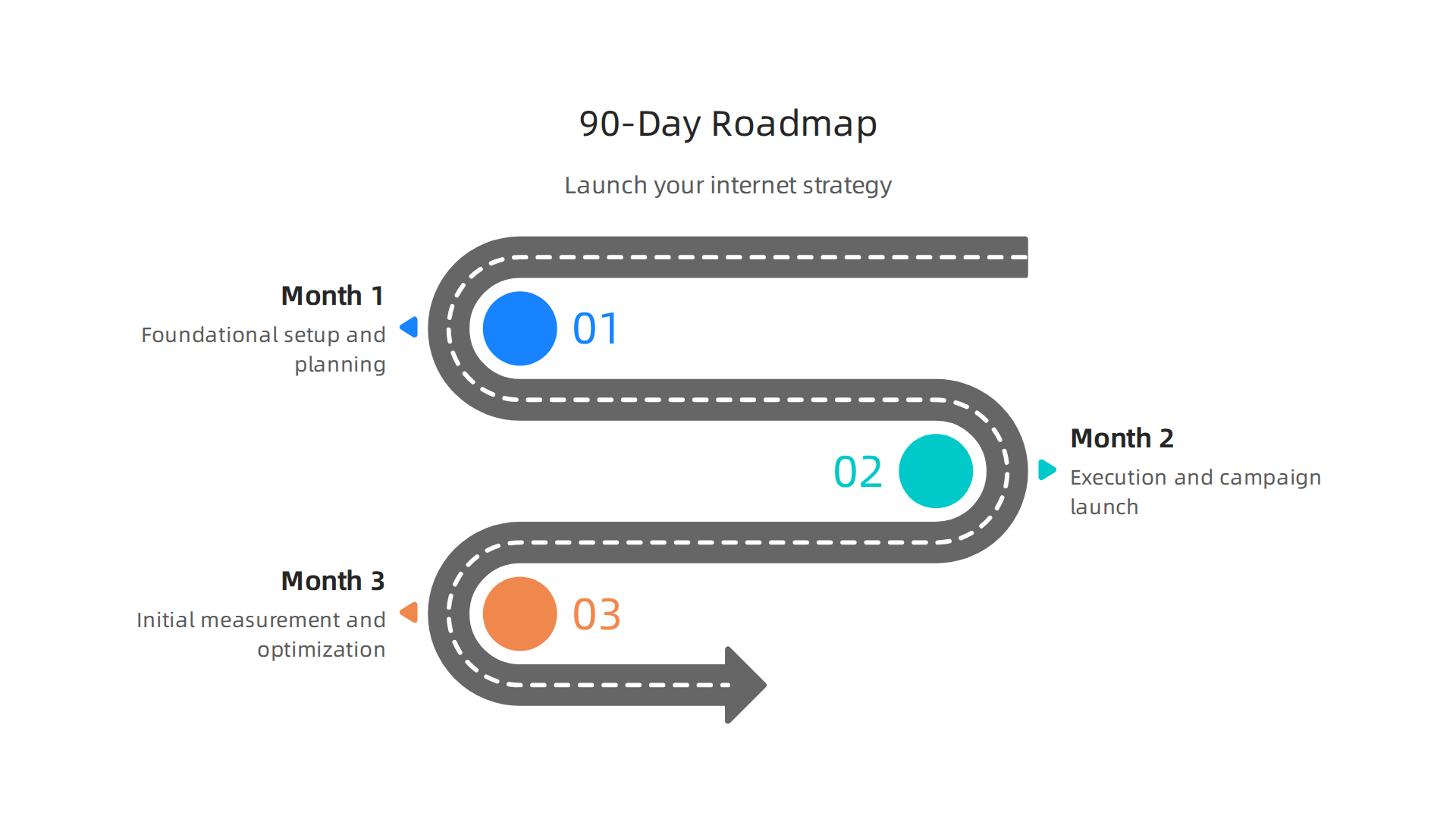
Each step builds on the last.
Month 1: Foundation (Days 1-30)
Start with a full audit of your current marketing. Check your website speed, mobile experience, and SEO health. Free tools like Google Search Console are essential here. A 2026 guide on small business marketing tools calls Google Search Console the best free option for tracking performance source. Fix broken links, improve page load times, and claim your Google Business Profile. These quick wins build momentum fast.
Now set up your core internet marketing tools. Connect your CRM and email platform. If you chose a best-of-breed stack, get those integrations working. Begin tracking key metrics like traffic and bounce rate. This month is about building a solid base. Do not skip the foundation. It makes everything later easier.
Month 2: Execution (Days 31-60)
Time to create content that matches your marketing plan. Write blog posts, record short videos, and design social graphics. Use your keyword research to guide topics. Launch your first SEO campaigns by optimizing pages for your core terms. Also start an email sequence to nurture leads. For help with email, check out this guide on building a drip marketing campaign that converts. Consistency matters more than perfection here. Post weekly. Send emails biweekly. Keep moving.
Month 3: Measurement (Days 61-90)
This month is about checking your results. Review your KPIs: website traffic, conversion rates, email open rates, and cost per lead. Use your analytics tools to see what worked and what did not. Adjust your digital marketing strategies for businesses based on real data. Scale the tactics that drive results. Drop the ones that do not. This is where your strategy of internet marketing becomes a living plan that improves over time.
If running this roadmap feels like too much on your own, you are not alone. Many small business owners use a done-for-you service to handle execution. Weblish provides a full team for a predictable monthly fee. They cover everything from SEO to content creation, so you do not have to hire multiple freelancers.
Ready to launch your internet strategy marketing in 2026?
Get Started for FREE and let our team execute your 90-day plan while you focus on your business.
Measuring Success and Iterating: Ongoing Optimization
The 90-day plan got you started. Now the real work begins. Your internet strategy marketing is not something you set and forget. It needs regular checkups and small fixes. This is where you turn good results into great ones over time.
The Three Numbers That Matter
Not all data is useful. Focus on these key metrics.
Lead conversion rate. This tells you how many visitors actually become leads and then customers. In 2026, a healthy rate usually falls between 1.5% and 5% for most industries source. But it varies a lot by sector. Home services businesses average around 7.8% source. B2B companies average closer to 2.9% source. Find your industry benchmark so you know what to aim for.
Customer acquisition cost (CAC). Divide your total marketing spend by the number of new customers you gained. If you spent $1,000 and got five customers, your CAC is $200. Track this monthly. If it climbs, something in your marketing plan needs attention.
Return on investment (ROI). The simple question is: are you making more than you spend? If your digital marketing strategies for businesses cost $2,000 and bring in $8,000 in revenue, that is a strong 300% ROI.
Tools for Tracking Performance
You already have good internet marketing tools to track these numbers. Google Analytics 4 and Google Search Console are free and powerful. Your CRM shows where leads come from. The trick is actually looking at the data every week, not just collecting it. If you want to take tracking further, learn how to make your small business website convert visitors to customers with focused measurement habits.
The Test-and-Improve Cycle
Here is the secret that separates average marketing from great marketing. You test one thing at a time, see what works, and keep the winner.
Try this simple loop:
- Pick one element to test. A headline, a button color, or an email subject line.
- Show version A to half your audience and version B to the other half.
- Run the test for at least one week. Do not stop early.
- Compare results. Which version had a higher conversion rate?
- Use the winner. Then test something new.
Enterprise companies average about 3.17% conversion rates, but top performers hit 5.31% or higher source source. That gap comes from continuous testing and small improvements adding up over months.
This same approach works across channels. For your email marketing, apply the test-and-fix cycle to subject lines and offers.
Make Optimization a Weekly Habit
Block 30 minutes every week for metric review and one small test. Put it on your calendar. Over time, these tiny tweaks create big results.
If you would rather have a team handle this for you, Weblish includes ongoing optimization as part of their service. They track your metrics, run A/B tests, and make improvements every month so you do not have to.
Ready to keep improving your strategy of internet marketing without the daily effort?
Get Started for FREE and let our team optimize your results while you focus on your customers.
Summary
This article shows small and mid-size businesses how to turn a passive website into a predictable lead-generation engine by using a practical internet marketing strategy. It explains why many SMB efforts fail—lack of resources, brochure-style sites, and expensive opaque agencies—and presents a three-part framework: SEO for organic reach, aligned content plus social to build trust, and automated email nurturing to convert visitors. You’ll also learn how to audit your current presence, set SMART goals, allocate budget with a simple rule-of-thumb, and run a 90-day implementation roadmap. The guide compares tool and partner choices (all-in-one vs best-of-breed, in-house vs outsourced) and emphasizes measurement with three key metrics: conversion rate, CAC, and ROI. Finally, it lays out a weekly test-and-improve habit so small changes compound into meaningful growth. After reading, you’ll know where your biggest leaks are and have a clear, data-driven plan to fix them.