
Why Alternative Search Engines for Small Businesses Matter More Than Ever
This article explains why small and mid-sized businesses should stop depending solely on Google and start diversifying across alternative search engines. It rev…


Introduction: Why One Search Engine Isn’t Enough for Your SMB
Imagine you own a small coffee shop. You spend all your time and money advertising on one radio station. Then the station changes its format, stops playing music your customers love, and your sales drop overnight. That is exactly what happens when your small business depends on a single search engine for traffic.
Google still runs the show. In early 2026 it holds about 89.3% of the global search market, according to the Global Search Engine Market Share report. But here is the thing: that number has been slipping. Google’s share dropped roughly 1.5 percentage points year over year, the biggest single-year slide since 2009. The lost traffic is moving to Bing, AI search tools, and privacy-focused engines like DuckDuckGo.
If your website only shows up on Google, you are missing out on real customers who use other platforms. And those platforms offer unique advantages. Bing is stronger on desktop and inside Microsoft tools. DuckDuckGo attracts users who care about privacy. Niche search engines like 13377x, Dogpile, and even Chinese search engines such as Baidu reach audiences Google barely touches.
For a small business, this is a huge opportunity. Less competition means your ads and organic listings can stand out more easily.

Different search engines attract different demographics. For example, Bing users tend to have higher household incomes. DuckDuckGo users are more likely to click ads because they trust the results.
So what should you do? Start treating search engines like a diversified investment portfolio. You still want Google traffic, but you also need to optimize for Bing, DuckDuckGo, and any other platform your customers might use. That is where understanding what search engine marketing means for small business success becomes critical.
The good news is you don’t have to figure this out alone. A service like Weblish can help build and manage your online presence across multiple search engines, so you reach every potential customer no matter where they search. And with the right strategy, you can turn these alternative search engines into steady lead machines.
Grow Your Traffic on Autopilot by connecting your website with Weblish and letting AI do the heavy lifting.
Why Relying on a Single Search Engine Is a Growth Risk
Here is the hard truth about depending on Google alone. One bad algorithm update and your traffic can vanish overnight.
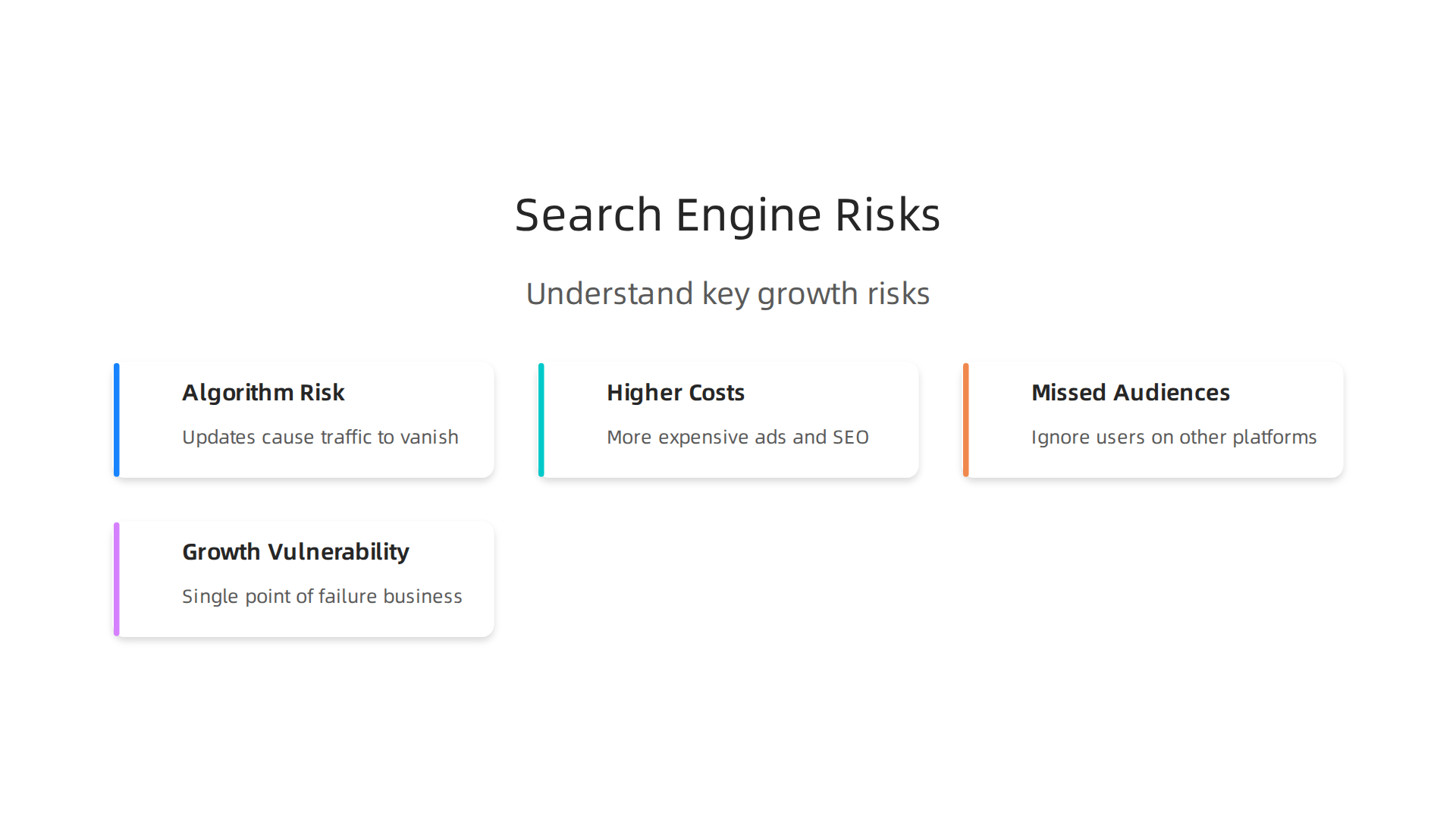
Google’s core updates are notorious for shaking up rankings with no warning. When that happens, small businesses that put all their eggs in one basket feel the biggest blow. In 2026, Google’s global share dropped to its lowest level since 2014, and the migration to other platforms keeps accelerating. The 15 Best Google Alternatives in 2026 show that users are actively exploring Bing, DuckDuckGo, and AI-powered search tools.
Competing on Google also costs more every year. Small businesses have to spend heavily on ads and SEO just to stay visible. Meanwhile, other search engines offer cheaper ad clicks and less competition. For example, Bing Ads average cost per click is nearly half of Google’s, as shown in a data-driven comparison for small business lead generation. That price difference lets you stretch your marketing budget much further.
Beyond cost, different search engines attract different kinds of users. Bing users tend to have higher household incomes. DuckDuckGo users value privacy and click ads more often. Niche engines like the 13377x search engine (sometimes called the 1337x search engine) serve specific communities that Google barely reaches. Even the dogpile web search engine, which pulls results from multiple sources, appeals to users who want a broader set of answers. And a chinese search engine like Baidu dominates a massive market of over 50% of search traffic in China, an audience many Western businesses overlook entirely.
The real risk is not just losing traffic. It is missing out on high-intent buyers who are actively searching on platforms you ignore. These alternative engines often have lower competition, meaning your listings can rank higher with less effort. By spreading your presence across multiple search engines, you protect your business from sudden algorithm shifts and tap into fresh audiences looking for exactly what you offer.
If you want to understand how privacy-focused platforms can help your business, read more about why your business needs a private search engine in 2026. Diversifying your search engine strategy is no longer optional. It is a smart growth move that reduces risk and opens new doors.
Top Alternative Search Engine Platforms for SMBs in 2026
So, what search engines should your small business actually focus on? You don’t need to be on every single one. But adding a few smart alternatives to your strategy can protect your traffic and reach new customers.

Let us look at three platforms that work well for small and mid-sized businesses in 2026.
DuckDuckGo: Simple Privacy That Builds Trust
DuckDuckGo has become the go-to search engine for people who care about privacy. It does not track your searches or build a profile of who you are.
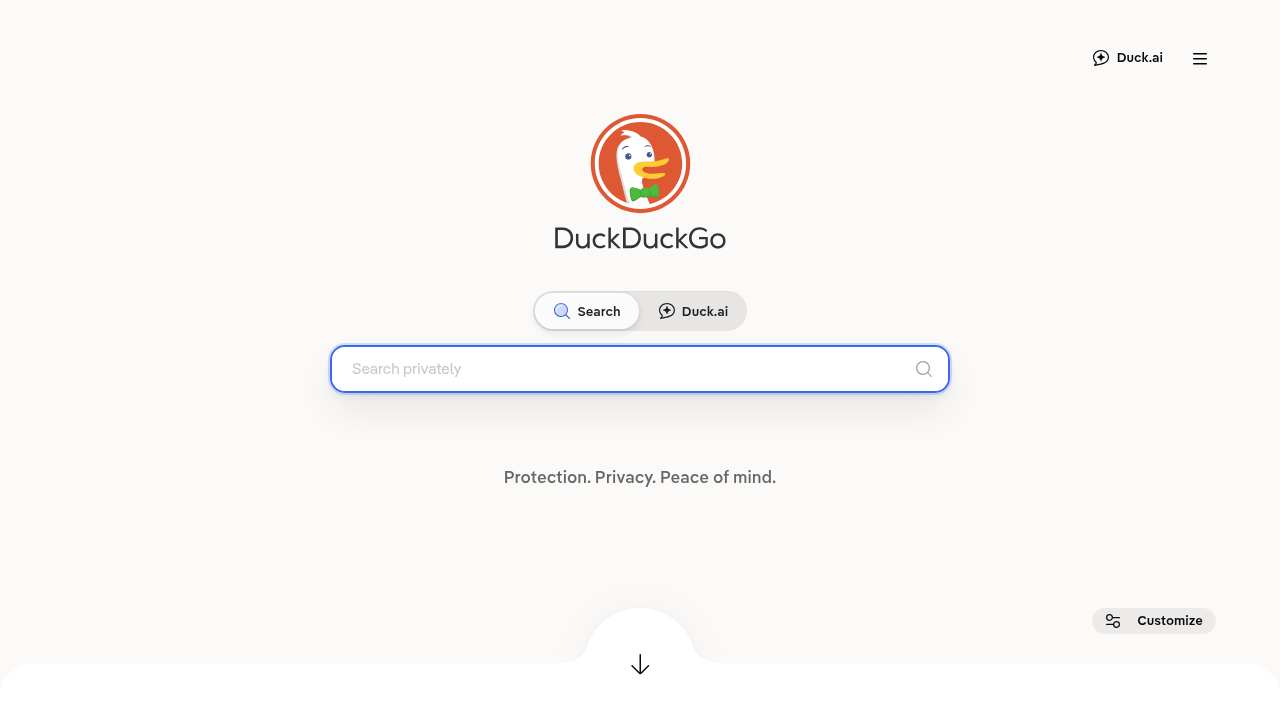
That is a big deal for users who are tired of being followed around by ads. In 2026, DuckDuckGo holds about 0.71% of the global search market, but its influence is bigger than that number suggests. The platform saw a spike in U.S. app installs after Google’s AI-heavy announcements, as noted in the Best Google Alternatives 2026 list.
For SMBs, DuckDuckGo offers a unique advantage. Its users tend to be more privacy-conscious and more likely to click on ads that respect their data. The search results are clean and free of AI clutter, which some customers find refreshing. If your business sells products or services that align with privacy values, DuckDuckGo is a natural fit. Plus, because competition is lower than on Google, your listings can rank higher with less effort.
Brave Search: Your Own Index with a Rewards Twist
Brave Search is different from most alternatives because it builds its own search index. It does not just borrow results from Google or Bing.
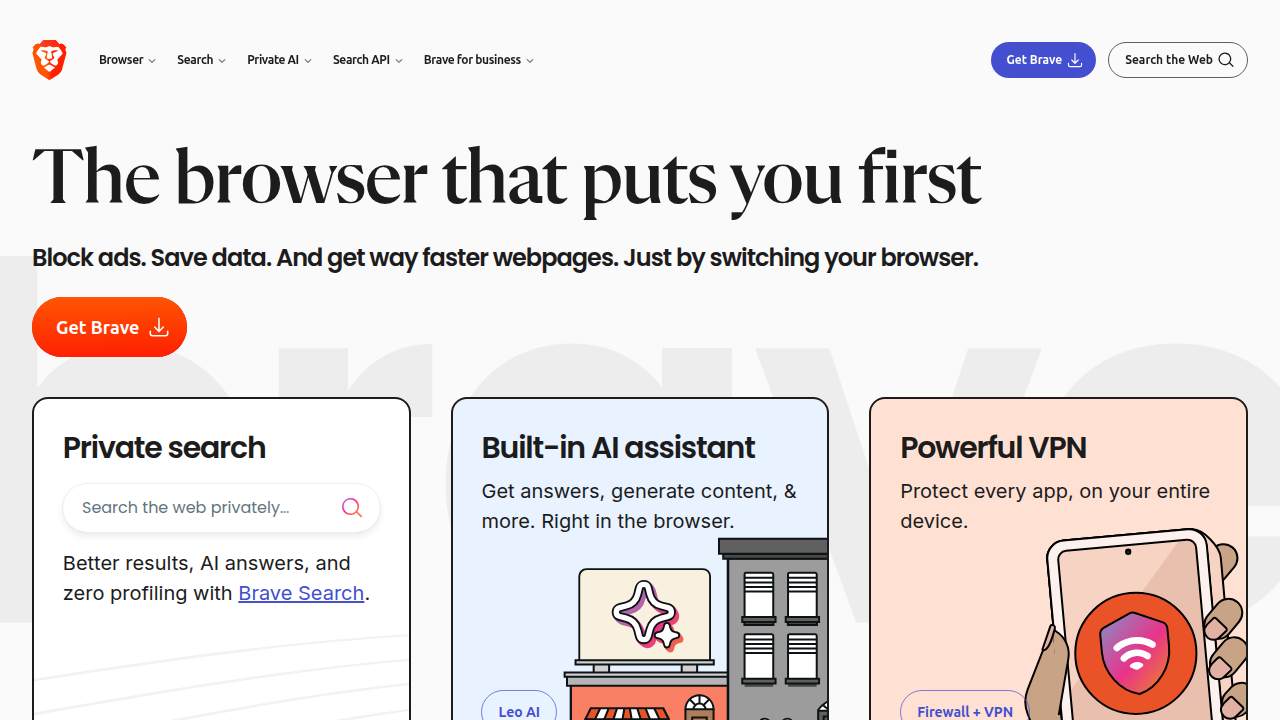
That means you get independent results without the biases of big tech. Brave also comes with a browser that blocks ads and trackers by default, which is nice for your own browsing but also signals to customers that you care about privacy.
Another interesting feature is Brave Rewards. Users can earn Basic Attention Tokens (BAT) by viewing privacy-respecting ads. As a business, you can create ads that pay users for their attention. This is a whole new model for reaching people. In 2026, Brave reported more than 109 million monthly active users, as shown in the 34 Most Popular Search Engines in 2026 report. That audience is growing fast and tends to be tech-savvy. For SMBs, Brave Search offers a chance to connect with early adopters who are actively looking for alternatives to Google.
Bing: The Desktop Powerhouse with Microsoft Integration
Do not overlook Bing. It is the second-largest search engine in the world, holding about 5% of the global market.
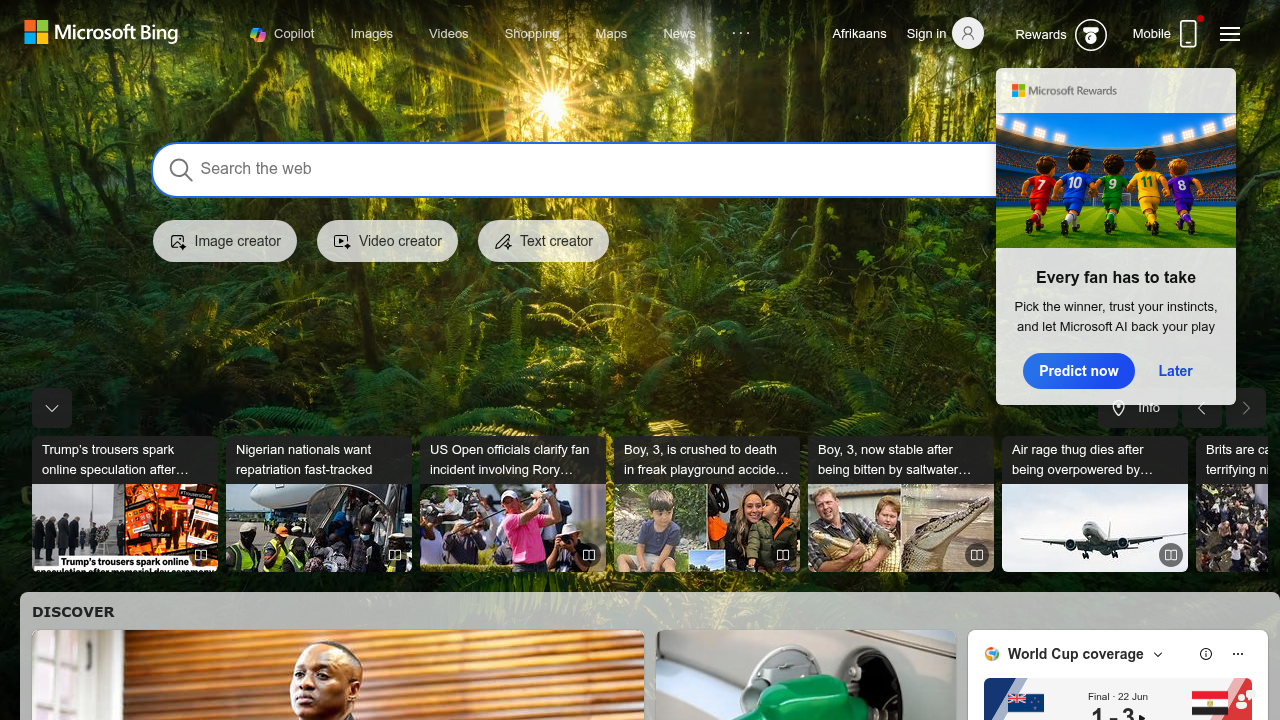
In the United States, Bing’s desktop share is over 10%, according to the Global Search Engine Market Share in the Top 15 GDP Nations report. That is a significant audience, especially for B2B businesses.
What makes Bing special for SMBs? It is deeply integrated into the Microsoft ecosystem. If your customers use Windows, Edge, or Office, they are likely using Bing without even thinking about it. Bing also powers Yahoo search and some other smaller engines, so your ads and listings can reach those audiences too. Bing Ads cost per click is often lower than Google’s, which stretches your marketing budget. And Bing’s Copilot integration in 2026 has boosted its share, making it a more attractive platform for businesses that want to be found by desktop users.
Where Do Niche Engines Like 13377x Fit In?
Beyond these three, there are specialized engines that serve very specific groups. For example, the 13377x search engine (often called the 1337x search engine) is popular among certain online communities. The dogpile web search engine pulls results from multiple sources, giving a broader view. And a chinese search engine like Baidu dominates a market of over 50% of search traffic in China. While these are not for every business, they show the diversity of search behavior in 2026. If your audience hangs out on these platforms, it is worth testing them.
How to Choose the Right Mix for Your Business
You do not need to be on every search engine. Start with the ones that match your audience. If you sell to privacy-minded consumers, start with DuckDuckGo. If your customers are tech enthusiasts or early adopters, try Brave Search. If you are in B2B or serve desktop users, Bing is a must.
Once you pick your platforms, make sure your website is optimized. Each search engine has its own rules for ranking. Consider working with experts who understand multi-platform search. If you want a simpler way to grow your online presence across multiple channels, Grow Your Traffic on Autopilot with a service that handles the heavy lifting for you.
The key takeaway? Diversifying your search engine strategy is not just about safety. It is about finding new customers who are not even looking on Google. Start small, test one or two alternatives, and watch your traffic grow from places you never expected.
How Alternative Search Engines Generate Quality Leads
So you know which alternative search engines exist. But do they actually help you get better leads? The answer is yes, and here is why.

Privacy Engines Attract Intentional Buyers
People who use DuckDuckGo and Brave Search do so because they care about their privacy. They have chosen to leave Google on purpose. That makes them more intentional shoppers. They are not blindly clicking on ads. Instead, they search with purpose. Studies show that website traffic from privacy-focused users often converts at higher rates because there is less noise. In 2026, the best search engine for small business lead generation often is one where the audience comes ready to buy. For example, DuckDuckGo ads have lower competition, which means your ad can stand out more to a qualified visitor.
Bing Brings in Higher-Value Clients
Bing users tend to be older and have higher household incomes. This makes Bing a goldmine for professional services like law, finance, and consulting. Bing also has lower cost per click than Google Ads. You can get more leads for less money. Many B2B businesses see higher conversion rates on Bing because the audience is more serious about making a purchase. If you offer a service that requires trust and a longer decision process, Bing is worth your time.
Brave’s Opt-In Ads Create Engaged Audiences
Brave Search has a unique model. Users can choose to see ads and earn Basic Attention Tokens in return. This means the people who view your ads are actually paying attention. They opted in. They are not annoyed by your message. For businesses that want to build a brand with a tech-savvy crowd, Brave offers a fresh way to connect. The engagement is higher because the audience is curious and willing to interact.
Niche Engines Serve Very Specific Leads
Do not forget the smaller players. The 13377x search engine (often called the 1337x search engine) is popular in certain communities. If your product targets that crowd, advertising there can yield very high conversion rates. Similarly, a chinese search engine like Baidu dominates a huge market. If you sell to Chinese consumers, Baidu is essential. And the dogpile web search engine pulls results from multiple sources, giving users a broader view. For some industries, being found on Dogpile can bring in extra traffic with little effort.
These niche engines may have smaller audiences, but those audiences are highly targeted. A small, engaged group often beats a large, distracted one.
Matching Your Strategy to Intent
The lesson is simple. Alternative search engines do not just protect you from Google changes. They bring in better quality leads because the people using them are more focused. Privacy users are intentional. Bing users are ready to buy. Brave users are engaged. Niche engine users are deeply interested.
To get the most out of these platforms, you need to optimize your website for each one. Every engine ranks pages differently. If you want to learn more about turning visitors into customers, check out this guide on turning visitors into leads for small businesses.
Start testing one alternative engine this month. Watch the quality of your leads improve, not just the quantity.
Integrating Alternative Search Engines into Your Digital Strategy
Once you start seeing results from one alternative engine, it is time to broaden your approach. Integrating multiple alternative search engines into your digital strategy takes a bit more planning, but the payoff is real.

Here is how to do it the right way.
Adapt Your Content, Meta Tags, and Backlinks
Every search engine ranks pages a little differently. What works on Google may not work on DuckDuckGo or Bing. The key is to think about each engine’s audience and ranking signals. For example, privacy-focused engines like Brave may favor pages with fewer trackers and faster load times. Niche engines like the 13377x search engine look for content that matches the specific interests of their community.
This does not mean you need ten different websites. Instead, you need to adapt your approach. Start with solid on-page SEO basics: clear titles, well-written meta descriptions, and proper header tags. Then build backlinks that appear on sites those engines trust. A core principle of 2026 SEO is treating Google as one discovery surface among many, according to the industry standards in the SEO Best Practices in 2026 guide. Apply that same thinking to every engine you target.
Use Social Media and Email to Amplify Visibility
Alternative search engines often pull signals from social media and email engagement. Sharing your content on platforms like LinkedIn, X, and even niche forums can help lesser-known engines find and rank your pages faster. Email newsletters also matter. When subscribers click through from your email to a page, that activity signals to engines like Bing and DuckDuckGo that your content is valuable.
If you are already building an email list, send regular updates with links to your best articles. The more your content gets shared and clicked, the more likely alternative engines will surface it in their results. For a deeper look at how to build a full marketing system that works across platforms, check out this guide on what search engine marketing means for small business success.
Let Tools Unify Your Tracking and Automate Optimizations
Managing multiple engines on your own can feel overwhelming. That is where a growth platform like Weblish comes in. It helps you track traffic from all your sources in one place, so you can see which engine sends the best leads. You can also automate small optimizations without needing a developer.
Here is the best part. When your strategy covers multiple engines, you do not have to do everything manually. Grow Your Traffic on Autopilot and let the system handle the repetitive work while you focus on creating content that speaks to each unique audience.
Start small. Pick one new engine to optimize for this quarter. Adapt your meta tags, share your content on social media, and track your results. Over time, your presence across alternative search engines will build a steady stream of high-quality leads that no single algorithm can take away.
Measuring Success: KPIs for Multi‑Engine SEO
You cannot improve what you do not measure. When you optimize for multiple search engines at the same time, you need clear numbers that tell you what is working.
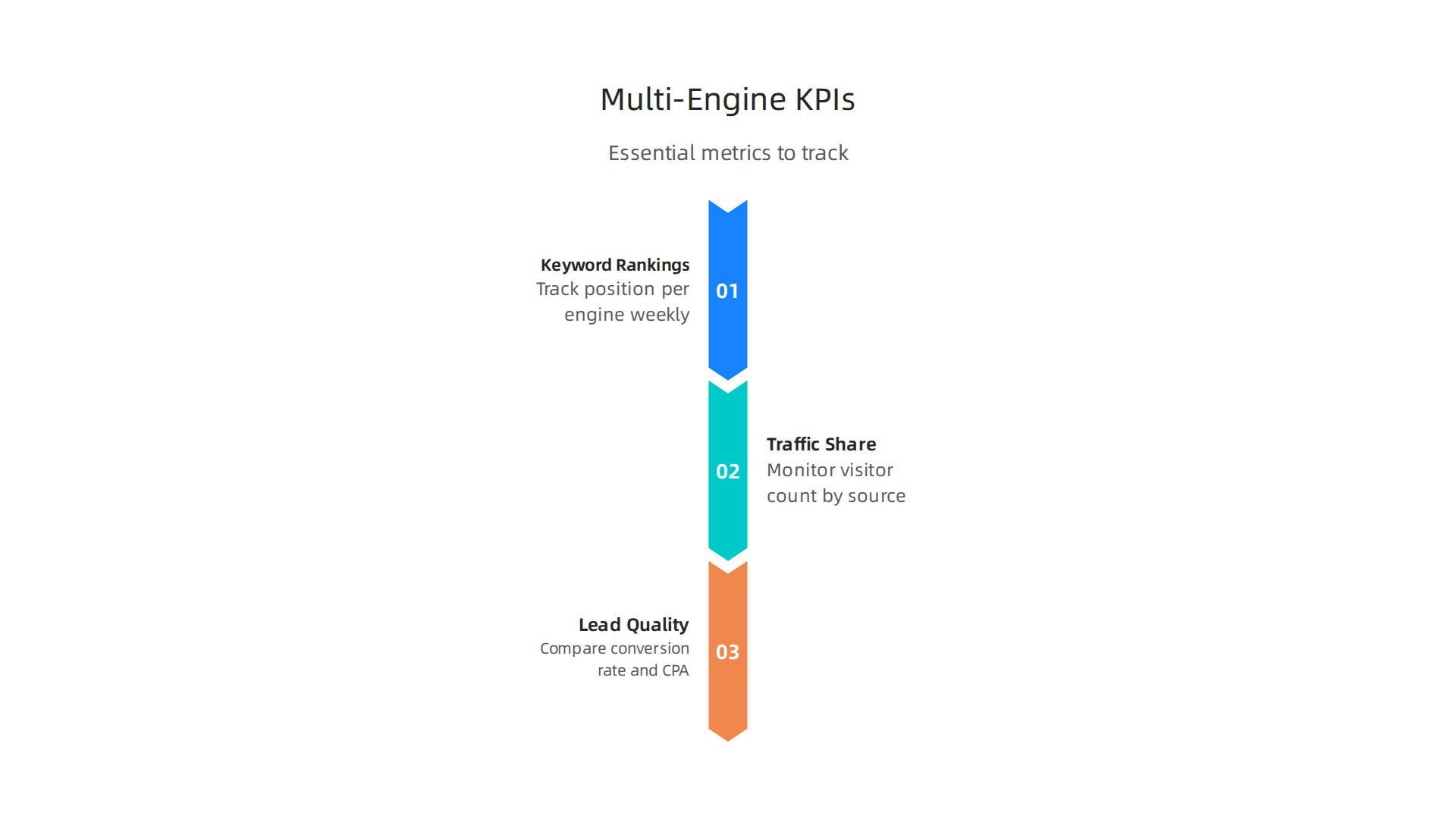
Here are the three most important KPIs to watch.
Track Keyword Rankings Per Engine
Your page might rank at position 3 on Google but position 8 on Bing. That same page could show up at position 2 on DuckDuckGo or rank well on a niche engine like the 13377x search engine. You need to track each search engine on its own because the rankings are rarely the same.
Use a rank tracking tool that supports multiple engines and check your positions at least once a week. Look for movement over time. If your rank improves on two engines but drops on a third, you know exactly where to adjust your meta tags or backlink strategy. Small changes per engine can add up to big wins across your whole funnel.
Watch Your Traffic Share by Source
Your total visitor count tells part of the story. Your traffic share by search engine tells a more useful one. In 2026, Google still dominates, but its lead is narrowing. According to the latest search engine market share data for 2026, Google’s global share dropped to roughly 89.3% while engines like Bing and AI search tools picked up the slack.
If you see your traffic from Bing going up while your Google traffic stays flat, that is a win. It means your multi-engine strategy is working. Track this data every month and compare it to the optimization changes you made. Did that new page title improve your DuckDuckGo traffic? Did that backlink from a niche forum boost your position on a specialized engine? The numbers will tell you.
Compare Lead Quality Across Engines
Traffic is great. Leads are better. The real question is which engine sends you visitors who actually convert. Track your conversion rate and cost per acquisition for each engine separately.
Here is a truth many marketers miss. A high-traffic engine with a low conversion rate can waste your time. A smaller engine with a high conversion rate is a goldmine worth doubling down on. For example, referral traffic from trusted sources often converts at much higher rates than cold search clicks. The 2026 website conversion rate statistics show that top performers reach conversion rates above 11% while the average sits around 2.35%. Know which bucket each engine puts you in.
Put It All Together in One Place
The easiest way to stay on top of all these numbers is to pull them into a single dashboard. That way you can see keyword positions, traffic share, and conversion data side by side.

When your data lives in one place, you spot trends faster and make smarter decisions.
You can also automate your SEO reports using tools that pull data from multiple engines at once. That saves you hours of manual work every week and keeps your strategy moving forward.
Summary
This article explains why small and mid-sized businesses should stop depending solely on Google and start diversifying across alternative search engines. It reviews the risks of a single‑engine strategy—like sudden algorithm drops and rising ad costs—then profiles practical alternatives such as DuckDuckGo, Brave Search, and Bing, plus niche and international engines. You’ll learn which platforms attract specific buyer types (privacy‑minded, desktop professionals, tech early adopters), how to choose the right mix for your audience, and how alternative engines can deliver higher‑quality leads at lower cost. The guide also covers actionable tactics for adapting content and meta tags, amplifying visibility with social and email, unifying tracking, and the key KPIs to measure per engine. After reading, you’ll know how to test one new engine this quarter, optimize for it, and measure results so your traffic and leads become more resilient and cost‑effective.