Hire a Freelance Graphic Designer to Transform Your Website Into a Lead Generation Machine
This article is a practical guide for small business owners who want to hire freelance graphic designers to turn their website into a lead-generating asset. It…


Introduction
Does your small business website feel more like a digital business card than a lead generation machine? You are not alone.

Most business owners struggle to turn their online presence into steady customer growth.
Visual branding is the secret most businesses miss. A professional, well-designed website builds trust instantly with visitors. And the smartest way to get that kind of quality without a full time salary is to hire a freelance graphic designer.
In 2026, the way people interact with websites has changed. Website design trends for small businesses now demand fast loading times, clear navigation, and mobile-friendly layouts. A skilled freelance graphic designer knows exactly how to apply these elements to your brand.
This guide covers everything you need to know about graphic design freelance. We will walk through how to find talented designers, what to look for in their portfolios, how to set clear budgets and timelines, and how to measure whether your design investment is actually paying off.
Along the way, we will share graphic design principles that turn your website into a lead generator. These are the same strategies that help top performing sites convert visitors at 3 to 5 times the average rate.
Ready to stop losing visitors and start winning customers? Grow your traffic on autopilot by connecting your website with Weblish today.
The Business Case for Professional Graphic Design
Here is something that might surprise you. When someone lands on your website, they form an opinion in just a few seconds. Not minutes. Seconds.
And that snap judgment? It decides whether they stay or leave.
Professional graphic design signals that your business is credible, trustworthy, and serious about what it does.

Research shows that 84% of consumers say a business is more credible if it has a website. But here is the catch. That trust only works if the site actually looks good. A poorly designed page can push people away faster than having no site at all.
The numbers back this up in a big way. According to the latest statistics on web design and conversion rates, 73% of small businesses report increased revenue after launching a professional website. That is not a small bump. That is a real difference in how much money your business brings in.
And it gets better. The top performing websites convert visitors at 3 to 5 times the average rate. We are talking conversion rates above 11% while most sites struggle to hit even 3%. The gap comes down to design decisions. Page speed matters. Clear call to action buttons matter. Mobile friendly layouts matter. A freelance graphic designer knows exactly how to weave all these pieces together.
Think about what that means for your business. If your current site converts 2 out of every 100 visitors, and a professionally designed site converts 10 out of 100, you just multiplied your customers by five. No extra ad spend. No new product. Just better design.
Smart small business owners treat graphic design freelance as an investment, not an expense. Every dollar spent on a skilled designer comes back through higher conversion rates and stronger customer trust. If you want practical ideas to start improving your site today, check out these graphic design ideas for small business websites that actually generate leads.
The bottom line is simple. Professional design pays for itself. And in 2026, with competition fiercer than ever, your website cannot afford to look average.
Grow Your Traffic on Autopilot
Freelance vs. Agency: Making the Right Choice
So you know professional design matters. Now comes the next big question. Should you hire a freelance graphic designer or work with a full design agency? Both paths can lead to great results, but they work very differently.
Let us break it down so you can pick what fits your business best.
Freelancers offer flexibility and a personal touch. When you hire a freelance graphic designer, you work one on one with the person creating your visuals. That means direct communication, fewer layers, and often a lower price tag. Freelancers keep their overhead small, so they pass those savings to you. According to the 2026 graphic design pricing comparison, typical hourly rates for graphic design freelance work range from $20 to $80 per hour depending on experience, while agencies charge $75 to $150 per hour or more.
Freelancers also adapt quickly. Need a single logo? A social media template? A landing page mockup? A freelancer can jump in, do the work, and hand it off in days. For small to medium projects with a clear scope, this is often the fastest route.
Agencies bring a team and a bigger toolbox. When you hire an agency, you get more than one designer. You get project managers, copywriters, brand strategists, and sometimes developers too. That team approach means they can handle large, complex projects like a full rebrand, a multi page website, or a complete marketing campaign. Agencies also have backup. If one designer gets sick, someone else steps in. Your timeline doesn’t slip.
The trade off is cost and communication. Agencies have more overhead, so their rates run higher. And you may not talk directly to the person drawing your logo. Instead, a project manager becomes your main point of contact.
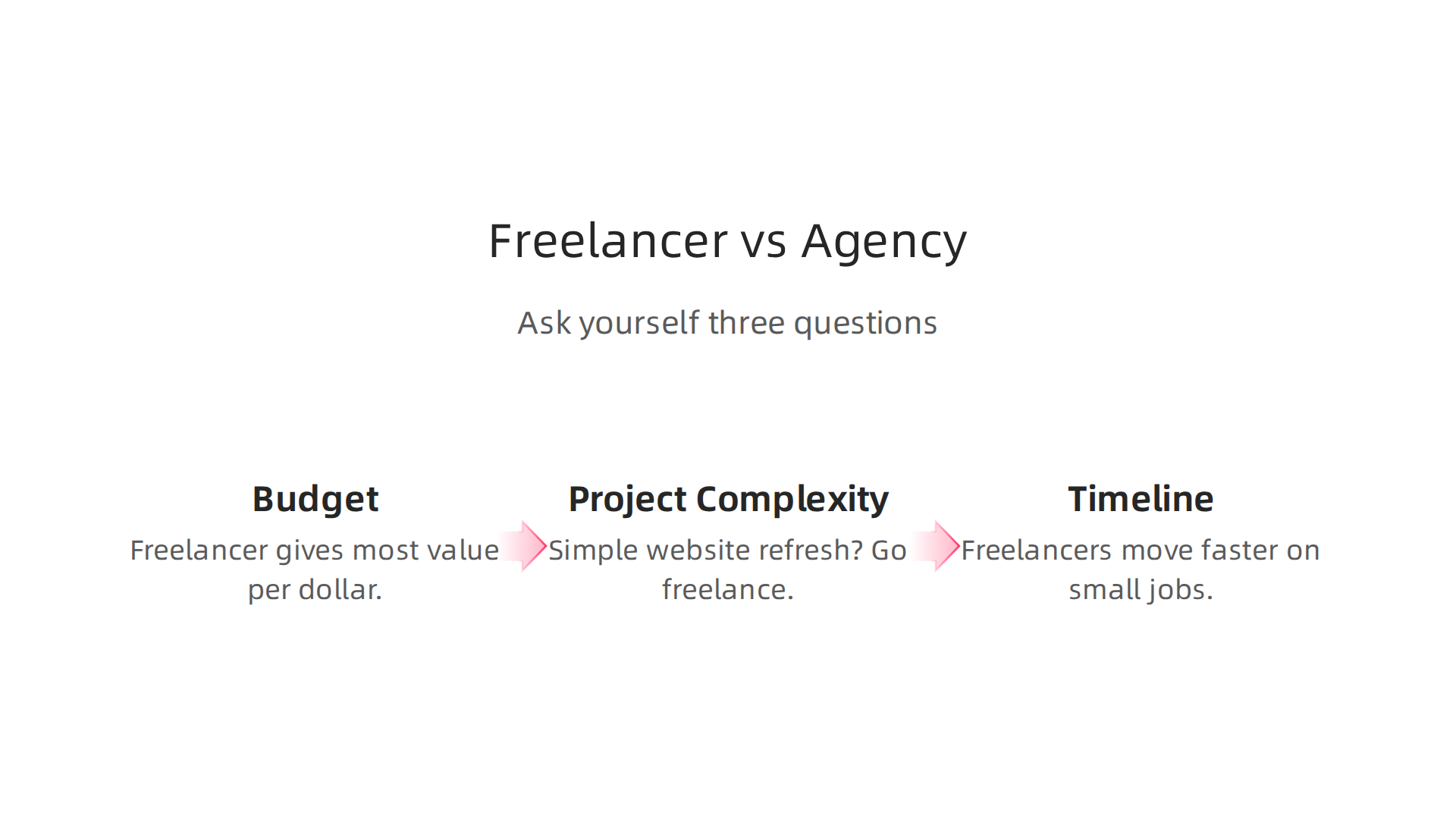
How do you decide? Ask yourself three questions:
-
What is your budget? If you need professional work but have a tight budget, a freelancer gives you the most value per dollar. If you have room to invest more, an agency can deliver a broader strategy.
-
How complex is the project? A single flyer or a simple website refresh? Go freelance. A full brand identity, packaging, and a custom website? An agency might serve you better.
-
What is your timeline? Freelancers often move faster on small jobs because they have fewer meetings. Agencies can scale resources for tight deadlines on big projects.
No single choice works for every business. Some owners start with a freelance graphic designer and later move to an agency as they grow.

Others hire an agency for the big launch and keep a freelancer for ongoing tweaks.
If you are still unsure, reading about how to write a graphic design RFP can help you clarify your needs before you reach out to anyone.
The right choice is the one that matches your project size, your budget, and how much hand holding you want. Think through these factors, and you will pick the right partner every time.
Where to Find Top Freelance Graphic Designers
Once you know whether a freelancer or an agency fits your project, the next step is finding the right person. Here is where to look for top freelance graphic designers.
Start with the big platforms. Websites like Upwork, Fiverr, Dribbble, Behance, and LinkedIn host thousands of skilled designers. Each platform has a slightly different feel. Upwork and Fiverr are project marketplaces where you post a job and receive bids. Dribbble and Behance are portfolio communities where designers show their best work and you can reach out to them directly. LinkedIn works well for finding professional designers with agency backgrounds or industry experience. For a deeper look at the best options, check out this list of high-paying freelance graphic design jobs platforms.
Vet carefully before hiring. A strong portfolio tells you a lot. Look for samples that match the style you need. Read reviews and ratings. Past clients often share honest feedback about communication, timeliness, and quality. You can also ask for a small paid sample or test project before committing to a bigger scope. This step saves you from disappointment down the road. Learning how to spot a great UI/UX designer before you hire can help you evaluate portfolios with a sharper eye.
Do not skip referrals. Ask other business owners or colleagues who they have used. A personal recommendation often leads to your best working relationship. Freelancers who come through referrals also tend to care more about keeping their reputation strong. You can also join local business networking groups or online communities like specific Facebook groups or Reddit subreddits focused on design. Members often share recommendations freely.
Narrow your search with filters. Most platforms let you filter by budget, location, experience level, and even specific design skills. Use these filters to avoid wading through hundreds of profiles. If you need someone who specializes in logo design, filter for that. If you need a designer who knows Shopify, filter for that too. This saves time and gets you closer to the right match.
Put these strategies together, and you will find a freelance graphic designer who delivers quality work on time and on budget.
Key Skills to Look For in a Graphic Design Freelancer
Knowing where to look is only half the battle. Once you have a shortlist of candidates, you need to know what skills actually matter. Not every designer with a pretty portfolio can deliver what your business needs. Here are the key skills to watch for when you hire a freelance graphic designer.
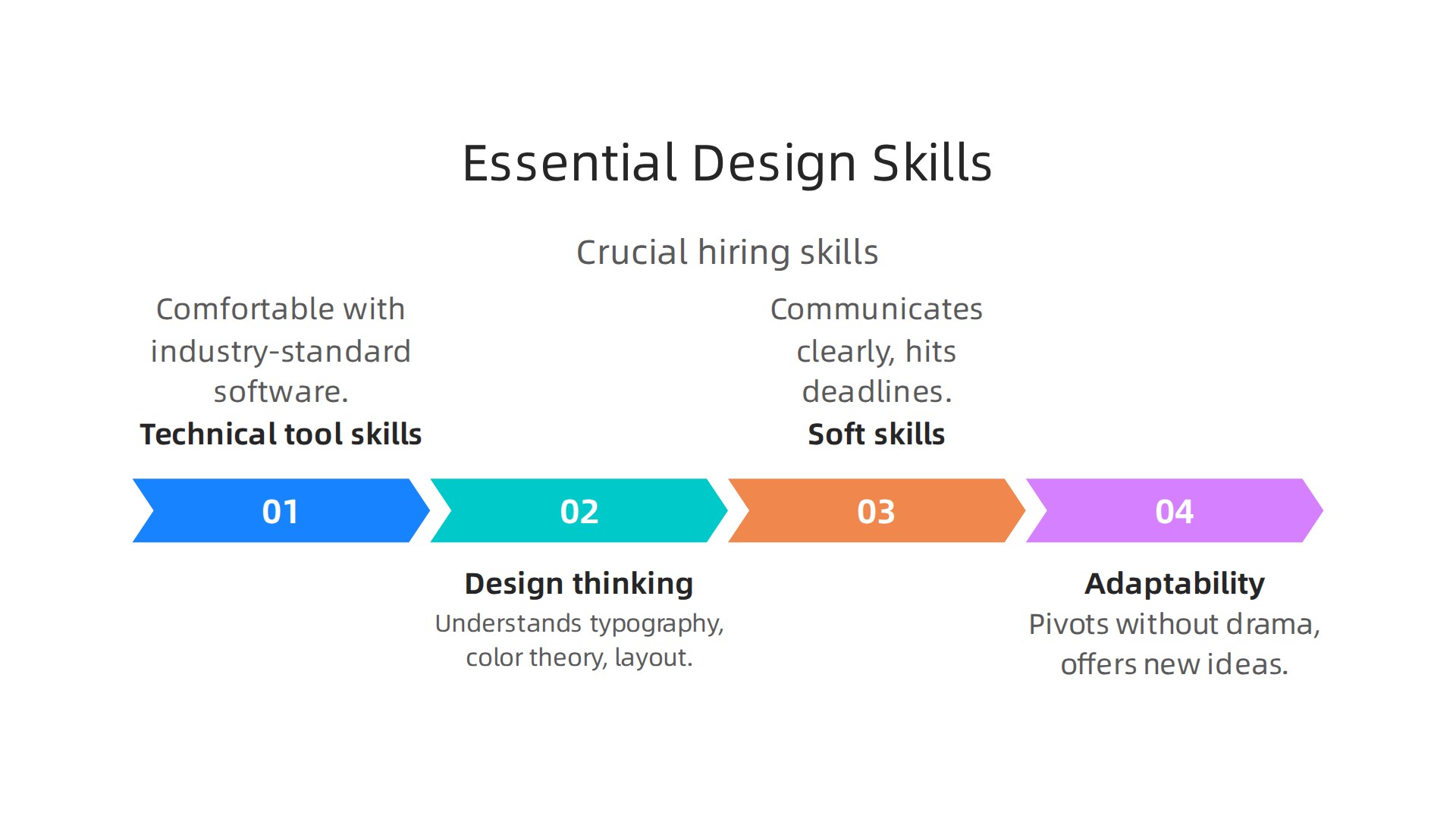
Technical tool skills are non-negotiable. Your designer should be highly comfortable with industry-standard software. That means Adobe Creative Suite (Photoshop, Illustrator, InDesign) and modern tools like Figma or Sketch. If your project is web-focused, Figma skills are especially important because it is the go-to tool for UI and web design. A designer who struggles with these tools will cost you time and revisions. Check their profiles on platforms like Upwork to see what tools they list in their skills section.
Design thinking and visual fundamentals matter just as much. Beyond knowing which button to click, a strong freelance graphic designer understands the principles that make designs work. Look for solid knowledge of typography, color theory, layout, and branding. These are not just nice-to-haves. They directly affect how your audience sees and trusts your business. A designer who gets color psychology and font pairing will create visuals that actually communicate your message. They should also understand basic user experience principles so your website or app works well for real people.
Do not overlook soft skills. Even the most talented designer will frustrate you if they cannot communicate clearly or hit deadlines. Ask about their workflow. How do they handle feedback? What happens if a project goes off track? Good freelancers set expectations upfront and keep you in the loop. Look for someone who responds to messages promptly and asks smart questions about your business. To help you speak the same language during those conversations, it helps to know these 9 design terms every business owner needs to know.
Adaptability is a secret weapon. Your project may change directions mid-stream. A great freelance graphic design professional can pivot without drama. They offer new ideas when something is not working and adjust their style to match your brand instead of forcing their own. Ask for examples where they worked on different types of projects. That variety shows they can handle your needs no matter what comes up.
Build your checklist around these skills, and you will hire someone who delivers work that truly helps your business grow.
Managing Your Freelance Design Project for Success
You found the right person with the right skills. Great. Now comes the part that actually makes or breaks the project. How you manage the work once it starts matters just as much as who you hire.
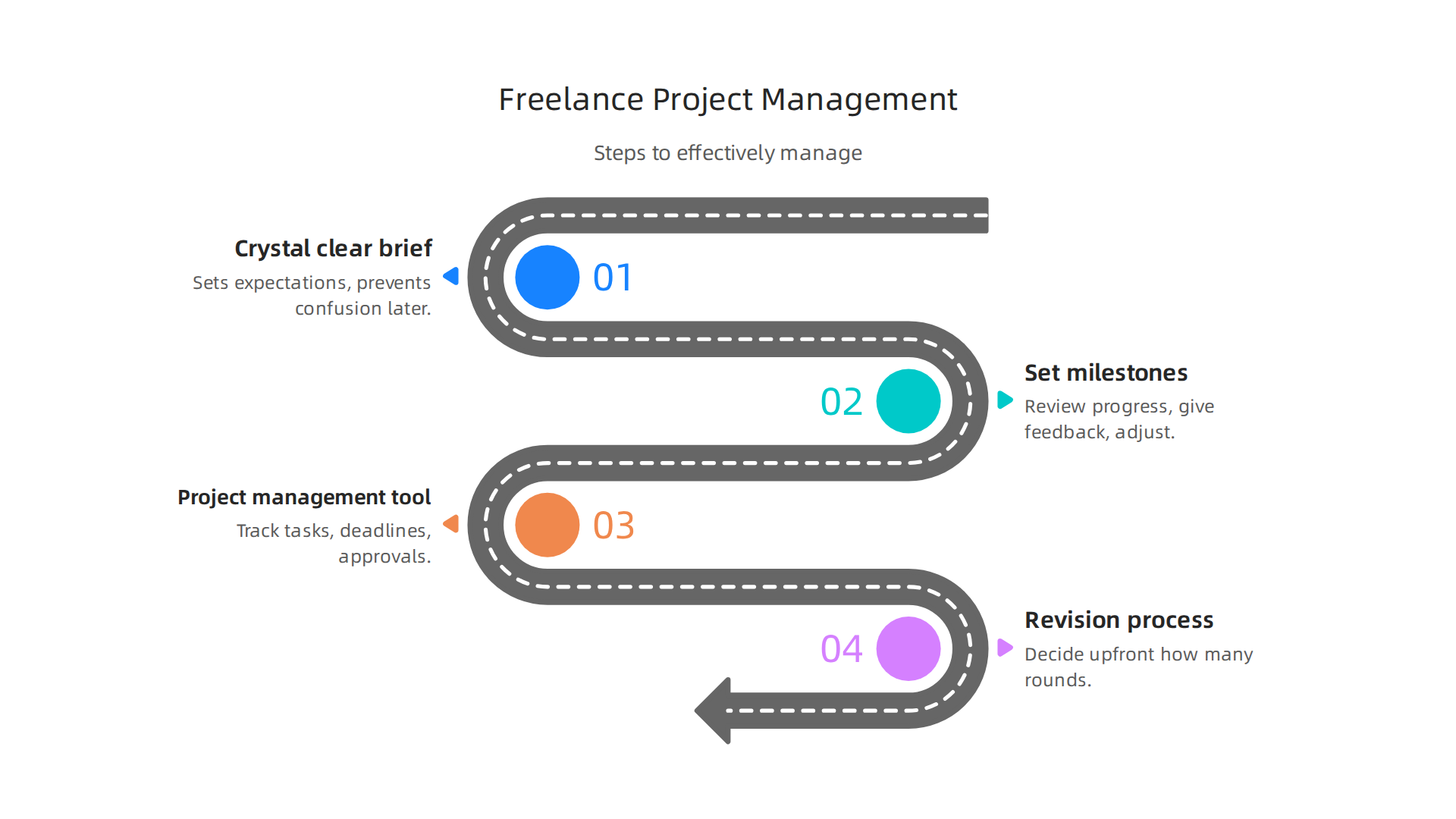
A smooth process keeps everyone happy and delivers results on time.

Start with a crystal clear brief. Do not skip this step. Write down exactly what you need, why you need it, and who it is for. Include your brand colors, target audience details, and examples of designs you like. Share this brief with your freelance graphic design partner before any work begins. It sets expectations and prevents confusion later. According to experts in design project management, the workflow starts by gathering project requirements and determining deliverables before anything else happens. When both sides agree on scope upfront, you avoid those awkward conversations about extra fees.
Set milestones and stick to them. Break your project into smaller chunks. Maybe week one is for research and concepts. Week two is for drafts. Week three is for revisions. Each milestone gives you a natural checkpoint. You can review progress, give feedback, and adjust direction without waiting until the very end. This approach also helps you spot problems early before they turn into big delays.
Use a project management tool to stay organized. Trusting email threads and your memory is a recipe for missed deadlines. Platforms designed for graphic design project management help you track tasks, deadlines, and approvals in one place. Your freelancer likely already uses one. Ask them what works best and set up shared access. Even a simple shared board makes a huge difference.
Create a revision process before you need one. Scope creep is the number one killer of design projects. That is when small extra requests pile up until the project is way over budget. Decide upfront how many revision rounds are included. Write it into your agreement. When you or your team ask for changes, route them through a single person instead of everyone giving separate notes. This keeps feedback clear and consistent.
Regular check ins every few days keep momentum going. A quick five minute call or a shared progress board lets your designer know you are engaged. For a deeper look at setting up your project from the start, check out this guide on how to write a graphic design RFP that attracts the right designers.
When your project runs smoothly, you free up time to focus on what matters most: growing your business. And you can Grow Your Traffic on Autopilot with help from Weblish while your design team handles the visuals.
Budgeting for Freelance Graphic Design
Now let’s talk money. Knowing how much to set aside for design work helps you make smart decisions and avoid surprises. Freelance graphic design pricing can feel confusing at first. But once you understand the options, it gets much easier.
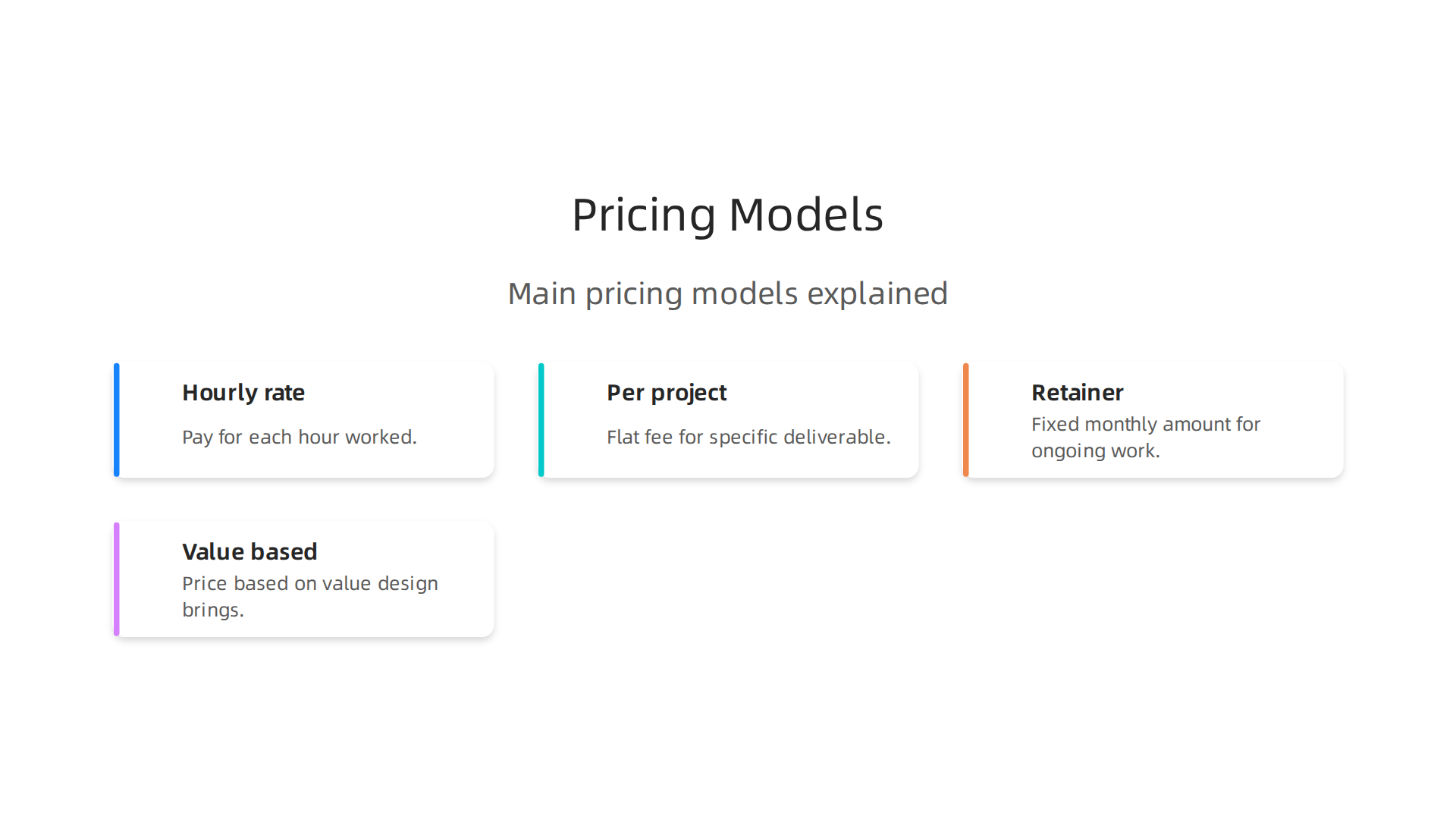
**The main pricing models work like this:
**
- Hourly rate. You pay for each hour the designer works. This works well for small or unclear projects. Rates vary a lot based on experience.
- Per project. The designer gives you a flat fee for a specific deliverable like a logo or a brochure. This is clearer for bigger jobs.
- Retainer. You pay a fixed monthly amount for ongoing work. Great for businesses that need regular design support.
- Value based. The price is based on the value the design brings to your business. This is common for high impact projects like branding.
What do rates look like in 2026?
Market rates depend on experience, location, and how complex the work is. According to a detailed Freelance Graphic Designer Hourly Rate 2026 guide, beginner designers charge around $35 to $60 per hour, mid-level designers charge $65 to $110, and senior experts charge $120 to $200 or more. Project fees also vary. A basic logo might cost $250 to $1,000 from a junior designer. A full brand identity from a senior designer can run $5,000 to $20,000.
Location matters too. Designers in big cities or high cost areas often charge more. And specialist skills like UI/UX or packaging design usually come with higher rates.
Budgeting tips to keep your project on track.
First, always ask how many rounds of revisions are included. Most designers build 2 or 3 rounds into their price. Extra changes cost more. Second, add a contingency of 15 to 20 percent on top of your budget. This covers unexpected requests or scope creep. Third, remember that quality design is an investment. A professional look helps you stand out and convert visitors into customers.
Learning the basics of graphic design principles that turn your website into a lead generator can help you communicate better with your designer and get more value from your budget. When you plan your budget carefully, you set your project up for success from day one.
Integrating Freelance Design into Your Lead Generation Strategy
You set your budget and learned how pricing works. Now comes the exciting part. How do you take that freelance graphic design work and actually turn it into leads?
The answer is strategy. Your design assets should feed every part of your marketing machine.
Design assets power every channel you use.
Think about where customers actually see your business. Your landing pages need clean visuals that guide the eye toward a sign-up button. Your email campaigns need graphics that stop a finger from scrolling past. Your social media posts need images that make someone pause mid-scroll and read.
When you brief a freelance graphic designer, tell them where each asset will live. A banner made for Instagram might not work as an email header. The best designers create variations that fit each platform while keeping your look perfectly consistent. This approach saves you time and prevents that messy "different brand every week" look.
Consistent branding builds real trust over time.
People need to see your brand several times before they remember it. That connection is hard to build when your website colors clash with your email headers. Working with one designer helps you lock in the same colors, fonts, and logo placement everywhere. That visual consistency makes your business feel reliable and professional.
Finding the right person for this job matters. Platforms that let you browse real portfolios and read about the relationship between brand identity and interface design help you pick someone whose style matches your vision. When you build a long-term relationship with a designer, your brand voice stays steady across every campaign.
Design for action, not just decoration.
A pretty design that nobody clicks on is just expensive wallpaper. The smartest freelance graphic design focuses on guiding one action at a time. Place your call-to-action buttons where eyes naturally fall first. Use contrast to make them stand out without feeling pushy. Keep your layout simple so nothing distracts from the main goal.
These conversion principles apply everywhere. The same rule that makes a landing page button work also applies to your email templates and social graphics. Learn how to apply these ideas across your entire online presence by exploring practical graphic design ideas for small business websites that generate leads.
Every piece of your visual strategy should earn its place. When your designer understands your lead generation goals from day one, they create work that actually drives real results for your business.
Ready to put your design strategy into motion and start seeing real traffic? Grow Your Traffic on Autopilot by connecting your website with Weblish and letting AI handle the heavy lifting.
Measuring the ROI of Freelance Graphic Design
You put money into a freelance graphic designer. You set up your brand assets. You launched new landing pages and emails. Now comes the big question: did it actually work?
Measuring the return on your design investment is what separates guessing from growing. Without numbers, you are just hoping. With numbers, you know what to keep and what to change.
Track the metrics that matter most.
Start with conversion rate. That is the percentage of people who see your design and then take the action you want, like signing up or buying something. If your email banner gets a high click-through rate, that design is working. If nobody clicks, it is time to try something else.
Brand recall is another useful measure. You can run short surveys after campaigns. Simply ask new customers, "How did you hear about us?" When they remember your logo or colors from an earlier ad, your designer’s consistent look is doing its job.
Use attribution models to connect design to dollars.
Sometimes a customer sees your social media graphic, forgets about it, then comes back later through a Google search and buys. How do you give credit to that first graphic? An attribution model helps you see the full customer journey. Simple tools in your analytics platform can show which touchpoints a customer visited before converting. That lets you connect your freelance graphic design work directly to revenue.
Test and improve with A/B comparisons.
Never assume one design is the best. Run A/B tests on your landing page headlines, button colors, and image placements. Change just one element at a time. After a few weeks, compare the numbers. The winning version stays. The losing version gets redesigned. This cycle of testing and improving turns your design budget into a proven growth engine.
As you track these metrics, do not forget to log your time and costs. Using a project management system to track project hours and costs helps you measure design profitability. That way you know exactly how much each campaign earned versus what you paid the designer.
To turn your best performing designs into even more conversions, check out this guide on small business website conversion. It walks you through eight practical ways to turn more visitors into paying customers.
Summary
This article is a practical guide for small business owners who want to hire freelance graphic designers to turn their website into a lead-generating asset. It explains why professional visual design matters for trust and conversions, compares freelancers with agencies, and shows where to find and vet talented designers. The guide outlines the essential technical and soft skills to look for, how to write a clear brief, set milestones, manage revisions, and choose the right pricing model. It also covers budgeting tips, ways to integrate design into your marketing channels, and how to measure ROI with conversion metrics and A/B tests. After reading, you’ll know how to hire smart, manage the project efficiently, and evaluate whether your design investment is improving leads and revenue.