Fix Your About Us Page Design To Attract More Customers
This article explains why the About Us page is one of the most important conversion pages on a small or mid-sized business website and shows how most SMBs get i…


Why the About Us Page Still Matters – and What Most SMBs Get Wrong
Many small business owners think their "About Us" page is just a place to list when they started or what they do. But actually, it’s one of the most important pages on your whole website. It’s not just a history lesson. It’s a key part of your good website design examples and can help you get new customers and build trust.
Think about it: when people visit a business website, especially if they’re thinking about buying something or using a service, they often go straight to the about us page. They want to know who you are, what you stand for, and if they can trust you. In fact, research from 2026 shows that website visitors who return convert more often than new visitors, meaning building trust is super important for turning browsers into buyers Conversion Rates in 2026: Benchmarks, AI, and What’s Driving Growth. A good about us page design can make a big difference here.
So, what do most small and mid-sized businesses (SMBs) get wrong with their about us page design?
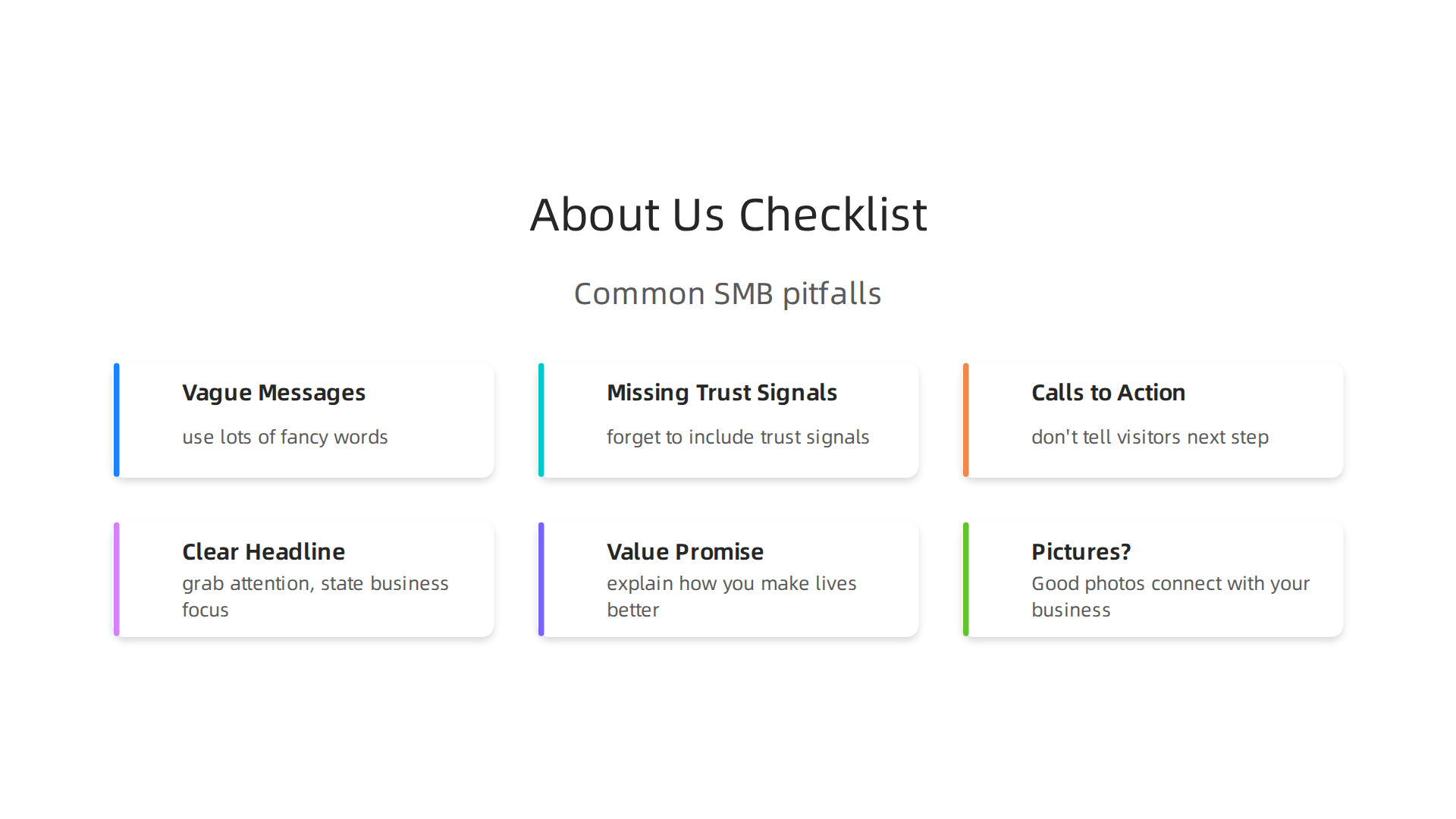
- Vague Messages: They might use lots of fancy words but not really say what makes them special or why someone should choose them.
- Missing Trust Signals: They forget to include things that build trust, like customer stories, awards, or photos of their team. These are like little nods that say, "Hey, we’re real people, and we do good work!"
- Poor Calls to Action: They don’t tell visitors what to do next. After someone learns about your company, they need a clear next step, like "Call Us Today" or "See Our Products." Without this, people just leave the website and you lose a chance to get a new customer.
Your website home page and other pages bring people in, but the about us page often seals the deal. It’s where visitors decide if they feel a connection to your business. Weblish knows that a strong online presence means more than just a pretty website. It means a site that works hard for you. We help small businesses transform their websites into lead-generating machines, moving beyond just a "pretty brochure" to a place where conversions happen.
Later in this guide, we’ll give you a simple checklist and easy-to-use templates. These will help you fix your about us page quickly, so it starts working harder to bring you more leads and build lasting trust with your customers. If you want to take your website to the next level and ensure every page works to bring in business, then you may also want to explore how to choose the best small business web design company for lead generation.
Ready to see how your website can truly boost your business?
Grow Your Traffic on Autopilot
Your About Us page is much more than just a brief introduction. It plays a big part in how people move from just looking at your website to becoming a customer. Think of it like a journey. First, visitors get to know you, then they start to trust you, and finally, they reach out to you. This is how your about us page design helps turn simple visits into real business leads.
For small and mid-sized businesses (SMBs), a good About Us page helps in a few key ways:
- Building Credibility: People want to know they are dealing with a real business and real people. Your About Us page is where you show off your experience, your passion, and what makes your team special. It helps people feel sure about choosing you.
- Showing What Makes You Different: In a crowded market, you need to stand out. This page is your chance to tell your unique story. Why did you start your business? What problems do you love to solve? Sharing this helps customers connect with you on a deeper level.
- Capturing Leads: When people feel connected and trust you, they are much more likely to take the next step. This could mean filling out a contact form, calling you, or signing up for your newsletter. It’s where familiarity turns into action.
A strong about us page design makes it easier for people to decide to work with you. If they can quickly find out who you are, what you offer, and why you’re reliable, they won’t have to think as hard. This reduces any doubt they might have. In fact, research shows that better user engagement on a website can lead to higher conversion rates, proving that a clear and helpful site keeps visitors interested Benchmarks: What Does Engagement Look Like in 2026?. When your About Us page clearly tells your story and offers proof of your good work, it moves visitors closer to becoming a customer.
This kind of clarity is a big win for your whole website. It makes your website home page, and every other page, work better together. Designing your website for trust is important because it changes visitors into customers. If you want to dive deeper into how good design builds confidence, read more about designing UX for trust.
Core Elements of a High-Converting About Us Page
To truly make your About Us page design work hard for you, it needs some special parts. Think of these as the building blocks for a great page. When you put them together the right way, your page will not just look nice, it will also bring in more customers.
Here are the must-have parts for a strong About Us page:
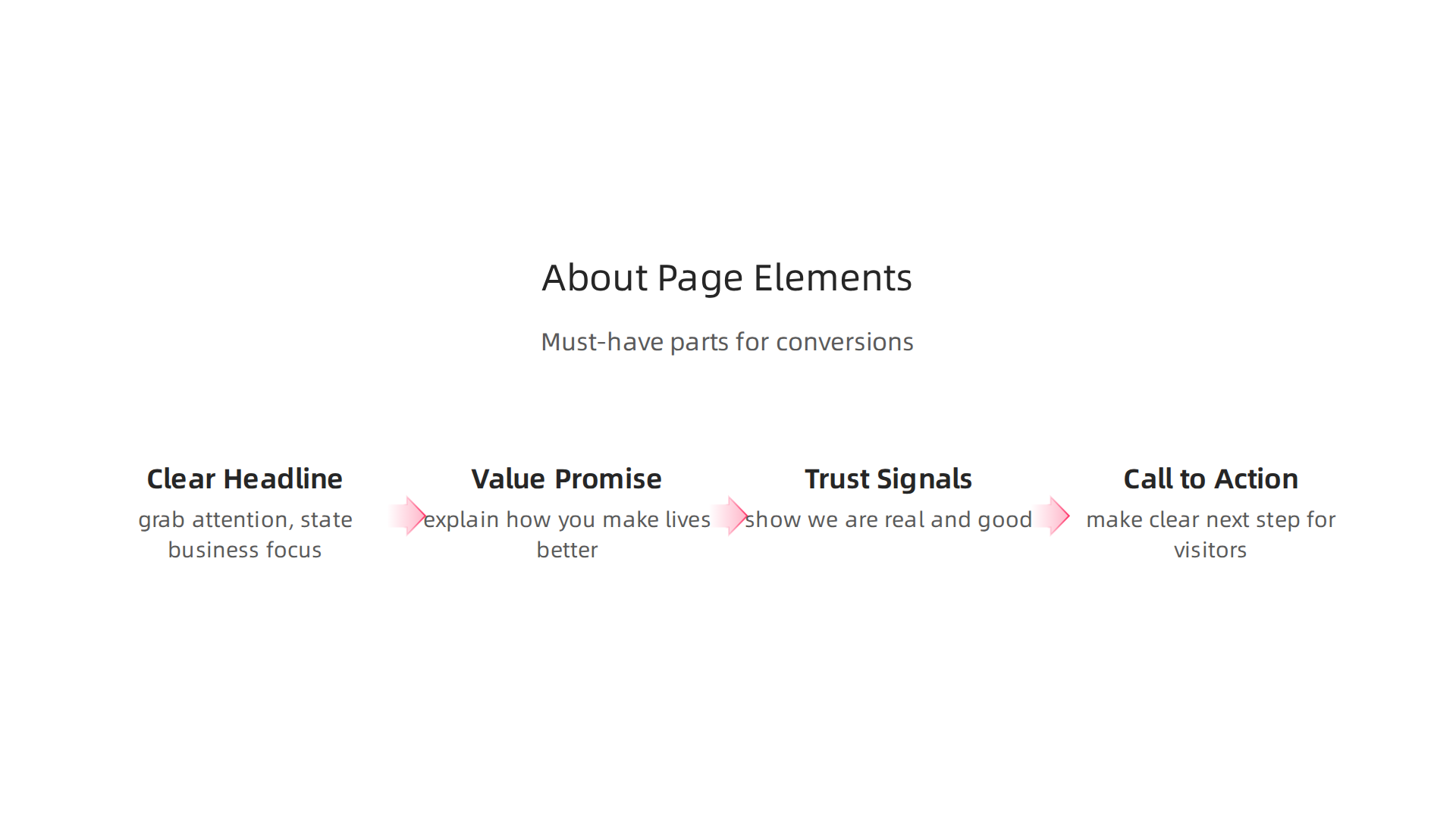
- A Clear Headline: Just like a good book title, your headline needs to grab attention. It should quickly tell visitors what your business is about or what makes you special. This helps people decide in a few seconds if they want to keep reading, which is important for any website home page.
- Your Value Promise: This is where you explain what great things you do for your customers. It’s not just about what you sell, but how you make their lives better. Why should they choose you instead of someone else? Make this promise easy to see and understand.
- Trust Signals: People need to trust you before they buy from you. Trust signals are like little nods that say, "We are real and we are good at what we do." These can be things like customer stories, awards, or logos of other companies you work with. Experts say that putting specific facts, like "Reduced support tickets by…" works best to build trust Website Conversion Psychology in 2026: The Complete Guide. Showing clear website design trust elements helps visitors feel safe.
- A Clear Call to Action (CTA): After reading about you, what do you want visitors to do next? Make it super clear. This could be "Contact Us," "Get a Free Quote," or "See Our Work." This is the point where looking turns into doing.
It’s all about finding the right mix. You want to share your company’s journey and passion, but also show how that helps your customers. Your story should lead to their benefit. Good website design examples always strike this balance.
Finally, think about the small words you use (microcopy) and how everything is laid out on the page (visual hierarchy). These details guide people’s eyes to important parts, like your call to action. When you make your About Us page easy to read and inviting, you’re making it easier for visitors to take that next step. This focus on good website design helps turn a browser into a loyal client.
Want your website to start working harder for your business?
Grow Your Traffic on Autopilot
Writing a Compelling Brand Story & Voice
When we talk about making your About Us page inviting, a big part of that is the story you tell. Your company’s story isn’t just about you; it’s really about your customers. A strong brand story helps people connect with your business and understand why you’re the right choice.

It’s a key part of effective small business website development services transform brochures into lead generators.
Make Your Story About Them
The best stories on an About Us page focus on the customer. Instead of just listing what you do, talk about the problems you help them solve and the good results they get. Think about it: why did you start your business? Likely, it was to fill a need or make something better for people. Share that journey, but always link it back to how it benefits your customers now. Experts agree that your story should find a customer’s need and show how your business solves it, including any struggles you overcame to do so, according to the 2026 Guide to Brand Storytelling for Businesses. This approach is crucial for any successful about us page design.
Finding Your Brand’s Voice and Tone
How you tell your story matters just as much as what you say. Your brand’s voice is like its personality. Is it friendly, serious, creative, or helpful? Whatever it is, keep it the same everywhere. This helps build trust and makes your business feel real. When writing, try to sound like you’re talking directly to a friend. Keep it simple and clear. Writing "like you speak" and keeping it concise helps make your About Us page easy to read and connect with, as explained in How to Write a Great About Us Page (+Template). Even small bits of text, called microcopy, should fit your voice. These small words can guide visitors and make their experience better.
Sharing Your Journey and Team
People love to hear where a business came from. Your origin story, like why you started or what inspired you, can be very powerful. It makes your business feel human and relatable. For instance, you can talk about the problem you noticed and why you cared enough to act on it, states the How to Write an About Us Page That Converts (2026 Guide). This can include the challenges you faced and how you overcame them. You don’t need to overshare, but being real helps.
You can also include short stories or bios about the people behind the business, especially founders and key team members. These aren’t just lists of job titles; they show the passion and experience of your team. When visitors see the people behind a company, it helps build more trust, which is a core part of designing UX for trust transforms website visitors into customers. A well-designed About Us page with a compelling story turns casual visitors into loyal customers.
Design & Layout: UX Patterns that Build Trust
After you have a great story and a clear voice for your About Us page, the next step is making sure it looks good and works well. The way your page is designed can really help people trust your business. It’s not just about pretty pictures; it’s about how everything is laid out to make visitors feel safe and understood. This is a big part of good website design examples.
Clear Layout for Easy Reading
A good About Us page should be easy to scan and understand quickly. Think about how you organize information. Use clear headings, short paragraphs, and bullet points so people can find what they need without searching too hard. This clear organization helps people trust your site, as explained in the Website Design Trust Elements: Complete 2026 Guide. When things are messy, it can make your business seem less professional. A clean layout helps guide the visitor’s eye and shows them what’s most important, making it a great about us page design.
Visual Signals that Build Trust
Visual elements on your About Us page are like little helpers for building trust.
- Real Photos: Use real pictures of your team and workplace. This makes your business feel more human and less like a faceless company.
- Badges and Awards: If your business has special awards, certifications, or partnerships, show them off. These are called "authority proof" and they tell visitors you’re good at what you do, according to Trust Signals on Websites in 2026: The Science of First ….
- Testimonials and Reviews: Short quotes from happy customers can be very powerful. Place them where they fit naturally, like next to a team member’s bio or near your company’s mission. These "social proof" elements reassure new visitors. Just make sure they are specific and real. In 2026, social proof works best when it’s very clear, for example, "127 companies like yours" is better than "10,000+ customers," as highlighted in Design for Trust in 2026: UI Patterns That Build Credibility.
You don’t want to put too many trust signals in one spot, though. Spread them out to avoid overwhelming people.
Works Great on Any Device
In 2026, most people look at websites on their phones. So, your About Us page needs to look good and work perfectly on small screens too. This is called "responsive design." A mobile-first approach means you design for phones first, then make it work for bigger screens. This way, everyone has a good experience, no matter how they visit your site. It’s also important for your website to be easy for everyone to use, including those with disabilities. Things like having good contrast for text and descriptive text for images (called "alt text") are part of making your site accessible, following guidelines like the Web Content Accessibility Guidelines (WCAG). This attention to detail makes your entire website home page and inner pages feel trustworthy and professional.
Want to see how your website stacks up and start getting more visitors?
Grow Your Traffic on Autopilot
Making your About Us page easy to use for everyone also includes making sure search engines can find it. This is where SEO (Search Engine Optimization) and accessibility come in. They help more people find and understand your story, which builds even more trust.
Helping Search Engines Find Your Story
For your About Us page to show up when people search online, you need to help search engines like Google understand it. This is part of good on-page SEO.
- Keywords and Intent: Think about what words people would use to search for a business like yours or to learn more about your company. Use these words naturally in your page’s text. Your About Us page often shows your company’s core values and mission, which helps search engines understand what your business is truly about. This deep understanding helps with your overall website design examples and how it ranks.
- Metadata: These are like little notes to search engines.
- Page Title: Make sure your About Us page has a clear title that includes your business name and "About Us" or "Our Story."
- Meta Description: Write a short summary of your page. This often shows up under your page title in search results. It should make people want to click and learn more about your about us page design.
- Schema Markup: This is a special code you can add to your website. It helps search engines understand details about your business, like your address, phone number, and what type of business you are. This can make your search result look richer and more helpful to users, which is important for your entire website home page and other key pages. According to Digital.gov, search engine optimization best practices include writing clear content and using semantic HTML to help search engines discover your content better and rank pages higher, as explained in their introduction to search.
Making Your Page Easy for Everyone to Use
Accessibility means making your website usable by people with all kinds of abilities, including those who use special tools like screen readers. In 2026, this is more important than ever for good website design.

- Clear and Simple Language: Just like we talked about earlier, using plain words helps everyone understand your message easily. Avoid big words or jargon that might confuse some readers.
- Alt Text for Images: Every picture on your About Us page should have "alt text." This is a short description of the image that screen readers can read aloud. It’s also helpful if an image doesn’t load. If an image doesn’t convey meaning, you can use empty alt tags, but if it’s important, it needs a descriptive text alternative to serve an equivalent purpose, as highlighted in the Guide to Accessible Web Design & Development.
- Good Color Contrast: Make sure the text color stands out clearly against the background color. If the colors are too similar, it can be hard for some people to read.
- Keyboard Navigation: Can someone use your About Us page only with a keyboard, without a mouse? This is important for many people. Make sure all buttons and links can be reached and used with keyboard keys.
By focusing on both SEO and accessibility, your About Us page becomes a powerful tool. It not only tells your story but also reaches a wider audience and shows that your business cares about all its visitors. This kind of careful seo web design generates consistent leads for smbs.
Now that you know how to make your About Us page easy for everyone and for search engines, let’s look at some real ways to put these ideas into action. You can use examples, templates, and a simple checklist to make your About Us page shine today.
Examples, Templates, and a Checklist You Can Use Today
Building a great About Us page design doesn’t have to be hard. Many good website design examples show how to tell your story in a clear and helpful way. The best approach depends on if your business sells things (product-based) or offers help (service-based).
About Page Ideas for Different Businesses
- For Product-Based Businesses: If you sell physical products, your About Us page can talk about where your ideas came from, how your products are made, and what makes them special. Show pictures of your team working or of happy customers using your products. Stories about the journey of making your product can build trust and connect with shoppers, making them feel good about buying from you. People like to see proof and stories. In 2026, trust signals like customer reviews and how products are made are very important for turning visitors into buyers, as highlighted in a guide on Website Conversion Psychology in 2026.
- For Service-Based Businesses: If you offer services like consulting, design, or repairs, your About Us page should focus on the people behind the service. Share who your team members are, their skills, and how they help customers solve problems. Show what values guide your work and how your services make a real difference in people’s lives. An effective About Us page for a service business often starts by showing how you help clients solve their problems, then tells your story and lists your mission and values, according to one guide on how to write an About Us page that converts. This helps visitors understand your expertise and builds confidence. You can also show off your best website design examples to prove your skills.
A Simple Checklist for Your About Us Page
To make sure your About Us page is doing its best work, use this quick checklist:
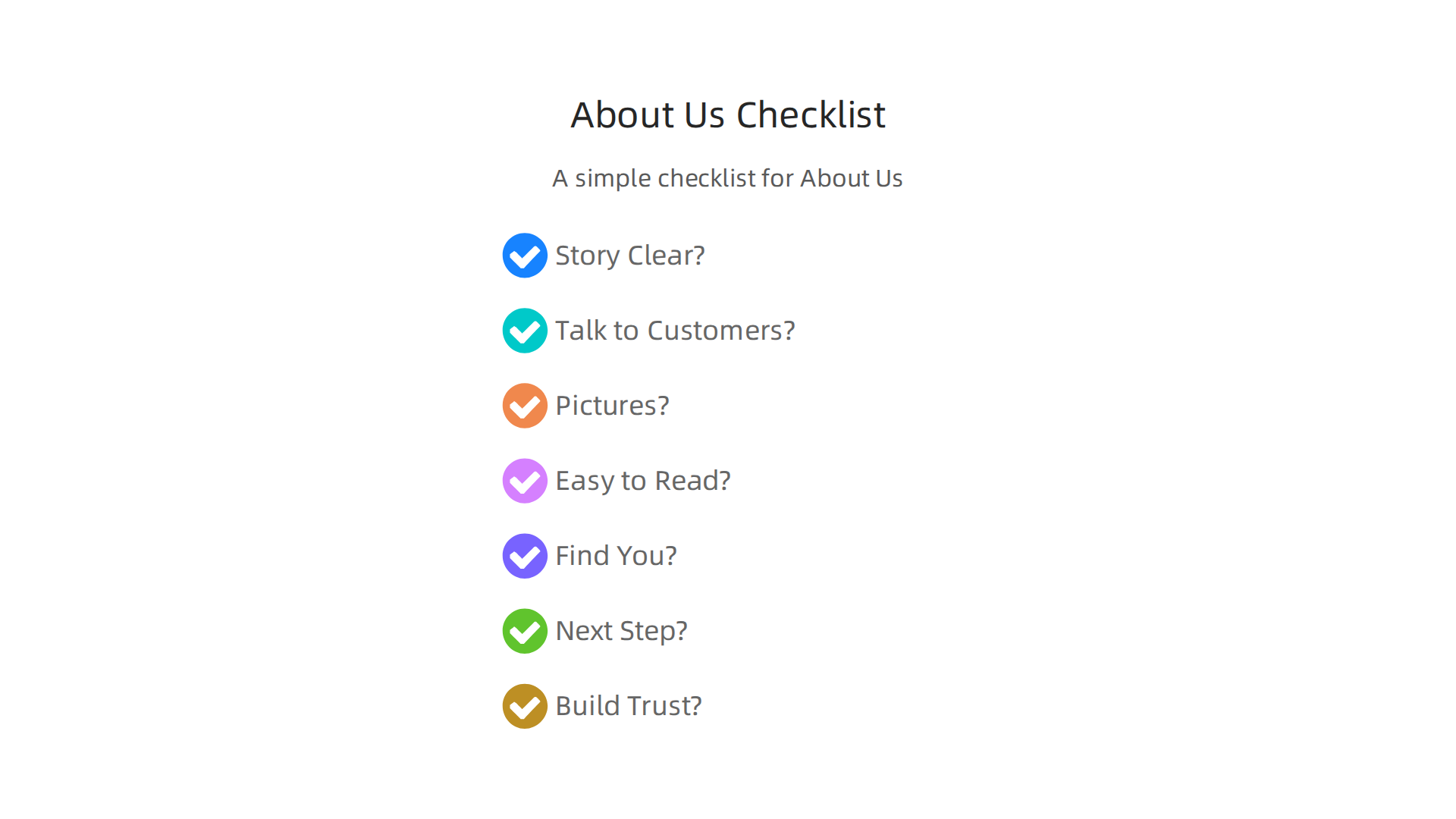
- Is Your Story Clear? Does your page easily tell who you are, what you do, and why it matters? In 2026, it’s key to share your origin story and what your brand believes in to build a strong connection, as mentioned in Brand Storytelling Strategies That Will Work in 2026.
- Do You Talk to Your Customers? Your page should feel like a friendly chat, not a boring speech. Focus on how you help them.
- Are There Pictures? Good photos of your team or work help people connect with your business.
- Is it Easy to Read? Use simple words, short sentences, and plenty of spaces between paragraphs. One expert tip is to keep it under 1,000 words and write like you’re talking to a friend, as explained in How to Write a Great About Us Page.
- Can People Find You? Make sure your contact information is easy to see.
- Is There a Next Step? What do you want people to do after reading your page? Maybe visit your main website home page or sign up for a newsletter?
- Does It Build Trust? Include things like awards, customer quotes, or important facts about your business to show you’re reliable. Things like specific customer outcomes and recognizable client logos can really boost trust signals, especially near key decision points on your site, according to Web Design Best Practices in 2026.
By using these tips and checking your About Us page often, you can make sure it always works hard for your business, turning curious visitors into loyal customers.
Ready to make your whole website work smarter for you? Let Weblish help you turn your web presence into a lead-generating machine. You can connect your website with Weblish and Grow Your Traffic on Autopilot with AI.
Now that you have a great About Us page design, how do you know if it’s truly working? It’s important to look at numbers, try out small changes, and keep making your page better over time. This helps your website design examples lead to real success.
Measuring Success: Metrics, A/B Tests, and Iteration
To understand how well your About Us page is doing, you need to track specific things, often called metrics.
These numbers tell you what visitors do when they land on your page.
Key Metrics to Track for Your About Us Page
- Engagement: This metric shows if people are actually reading your story. Look at how long visitors stay on the page (time on page). The average engagement duration per active user was about 1 minute and 5 seconds in one 2026 report for a tourism website, showing that visitors often spend a decent amount of time reading content St. Michaels Tourism – Integrated Marketing + Web Analytics Report. Also, check the scroll depth, which tells you how far down the page people scroll. If many visitors leave right away, this is a high bounce rate, which can be a sign your page needs work. In 2026, the median bounce rate for B2B sites is around 47.4%, but pages loading slowly can increase this significantly Average Bounce Rate for B2B Websites 2026.
- Referral Conversion: What happens after someone reads your About Us page? Do they click on links to your services, products, or your main website home page? This shows if your story moves people to take the next step.
- Conversion Rate: Ultimately, you want your About Us page to help turn visitors into customers. Whether it’s signing up for a newsletter, filling out a contact form, or making a purchase, track these actions to see your page’s direct impact. Benchmarks show that conversion rates can vary, but returning visitors often convert at a higher rate than new ones, highlighting the importance of building trust Conversion Rates in 2026: Benchmarks, AI, and What’s Driving Growth.
Designing Simple A/B Tests
A/B testing is a smart way to make small changes to your About Us page and see which version works better.
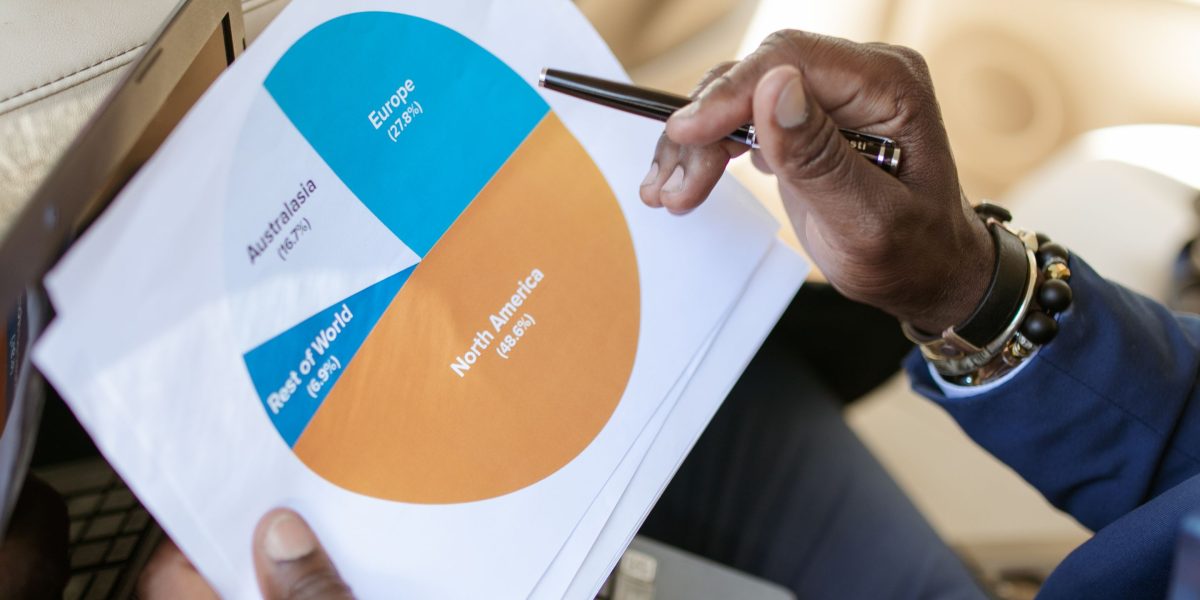
It’s like having two versions of your page, A and B, and showing them to different visitors to see which one performs best. This method is a proven way to improve your website’s performance, as outlined in guides on real examples and case studies of A/B testing in 2026.
Here’s what you can test:
- Headlines: Try different titles for your About Us page to see which one grabs attention more.
- Call-to-Actions (CTAs): Test different phrases for buttons or links that ask visitors to do something, like "Learn More About Our Team" versus "See Our Services." Even small changes can lead to big increases in desired actions, as demonstrated by A/B tests on calls to action Case Study Page A/B Tests for B2B SaaS.
- Trust Signals: Change how you display customer reviews, awards, or team photos to see what builds more trust and encourages action.
When running A/B tests, make sure to test one change at a time. This way, you know exactly what made the difference.
Iterating Based on Evidence and User Feedback
Don’t just set your About Us page and forget it. Regularly check your metrics. If you see that your engagement is low or people aren’t clicking on your CTAs, it’s time to make changes.
Gather feedback from your users, too. Ask customers what they liked or didn’t like about your About Us page. Combine this feedback with your data from metrics and A/B tests to make informed decisions. This cycle of testing, learning, and improving is called iteration. By doing this regularly, you can make sure your About Us page always aligns with your business goals and keeps attracting new customers. For more ideas on improving your website to gain more customers, check out how to make your small business website convert visitors to customers.
Summary
This article explains why the About Us page is one of the most important conversion pages on a small or mid-sized business website and shows how most SMBs get it wrong. It walks through the core elements that make an About page work — a clear headline, a value promise, trust signals, and a strong call to action — and explains how to craft a brand story and voice that speak to customers. The guide also covers UX and layout patterns that build credibility, plus SEO and accessibility basics so search engines and all users can find and read your story. You get practical examples for product and service businesses, a simple checklist and templates to speed fixes, and methods for measuring success with metrics and A/B tests so you can keep improving results. Follow these steps and your About page will help turn visitors into leads and customers.