
Win Top Fashion and Interior Design Jobs in 2026
This guide helps aspiring and experienced designers navigate the shifting job market for fashion and interior design in 2026. It explains the main role types— i…

Why this guide matters for aspiring and experienced designers
Do you dream of creating beautiful clothes or making spaces come alive? Many people want to be a fashion designer or an interior designer.

These are exciting fields where you get to use your creativity every day. But finding the right job in these creative industries can sometimes feel a bit tricky.
In 2026, the world of design jobs is always changing. For example, the number of fashion designer jobs is expected to grow slowly, adding about 700 new positions from 2016 to 2026. This means there’s competition for those roles. On the other hand, interior designer jobs are also projected to grow about 3% from 2024 to 2034, similar to other jobs, with around 7,800 openings each year in the U.S. Still, the overall growth for arts and design jobs is slower than for many other jobs. So, how do you make sure you’re one of the designers who gets hired?
This guide is here to help you understand the current job market for both fashion designer jobs and interior design jobs. We know it can be hard to find good job openings, build a strong portfolio that truly shows your skills, and make yourself stand out from other talented people looking for work. Whether you’re just starting out or have years of experience, these challenges are real.
That’s why this guide matters. We’ll cover important things like the top roles available in 2026, what kind of salaries you can expect, and the key skills you’ll need to succeed in fashion design jobs 2026. We will also show you how to create a standout portfolio and connect with potential employers or clients. Our goal is to give you clear, easy-to-understand advice to help you reach your career goals in the design world.
If you are a business owner looking to grow your online presence and attract more clients or job opportunities for your design work, then you should Grow Your Traffic on Autopilot.
To help you navigate this changing world, let’s look at the different kinds of jobs you can find as a fashion designer or an interior designer. Understanding these roles is the first step to finding where you fit best in 2026.
Types of Design Roles
You might be surprised by how many different paths you can take in design. Here are some common types of design jobs:
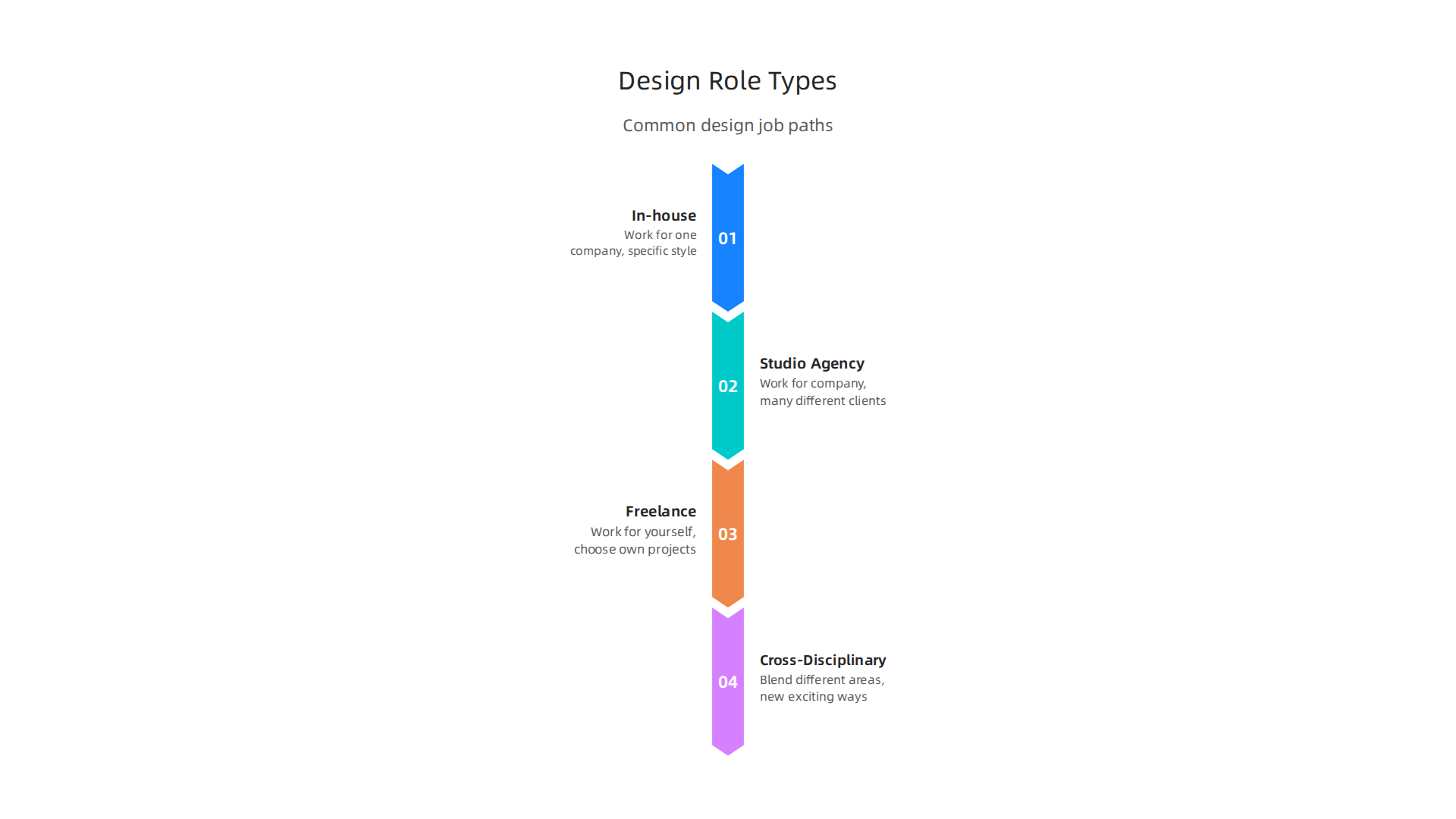
- In-house Designer: This means you work for one company. For example, a fashion designer might work for a clothing brand like Nike or Zara, creating new lines of clothes just for them. An interior designer might work for a large hotel chain, designing all their new lobbies and rooms. You become a part of their team and focus on their specific style and needs.
- Studio or Agency Designer: Here, you work for a company that helps many different clients. A design studio might have several fashion designer jobs where they create collections for various smaller brands. An interior design agency might take on projects for homes, offices, or restaurants. This type of role often means you get to work on many different kinds of projects and styles.
- Freelance or Consultant: If you love being your own boss, this might be for you. Freelance fashion designer jobs or interior design jobs mean you work for yourself, taking on projects from different clients. You set your own hours and choose your own projects. This can be very rewarding, but it also means you handle all the business side of things, like finding clients and managing your money. If you are a business owner and want to grow your traffic, you can also consider how to hire a freelance graphic designer to transform your website into a lead generation machine.
- Cross-Disciplinary Roles: Sometimes, design jobs blend different areas. For example, a fashion designer might specialize in wearable technology, mixing fashion with gadgets. An interior designer might focus on sustainable design, using earth-friendly materials. These roles show how design skills can be used in new and exciting ways, as design professionals are in demand across many fields in 2026, including technology and e-commerce [Design as a Career in 2026 Scope, salary, Skills & Future …].
What to Expect: Overlaps and Differences
Both fashion designer jobs and interior design jobs need a lot of creativity, a good eye for detail, and strong problem-solving skills. You’ll need to talk well with clients, understand their needs, and turn their ideas into real designs.
However, the day-to-day work and what employers expect can be different.
- Fashion Design: You’ll spend time sketching, choosing fabrics, working with patterns, and overseeing how clothes are made. You need to know about clothing trends, materials, and manufacturing.
- Interior Design: You’ll focus on spaces. This includes planning layouts, picking furniture, choosing colors and textures, and making sure the space is both pretty and useful. Interior designer jobs often involve working with architects and builders, and knowing about building codes and safety rules is key, as highlighted in the Interior Designers : Occupational Outlook Handbook.
While both fields value a strong portfolio showing your work, the types of projects in those portfolios will clearly show your specialty. For example, if you are looking for UX design jobs 2026 navigate roles salaries and hiring strategies, your portfolio will look different than for a fashion designer. Even so, the core idea of showing off your best work and creative process is the same.
A strong design portfolio is key for landing fashion designer jobs or interior designer jobs in 2026. It’s more than just a collection of your best work; it’s a story that tells employers and clients how you think, create, and solve problems.
What Goes into a Great Portfolio
No matter if you are seeking fashion designer jobs or interior design jobs, certain things always impress:
- Show Your Full Journey: Don’t just show the finished product. Employers want to see how you got there. Include your early sketches, mood boards (these show your ideas and research), and even photos of your process. This helps tell your story and shows your passion for design Portfolio Tips IIDA SHIFT 2026. For example, a fashion designer might include fabric samples and technical drawings, while an interior designer could show floor plans or "before and after" photos.
- High-Quality Images: This is a big one. Use clear, bright, and professional photos of your work. If it’s a piece of clothing, show it on a model or in a styled setting. For interior design, showcase different angles of the room you created. Good pictures make your work shine and grab attention Strategies for Creating a Client-Winning Interior Design Portfolio.
- Case Studies: For each project, explain the challenge, what you did, and the happy outcome. Talk about how you solved problems or met a client’s specific needs. This helps employers see your thinking and your ability to deliver results.
- Be Picky: You don’t need to include every single project you’ve ever done. Choose your best 8-12 projects that truly show off your skills and what makes your design unique. It’s about quality, not quantity.
- Organize Your Work: Make it easy for people to look through your portfolio. Use a table of contents, clear project names, and simple layouts. Keep your design consistent throughout the portfolio, like using the same fonts and image styles.
- Online Presence: Most design jobs today expect you to have an online portfolio. A professional website makes it easy for employers to see your work and learn about you. You can showcase different types of design projects and even customize your portfolio for different kinds of applications.
When you’re building a portfolio for fashion designer jobs, you’ll want to highlight your skills in understanding trends, fabric choices, and clothing construction. Show how your research led to your designs, and include detailed drawings and textile experiments Fashion portfolio formats, lookbooks and tips for 2026.
For interior designer jobs, your portfolio should focus on how you create functional and beautiful spaces. Include details like the project’s location, what the client wanted, the materials you chose, and how you managed the project timeline. "Before and after" photos are very effective for showing how you transformed a space How to make an outstanding interior design portfolio.
Making sure your portfolio website is top-notch can make a big difference in getting noticed. A well-designed portfolio website helps generate leads by showing off your skills in a clear and exciting way. If you’re looking to create an online home for your work that grabs attention, explore options for portfolio website design that generates leads for small businesses.
You can also get a jump start with Weblish. It’s a service that helps small businesses with web design, SEO, and social media.
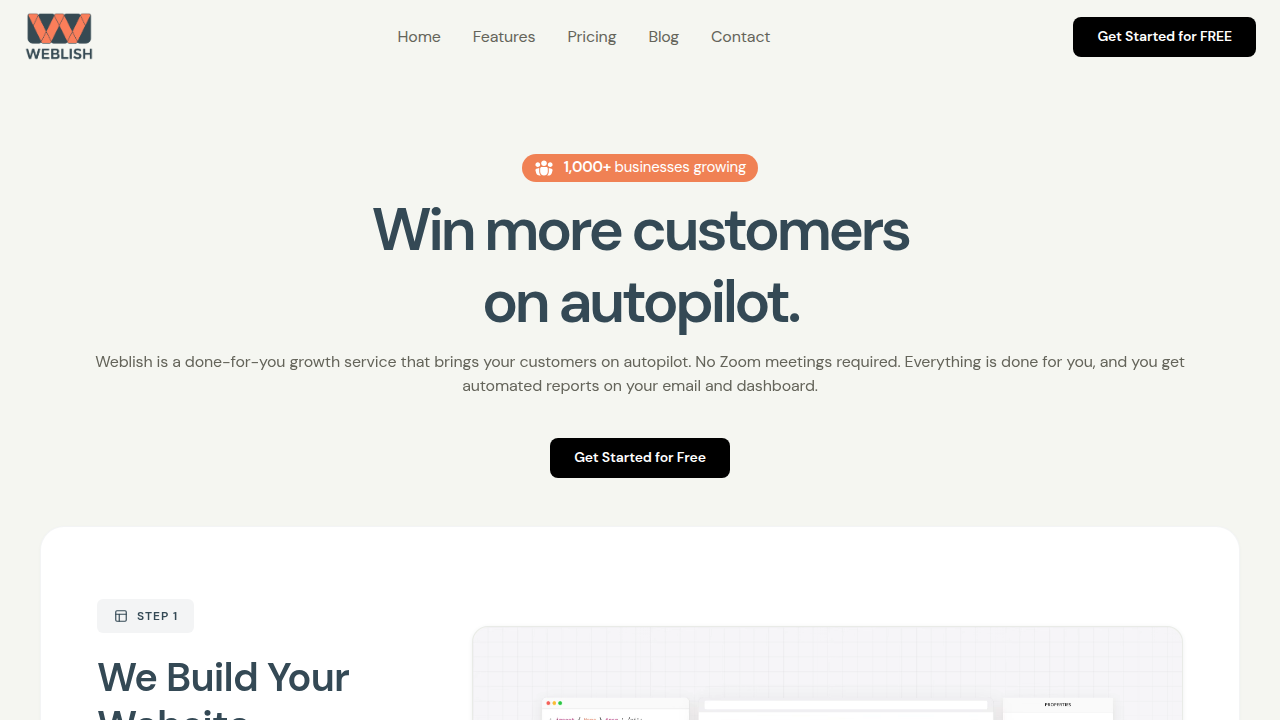
You can Get started with Weblish by signing up and claiming your free trial to make sure your online portfolio stands out.
Once your portfolio is ready, it’s time to get it seen.
You can transform your website into a lead generation machine that turns visitors into clients. Grow Your Traffic on Autopilot with smart tools that get your design work in front of the right people.
Once your amazing design portfolio grabs attention, employers will look closely at what you can actually do. In 2026, finding top fashion designer jobs or interior designer jobs means having the right skills. It’s not just about pretty pictures; it’s about the tools you know and how well you work with others.
What Technical Skills Do You Need?
Design jobs, whether in fashion or interiors, often need you to know certain computer programs. These are called technical skills.
- Computer-Aided Design (CAD): This software helps designers create detailed drawings and plans on a computer. For interior design jobs, CAD is used for floor plans and room layouts. Fashion designers might use it for patterns.
- Adobe Creative Suite: Programs like Photoshop and Illustrator are super important. You’ll use Photoshop to edit images of your designs and Illustrator to make precise drawings, logos, or patterns.
- 3D Modeling: Being able to create 3D models of garments or rooms helps clients and teams see exactly what the final product will look like. This is becoming more and more common for design jobs.
- Patternmaking: For fashion designer jobs, knowing how to make patterns is a must. This means understanding how clothes are put together, from a flat drawing to a wearable item. You might also learn draping, which is shaping fabric on a mannequin to create a design. A good beginner’s guide to fashion design skills can help you understand this more deeply How to Make a Fashion Design Portfolio: A Beginner’s Guide.
Important Soft Skills
Besides knowing computer programs, you also need "soft skills." These are about how you work with people and solve problems.

- Client Communication: Can you listen to what a client wants? Can you explain your ideas clearly? Good communication makes sure everyone is on the same page.
- Project Management: Design projects have many steps. You need to be able to plan your work, keep track of time, and meet deadlines. This shows you can handle a project from start to finish.
- Problem-Solving: Every design project will have challenges. Maybe a fabric costs too much, or a furniture piece doesn’t fit. Employers want to see that you can think creatively to find solutions.
- Teamwork: Most design jobs involve working with other designers, marketers, or builders. Being a good team player is key to getting things done.
Knowing these skills will make you a strong candidate for any kind of design job. If you want to dive deeper into what employers are looking for, you can learn how to spot a great UI/UX designer before you hire one.
How to Focus Your Skill Building
The best skills to learn also depend on the type of design jobs you want.
- Retail/Mass Market Fashion: If you want to design clothes for big stores, you’ll need skills in making many items quickly and affordably. Understanding trends and how to adapt them for a wide audience is important.
- Haute Couture/Luxury Fashion: For high-end fashion designer jobs, a deep understanding of fabrics, detailed construction, and unique design concepts is crucial.
- Residential Interior Design: If you’re designing homes, knowing about different styles, furniture, and making spaces cozy and useful for families is key for these interior designer jobs.
- Commercial/Hospitality Interior Design: For places like offices, hotels, or restaurants, you’ll need skills in making spaces that are not only pretty but also safe, long-lasting, and work well for many people.
The design world is always changing, so it’s smart to keep learning new skills. Employers in 2026 are especially looking for skills in things like digital commerce and marketing, even for designers The Fashion Jobs That Are Actually Hiring in 2026. This shows how important it is to have a mix of creative, technical, and business smarts. To explore more about specific roles, salaries, and skills, take a look at the details on fashion design jobs 2026.
Once you’ve sharpened your skills, the big question becomes: where do you actually find these amazing design jobs? In 2026, there are many ways to look for fashion designer jobs and interior design jobs. It’s like having a map with different paths to your dream job.
Job Boards: Your Starting Point
Many people start their job hunt on big online job boards. Sites like LinkedIn, Indeed, and Glassdoor are good places to begin, as many companies post their openings there. While these sites have a lot of listings, you can also look at special job boards just for design roles.
For fashion designer jobs, some of the best places to check include FashionJobs USA and FashionUnited Jobs, which connect designers with a wide network of brands. StyleCareers.com is also a key platform for fashion roles in the United States, especially in places like New York City. You can also find high-level jobs in fashion and luxury on BoF Careers. These special sites often have more detailed listings for specific fashion roles.
For interior designer jobs, while there are fewer highly specialized boards compared to fashion, general job sites are usually very active. Many firms also use their own websites or industry-specific groups to find talent.
Company Career Pages
Don’t just rely on job boards. Many companies, especially bigger ones, post new design jobs directly on their own websites. It’s a smart idea to make a list of companies you admire in fashion or interior design and check their "Careers" or "Jobs" pages often. Sometimes, you’ll find jobs here before they appear anywhere else. As experts point out, if you’re only looking at general sites, you might be missing fashion jobs that are posted directly.
Industry Networks and Recruiters
Connecting with people in your field is super important. This is called networking. Go to industry events, join online groups, and talk to other designers.

Sometimes, the best design jobs are found through someone you know, not through a public listing. There are also special recruiters who help companies find designers. If you connect with them, they might have interior design jobs or fashion roles that aren’t advertised widely.
Social Platforms and Online Portfolios
Your online presence matters a lot. Professional social media sites, like LinkedIn, are great for showing off your work and connecting with employers. You can also use platforms where designers share their portfolios, like Behance or Dribbble, as these sometimes have job boards too. Having a strong online portfolio is key for showing what you can do. Learning how to build a freelance designer website into a client getting machine can help you attract eyes to your work, whether you’re looking for full-time roles or project-based work.
Using Targeted Searches and Alerts
To find the best-fit jobs, be specific with your searches. Instead of just "designer," try "junior fashion designer jobs" or "residential interior designer jobs in Denver." Most job boards let you set up email alerts. This way, new openings that match your keywords are sent right to your inbox, saving you time and making sure you don’t miss out on opportunities.
A well-planned job search, using different paths, will help you find the right design jobs in 2026.
Ready to make your website work harder for you, attracting more eyes to your designs?
Grow Your Traffic on Autopilot
Okay, you’ve learned how to look for full-time design jobs. But sometimes, designers want more freedom. This is where freelancing comes in. Freelancing means working for yourself and taking on projects from different clients. It’s a great way to build your skills and choose the kind of fashion designer jobs or interior designer jobs you truly love. In 2026, many designers find success this way.
5. Freelancing & Client Work: How to Land and Price Projects
To get freelance design jobs, you need to show people what you can do. It’s like having your own business, even if it’s just you.
How to Attract Clients
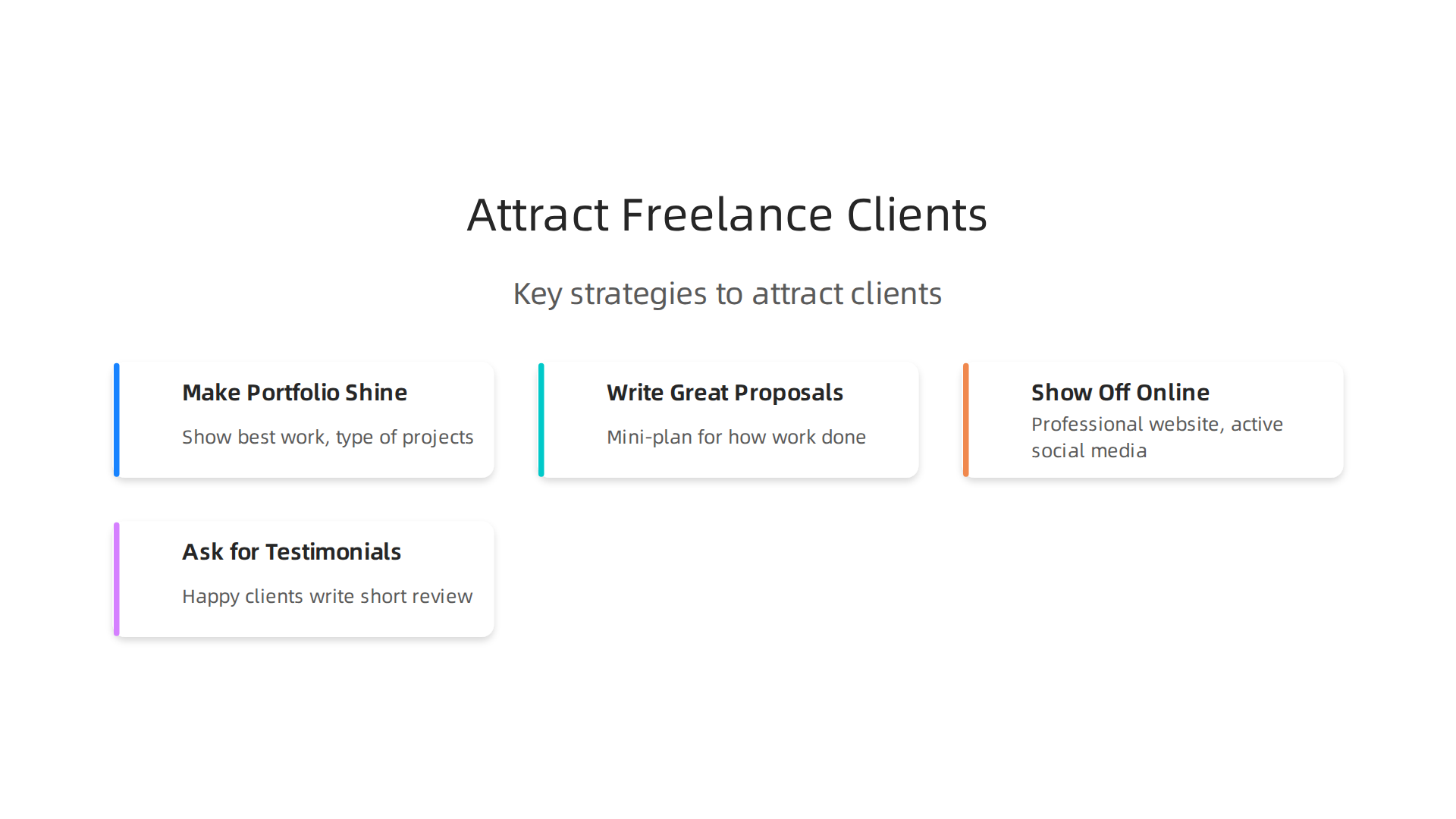
1. Make Your Portfolio Shine: Your portfolio is like your resume for designers. It should show your best work and the kind of projects you want to do. If you want freelance fashion designer jobs, show off your clothing designs. For interior design jobs, include photos of spaces you’ve created. A strong portfolio helps you get noticed. Learning How to build a UI/UX designer portfolio that wins clients in 2026 can offer great tips, even if your focus is fashion or interior design, because the principles of showcasing work are similar.
2. Write Great Proposals: When a possible client asks for help, you send them a proposal. This is like a mini-plan for how you’ll do the work. It should clearly state what you will do, how long it will take, and how much it will cost. Experts say you should use tools to send polished proposals quickly and clearly state your project timeline, what you will deliver, and the cost involved to get freelance design clients in 2026.
3. Show Off Online: Having a professional website and being active on social media helps clients find you. Many independent designers get clients from Instagram and TikTok by showing real people using or wearing their designs. Your own website is also a key place for sales. You can learn How to Get More Fashion Designer Clients (2026 Guide) by using these online spaces well.
4. Ask for Testimonials: When you finish a project, ask your happy clients to write a short review about working with you. These "testimonials" are powerful because new clients trust what others say. They show you do good work and are easy to work with.
How to Price Your Projects
Deciding what to charge can be tricky. Here are a few ways to think about it:
- Hourly Rate: You charge a set amount for every hour you work. This is good for small tasks where the total time is hard to guess upfront.
- Project-Based Fee: You agree on one price for the whole project, no matter how many hours it takes. This is often better for bigger jobs like designing a whole new clothing line or redoing a room. Clients like this because they know the full cost ahead of time.
- Value-Based Pricing: This means you charge based on the value you bring to the client, not just your time. If your design will help a fashion brand make a lot more money, you might charge more for that impact.
Always be clear about your pricing. Make sure both you and your client know what the final cost will be before you start.
Contracts and Project Scope
No matter the size of the freelance design jobs, it’s smart to have a simple contract. This is a written agreement that explains:
- What you will do: A list of all the tasks you’ll complete.
- What you will deliver: The final things you’ll give the client (e.g., sketches, mood boards, finished designs).
- When it will be done: A clear timeline for the project.
- How much it costs: The agreed-upon price and when payments are due.
- Revisions: How many changes or edits are included in the price.
Having a contract helps avoid any confusion later on. It protects both you and your client.
By doing these things, you can build a strong freelance career, taking on exciting design jobs and helping clients bring their visions to life.
Building a great freelance career or finding a full-time design job doesn’t stop once you get your first clients or projects. The world of design is always changing. New tools and ideas pop up all the time. That’s why it’s super important to keep learning and growing your skills. This is called "upskilling."
How to Keep Learning and Growing
There are many ways to keep your design skills sharp and open new doors for exciting design jobs:
- Short Courses: These are quick classes that teach you a specific skill, like how to use a new design program or a special drawing technique. Many of these are found online and you can do them at your own speed.
- Certifications: Think of a certification as a special badge that shows you know a lot about a certain design area. In 2026, employers really like certifications that prove you have job-ready skills and can do the work. For example, certifications in UX design are highly valued because they teach you how to make things easy and fun for people to use The Certifications That Are Actually Opening Doors for Professionals. Some good ones for creative designers include Certified Interior Designer or Certified Digital Designer 4 Best Creative Designer Certifications in 2026. You can even find many types of courses and certificates for design online Best Design Courses & Certificates 2026.
- Apprenticeships: This is when you learn a skill by working closely with an experienced designer. It’s like having a mentor who teaches you on the job. This is a hands-on way to get better at your craft, whether you’re aiming for interior designer jobs or fashion designer jobs.
- Degree Programs: For some, going back to college for a new degree or a higher degree can be a good path. It offers a deeper understanding of design theories and can lead to different kinds of design jobs. If you’re wondering if a formal education path is right for you, you can explore if a UX designer degree is worth it.
How to Pick the Right Learning Path
Before you jump into a new course or program, think about your career goals. Ask yourself:
- What kind of design jobs do I want? Do you want to work for a big company (in-house role), keep freelancing, or even start your own design business?
- How will this training help me reach that goal? If you want more fashion designer jobs, a course in sustainable fashion might be perfect. If you’re eyeing interior design jobs, learning about new smart home technology could be key.
- What will I gain from this learning? Will it help you earn more money, get better clients, or just feel happier with your work?
Thinking about what you’ll get back for the time and money you put into learning is important. It’s about finding the best fit for you and where you want your career to go. Staying updated with skills is a must for anyone wanting to succeed in fashion design jobs in 2026 and other design fields.
7. Interview Prep, Negotiation, and Career Progression
After you’ve sharpened your skills and know what kind of design jobs you want, the next big steps are showing what you can do and getting the best deal for your work.

This means preparing for interviews, knowing how to talk about money, and thinking about your future growth.
Getting Ready for Interviews
Interviews can take many forms depending on the type of job you’re seeking, whether it’s for fashion designer jobs, interior designer jobs, or other creative roles.
- Portfolio Reviews: This is your chance to show off your best work. Make sure your portfolio is easy to look at and tells a clear story about your skills. For example, if you want fashion designer jobs, show your strongest designs and creative process. If you want how to build a UI UX designer portfolio that wins clients in 2026, you need to show designs that solve problems for users.
- Technical Interviews: Some design jobs, especially those in digital fields, might have you do a small design test on the spot. This shows how you think and solve problems under pressure. It’s a good idea to practice common design challenges.
- Client Pitches: If you’re freelancing or applying for a role that involves winning new business, you might have to present your ideas to a client. This is like telling a story about how your design can help them. For this, it’s helpful to understand what clients look for.
Finding these design jobs often starts with looking in the right places. Besides general job sites, there are many special job boards for fashion designers. For example, you can find many opportunities on sites focused just on the industry, which can connect you with companies looking for talent in fashion, luxury, and beauty FashionJobs USA – Jobs for fashion, luxury and beauty …. Other platforms like FashionUnited also list many fashion jobs globally Find your fashion job with FashionUnited.
Smart Negotiation Tips
When you get a job offer, it’s time to talk about what you will get in return. This is called negotiation.
- Salary and Pay: Don’t be afraid to ask for what you’re worth. Do some research to know the typical pay for similar design jobs in your area. For example, you can look up UI UX designer jobs 2026 salary benchmarks and hiring tips for SMBs to get an idea of pay rates. Think about your skills, experience, and what you bring to the company. It’s okay to ask for a bit more than what they first offer.
- Contract Terms: If you’re a freelancer, make sure your contract clearly states what you will do, how much you will be paid, and when. For full-time jobs, look at benefits like health insurance, vacation time, and chances for training. Sometimes, getting better benefits can be just as good as more money.
Your Path Forward: Career Progression
Design careers aren’t just about finding one job and staying there forever. There are many steps you can take to grow.
- Senior Designer: After some years of experience, you might become a senior designer. This means you handle bigger projects and might guide younger designers.
- Creative Director: This role means you lead a whole team of designers. You set the vision for design projects and make sure everything looks great and fits the company’s goals. This often involves working with other parts of the business.
- Principal Designer or Consultant: Some designers become experts in their field and might work as principal designers, leading the most important projects, or become consultants who advise many different companies.
To reach these higher-level design jobs, you need to keep learning, prove your skills, and build a strong network. Thinking about these steps from the start can help you plan your career journey and aim for those exciting future roles.
Summary
This guide helps aspiring and experienced designers navigate the shifting job market for fashion and interior design in 2026. It explains the main role types— in-house, agency, freelance and cross-disciplinary— and why understanding those paths matters for your career. You’ll learn how to build a standout portfolio that tells your design story, which technical tools (CAD, Adobe, 3D modeling) and soft skills employers value, and how to present case studies that get interviews. The article also covers practical job-search tactics—specialized boards, company pages, recruiters, and targeted alerts— plus how to attract freelance clients, write proposals, set fees, and use simple contracts. Finally, it shows smart ways to keep learning through courses, certifications or apprenticeships and gives advice on interview prep, negotiation, and longer-term career progression. After reading, you’ll know where to focus your skills, how to market your work online, and concrete steps to find and win better design roles in 2026.