
Unlock Predictable Growth with Affiliate Marketing Programs for Small Businesses
This article explains why affiliate marketing is a predictable, performance-based customer acquisition channel for small and mid-sized businesses. It walks thro…


Why Affiliate Marketing Can Be a Predictable Customer-Acquisition Channel for SMBs
For many small and mid-sized businesses, getting new customers can feel like a big challenge. You want to grow, but big marketing budgets are often out of reach. This is where thinking smart about your marketing plan comes in handy. It’s not just about how much you spend, but how wisely you spend it.
One clever way to find new customers that’s gaining a lot of attention in 2026 is called affiliate marketing. Imagine you have a team of salespeople who only get paid when they make a sale for you. That’s pretty much what affiliate marketing is all about!
So, what exactly are affiliate marketing programs? In simple words, it’s when other people or businesses, called affiliates, help you sell your products or services. They share your products with their audience. When someone buys from you because of their help, you give the affiliate a small cut of the money. This makes it a type of performance marketing, because you only pay for actual results. It’s like a focused, smart marketing effort that works for you.
This approach offers some big benefits for businesses, especially those with smaller marketing budgets:
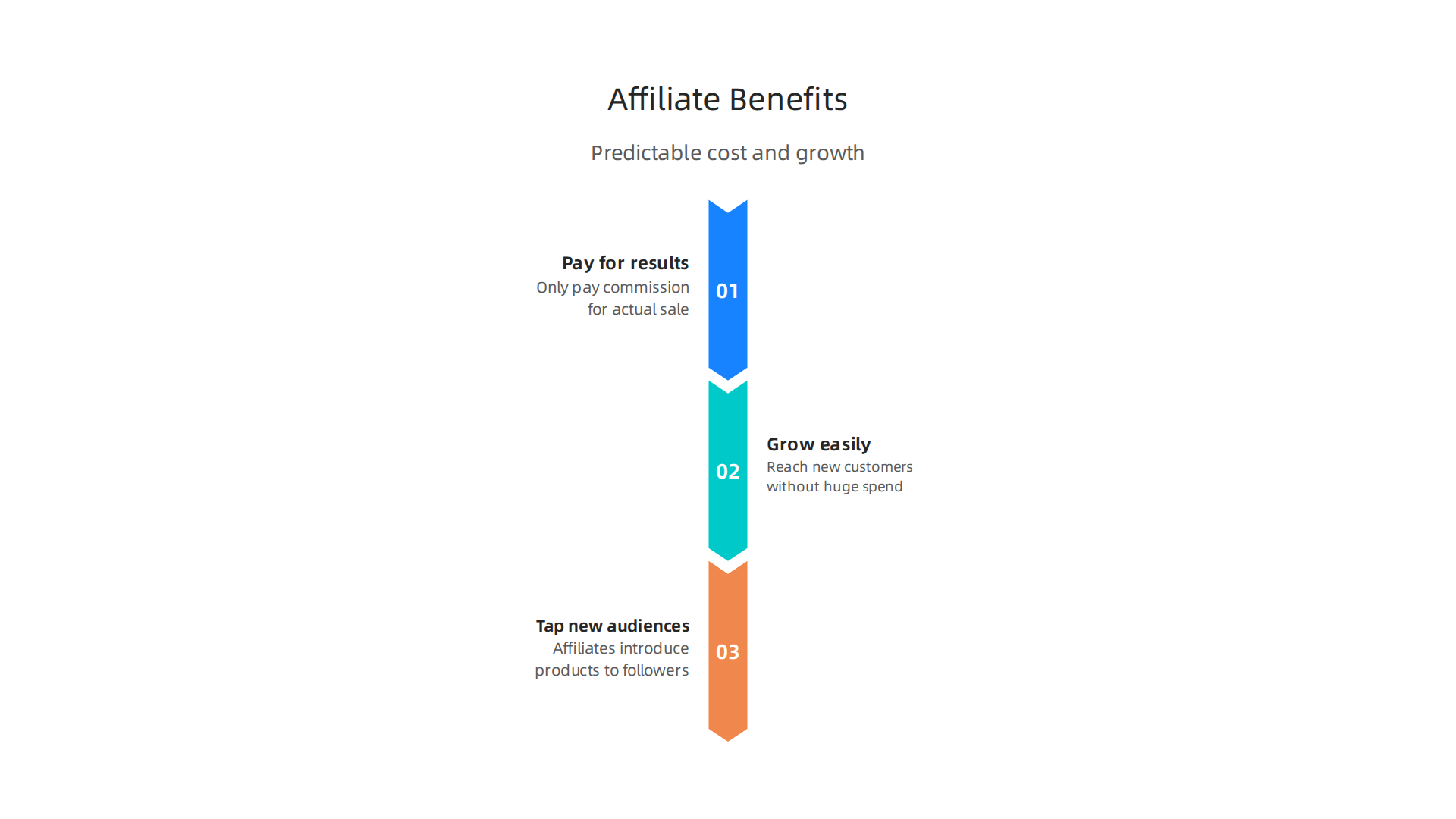
- You only pay for results: Unlike traditional ads where you pay upfront and hope for the best, with affiliate marketing, you only pay a commission when an actual sale or lead happens. This makes your costs very predictable.
- You can grow easily: Affiliate marketing lets you reach many new customers without needing a huge team or a massive marketing spend right away. As your business grows, you can scale up your affiliate efforts. This helps you get consistent leads for growth, much like other smart internet marketing for small business strategies.
- You tap into new audiences: When affiliates promote your business, they introduce your products to their existing followers, who already trust them. This opens up your business to new groups of people you might not have reached otherwise. It’s a bit like having a "guerilla marketing" tactic that uses existing networks to spread the word effectively.
Affiliate marketing programs take away some of the guesswork from getting new customers. It lets you focus your money on what truly works, giving small and mid-sized businesses a fair shot at growing in a busy market.

If you are looking for ways to boost your online presence and bring in more customers, it might be time to think about a service that helps you manage your digital marketing efforts.
Connect your website with Weblish and grow your traffic on autopilot with AI. Grow Your Traffic on Autopilot. Get Started for FREE.
To understand how affiliate marketing programs truly work, let’s look at the different parts that make it happen.

Think of it like a play with four main characters: the merchant, the affiliate, the network, and the customer.
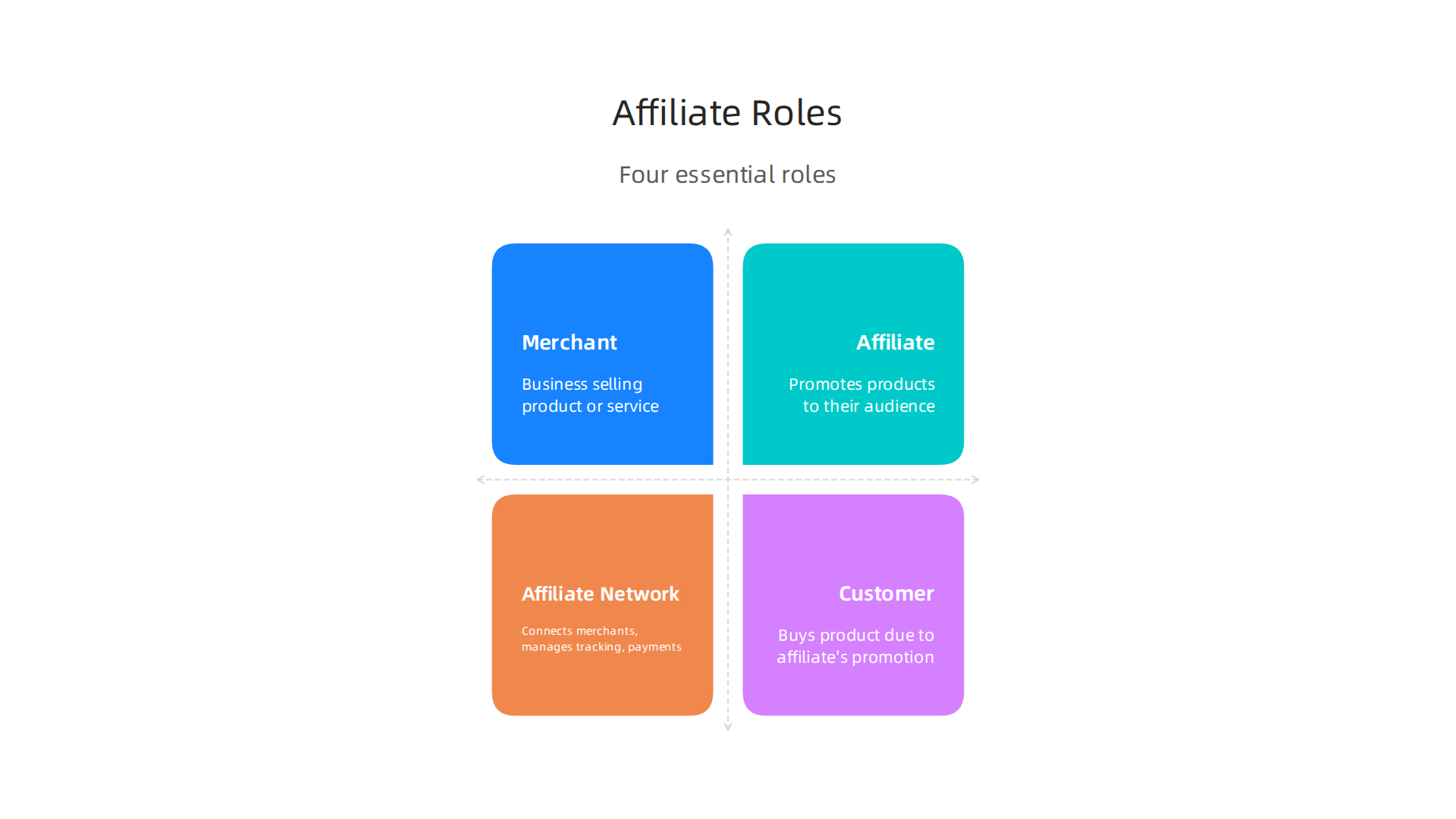
Each one has an important role in making sales and sharing the rewards.
The Main Characters in Affiliate Marketing
- The Merchant (That’s You!): This is the business or person who has a product or service to sell. You want more customers, and you’re willing to pay others to help you find them.
- The Affiliate: This is the person or business that promotes your products. They might have a blog, a social media page, an email list, or a special website. They share your products with their audience.
- The Affiliate Network or Platform: This acts like a helpful middleman. It connects merchants with affiliates and helps manage everything. It keeps track of clicks and sales, and makes sure everyone gets paid correctly.
- The Customer: This is the person who sees the affiliate’s promotion and decides to buy your product or service.
How the Money Flows: Tracking and Commissions
The way affiliate marketing works is quite straightforward.
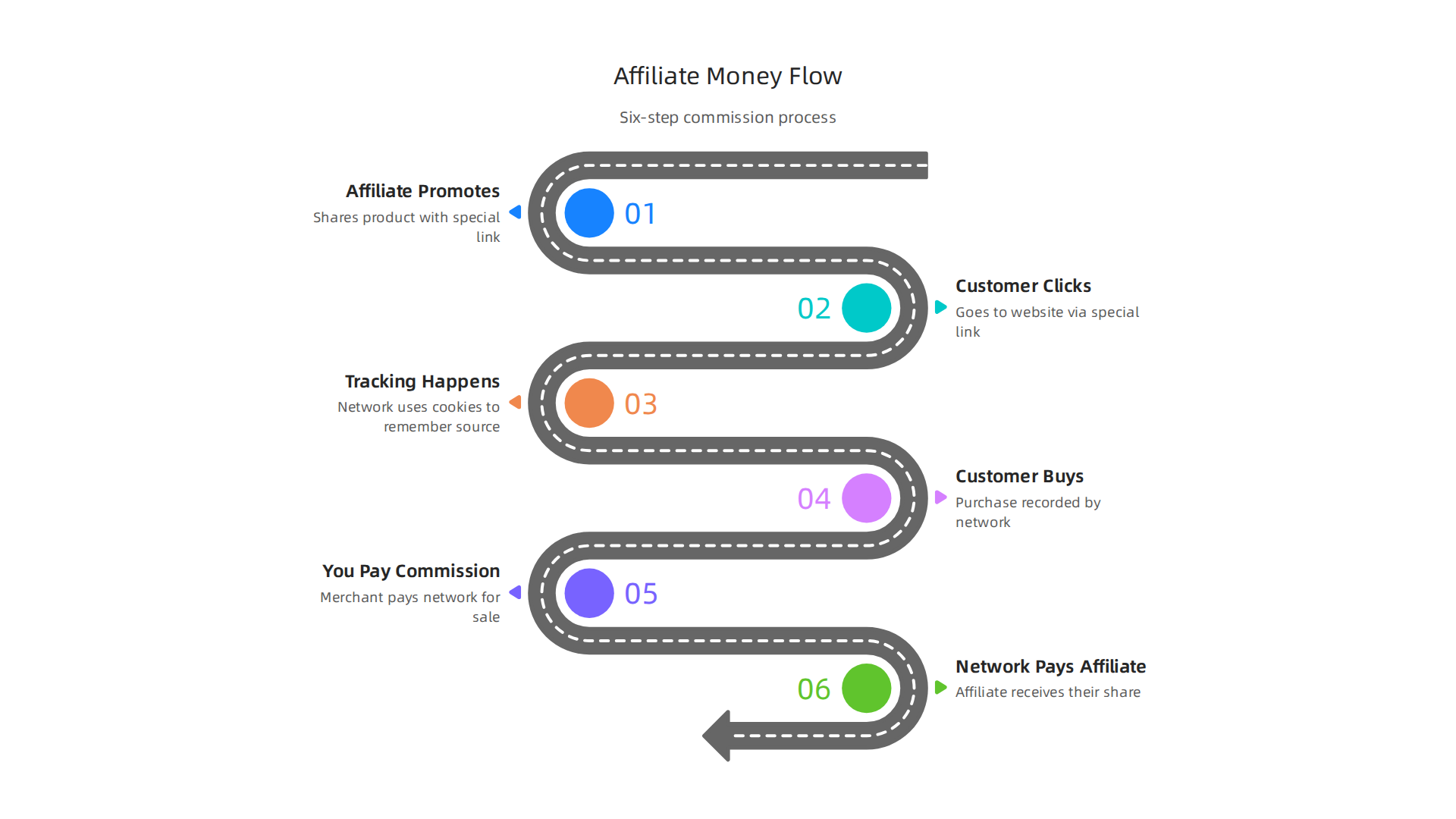
- The Affiliate Promotes: An affiliate shares your product with their audience using a special link. This link is very important because it tells the affiliate network exactly where the customer came from.
- The Customer Clicks: When someone in the affiliate’s audience clicks this special link, they go to your website.
- Tracking Happens: The affiliate network uses small digital tags, often called "cookies," to remember that this customer came from that specific affiliate. This helps track their journey on your site.
- The Customer Buys: If the customer buys your product or signs up for something on your site, the affiliate network records it.
- You Pay a Commission: Because the sale happened thanks to the affiliate, you pay a commission to the affiliate network.
- The Network Pays the Affiliate: The network then pays the affiliate their share of the commission.
This whole process means you only pay when an actual result happens, like a sale or a new customer lead. That’s why it’s a great example of performance marketing.
Different Ways Affiliates Get Paid
There are different models for how affiliates earn their money in 2026. These are called commission models:
- Pay-Per-Sale (PPS or CPS): This is very common. You pay a percentage of the sale price or a set amount each time an affiliate drives a customer to buy your product. For example, if your product costs $100 and the commission is 10%, the affiliate gets $10. This model is popular for e-commerce and digital products Affiliate Commission Guide: Structures + Industry Benchmarks.

- Pay-Per-Lead (PPL or CPL): With this model, you pay the affiliate a fixed amount when they bring you a "lead." A lead could be someone who signs up for your newsletter, fills out a form, or starts a free trial. This is often used for services or businesses that need to gather customer interest before a sale Affiliate Commission Rates 2026: 20% Median (Real Data).
- Cost Per Action (CPA): This is a broader term that includes paying for specific actions, like a sale, a lead, or even an app install. It’s a very flexible model Affiliate Commission Models Explained: CPA, CPM, Revenue Share ….
- Revenue Share (RevShare): This model is great for products or services that customers pay for over and over, like software subscriptions. The affiliate earns a percentage of the customer’s ongoing payments, not just the first one.
Choosing the right commission model helps make sure both you and your affiliates are happy. Some businesses even use "hybrid" models, which mix different payment types for the best fit Choose the Best Affiliate Commission Model for 2026. By understanding these players and how money flows, you can better plan your own marketing plan to bring in new customers reliably.
Now that we understand how money flows in affiliate marketing, the big question is: how do you keep track of it all? Setting up tracking and knowing who gets credit for a sale might sound like a job for a huge tech team. But don’t worry! Even small businesses can set up solid tracking for their affiliate marketing programs without needing a huge technical staff.
The main idea is to make sure you know exactly when an affiliate sends you a customer who buys something. This way, everyone gets paid fairly.
Essential Tracking Tools for Small Businesses
Here’s a simple checklist of what you need to track your affiliate marketing programs effectively in 2026:
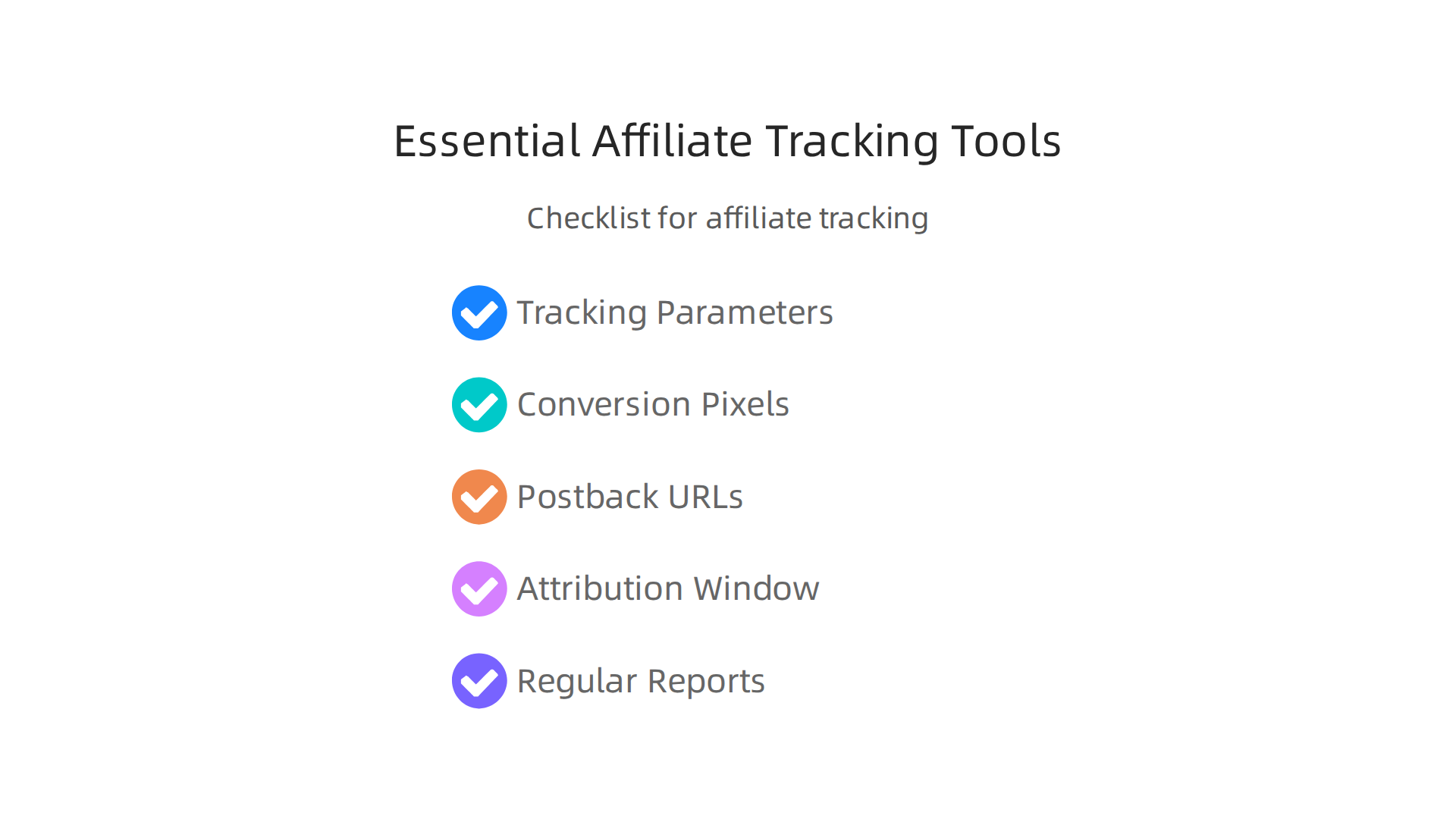
- Tracking Parameters: These are special tags added to affiliate links. Think of them as unique codes that tell you where each customer came from. The most common ones are UTM parameters, which help you see which affiliate, campaign, and source drove the traffic. Using these helps you keep a clean record of your traffic sources and know what’s working best Affiliate marketing attribution that actually works.
- Conversion Pixels: These are tiny bits of code you put on your website, usually on the "thank you" page after a purchase or sign-up. When a customer lands on this page, the pixel "fires" and tells your affiliate network that a sale or lead happened. This is how the network knows to give credit to the right affiliate. Many affiliate tracking programs will help you set these up Affiliate Tracking Programs Guide 2026.
- Postback URLs (Server-Side Tracking): While pixels are still used, experts in 2026 are moving towards something called server-side tracking, often using postback URLs. This is a more reliable way to track sales because it happens on your website’s server, not just in the customer’s web browser. This helps get around issues with web browsers blocking cookies or privacy settings that can stop pixels from working right. It’s considered the "gold standard" for accurate tracking today The 2026 Guide to Affiliate Tracking.
- Attribution Window: This is how long an affiliate gets credit for a customer after they click their link. For example, if your attribution window is 30 days, and a customer clicks an affiliate’s link and then buys your product within 30 days, the affiliate gets the commission. This window should usually match how long it takes for your customers to make a buying decision Ecommerce Affiliate Tracking & Attribution | Operator Guide.
- Regular Reports: You’ll want to check your sales and affiliate performance often. Most affiliate networks provide clear reports that show you which affiliates are bringing in the most sales and leads.

Simple vs. Advanced Setups
For most small businesses just starting their affiliate marketing efforts, relying on a good affiliate network or platform is usually enough. These platforms are designed to handle all the tracking for you, from creating special links to processing payments. They have built-in tools that simplify the whole process.
As your program grows, you might think about more advanced ways to track things. This could include using more complex attribution models (which look at all the steps a customer takes before buying, not just the last click) or adding extra fraud prevention measures. For these deeper setups, you might consider hiring a specialist or asking for help from your affiliate network. They can help make sure your tracking is super accurate and keeps up with the latest rules for privacy and data.
By setting up these basic tracking pieces, you create a fair and clear system for your affiliate marketing programs. This helps you pay affiliates correctly, know which efforts are bringing in real results, and grow your business over time. Want to make sure your website is always bringing in new visitors?
Ready to transform your website into a lead generation machine? Grow Your Traffic on Autopilot with AI.
For small businesses, setting up a solid system for affiliate marketing programs doesn’t have to be a big headache. Many popular website systems, like WordPress for blogs or Shopify for online stores, make it super easy. You don’t need to be a tech wizard to get started.
Simple tools and plugin approaches for non-technical teams
Most of these systems offer ready-made tools called plugins or apps. Think of them like add-ons that give your website new powers. For affiliate marketing, these plugins can do all the heavy lifting. They help you create special links for your affiliates, keep track of who clicks what, and record sales automatically. This means your non-technical team can manage your affiliate marketing efforts without needing a coder to step in for every little thing.
When using these simple tools, you are basically plugging in a system that already knows how to handle tracking. It saves you time and helps you focus on finding great partners for your performance marketing.
However, there comes a time when simple plugins might not be enough. If your business grows very fast, or you need to do something very specific that a standard plugin can’t handle, you might need a more advanced setup. This is when a "low-code" or "developer-assisted" approach becomes necessary. This might mean using a more flexible tracking platform that allows for some custom changes, or even hiring a specialist to help connect different systems. They can help build a marketing technology for small businesses stack that generates leads that is perfectly suited for your unique needs. This way, your affiliate program can keep growing and remain accurate, no matter how complex your goals get.
Okay, so you’ve learned about simple tools for your affiliate marketing programs and when you might need something more advanced. Now, let’s talk about where your affiliate program will live. Think of it like deciding if you want to host a party at your house, rent a small event space, or use a huge convention center. Each choice has its own good and bad points for small businesses.
Best Affiliate Programs and Networks for SMBs (How to Choose)
For small and mid-sized businesses (SMBs), picking the right place to run your affiliate marketing efforts is super important. You want to make sure you get good value and connect with the right people. There are generally three main ways to set up your program.
1. Self-Hosted Programs
This is like hosting the party at your own house. You use tools and plugins on your own website, as we talked about before.
- Good points: You have total control over everything. You don’t pay extra fees to a big network. You can make the program exactly how you want it.
- Things to think about: You have to do all the work yourself, like finding affiliates and managing their payments. This can take a lot of time.
2. Independent Affiliate Networks
These are like event spaces that specialize in certain kinds of parties. They are third-party companies that bring together businesses (like yours) and many different affiliates. Examples include ShareASale or CJ Affiliate.
- Good points: They help you reach many affiliates quickly. They have tools for tracking, reporting, and handling payments, which saves you a lot of work. They also often help prevent fraud.
- Things to think about: These networks charge fees. This might include a setup fee, a monthly fee, or even a percentage of the sales your affiliates make. You also have less control over the look and feel of your program on their platform.
3. Large Marketplaces
These are like huge convention centers, such as Amazon Associates or eBay Partner Network. They are usually for businesses selling products on their platforms.
- Good points: They have a massive audience and many people already use them as affiliates. It can be very easy to get started.
- Things to think about: Commissions are often lower on these platforms. You have very little control over your brand’s presence, and they might not fit businesses that sell services or digital products.
How to Choose the Best Option for You
When you’re deciding, think about these key things:
- Fees: How much will it cost to join and keep using the platform or network? Look at setup fees, monthly charges, and how much of a cut they take from your performance marketing efforts.
- Reach: Does the network have many affiliates? More importantly, does it have affiliates who work in your specific type of business? For example, if you sell handmade jewelry, you want affiliates who focus on crafts or fashion.
- Vertical Fit: Some networks are better for certain industries, or "verticals." If you sell software, you might look for a network known for tech affiliates.
- Onboarding and Support: How easy is it to get your affiliate marketing program set up? What kind of help do they offer if you run into problems?
- Payment Terms: How and when will your affiliates get paid? What kind of commission structure will you use? In 2026, common models include Cost Per Action (CPA), where affiliates get paid for a specific action like a sign-up, or Pay Per Sale (PPS), where they get a percentage of each sale they make through their links. You might also see Pay Per Lead (PPL), where they earn money for each qualified lead they send your way. Understanding these models is key for setting up your program effectively Affiliate Commission Models Explained: CPA, CPM, Revenue Share …. The best choice depends on your business and what you want to reward.
The best choice for your small business depends on your specific goals, how much time you have, and your budget for this important part of your overall marketing plan. If you’re looking to consistently improve your online presence and ensure all your digital marketing efforts work together, a service that handles the technical details can be a game-changer.
Ready to take your website to the next level? Grow Your Traffic on Autopilot.
Now that you’ve thought about where your affiliate marketing programs will live, the next big step is finding the right people to join them. These people are your affiliates. Think of them as helpful partners who spread the word about your business. Getting them on board and working well with them is key to making your program a success.
Recruiting, onboarding, and managing affiliates (operations playbook)
Let’s break down how to find, welcome, and work with your affiliates.
Finding Your Perfect Affiliate Partners
Finding the right affiliates is like finding the right salespeople who really believe in what you offer. You want people who already talk to the kind of customers you want.
- Look for People Who Already Love You: Start with your current customers, blog readers, or social media followers. They already know and like your business. Ask them if they’d like to join your affiliate marketing program.
- Spy on Your Rivals (in a good way!): See who promotes products like yours. If they’re working with competitors, they might be open to promoting your stuff too.
- Search Online: Use search engines or social media to find bloggers, influencers, or websites in your niche. Look for people who review products or share helpful tips related to what you sell. You can even find helpful guides on how to craft your outreach emails to these potential partners Affiliate Recruitment Strategy & Email Templates for SaaS.
- Use Affiliate Networks: If you chose an independent affiliate network, they already have many affiliates looking for programs. You can browse their lists and invite partners who fit your niche.
When you reach out, be clear about what you offer and why it’s a good fit for them and their audience.
Welcoming New Affiliates (Onboarding)
Once someone says yes, it’s time to welcome them! A smooth onboarding process makes them feel valued and ready to start. Think of it as giving them all the tools and instructions they need. In 2026, many businesses use smart steps for this.
Here’s what a good onboarding process usually includes:
- A Warm Welcome Email: Send a friendly email right away. This email should include their unique affiliate link, how much they will earn (commission terms), and a link to all the program rules Affiliate Onboarding Email Template for SaaS. It helps to include a few ready-to-use things like a short product description or a picture.
- An Affiliate Dashboard: This is like their personal hub where they can see their sales, check their earnings, and get creative materials.
- Helpful Resources: Give them banners, images, and text examples they can use to promote your business. An affiliate welcome kit can be very useful here, often containing a program overview and approved ways to talk about your products Affiliate Welcome Kit Checklist: Complete Guide for 2026.
- Clear Payout Schedule: Explain exactly when and how they will get paid. This builds trust.
- Some Training: Maybe a short video or a simple guide to show them how everything works. This helps them get started faster and better. Many companies follow specific steps to make sure affiliates are onboarded well Affiliate Onboarding Guide: 11 Steps to Success.
- Offer Incentives: Consider giving a small bonus for their first sale or a higher commission rate for their first month. This can really get them excited and active Affiliate Onboarding and Activation Guide for SaaS.
You can use templates and checklists to make this process easy and make sure you don’t forget anything important for your performance marketing partners Affiliate onboarding checklist.
Keeping Affiliates Happy and Active (Management)
Running affiliate marketing programs is not just about signing people up. It’s about keeping them engaged and helping them succeed.
- Talk to Them Often: Send regular emails with updates, new products, or special offers.
- Check Performance: Keep an eye on how your affiliates are doing. Who is sending you the most traffic? Who is making the most sales? This helps you see what’s working.
- Give Feedback: If an affiliate isn’t doing so well, offer tips to help them improve. If they’re doing great, tell them!
- Review and Adjust: Every now and then, look at your whole program. Are the commissions fair? Are your affiliates happy? Is your marketing plan actually bringing in the leads you want? Make changes as needed to keep things fresh and rewarding. This ongoing support helps you build a strong team of partners for your business.
Performance tiers, incentives, and creative briefs you can use
To keep your team of affiliates motivated and successful, think about offering different ways for them to earn money and clear guidelines for how to talk about your brand. This helps your affiliate marketing programs run smoothly and grow.
Performance Tiers and Incentives
Imagine you have different levels for your affiliates, like bronze, silver, and gold. As they make more sales, they move up to a higher tier and earn a bigger percentage of each sale. This encourages them to work harder. You can also offer special bonuses, like a $25 reward for their very first sale or a temporary boost in their commission rate for a month. Things like this, including contests, can really get affiliates excited and active, as noted in one Affiliate Onboarding and Activation Guide. Such boosts are a key part of your overall performance marketing plan.
Simple Creative Briefs
To make sure all your affiliates share your message correctly, give them a simple creative brief. This is like a mini-guide that includes your brand’s logos, main colors, and easy-to-understand messages about your products. It helps them create content that matches your business style. This way, everyone is on the same page, and your brand looks consistent across all the different promotions.
To ensure your overall marketing strategy is hitting all the right notes and driving consistent traffic to your business, it’s helpful to review your entire online presence.
Grow Your Traffic on Autopilot
When setting up your affiliate marketing programs, thinking about how you pay your partners is just as important as how you motivate them. Clear payment models and understanding the rules help your program succeed.
Monetization models, commission types, and legal/compliance basics
Choosing the right way to pay your affiliates helps them and your business. Here are some common ways:
Different Ways to Pay Affiliates
- Flat CPA (Cost Per Action): This means you pay a fixed amount for a specific action, like when someone signs up for your service or fills out a form. For example, you might pay $50 for every new customer an affiliate brings in. This is simple and clear.
- Percentage of Sale: This is very common. Affiliates earn a percentage of the total sale price. If your product costs $100 and you offer a 10% commission, the affiliate gets $10 for each sale. This encourages them to sell higher-priced items.
- Hybrid Models: Some businesses mix these. An affiliate might get a small flat fee for a lead, plus a percentage if that lead turns into a sale. This can be a great way to reward different steps in the sales process.
One-Time vs. Recurring Commissions
You also need to think about if you’ll pay once or ongoing.
- One-Time Commissions: Most products pay this way. An affiliate makes a sale, they get paid for that sale, and that’s it. This is straightforward for physical products or one-time services. If you’re looking into higher earning potential, some high-ticket affiliate marketing drives big commissions for small businesses.
- Recurring Commissions: This is often used for subscription services or products that customers pay for every month. The affiliate gets a percentage of the payment each time the customer renews. This can be a huge motivator for affiliates, as they build up a steady income stream. However, it also means your business has to budget for these ongoing payments, which affects your profit margins over time.
Following the Rules: Legal and Compliance Basics
It’s super important to follow the rules when running affiliate marketing programs, especially in 2026. This protects your business and your customers.
The main idea is transparency. Affiliates must tell people when they are getting paid to promote a product. This is called a "disclosure." In the United States, the Federal Trade Commission (FTC) says these disclosures must be "clear and conspicuous," meaning easy to see and understand. For example, an affiliate should clearly say "#ad" or "I get a commission if you buy through this link" right next to their recommendation FTC Affiliate Disclosure 2026: Rules + $51,744 Penalties.
Globally, other places like the UK and the European Union also have strict rules about clearly showing commercial relationships. Regulators expect these disclosures to be "unavoidable, understandable, and unambiguous" Affiliate Compliance 2026: Global Laws & Best Practices. If you don’t follow these rules, your business could face big fines.
Here are some basic things small businesses should do:
- Make it clear: Tell your affiliates they must disclose their relationship with your brand in all their promotions.
- Provide examples: Give them simple phrases like "#ad" or "sponsored" to use.
- Check on them: Sometimes look at what your affiliates are posting to make sure they are following the rules.
- Tax forms: In the US, if you pay an affiliate $600 or more in a year, you’ll need to collect a W-9 form from them and report it to the IRS with a 1099-NEC form. This video explains more about Starting Affiliate Programs: Affiliate Marketing Compliance for Businesses.
Following these guidelines keeps your affiliate marketing programs fair and legal.
After you understand the rules for your affiliate marketing programs, the next step is to make managing them easier. For small businesses in 2026, automation and the right tools are key to making your program grow without a lot of extra work.
Tools, automation, and scaling: making a small program sustainable
Running successful affiliate marketing programs can take a lot of time. That’s why smart businesses look for ways to automate some tasks. Automation means using special software to do things for you, like signing up new partners, sending out payments, or letting you know how well your marketing plan is working. This helps you save time and focus on other parts of your business.
When to Use Automation
Think about adding automation when you find yourself doing the same tasks over and over.
- Onboarding New Affiliates: When new partners join your affiliate marketing programs, you need to give them links, information, and rules. Automation can send out a welcome email with all these details, so you don’t have to do it by hand every time.
- Making Payments: Paying your affiliates accurately and on time is very important. Special tools can track sales and commissions, then send payments automatically. This makes sure your partners are happy and paid correctly.
- Performance Alerts: You want to know if an affiliate is doing really well or if they need some help. Automation can send you alerts about how your affiliates are performing. This helps you quickly fix problems or reward great work.
Important Tools for Your Affiliate Program
To keep your affiliate marketing programs running smoothly, you’ll need a few kinds of tools. These tools help you keep everything organized, from tracking sales to talking with your partners. Many small businesses find that the best affiliate marketing software for 2026 helps them manage everything in one place Best Affiliate Marketing Software for Small Business in 2026.
Here are the main types of tools you’ll want to look for:
- Tracking Tools: These are super important. They make sure you know exactly where sales are coming from. They track clicks, leads, and sales, so you can pay your affiliates correctly.
- Payout Tools: These tools handle sending money to your affiliates. They can make sure payments are made on time and follow all tax rules.
- Affiliate CRM (Customer Relationship Management): This is like a special contact book for your affiliates. It helps you keep track of all your partners, what they are promoting, and how you communicate with them.
- Creatives Management: Your affiliates need things to promote your products, like banners, images, and special links. These tools help you share those "creatives" easily.
- Reporting Dashboards: These tools show you how your whole program is doing. You can see sales numbers, top-performing affiliates, and how much money you are making. This helps you make smart choices for your marketing plan.
Using the right marketing technology helps small businesses generate leads and boosts their overall efficiency. Actually, for small businesses, managing all these moving parts can be a big challenge. That’s where a comprehensive service like Weblish can really help. Weblish provides AI-driven website growth services that take care of web design, SEO, and ongoing management, helping businesses save time and cut costs. If you are looking for ways to streamline your online presence and digital marketing efforts, exploring a complete marketing technology for small businesses stack that generates leads is a smart move.
When you use the right tools and automation, your affiliate marketing programs can grow bigger and become a strong part of your performance marketing efforts, all without overwhelming you or your team.
Connect your website with Weblish and grow your traffic on autopilot with AI. Grow Your Traffic on Autopilot
Summary
This article explains why affiliate marketing is a predictable, performance-based customer acquisition channel for small and mid-sized businesses. It walks through the players (merchant, affiliate, network, customer), how money and tracking flow, and the common commission models like pay-per-sale, pay-per-lead, CPA, and revenue share. The guide shows practical tracking choices for SMBs—from UTM parameters and conversion pixels to server-side postbacks—and compares hosting options: self-hosted programs, independent networks, and large marketplaces. It also covers recruiting, onboarding, motivating and managing affiliates with performance tiers and creative briefs, plus automation tools to streamline payments and reporting. Finally, the article highlights legal requirements and tax rules, so you can run a compliant program that scales without wasting budget.