Newspaper Graphic Design Layout Skills Tools for 2026 Roles
This guide explains why newspaper graphic design remains vital in 2026 and shows how the same principles power both print and digital publishing. It walks throu…

Why newspaper graphic design still matters – and who this guide is for
Even in 2026, newspaper graphic design remains a powerful tool. It’s not just about making things look pretty. It’s about arranging words, pictures, and other elements on a page so readers can easily understand the news and stay interested. Think of it as the art of making information easy to digest, whether that information is in a physical newspaper or on a screen. Good layout design guides your eyes, tells you what’s important, and keeps you reading.
At its core, newspaper graphic design uses things like grids, typography (the style of letters), and clear visual structure. These elements work together to create a consistent look that helps readers know what to expect and where to find it. For example, using a design grid helps align elements and maintain a consistent look from one page to the next. This careful planning makes articles more readable and enjoyable, which is key for both traditional print and modern hybrid publishing that mixes print with digital content. Good design principles, like readability and visual hierarchy, are always important to keep readers engaged and make sure your message gets across effectively in any publication.
Many small and mid-sized businesses (SMBs) and news publishers face challenges when it comes to graphic design. It can be hard to find the right talent for graphic design jobs or layout design work. Sometimes, businesses struggle with high costs when hiring designers or using outside help for their newspaper layouts. They might worry if the designer truly understands their needs or if the work will deliver the desired results. Finding reliable support for these important tasks can feel overwhelming, especially when trying to balance quality with budget.
This guide is for anyone who wants to understand the power of newspaper graphic design in today’s world. Whether you’re a small business owner aiming to improve your marketing materials or a news publisher looking to make your content more engaging, this guide will help. It’s also for those exploring graphic design jobs or graphic design contract jobs, offering insights into what makes this field so vital. For businesses looking for help with their design needs, learning how to hire a freelance graphic designer can be a smart step.
If your business needs a stronger online presence that includes great design, remember that getting more traffic to your site is often the first step to success.
Grow Your Traffic on Autopilot
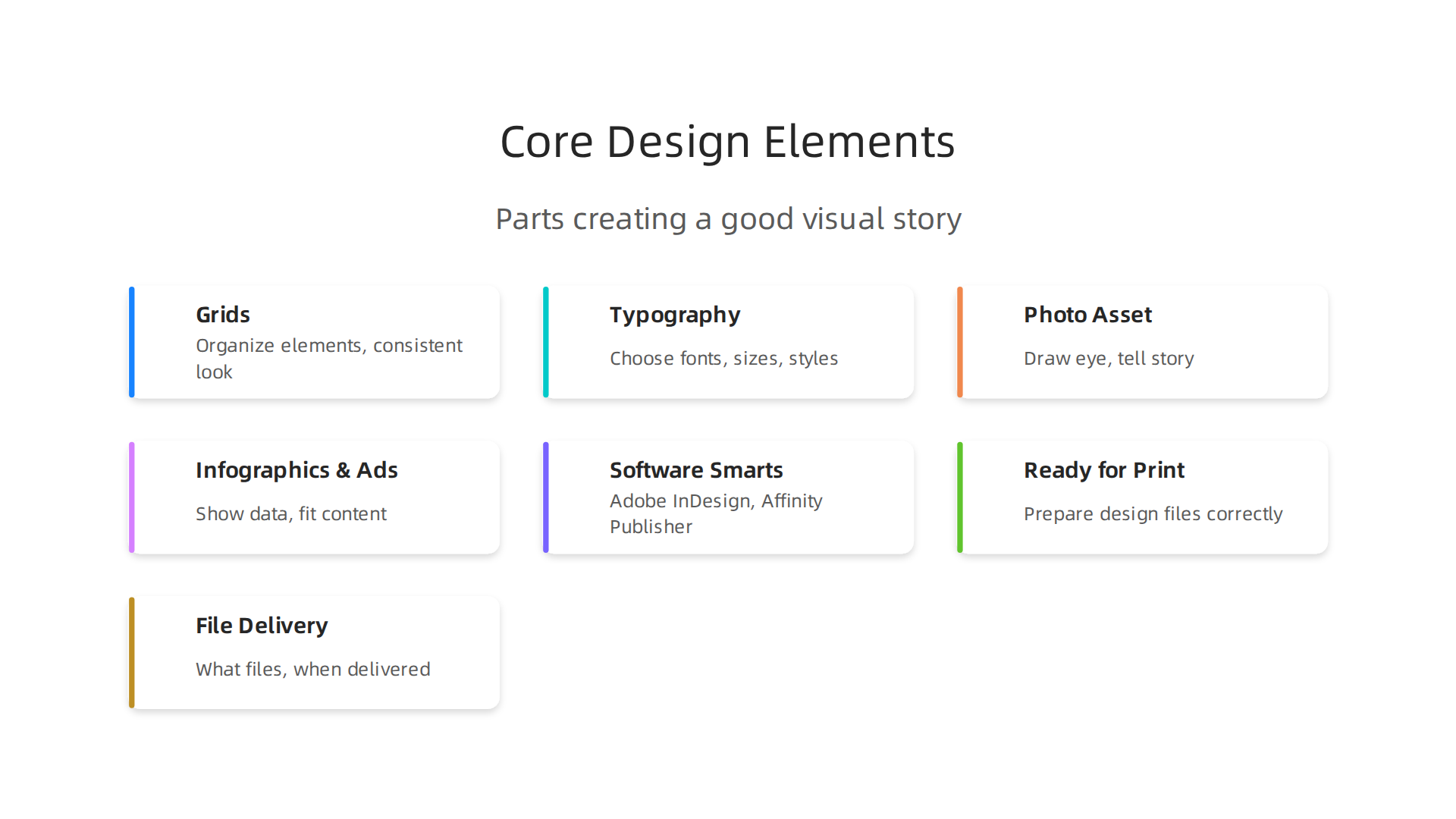
Today, newspaper graphic design and layout are all about making sure people can easily read and enjoy information, no matter if it’s on paper or a screen. This job involves many important parts working together to create a good visual story.
Core Elements of Newspaper Design
- Grids: Think of grids as invisible lines that help organize everything on a page. They make sure text, pictures, and ads line up nicely and look neat. This keeps the design consistent from one page to the next, which is super helpful for readers. Newspapers often use a column grid, splitting the page into two or three vertical sections to keep things organized How Are Newspapers Formatted: The Ultimate Guide to Newspaper Layout & Design.
- Typography: This is about choosing the right fonts, sizes, and styles for all the words. Good typography makes sure words are clear and easy to read. Factors like font choice, size, and spacing really change how easy text is to understand Font Matters: Investigating the Typographical Components of Legibility. It also helps show what’s most important, like making headlines bigger than the main story. Learning about these details is a big part of graphic design jobs.
- Photo and Asset Placement: Where you put pictures, drawings, and other visual elements matters a lot. They need to be placed so they draw the reader’s eye and help tell the story without getting in the way. It’s about creating a visual flow where the most important message is easy to see Guidelines and Resources | WSU MAC Lab.
- Infographics and Ad Layout: Infographics are pictures that show data or facts in a simple way. Ads also need their own space and design so they catch attention but still fit with the rest of the newspaper. Balancing all these elements is key to good layout design.
Print-First vs. Digital-First and Hybrid Layouts
Newspaper graphic design used to be mostly for print. Designers focused on how things would look on a physical page. But now, with so many people reading news online, there’s a big change.
- Print-first layout means designing for paper first. You think about page size, how ink looks, and how people hold a newspaper.
- Digital-first layout means designing for screens, like phones or computers, first. Here, you think about how things look on different screen sizes, how fast a page loads, and how people scroll. This approach often involves understanding what is UI design to make the online experience smooth.
- Hybrid workflows are common now. This means designers create content that works well for both print and digital. They need to think about how a story will look and feel whether it’s held in someone’s hands or viewed on a tablet. This kind of work is vital for those in graphic design contract jobs or set design jobs that involve adapting visuals across platforms.
Good graphic design principles, like keeping a clear visual order and making content easy to read, are important for both traditional and digital formats. They help make sure your message is always understood and looks professional, which are key graphic design principles that turn your website into a lead generator.
Good graphic design principles are always important. But what specific skills do people need for newspaper graphic design jobs in 2026? Employers look for a mix of technical know-how and smart design thinking.
Core skills employers look for in newspaper design jobs
To do well in newspaper graphic design today, you need to master certain tools and ways of thinking. These skills help you create layouts that look great and are easy for everyone to read, both in print and online.
Technical Skills
First up are the technical skills. These are about knowing how to use the right computer programs and prepare files correctly.
- Software Smarts: You need to be good at using design programs like Adobe InDesign, Affinity Publisher, or QuarkXPress. These are the main tools for putting together newspaper pages. Being able to use them well means you can quickly create different layouts and update stories.
- Picture Perfect: Knowing how to get images ready is key. This means making sure pictures are the right size and look clear and sharp for printing or viewing on a screen. You might need to crop them or change their colors so they fit the story perfectly.
- Ready for Print: Understanding "prepress fundamentals" is also important. This means knowing how to prepare your design files so they print correctly, with the right colors and no mistakes. It’s about getting everything ready for the printing press. You want to make sure the final product looks just like you planned, whether it’s a physical paper or a digital edition. Knowing how to set up pages for print can help maintain a consistent layout placement Introduction to Newspaper Design for Print.
Design Thinking
Beyond the tools, employers want people who can think like a designer. This means having good judgment and working well with others.
- Editorial Judgment: This is about understanding the news itself. You need to know which stories are most important and how to make them stand out on the page. It’s about helping the reader understand the main message at a glance.
- Visual Order: Designers create a "visual hierarchy." This means making sure the most important parts of a story (like big headlines) are seen first, and other parts (like small details) are easy to find later. This helps guide the reader’s eyes through the newspaper layout design in a clear way. Visual hierarchy is one of the main principles in newspaper layout Mastering Newspaper Layout: A Comprehensive Guide.
- Font Control: Having good "typographic control" means picking fonts, sizes, and spacing that make the text easy to read. It’s about making sure words don’t look too crowded or too spread out. Readability is super important here because if people can’t easily read it, they won’t.
- Teamwork: You’ll work closely with editors and writers. This collaboration helps make sure the look of the newspaper matches the words and overall message.

Being a good team player is vital for graphic design jobs, whether in newspaper or even graphic design jobs Atlanta 2026 market demand salaries and hiring guide.
Newspaper graphic design roles in 2026 are all about combining these technical and thinking skills to create a great experience for readers. It takes both a creative eye and a sharp mind to succeed.
If you are looking to boost your online presence and ensure your website is a powerful lead generator, you’ll need the right tools and strategy.
Grow Your Traffic on Autopilot
To succeed in newspaper graphic design roles in 2026, you need to use the right tools. These tools help designers create clean and effective newspaper layouts quickly. Let’s look at the main software and how templates make work faster.
Tools, software, and templates used in newspaper layout
In 2026, designers mostly use special software to put together newspaper pages. These programs help arrange text, pictures, and graphics so they look good and are easy to read.
Main Software for Newspaper Layout
The most important tools for newspaper layout are desktop publishing programs. These programs are made for creating pages with lots of text and images.
- Adobe InDesign: This is a very popular choice for professional newspaper graphic design. It helps you control every little detail of your page, from how words look to where pictures sit. Many big newspapers use it because it’s powerful and lets you make exact designs.
- Affinity Publisher: This software is a good option for people or smaller teams looking for something that works well and costs less. It offers many of the same features as InDesign for creating great layout design.
- QuarkXPress: Another long-standing tool in the industry, QuarkXPress is still used by many for its strong layout features.
These programs are top choices for newspaper layout software in 2026 because they offer features like grids, typography controls, and ways to prepare files for both printing and digital viewing Top 10 Best Newspaper Layout Software of 2026.
Other Helpful Graphic Design Tools
Newspaper designers don’t just use layout software. They also use other programs for different parts of their job.
- Image Editing: Tools like Adobe Photoshop are essential for making photos look their best. Designers might crop, resize, or adjust colors in pictures before placing them on a page.
- Vector Graphics: Programs like Adobe Illustrator help create logos, maps, or charts that can be resized without losing quality. These are often used for set design jobs within a newspaper.
- Data Visualization: For news stories that involve a lot of numbers, designers use tools like Datawrapper or even Microsoft Excel to turn complex data into easy-to-understand graphs and charts. You can learn more about visual journalism tips and tools through online resources Visual Journalism Tips and Tools.
How Templates and Design Systems Speed Things Up
Imagine having to draw a new page layout from scratch every single day. That would take too much time! This is where templates and design systems come in handy for newspaper graphic design jobs.
- Templates: These are pre-made page designs. A template might have placeholders for the headline, body text, and images. Designers just drop in the new content. This saves a lot of time and makes sure all pages have a similar, organized look.
- Design Systems: These are like rulebooks for design. They include specific fonts, colors, and ways that different parts of the newspaper should look. Using a design system means every designer follows the same guidelines, which keeps the newspaper’s brand consistent and recognizable, whether it’s a daily paper or a special edition.
Using these tools and systems helps designers work faster and smarter. They can focus on telling the story visually, rather than getting caught up in repetitive tasks. If you’re looking for more inspiration on how good design can drive engagement, check out these 9 graphic design ideas for small business websites that generate leads.
For any business, having the right online tools can make a huge difference in attracting customers. If you want your website to work harder for you, consider a solution that helps you connect with more people easily.
Grow Your Traffic on Autopilot
Now that you know what tools are best for newspaper graphic design, let’s look at how to find work in this exciting field. Whether you want a full-time job or freelance projects, there are many ways to start or grow your career.
How to find newspaper graphic design & layout jobs (freelance and staff)
Finding newspaper graphic design jobs involves knowing where to look and how to show your skills. You can find both full-time positions and graphic design contract jobs, sometimes called freelance roles.
Where to Look for Jobs
There are several places to search for newspaper layout design opportunities in 2026.
- Local Newsroom Listings: Many local newspapers and media companies post job openings directly on their websites or through local job boards. These are great places to find staff positions where you work as part of a team every day.
- Specialized Job Boards: Websites made for media and creative jobs are very helpful. These platforms list jobs for designers in journalism, publishing, and other media roles. For example, you can find many media and creative jobs on Mediabistro: Media & Creative Jobs or look for media professionals on JournalismJobs.
- General Design Job Boards: Larger job sites often have sections for graphic design jobs, including those related to print media. These can include listings for newspaper graphic design roles and even set design jobs if a newspaper is creating special event publications or exhibits. You can also check lists of Top 20 Design Job Boards in 2026.
- Freelance Marketplaces: If you prefer to work on your own schedule, sites like Upwork or Freelancer are good for finding graphic design contract jobs. You can find projects that need newspaper layout help or other print design tasks.
How to Get the Job
Finding a job isn’t just about looking; it’s also about how you apply and connect with people.
- Make Your Application Shine: When you find a newspaper graphic design job you like, make sure your application speaks directly to it. Don’t just send a general resume. Highlight any experience you have with newspaper layout or print design.
- Show Your Work: Your portfolio is super important. It’s a collection of your best design work. For newspaper jobs, include examples of page layouts, infographics, or any projects that show you can handle text and images clearly.
- Network and Connect: Talk to people who already work in newspapers or graphic design. Attending industry events or joining online groups can help you learn about hidden job openings and get advice. Sometimes, a friendly chat can open doors to new work.
- Turn Small Jobs into More: If you start with a small freelance task for a newspaper, do your best work. This can lead to more projects or even a full-time offer later on. Building good relationships is key for recurring work.
If you are a freelance designer, it’s very helpful to have a strong online presence. Learning how to turn your freelance designer website into a client-getting machine can make a big difference in getting consistent work.
A strong portfolio and a well-written resume are your best tools for getting noticed when you apply for newspaper graphic design jobs. These tools show what you can do and how you can help a newspaper.
Building a portfolio and resume that wins newspaper roles
When you’re looking for newspaper graphic design jobs, your portfolio and resume are key. They tell hiring managers about your skills and experience. For roles in newspaper graphic design, it’s important to show you understand how to make news look good and easy to read.
What to put in your design portfolio
Your portfolio is a collection of your best work. For newspaper layout design, you should include specific types of projects:
- Before and After Layouts: Show how you improved a newspaper page. Maybe an old, messy page became clean and inviting thanks to your design. This tells employers you can make things better.
- Case Studies that Show Impact: A case study is a story about a project. Explain the problem with a newspaper page or graphic, what you did to fix it, and how your changes made it easier for readers to understand the news. For example, did your infographic make a complex story super clear? Highlight that. Many job listings for newspaper layout design jobs ask for a portfolio showing experience with newspaper layouts and print design specifically, not just general graphic design work. You might use software like Adobe InDesign or Affinity Publisher for this kind of work, as they are popular choices for newspaper design tasks in 2026.
- Examples of Newspaper Work: Include actual newspaper pages, special sections, or digital news layouts you’ve worked on. Show off infographics, charts, and photos you’ve placed. If you’ve done any set design jobs for a newspaper’s special events or online shows, those can also be unique additions.
- Proof You Handle Text Well: Newspaper graphic design isn’t just about pictures. It’s about making words readable. Show that you can work with headlines, body text, and captions to guide the reader’s eye.
Making your resume stand out
Your resume should quickly tell employers you’re a good fit for graphic design jobs in a newspaper setting.
- Highlight Newspaper Experience: Clearly list any past work with newspapers, magazines, or other print media. Even school newspaper work or graphic design contract jobs for small local papers count.
- List Your Skills: Mention specific design software you know well, like Adobe InDesign, Photoshop, and Illustrator. These are standard tools in newsrooms.
- Tailor it: Always change your resume a little bit for each job. If a job asks for someone good at "layout design," use that exact phrase on your resume if it’s true for you.
How to show your work (formats and delivery)
You need to present your portfolio in ways that are easy for hiring managers to see.
- Online Portfolio: This is a must-have in 2026. A website lets you share your work easily with anyone. It’s a great place to show off your newspaper graphic design skills with high-quality images and explanations. Learning how to build an effective online portfolio can help you win more jobs.
- PDF Modules: Have a clean PDF version of your portfolio ready. This is good for emailing or for printing if someone asks for it. You can make different PDF files for different types of jobs if needed.
- Print-Ready Files: For newspaper jobs, it’s a huge plus if you can also show examples of your final files that were ready for printing. This proves you understand the technical side of print production.
Having a strong online presence is super helpful. If you want your design work to reach more people and get more clients, consider how you can Grow Your Traffic on Autopilot by connecting your website with smart tools. If you’re looking for a service that can help you create a professional website that turns visitors into leads and manages your digital marketing, you can Get started with Weblish to explore their services.
After you’ve shown off your great skills with a strong portfolio and resume, the next step is talking about money and making things official. This means understanding how to price your work, what goes into a contract, and how you will work with the newspaper.
Pricing, contracts, and workflow for newspaper design projects
When you take on newspaper graphic design jobs, it’s really important to know how to charge for your work and what legal steps to take. This helps both you and the newspaper.
Common pricing models
There are a few ways designers charge for their services. For newspaper layout design, you might use these:
- Per-Page Pricing: This means you charge a set amount for each page you design. It’s simple and clear for both sides. If a newspaper needs 10 pages designed, they know the total cost upfront.
- Hourly Rates: Many freelance graphic designers charge by the hour. In 2026, general freelance graphic designers in the US often charge anywhere from $25 to $150 per hour, depending on their skills and how much experience they have with different types of graphic design work. Some highly skilled designers might charge even more, up to $225 per hour, while an entry-level designer might start lower. For detailed salary data on employed positions, the average yearly pay for a Newspaper Designer in the U.S. in 2026 is around $31,138, which breaks down to about $14.97 per hour for full-time staff roles
Newspaper Designer Salary: Hourly Rate May 2026 USA. Freelance graphic design contract jobs usually command higher hourly rates to cover self-employment costs. You can explore a wide range of pricing models for design work to help you decide what’s best for your projects How Much Does Graphic Design Cost in 2026? Full Price List.
- Retainer Fees: This is when a client pays you a regular fee each month for a set amount of work. It’s like having a part-time designer always ready. This can be great for ongoing newspaper graphic design needs.
- Value-Based Pricing: For bigger projects or special packages, you might set a price based on the value your design brings to the newspaper, not just the hours you spend. This often comes with specific project deliverables, like creating a new special section layout or improving all newspaper templates. This approach focuses on the results you deliver.
To make sure your pricing is smart and helps your business grow, it’s wise to learn about different ways to set your rates. You can find out more by understanding how to maximize ROI with smart pricing and agency selection.
Contract essentials
No matter how you charge, a clear contract is a must for any graphic design job. This is even more important for newspaper work because of strict deadlines and the need for accuracy.
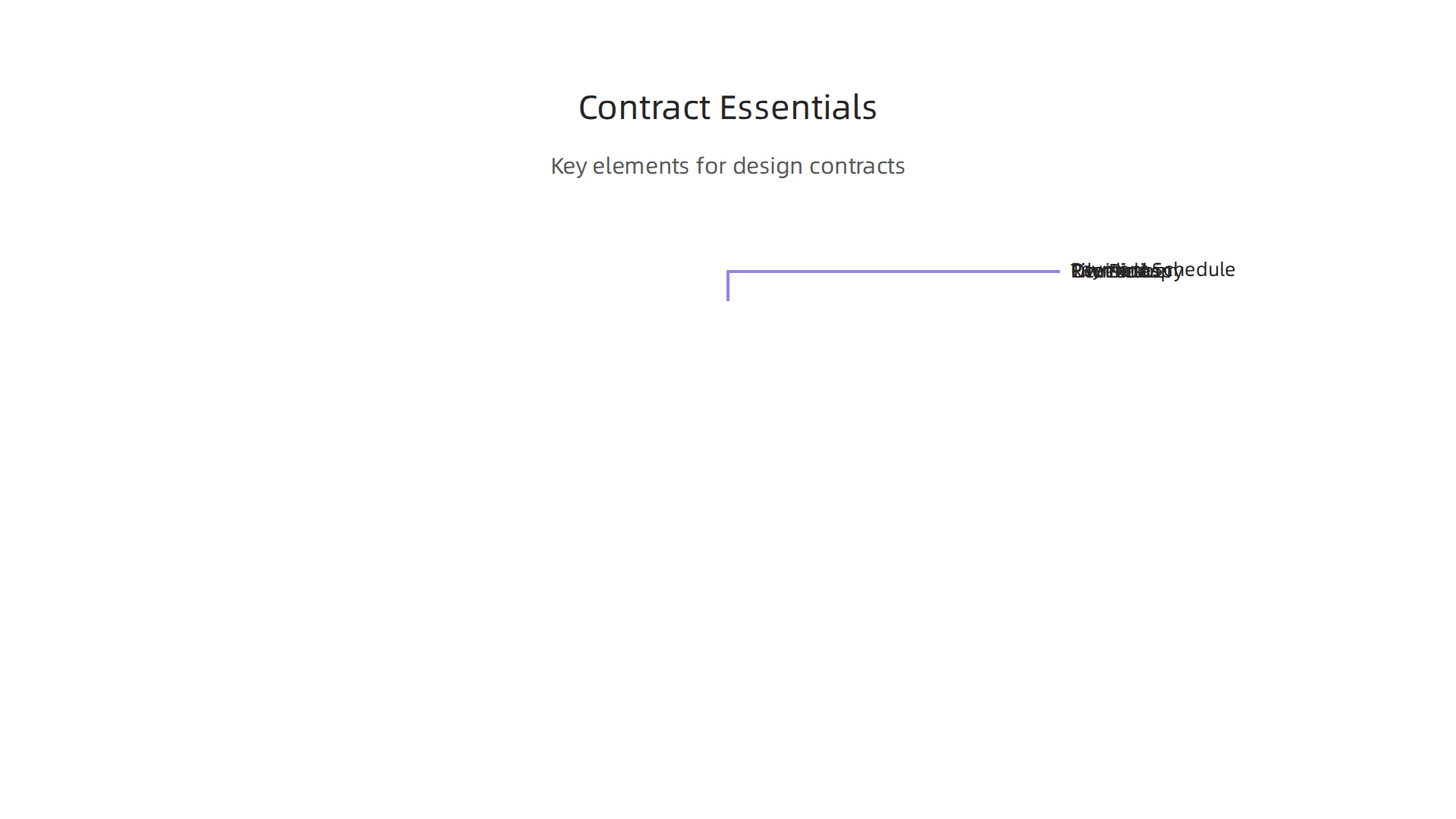
- File Delivery: The contract should say what kind of files you will give the newspaper. For print, this means high-resolution, print-ready files. For digital, it might be web-optimized images. Also, it should state when these files will be delivered.
- Revisions: How many changes can the newspaper ask for? Two rounds of changes are common. More changes might cost extra. This avoids endless back-and-forth.
- Ownership: Who owns the final design? Usually, once you are paid, the newspaper owns the design work you create for them. But sometimes, you might keep the rights to show the work in your portfolio. Make sure this is clear.
- Timelines: Newspapers have very tight deadlines. Your contract needs to spell out clear dates for when you will deliver drafts and final work, whether it’s for print or digital platforms.
- Payment Schedule: Clearly state when and how you will be paid. For larger graphic design contract jobs, it’s common to ask for a part of the payment upfront.
Having a good contract protects both you and the newspaper. It makes sure everyone knows what to expect, leading to a smoother workflow and better results for your newspaper graphic design projects. If you’re looking to attract the right people for your design needs, knowing how to write a graphic design RFP that attracts the right designers can be very helpful.
Once you master the basics of getting newspaper graphic design jobs, you might start thinking about what’s next for your career. The skills you learn doing newspaper layout design are actually very useful for many other exciting roles, especially in the growing world of digital publishing.
Career growth: moving from newspaper layout to digital publishing and design leadership
Your journey in newspaper graphic design gives you a strong start. It teaches you how to meet deadlines, arrange information clearly, and make things look good. These core skills can help you move into new and higher-level design jobs.
Transferable skills for new design paths
The daily work of creating a newspaper uses many skills you can take with you.
- From Print Layout to UX and Responsive Design: You’re good at making pages easy to read and understand. This is a lot like User Experience (UX) design, where you make websites or apps easy for people to use. You also learn about User Interface (UI) design, which is about how things look and feel on a screen. With digital products, you’ll also learn about responsive design. This means making sure your designs look good and work well on phones, tablets, and computers. You can learn more about what a UI/UX designer does and how they help businesses what is a UIUX designer for small business lead generation.
- Understanding Publication Systems: Working with newspapers teaches you about how content gets put together and published. This is helpful for learning about Content Management Systems (CMS) used for digital publishing. You’ll already know how important it is to keep things organized.
Exciting paths for your design career
With your strong background in newspaper graphic design, many doors can open up for you:
- In-House Senior Roles: You could become a senior designer at a bigger company or a digital news outlet. Here, you might lead design projects or mentor newer designers. These graphic design jobs often come with more responsibility and better pay.
- Design Management: If you enjoy leading and planning, you might move into a design management role. This means you would oversee a team of designers, guiding their work and making sure projects stay on track.
- Product-Focused Publishing Positions: Many companies now create digital products, like news apps or interactive stories. Your skills could help you become a designer focused on these products, making sure they are easy to use and visually appealing. If you’re looking into specific digital design roles, you can explore the salaries and hiring tips for various UI UX designer jobs in 2026.
- Freelance Specialization: You could also choose to specialize as a freelance designer, focusing on digital graphic design contract jobs for various clients, from small businesses to large corporations.
In 2026, the job market for creative professionals shows many exciting trends and salary possibilities. Getting new skills will help you move forward. You can check out 2026 Salary Trends for Creative Professionals for more insights. Your newspaper graphic design skills are a fantastic base to build a rewarding career in the ever-changing world of design.

Ready to take your design skills to the next level and ensure your work reaches a wider audience? Connect your website with Weblish and Grow Your Traffic on Autopilot with AI.
Summary
This guide explains why newspaper graphic design remains vital in 2026 and shows how the same principles power both print and digital publishing. It walks through the core elements—grids, typography, photo placement, infographics—and contrasts print-first, digital-first, and hybrid workflows so you can design for any medium. The article lists the technical tools (InDesign, Affinity Publisher, QuarkXPress, Photoshop, Illustrator) and templates that speed production, and it outlines the editorial and visual-thinking skills employers want. You’ll find practical advice on where to look for staff and freelance jobs, how to build a portfolio and resume that get noticed, and how to price work and write contracts. The guide also covers career paths beyond newspapers—UX, product design, and management—so designers can plan next steps. Overall, readers will learn what modern newspaper design requires and how to win work, deliver print-ready files, and grow a long-term design career.