
Is a UX Designer Degree Worth It? The 2026 Career Guide
This guide helps you decide whether a formal UX design degree, a shorter certificate, a bootcamp, or self-directed learning is the right investment for your car…


Introduction: Navigating the Path to a UX Design Career
You want a career that’s creative, in demand, and makes a real impact. Today, in 2026, that career is more likely than ever to be in UX design. The field has moved far beyond just making things look good. Now, UX designers are strategic partners who speak the language of business growth, KPIs, and ROI. For every dollar a company invests in UX, the return can be as high as $100, proving its direct link to success.
This immense value has made the role more crucial—and more competitive. If you’re looking to break in, you face a big question right at the start. Should you invest years and tuition in a formal UX designer degree or UI UX design school? Or can you build the skills you need through bootcamps, UX design certificate programs, and self-taught basics of UX design?
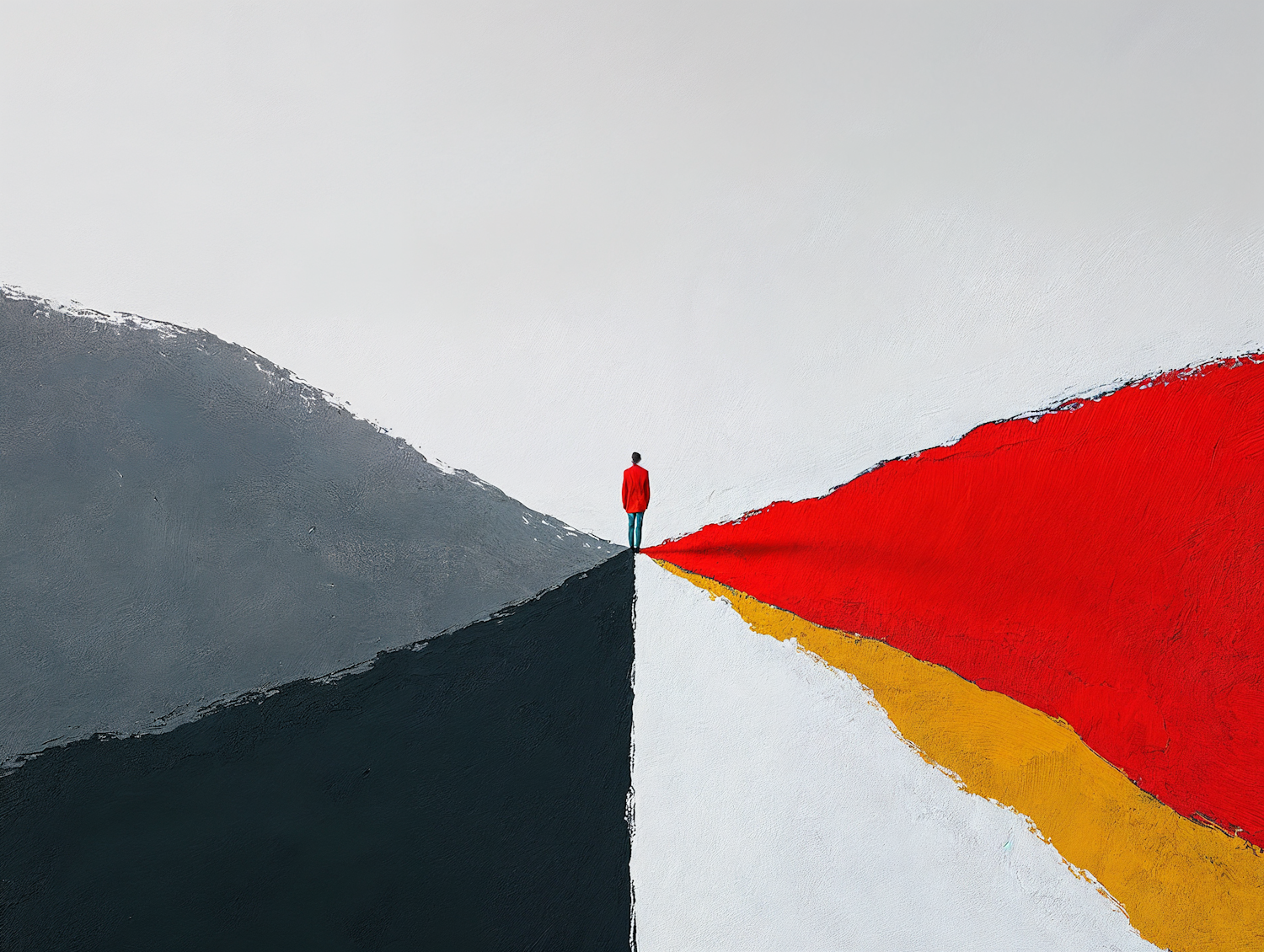
It’s a tough choice. A degree offers depth and a recognized credential. Alternative paths offer speed, lower cost, and flexibility. But which one is the right investment for your specific goals?
This guide is here to cut through the noise. We’ll look at the current state of the industry, where the job market is heading, and what skills employers really want in 2026. You’ll get a clear, evidence-based comparison to help you map your educational path directly to the career you want to build. Whether you’re considering a full ui ux design degree or plotting a different course, we’ll provide the roadmap you need to make a confident, informed decision.
Ready to build the skills that businesses desperately need? A service like Weblish demonstrates the real-world application of these skills, helping businesses turn their websites into growth engines.
Let’s find your best path forward.
What Exactly is a UX Designer? Core Responsibilities and Impact
So, what does a UX designer actually do? It’s easy to get confused. Many people mix up UX with UI (user interface) design. Think of it this way. UI is about how the product looks and feels visually, like the buttons and colors. UX is about the entire experience of using the product. It’s the journey a person takes to solve a problem. A UX designer is like an architect for that journey. They plan the entire flow to make sure it’s logical, easy, and even enjoyable.
In 2026, this role is more strategic than ever. Modern UX designers are expected to speak the language of business KPIs and growth. They connect user needs directly to company goals.
A typical day involves a mix of tasks focused on understanding and improving the user’s journey:
- User Research: Talking to real users through surveys and interviews to learn about their struggles and goals.
- Wireframing: Sketching the basic, low-fidelity structure of a page or app screen. It’s like drawing a blueprint.
- Prototyping: Creating an interactive model of the product that users can click through to test the flow.
- Usability Testing: Watching real people use the prototype to find where they get confused or stuck.
The real power of this work isn’t just in making things easy to use. It’s in the hard business results. Good UX design directly leads to more sales, higher customer loyalty, and lower support costs. The numbers are clear. According to recent data, the return on investment (ROI) for UX can be as high as $100 for every $1 spent. That’s why businesses are so eager to hire skilled designers who can measure their impact with real UX performance metrics.
Whether you pursue a traditional UX designer degree or learn the basics of UX design through other paths, your goal is the same. You become the person who bridges the gap between what users need and what the business wants to achieve. You turn complexity into simplicity. For a business looking to apply these principles and turn their website into a true growth engine, partnering with a service like Weblish can be the practical next step to implement this expertise.
Is a UX Designer Degree Necessary? Data vs. Perception
So, you’re thinking about becoming a UX designer. A big question pops up. Do you need a formal UX designer degree to get hired? The short answer in 2026 is: it’s complicated. There’s a gap between what people think is required and what the job market data actually shows.
Let’s look at the numbers. The job market for digital design is strong, with over 214,900 jobs in the U.S. and solid growth projected. Salaries are attractive, often ranging between $93,000 and $124,000. But here’s the key detail from official sources: educational requirements "vary, ranging from a high school diploma to a bachelor’s degree." This means the path isn’t one-size-fits-all.
The Real Value of a UI UX Design Degree
While not always a strict requirement, a degree from a UI UX design school offers real benefits that can fast-track your career:
- Foundational Theory: You get a deep, structured understanding of human psychology, design principles, and research methodologies. This isn’t just about tools; it’s about the "why" behind good design.
- Credential Signaling: For your first job, a degree can help your resume pass automated filters and give a hiring manager at a large company confidence in your foundational training.
- Structured Learning & Networking: A good program provides a clear curriculum, deadlines, and direct access to professors and peers. This structured environment is hard to replicate on your own.
When a Degree is Most Critical
In 2026, a formal education tends to be most important in specific situations:
- Large Corporations and Tech Giants: Big, established companies with traditional HR departments are more likely to list a bachelor’s degree as a minimum requirement.
- Specialized or Regulated Fields: UX work in areas like finance, healthcare, or enterprise software may favor candidates with formal degrees due to the complexity and stakes involved.
- Competitive Entry-Level Roles: When many junior applicants have similar portfolio pieces, a degree can be the differentiating factor that gets you an interview.
However, perception is shifting. The 2026 State of UX report notes that the job market is intensely focused on proven skills and the ability to deliver business impact.
A stellar portfolio, case studies, and demonstrable skills often weigh more heavily than a diploma alone. Many successful designers build their skills through intensive ux design certificate programs and self-directed learning of the basics of ux design.
For a business owner, this debate highlights what matters most: results. Whether your team has a degree or is self-taught, the goal is creating a user experience that drives growth. Partnering with an expert service can bridge any skills gap. A service like Weblish applies this expert-level UX thinking directly to your website, transforming it into a consistent lead engine without you needing to hire a specialist. You can get started with Weblish by signing up and claiming your free trial to see how professional UX strategy can be applied to your business today.
Types of UX Designer Degrees: From Associate to Doctorate
So, you’re considering the academic path. If you decide that a formal UI UX design degree is right for your goals, you’ll find a range of options. Each level serves a different purpose, from launching a career to leading research. Here’s a map of the academic landscape in 2026.
First, let’s break down the main types of degrees available:
| Degree Level | Typical Duration | Best For… |
|---|---|---|
| Associate Degree | 2 years | A fast, foundational entry into the field; often a stepping stone to a bachelor’s. |
| Bachelor’s Degree | 4 years | The standard entry-level credential for most UX design roles; builds comprehensive skill sets. |
| Master’s Degree | 1-2 years | Career advancement, specialization, or transitioning from another field. |
| Doctoral Degree | 3-5+ years | Academic research, teaching at the university level, or leading advanced UX strategy in large orgs. |
What You Learn at Each Level
The curriculum changes dramatically as you move up, shifting from learning the basics of UX design to defining its future.
Associate Degree (A.A. or A.S.)
This is your introduction. Programs focus on core principles, design software, and basic web technologies. You’ll get hands-on with introductory projects in wireframing and prototyping. It’s a cost-effective way to confirm your interest and gain employable skills quickly, often allowing credits to transfer to a bachelor’s program.
Bachelor’s Degree (B.A., B.S., or B.F.A.)
This is the most common path for aspiring designers. A bachelor’s program provides a deep, structured education. As a freshman, you typically start with the fundamentals of user research and interface design. By senior year, you’re working on complex, real-world projects.
For example, a Bachelor of Science program covers a comprehensive UX curriculum including human-centered design, interaction design, and usability testing. Students learn to map user journeys, create interactive prototypes, and develop the strategic thinking needed to solve real business problems, as outlined in programs from schools like Arizona State University and Purdue University.
Master’s Degree (M.A., M.S., or M.F.A.)
A master’s degree is for deepening expertise. You might specialize in areas like UX research, design leadership, or emerging technologies like voice or AR. The coursework is advanced and theoretical, focusing on strategy, ethics, and management.
A typical curriculum, like the one at the College for Creative Studies, moves beyond doing design to critically analyzing it. You’ll explore topics like design thinking at an organizational level and how UX intersects with business goals. For those in business, understanding this high-level strategy is key. It’s similar to why a business might need to understand advanced digital tools, like the insights provided in our guide on why your business needs a private search engine in 2026.
Doctoral Degree (Ph.D.)
This is the frontier of UX knowledge. Doctoral candidates conduct original research to push the field forward. Dissertation topics might explore the neurological impact of design choices, new methodologies for inclusive design, or the future of human-AI interaction. This path leads primarily to careers in academia, high-level research labs, or executive leadership roles defining industry standards.
How to Choose a Quality Program
Not all UI UX design school programs are created equal. Here’s what to look for when evaluating a UX designer degree program in 2026:
- Accreditation: This is non-negotiable. Ensure the school is accredited by a recognized agency. It validates the quality of education and is crucial for financial aid and credit transfer.
- Faculty Expertise: Look for professors who are active in the industry, not just academics. Have they shipped real products? Do they consult? Their experience brings invaluable context.
- Industry Connections & Outcomes: A strong program has partnerships with companies, offers robust career services, and has a track record of graduating students who get jobs. Check their graduate employment stats.
- Curriculum Relevance: The syllabus should cover the tools and methods used in the industry today. Look for courses in UX research, interaction design, prototyping tools, and design ethics. A good program, as highlighted in a 2026 guide to accredited online degrees, will cover human-centered design, UX research, and digital strategy.
Whether you pursue a multi-year degree or a shorter UX design certificate program, the goal is to gain the skills that create business impact. For a business owner, the takeaway is the same: expertise matters. You can either cultivate it in-house through training or partner with a service that provides it directly. A service like Weblish applies expert-level UX strategy to build and optimize your website, turning it into a consistent lead engine. It’s a practical way to harness this specialized skill for your business growth.
Associate Degrees in UX/UI Design
If you want to start your career quickly without a huge time or financial commitment, an associate degree is a powerful first step. Think of it as a focused, two-year launchpad. It’s designed to give you the core, employable skills to enter the field or to build a strong foundation before transferring to a four-year UI UX design degree program.
These programs zero in on the basics of UX design and hands-on technical proficiency. You’ll typically learn:
- Core principles of user-centered design.
- How to use industry-standard software for wireframing and prototyping.
- Foundational visual design and web development skills.
This practical focus is about getting you job-ready. As highlighted in a 2026 guide to accredited online degrees, a quality program covers the essential building blocks of human-centered design and digital strategy. You won’t dive as deep into theory as in a bachelor’s program, but you’ll gain the concrete abilities to contribute to a design team.
What comes next? With an associate degree, you have clear paths forward. You can apply for entry-level roles like a UX design assistant, junior web designer, or production artist. Many students also use their associate degree as a stepping stone, transferring credits to a bachelor’s program at a UI UX design school to continue their education seamlessly. This makes it a low-risk, high-reward way to confirm your passion and start building your career portfolio.
The goal of any education is to apply the skills for real-world impact. Whether you’re learning these fundamentals yourself or looking to implement them for your business, expert execution is key. A service like Weblish applies this level of design thinking and technical skill directly to build and optimize websites, transforming them into consistent tools for business growth.
Bachelor’s Degrees: The Standard Pathway
For a deep and well-rounded education, a four-year bachelor’s degree is often seen as the gold standard for becoming a UX designer. It builds on the basics of UX design with comprehensive theory, extensive practice, and critical thinking skills that employers highly value. Earning a UI UX design degree at this level opens doors to more competitive roles and provides a sturdy foundation for long-term career growth.
You’ll typically find two main types of bachelor’s degrees: a Bachelor of Fine Arts (BFA) and a Bachelor of Science (BS). A BFA, like the one offered for Interaction & UI/UX Design, usually focuses more on the visual and creative aspects, such as design strategy, motion graphics, and aesthetic principles.
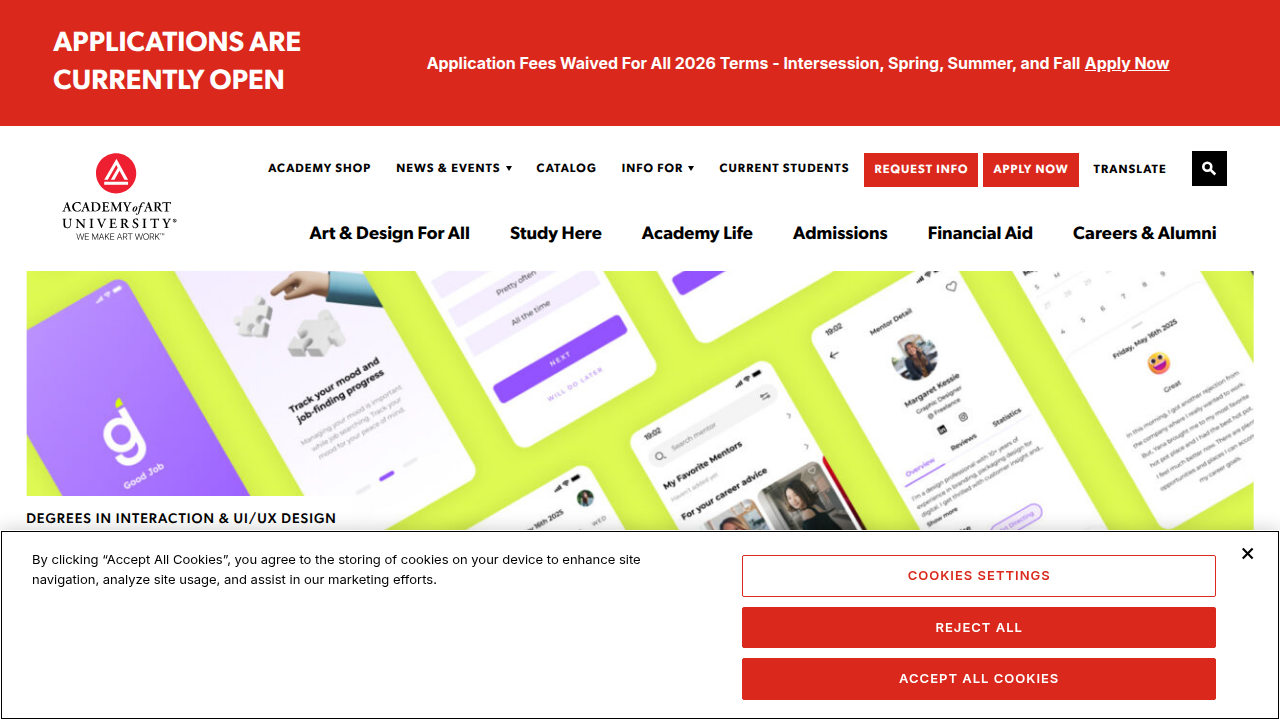
A BS degree, like the User Experience and Interaction Design BS, often has a stronger technical and research-oriented core, covering interaction design, user research methodologies, and sometimes even basic coding.
A key strength of a four-year ux designer degree is its breadth. Beyond your major courses, you’ll take liberal arts and general education classes. These courses in psychology, writing, and sociology are not just filler. They train you to think critically, understand human behavior, and communicate effectively, which are all essential skills for conducting insightful user research and advocating for design decisions. As outlined in a 2026 guide to accredited online degrees, a comprehensive program weaves together human-centered design, research, and digital strategy with this broader educational context.
The most important outcome of your bachelor’s program is your professional portfolio. Unlike shorter ux design certificate programs, a four-year journey at a UI UX design school is built around creating this body of work.
You’ll progress from foundational projects in your freshman year to complex, real-world applications by your senior year. This process, highlighted in programs like Kent State’s User Experience Design BS, ensures you graduate not just with a diploma, but with a polished portfolio that demonstrates your ability to solve actual design problems from start to finish.
This level of strategic, user-focused thinking is exactly what transforms a simple website into a powerful business tool. While you’re learning to build these skills in school, a service like Weblish applies them directly for businesses. They use expert UX and design principles to build websites that act as consistent engines for lead generation and growth, much like the projects you’d aim to create in your own portfolio. Getting started with a service that embodies this expertise is a smart move; you can get started with Weblish by signing up and claiming your free trial. For businesses, applying this deep understanding of user experience is also crucial for implementing advanced tools, a topic explored in resources like why your business needs a private search engine in 2026.
Master’s and Doctoral Degrees: Specialization and Leadership
After a bachelor’s, the next step in a UX designer degree path is graduate school. These advanced programs are for designers who want to lead, teach, or dive deep into a niche.
A master’s degree is a powerful tool for two main groups. First, it’s a structured path for career changers who have a degree in another field. Second, it helps practicing designers specialize. You might focus on Human-Computer Interaction (HCI), Design Leadership, or UX Research. A program like the one at the College for Creative Studies shows how a graduate curriculum moves beyond the basics of UX design to advanced strategy and leadership thinking.
At the very top are doctoral (Ph.D.) programs. These are less about becoming a practicing designer and more about creating new knowledge. A Ph.D. in UX or HCI prepares you for a career in academic research or high-level industry research and development labs. Here, you contribute to the future of the field itself.
Is the return on investment worth it? For a master’s, it often is. The 2026 job market highly values specialized skills and leadership training that come from an advanced UI UX design degree. It can fast-track you to senior, principal, or management roles. A Ph.D. is a bigger commitment but is essential for those aiming for university teaching or directing cutting-edge research.
This high-level strategic thinking is what separates good products from industry-leading ones. While you’re studying these advanced principles, a service like Weblish applies them directly to help businesses grow. They build websites that act as consistent lead generation engines, using the same depth of understanding you gain in a graduate program. For any business looking to implement sophisticated, user-focused digital tools, exploring expert services is a wise move. This need for advanced, secure solutions is also why many companies are looking at options like a private search engine.
Alternative Pathways: Bootcamps, Certificates, and Self-Directed Learning
You don’t need a four-year UI UX design degree to start a career. In 2026, many successful designers use faster, more focused routes. These alternatives are perfect if you are changing careers, on a tight budget, or learn best by doing.
Let’s explore the three main paths outside of traditional school.
The Intensive UX/UI Design Bootcamp
A bootcamp is a short, intensive training program. It usually lasts 3 to 6 months. The goal is simple. It teaches you the job-ready skills to get hired fast.
The pros:
- Speed and focus. You learn the basics of UX design and build a portfolio in months, not years.
- Strong job support. Many top programs have career coaches. According to industry analysis, some bootcamps report high job placement rates for their graduates. For example, one report notes that some programs see a large percentage of graduates secure jobs within a few months.
- Community. You learn with a cohort of peers, which builds a network.
The cons:
- The cost. Bootcamps can cost thousands of dollars, though it’s less than a degree.
- The pace. The full-time schedule is demanding and hard to balance with another job.
- Variable quality. Not all programs are equal. You must research outcomes carefully.
Is it worth it? For many, yes. Current data shows the UX job market is strong, with over 200,000 jobs in the US and good salary potential. A good bootcamp can be a direct ticket into that market.
Certificate Programs from Universities and Online Platforms
These are shorter than a degree but more structured than learning alone. You can find UX design certificate programs from real universities or on platforms like Coursera and LinkedIn Learning.
How they work:
- They often take a few months to a year to complete.
- You follow a set curriculum, sometimes with graded projects.
- You earn a certificate to add to your resume and LinkedIn profile.
This path is great if you need some structure and credible proof of your skills. It is less of a time and money commitment than a bootcamp. It shows employers you are serious about learning the craft. It is a solid middle ground.
Building a Self-Taught Curriculum
This is the most flexible and lowest-cost path. You choose your own resources, set your own pace, and build your portfolio project by project.
Essential resources for a self-directed learner:
- Free & Paid Courses: Websites like YouTube, freeCodeCamp, and paid platforms like Skillshare offer thousands of tutorials.
- Books and Blogs: Start with classic books on design thinking and user psychology. Follow industry blogs.
- Community Support: This is crucial. Join online forums, local meetups, or design communities on Discord. Feedback from other designers is priceless.
The biggest challenge here is staying motivated and knowing what to learn next. Without a teacher or a set plan, you must be your own guide. But for a disciplined person, this path can work very well. Many famous designers are largely self-taught.
No matter which path you choose, the goal is the same. Build a strong portfolio that solves real problems. That portfolio is your real diploma in this field.
While you are building your skills, businesses are applying these same UX principles to grow. A service like Weblish uses deep user understanding to build websites that generate leads every day. They handle the complex work of design, development, and marketing on a subscription basis. This lets business owners focus on their work, not on agency chaos. For any business, applying this level of focused expertise is how you compete online today. It is also why forward-thinking companies are exploring tools like a private search engine to protect their data.
The Non-Negotiable Skill Set: What You Need to Master
Choosing your path is one thing. But no matter if you get a UI UX design degree, attend a bootcamp, or teach yourself, you must master the same core skills to get hired. The market in 2026 is competitive, and employers are looking for a specific mix of technical ability and human understanding.
The good news? The UX job market in 2026 is evolving, not collapsing. To stay relevant, you need to offer more than just pretty screens. You need to solve business problems. Recent analysis of the field shows that designers must now focus on differentiation and deep business impact to succeed.
Let’s break down the essential skills you need.
Technical Skills: Your Digital Toolkit
These are the hands-on skills you use every day to do the work.
- UX Research Methods: You need to understand users. This means knowing how to conduct interviews, run surveys, and analyze data to find real problems. It’s the foundation of everything else.
- Prototyping Tools: You must bring ideas to life quickly. In 2026, proficiency in tools like Figma or Adobe XD is a basic requirement. You use them to create interactive models of websites and apps for testing.
- Information Architecture: This is about organizing information clearly. Think of it as creating a logical map for a website or app so users can find what they need without getting lost. It’s a critical part of mastering the basics of UX design.
Core Soft Skills: Your Human Superpowers
These skills determine how well you work with others and add value to a business. They are often what separates a good designer from a great one.
- Empathy: This is your most important skill. It’s the ability to truly understand the feelings, needs, and frustrations of the people you’re designing for.
- Communication: You must explain your ideas clearly to teammates, developers, and company leaders. You’ll present research findings and defend your design choices.
- Collaboration: You are not working in a vacuum. You’ll partner with product managers, engineers, and marketers. Being a good team player is non-negotiable.

- Business Acumen: This is increasingly crucial. You need to understand how your designs help the company meet its goals, like making more money or getting more users. Designers who connect their work to business outcomes are in high demand.
How Different Paths Build These Skills
Your educational path influences how you learn these skills.
- A traditional UI UX design school often provides deep theory in research and psychology, building strong empathy and strategic thinking over time.
- An intensive bootcamp drills you on the latest prototyping tools and collaborative workflows, getting you job-ready on the technical side very fast.
- UX design certificate programs offer a structured balance, teaching both tool proficiency and foundational methods.
- The self-taught path requires you to proactively seek out each skill area. You might become an expert in Figma through online tutorials but need to join a community to practice giving and receiving constructive feedback.
In the end, your portfolio will prove you have this skill set. It will show you can research a problem, design a solution, and explain your thinking.
The same principles that make a great UX designer also drive successful businesses. Understanding your customer deeply is everything. This is why forward-thinking companies apply UX thinking to their entire online presence, even exploring tools like a private search engine to protect user data and gain a competitive edge. For a business, working with a service like Weblish is like hiring a full-time UX expert for your website. They handle the complex work of design, development, and marketing, applying these core principles to turn a website into a consistent source of new customers.
Job Market Outlook, Salary Expectations, and Future Trends
You’ve built your skills. Now, what can you actually expect from a career in UX? Let’s look at the real numbers for 2026 and beyond, from job growth to your potential paycheck.
A Stable Market with Room to Grow
First, let’s clear something up. You might hear worries that UX design is fading. The reality is different. The field is evolving, not disappearing. While the market is competitive, demand for skilled designers who can create real business value remains strong.
Nationwide, there are over 214,900 jobs in digital design. Looking ahead, the field is projected to grow by about 7% from 2026 through 2031. That’s a steady, healthy pace. This growth is fueled by the constant need for businesses to improve their digital products and stand out online. As one industry analysis for 2026 notes, designers must now "design deeper to differentiate" to succeed, moving beyond basic visuals to create meaningful impact.
So, is UX design a dying career? Not at all. But as this honest 2026 breakdown explains, it is a market where only the prepared and adaptable thrive.
What You Can Earn: Salary Ranges in 2026
Your salary depends on your experience, location, and how well you can connect your work to business goals. Here’s a general breakdown of what to expect in 2026:
- Entry-Level (0-2 years): $65,000 – $85,000. At this stage, you’re proving your technical skills and learning the business context.
- Mid-Level (3-5 years): $90,000 – $115,000. You’re now leading projects, conducting more complex research, and are expected to justify your design decisions with data.
- Senior-Level (6+ years): $115,000 – $140,000+. You are a strategic partner, influencing product direction, mentoring others, and are measured by the business outcomes of your work.
These figures align with recent salary guides, which place the typical range for UX designers between $93,000 and $124,000. Your educational path, whether from a formal UI UX design degree program, a bootcamp, or a UX design certificate program, can influence your starting point. However, in 2026, your portfolio and demonstrable impact carry more weight than ever.
The Trends Shaping Your Future
To stay relevant, you need to keep an eye on where the field is headed. Here are three key trends for the coming years:
- AI-Assisted Design: AI won’t replace designers, but designers who use AI will replace those who don’t. Tools will help with brainstorming, generating initial wireframe layouts, and analyzing user data faster. Your role will shift more towards strategy, editing, and high-level decision-making.
- Ethical Design & Privacy: Users are more aware of how their data is used. Designing for privacy, transparency, and accessibility is no longer optional. Businesses that prioritize ethical design build greater trust. This thinking is expanding beyond apps to entire digital ecosystems, including tools like private search engines that protect user data.
- Voice and Multi-Modal UI: As smart speakers and voice assistants become more common, designing for voice interactions is a growing niche. Even more important is designing seamless experiences that let users switch between touch, voice, and gesture.
The core basics of UX design empathy, research, and problem-solving will always be your foundation. These trends are just new contexts in which to apply them.
The businesses that succeed are those that apply this user-first thinking to everything they do online. For a company, achieving this level of strategic design often means partnering with experts. A service like Weblish operates on this very principle, acting as an outsourced growth team that applies UX and business strategy to turn a website into a reliable source of new customers. It’s a powerful example of how deep design thinking is applied at a business level.
Ready to turn your UX skills into a thriving career? The market is waiting for designers who can deliver results. Start building the portfolio that proves you can.
How to Choose Your Path: A Decision Framework
You know the job is out there and what it pays. Now comes the big, personal question: which learning path is right for you? With options like a formal UI UX design degree, an intensive bootcamp, a UX design certificate program, or self-study, the choice can feel overwhelming.
The good news? There is no single "correct" path in 2026. The best choice is the one that fits your life, learning style, and goals. As noted in a 2026 career guide, the key is to find clarity and design your own ideal career path.
Let’s break down your decision with a simple framework.
Start With a Self-Assessment
Before comparing programs, look inward. Ask yourself these four questions:
- What’s my learning style? Do you need the structure, deadlines, and peer interaction of a classroom? Or do you thrive setting your own pace with online tutorials?
- What’s my financial budget? A traditional degree is a major investment. Bootcamps and certificates cost less but still require funding. Self-study is cheapest but demands high self-discipline.
- What are my time constraints? Can you commit to years of full-time study, a few months of intense bootcamp hours, or only evenings and weekends?
- What are my career aspirations? Are you aiming for a senior role at a large tech company where a degree might be preferred, or are you focused on building a portfolio to land your first job as quickly as possible?
Answering these honestly will immediately narrow your options.
Compare Your Options: A Simple Matrix
Here’s a quick comparison of the three main pathways against the key factors you just considered.
| Factor | University Degree (e.g., HCI, Design) | Intensive Bootcamp | Structured Self-Study / Certificate |
|---|---|---|---|
| Time Commitment | 2-4 years (full-time) | 3-6 months (full-time) | 6-12 months (part-time) |
| Cost | Very High (Tuition + time) | High | Low to Medium |
| Depth of Theory | Very High | Medium | Low to Medium (Self-directed) |
| Speed to Job Market | Slow | Fast | Medium (Depends on you) |
| Networking & Structure | High (Campus community) | High (Cohort-based) | Low (You must build it) |
| Best For… | Long-term career foundation, academic depth, roles that may require a degree. | Career-changers needing rapid, job-focused training and portfolio projects. | Self-starters on a tight budget who can build discipline and seek community elsewhere. |
Remember, your goal is to master the basics of UX design—empathy, research, prototyping, and testing. Any good path will get you there.
How to Validate Any Program
Don’t just trust a website’s marketing. Do your own research. Here are three smart steps:
- Talk to Alumni. Find graduates on LinkedIn and ask about their experience. Did the program prepare them for job interviews? What was the biggest strength or weakness?
- Review Graduate Portfolios. The proof is in the work. Look at portfolios from recent graduates. Is the quality of work what you aspire to? Are they landing jobs at companies you admire? A good UI UX design school will proudly showcase this.
- Audit a Class or Trial. Many online certificate programs, like the popular Google UX Design Certificate, offer a free trial. Some bootcamps host free introductory workshops. Use these to test the teaching style before you commit. As one 2026 roadmap emphasized, the tools and expectations have changed, so make sure the curriculum feels current.
Choosing your path is the first major design decision of your new career. Apply the same user-centered thinking. You are the user. What solution best fits your context?
For many, the ultimate test is real-world application. Learning theory is one thing, but applying it to solve actual business problems is what builds a career. This is where a service like Weblish provides a compelling model. It applies UX and growth principles directly to help businesses turn their websites into customer-generating engines. Seeing how expert teams operate can offer invaluable context, whether you plan to freelance, join an agency, or work in-house. You can get started with Weblish by signing up for a free trial to see this strategic approach in action.
Summary
This guide helps you decide whether a formal UX design degree, a shorter certificate, a bootcamp, or self-directed learning is the right investment for your career. It explains what UX designers actually do, why UX drives measurable business value, and which skills matter most to employers in 2026. You’ll get a clear breakdown of degree types from associate through doctorate, plus practical alternatives that speed you to the job market. The article also outlines the non-negotiable technical and soft skills you must master, realistic salary ranges, and emerging trends like AI-assisted design and privacy. Finally, it gives a simple decision framework and validation steps—talk to alumni, review portfolios, audit classes—so you can choose the path that fits your time, budget, and goals.