
Internet Marketing Tools That Save Time and Cut Costs for Small Businesses
This guide shows small business owners how to pick and use internet marketing tools to turn scattered tactics into a repeatable growth system. It explains the c…

Introduction
Feeling like you are throwing spaghetti at the wall to see what sticks? You are not alone.

Many small business owners feel overwhelmed by all the marketing options out there.
The right internet marketing tools can turn that overwhelm into a clear, repeatable system. They save you time by automating repetitive tasks. They reduce costs by replacing expensive agencies or wasted ad spend. And they give you real data you can act on instead of guessing what works.
But you need to choose them wisely. Using the wrong digital marketing platforms or marketing campaign management software can waste your budget and frustrate your team. Actually, most SMB owners get it. By the end of 2026, over 80% of small businesses will use AI marketing tools to stay competitive.
This guide walks you through the essential categories, best practices, and expert tips for building an effective marketing tech stack. You will learn how to pick tools that actually generate leads and grow your business.
If you want to make sure everything works together, check out this guide on how to create an internet marketing strategy. It gives you the framework you need to pick the right tools for your specific goals.
Let’s build a marketing machine that runs on autopilot. Grow Your Traffic on Autopilot by connecting your website with Weblish and letting AI handle the rest. Start by learning the core tools below!
SEO Tools: Foundations for Organic Growth
Here is a truth most business owners miss: your customers are already searching for what you offer. The question is whether your website shows up when they type those words into Google. That is where SEO tools come in.
SEO tools help you get found without paying for every single click. They improve your organic search visibility over time. Think of them as the foundation of all your other digital marketing online efforts. Without good SEO, your email list and social ads have to work way harder.
The Four Key Categories You Need
Not all SEO tools do the same thing. To build a complete system, you want tools that cover these four areas:
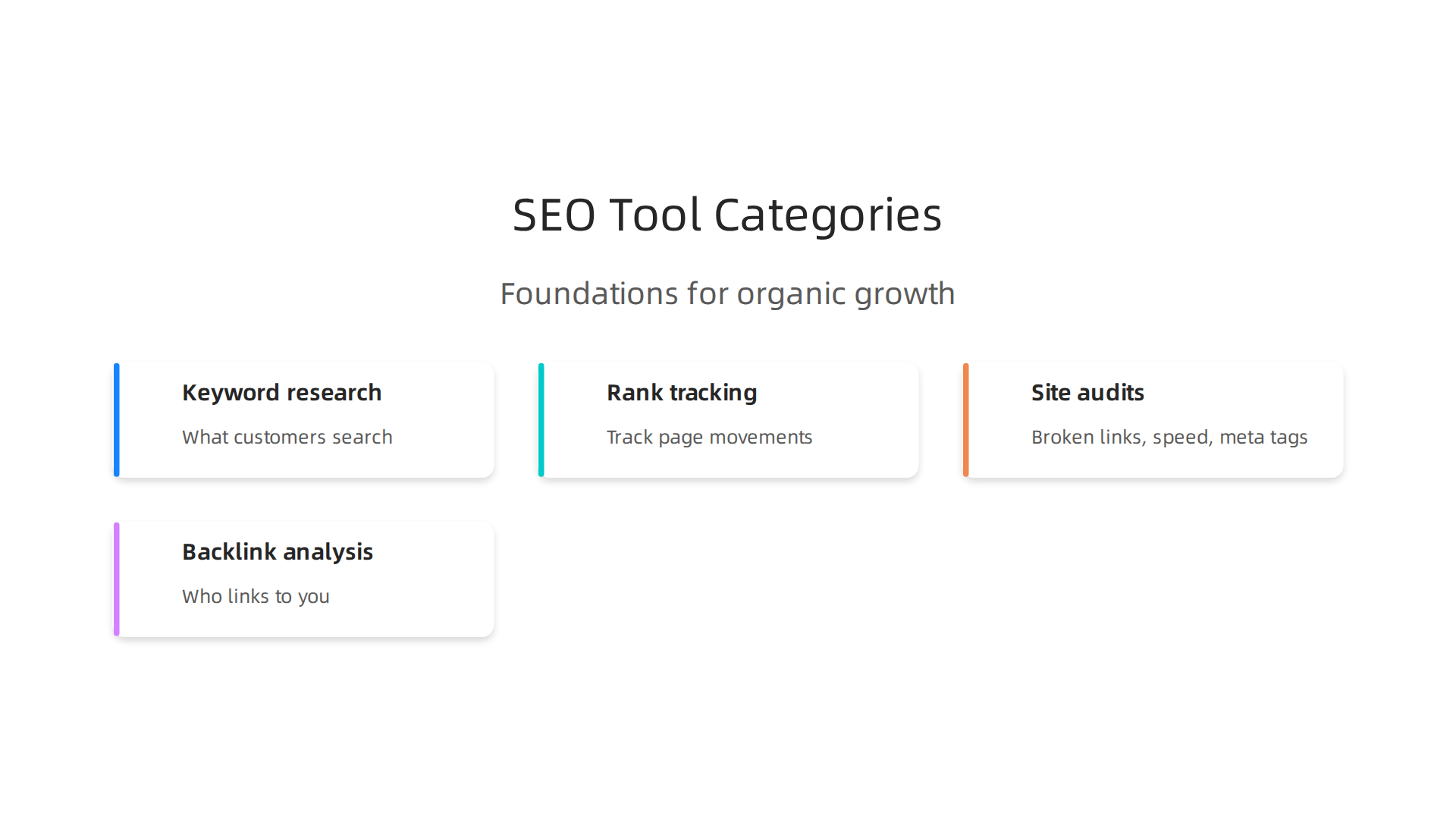
Keyword research. These tools show you exactly what terms your ideal customers type into search engines. You stop guessing and start writing content that people actually look for.
Rank tracking. Once you target keywords, you need to know if your pages are moving up or down. Rank trackers give you that data weekly or even daily.
Site audits. Your website might have technical problems that keep Google from ranking it well. Site audit tools crawl your pages and flag broken links, slow load times, and missing meta tags.
Backlink analysis. Links from other websites tell Google your site is trustworthy. Backlink tools show you who links to you and who links to your competitors.
Start with Free Tools
You do not need to spend big money right away. Google Search Console and Google Analytics 4 are free and powerful. A recent roundup of the 10 Best SEO Tools for Small Business Growth in 2026 lists these two as the top starting point for any business.
Once you master the free tools, you can layer in paid options like Semrush or Ahrefs for deeper data. But start simple. Many small businesses get great results using just the free tools plus one paid rank tracker.
Why Integration Matters
SEO does not live in a bubble. It works best when you connect it with your content strategy and analytics. When you write a blog post based on keyword research, share it on social media, and then check which pages drive conversions in your analytics, you create a feedback loop. That loop makes your internet marketing tools work as one system instead of separate silos.
For example, if your rank tracker shows a page dropping, you can check your analytics to see if the content needs updating. Then you rewrite the page using new keyword data. That three step cycle is how small businesses outrank bigger competitors.
If you want to go deeper, check out these SEO content optimization strategies that work for small businesses in 2026. They show you exactly how to improve pages you already have without starting from scratch.
Social Media Management Tools: Engage and Convert
SEO gets people to your website. Social media is where you keep them coming back. The two work together like peanut butter and jelly. Your internet marketing tools stack is not complete without a solid social media manager.
Social media management tools save you hours every week. Instead of logging into five different platforms to post, you schedule everything from one dashboard.
You can plan a whole month of content in one afternoon and walk away.
What These Tools Actually Do
The best digital marketing platforms for social media handle four main jobs:
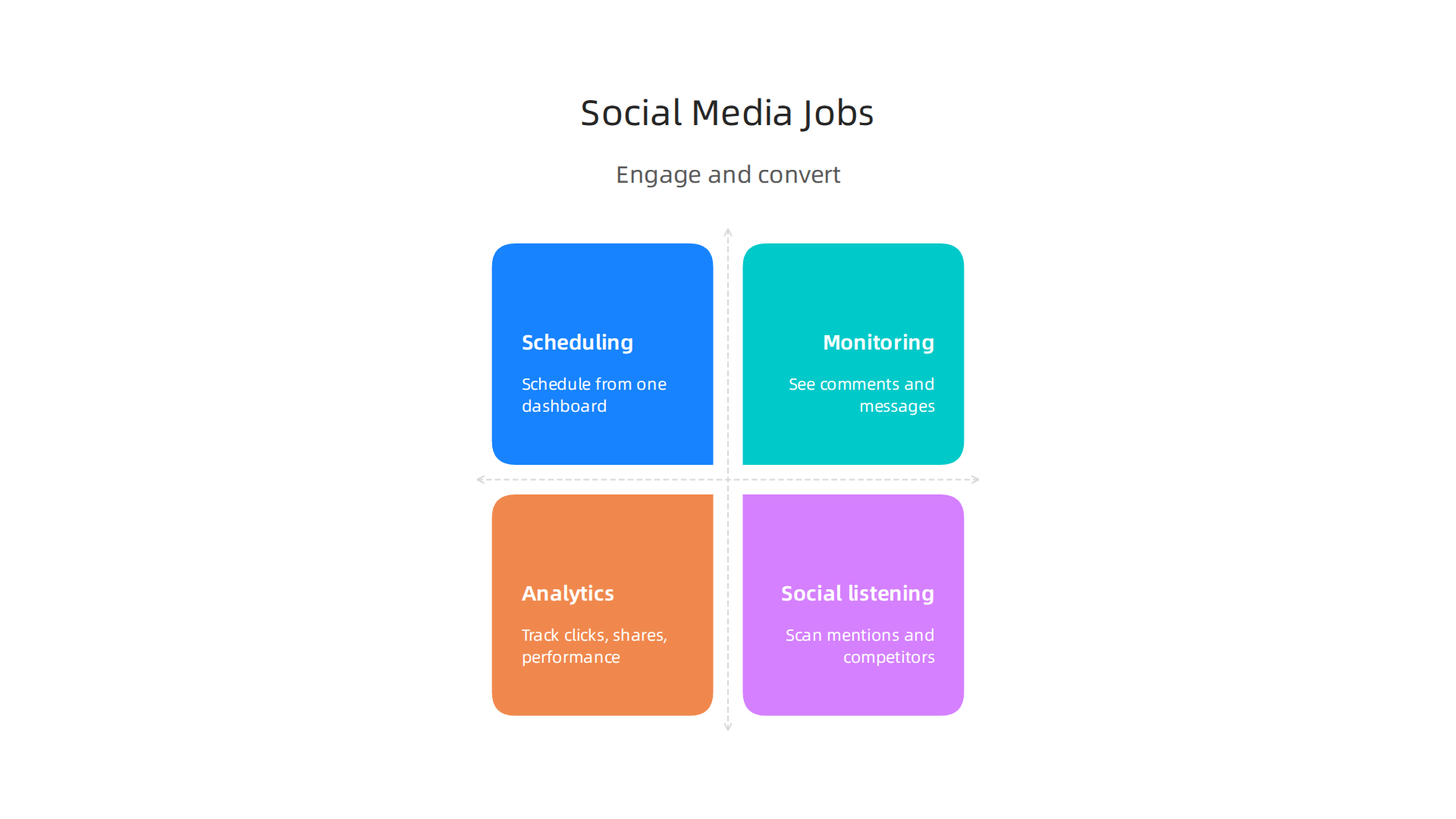
Scheduling and publishing. You write your posts, pick your times, and the tool puts them live on each platform automatically. No more forgetting to post on Tuesday.
Monitoring and engagement. You see who comments, mentions your brand, or sends messages across all accounts in one inbox. You reply faster without switching tabs.
Analytics and reporting. You see which posts get the most clicks, shares, and comments. You stop guessing what works and start doubling down.
Social listening. This is the advanced feature. These tools scan social platforms for mentions of your brand, your competitors, and industry keywords. You catch trends before your competition does.
A detailed roundup of the best social media management tools for small businesses lists Buffer, Hootsuite, and Sprout Social as top picks for 2026. Each one covers these four areas at different price points.
Why Automation Changes Everything
Consistency matters more than perfection on social media. Posting three times a week beats posting seven times one week and zero the next.
Automation tools let you set up evergreen content that reposts your best performing pieces on a schedule. You create once and reuse for months. This frees up time to focus on real time engagement.
Connecting Social to Your Overall Strategy
Your social media efforts should feed back into your SEO and email marketing. When you share a blog post on social media and track which channels drive traffic, you learn where to invest more time.
If you want a full blueprint for turning social engagement into leads, check out this guide on creating an internet marketing strategy that generates leads. It shows you how social media fits into the bigger picture.
Choosing the Right Tool
Start with a free plan from Buffer or Later. Use them for 30 days. See if scheduling saves you time. If you need deeper analytics or social listening, upgrade to a paid plan.
The right tool pays for itself in the hours it saves you. And when your social posts drive traffic that converts into customers, your ROI multiplies.
Ready to make your entire marketing system run on autopilot? Grow Your Traffic on Autopilot by connecting your website with Weblish and letting AI handle the heavy lifting.
Email Marketing Tools: High ROI Communication
Social media gets people interested, but email is where you close the deal. Email marketing gives you the highest return on investment of any digital marketing online channel. For every dollar you spend, the average return is around $36. That means email beats social media, search ads, and almost everything else when it comes to making money.
Modern marketing campaign management software does way more than blast the same message to everyone. Good email tools let you:
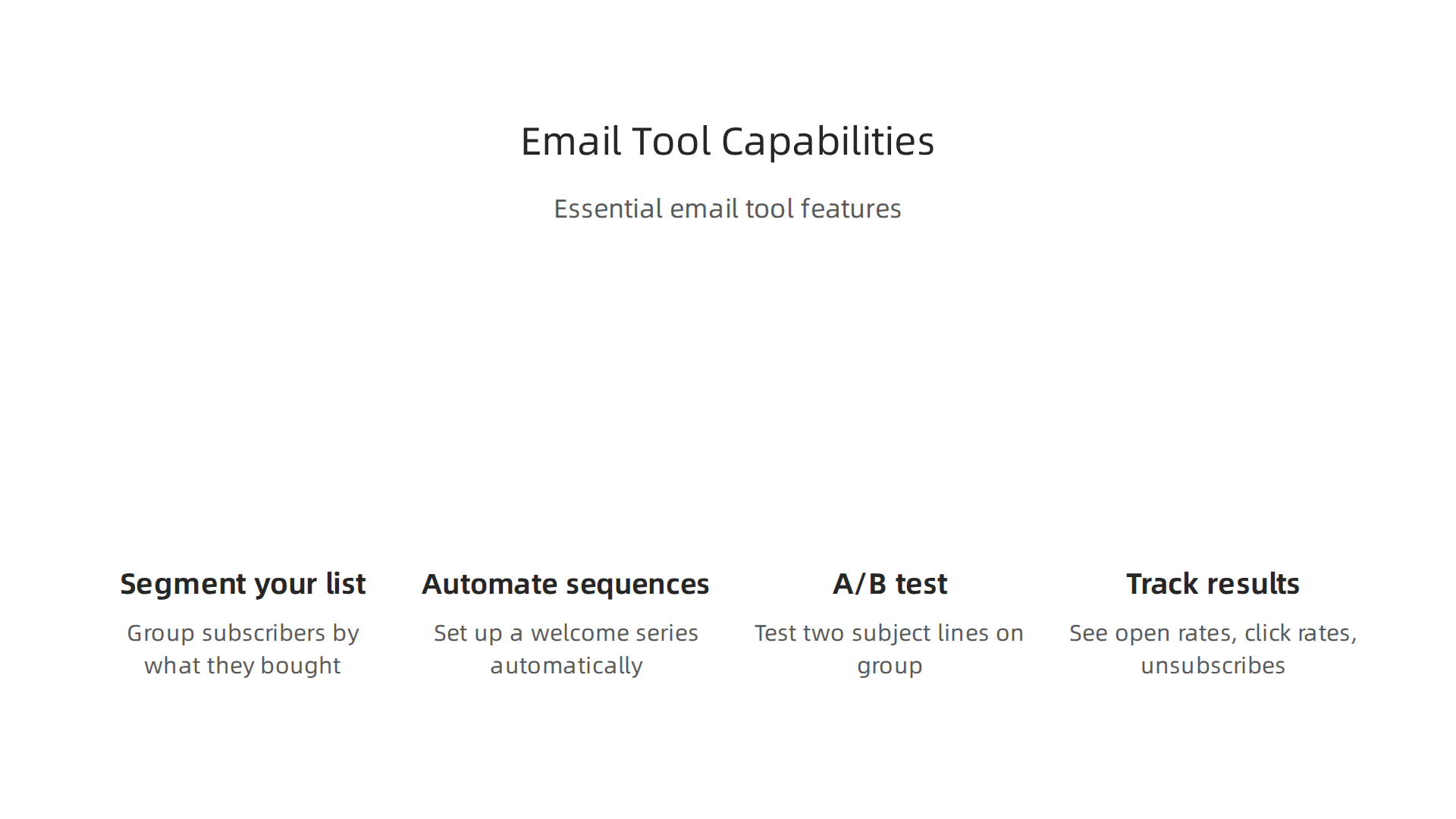
- Segment your list. Group subscribers by what they bought, where they came from, or how often they open emails. Then send each group a message that fits them.
- Automate sequences. Set up a welcome series that runs automatically when someone signs up. No need to remember to send each email.
- A/B test your subject lines. Test two subject lines on a small group, then send the winner to the rest. This small change can boost open rates by 20%.
- Track results. You see open rates, click rates, and unsubscribes in real time. You know what’s working and what’s not.
Why List Building and Deliverability Matter
Your subscriber list is your most valuable marketing asset. But if your emails land in spam folders, the list is worthless. Good email platforms use strong delivery systems to keep your messages in the inbox. They also help you remove inactive subscribers so your sender reputation stays high.
For a deep dive on which digital marketing platforms are best for small businesses, check this roundup of the 10 best email marketing tools for small businesses. It compares pricing, features, and deliverability rates so you can pick the right one.
Next Steps for Your Email Strategy
Start with a free plan from a tool like MailerLite or Brevo. Build a small list first. Send one email per week for a month. See what your audience responds to. Then add automation.
If you want a full guide on setting up automated sequences that turn subscribers into customers, learn how to build a drip marketing campaign that converts. It walks you through the exact steps to nurture leads without spending hours every day.
Analytics Tools: Data-Driven Decision Making
Email shows you who opened and clicked. But analytics tools give you the full picture of your internet marketing tools stack. Without them, you are guessing which parts of your strategy actually work. With them, you know exactly where to spend your time and money.
Analytics tools track everything happening on your website and across your campaigns. You see where your traffic comes from which pages keep people interested and where visitors drop off. That data helps you make smart changes instead of random ones.
What to Look For in an Analytics Tool
Good analytics platforms share a few key features. First, traffic source tracking shows you whether visitors come from Google search, social media, email, or ads. Second, conversion tracking connects clicks to actual outcomes like form fills or purchases. Third, custom reporting lets you build dashboards that show only the numbers you care about most.
According to a roundup of the 15 marketing analytics tools for 2026, tools like Google Analytics and HubSpot help businesses understand audience behavior and campaign performance in real time. That means you can spot a problem today and fix it tomorrow, not next month.
Turn Insights Into Action
Collecting data is only half the job. The real value comes from acting on what you learn.

If a certain blog post brings in the most traffic, write more content like it. If a specific ad drives the most conversions, put more budget behind it. Data turns your marketing from a guessing game into a repeatable system.
Many small businesses find it easier to manage analytics alongside their other digital marketing online efforts with an all-in-one service. For example, Weblish includes analytics tracking and reporting as part of its monthly subscription, so you do not need to juggle multiple platforms alone.
Get started with weblish by signing up and claiming your free trial.
Connect Everything and Watch It Grow
Once your analytics tool is set up, you can connect it to your email platform, social media accounts, and ad managers. This gives you a single dashboard where you see the full customer journey. No more logging into five different tools to understand what is happening.
To get the most out of your data, set up regular reports and review them weekly. Look for trends over time, not just single day spikes. Small shifts add up to big results when you make consistent improvements.
Connect your website with Weblish and grow your traffic on autopilot with AI.
Content Marketing Tools: Create and Distribute at Scale
You have your analytics showing you what works. Now you need content that brings people in and keeps them interested. Content marketing is how you attract new visitors, build trust, and turn casual readers into loyal customers. But creating good content and getting it seen takes real time. That is where the right tools change everything.
What Content Marketing Tools Do
Content marketing tools cover the entire process. They help you brainstorm topics, write faster, design images, schedule posts across platforms, and see which pieces drive the most results. When you link them together, you save hours every week and publish on a steady rhythm.
Ideation and Creation Tools
The hardest part of content marketing is figuring out what to say. Tools like BuzzSumo show you trending topics in your industry so you never run out of ideas. AI writing assistants help you draft blog posts, email sequences, and social captions in minutes instead of hours. And Canva makes it simple to create professional graphics even if you have zero design background.
Scheduling and Distribution Tools
Writing the content is only half the work. You also need to deliver it consistently across channels. Scheduling tools let you plan and publish posts to multiple platforms at once so you are not logging in every day. A guide to the best social media management tools for small business shows that automating your posting saves business owners several hours per week. That freed up time goes straight back into creating better content.
Consistency Creates Results
The biggest mistake small businesses make with content is stopping too soon. Content marketing only works when you show up regularly over months, not days. Templates and automation help you stay on track even during your busiest weeks. Block out one afternoon each month to plan your topics, write in batches, and schedule everything at once. That simple habit keeps your marketing running while you focus on running your business.
To see how content marketing connects to your full online presence, take a look at this guide on creating a full internet marketing strategy that ties content creation to lead generation and long term growth.
Marketing Automation Tools: Workflow Efficiency
Content marketing tools get you started, but they work even better when connected to automation. Marketing automation is what ties all your internet marketing tools together into one smooth workflow. Instead of juggling separate tasks, automation handles the repetitive work for you.
Think about what happens after someone fills out a form on your website. You want to send them a welcome email, add them to a list, and follow up a few days later with more useful content. Doing that by hand for every new contact takes forever. Automation does it all in the background, on autopilot.
How Marketing Automation Helps Small Businesses
The biggest win is lead nurturing. Most people do not buy the first time they hear about you. They need a few touches first. Automation sends personalized emails based on what each person does. If someone clicks a link about pricing, your system can send them a case study next. If someone ignores your emails for a month, your system can send a re-engagement message. These tailored journeys make a huge difference in conversion rates.
Another big time saver is follow-ups. Small businesses often miss out because they forget to check in with leads. Marketing automation tools remember for you. They send reminders, schedule social posts, and even update your customer records. When you combine these with the best email marketing tools for small businesses, you create a machine that works 24/7.
Building Customer Journeys That Convert
Personalization is not just a nice extra. It is what turns a casual visitor into a paying customer. Automation lets you segment your audience based on behavior, location, or interests. Then you send the right message at the right time. That feels much more helpful than blasting the same offer to everyone.
To get started, try setting up a simple email sequence for new subscribers. Offer a free guide, then share a few helpful articles, then introduce your services. If you want a deeper look at how to set these up step by step, check out this guide on how to build a drip marketing campaign that converts.
The goal is to free up your time so you can focus on the big picture. Automation handles the small stuff. When your tools talk to each other, your whole marketing runs smoother.
Grow Your Traffic on Autopilot
Paid Advertising Tools: Accelerate Growth
That smooth workflow carries right over into paid advertising. While organic growth takes time, paid ads put your business in front of people who are searching right now. That makes them one of the most important internet marketing tools for small businesses that need fast results.
The real power comes from PPC tools. These platforms handle your bids, keywords, and budgets automatically. Instead of watching your dashboard all day, you set a daily budget and let the software optimize your spend. Built-in A/B testing tools let you try different headlines, images, and offers. The tool shows you what is working so you can invest more in winners and cut what is not.
To pick the right search terms for your ads, you need good data. Many of the best digital marketing platforms combine organic and paid research in one place. You can see exactly what keywords your competitors are bidding on and what your future customers type into Google. This saves hours of manual guesswork. For a deeper look at tools that help with this, check out this roundup of the best SEO tools for small business growth. They often include PPC keyword planners and competitive analysis features inside the same system.
One of the smartest plays you can make is retargeting. Most people visit your site once and leave without buying. Retargeting tools show your ads to those same visitors as they browse other websites or scroll through social media. This keeps your name in front of people who already showed interest. It also lowers your customer acquisition cost because you are not paying to reach cold strangers. Every dollar goes further.
If you want to dive into paid campaigns the right way, start with proven tactics for Google Search Ads. Paid advertising is a fast track to new customers, and the right internet marketing tools make sure your budget earns its keep.
How to Choose the Right Internet Marketing Tool Stack
By now you have seen a lot of powerful options. But here is the trap. Many small business owners buy too many tools too fast. Suddenly you have five subscriptions and your team uses only two of them.
The smarter approach starts with your goals. Are you trying to get more website traffic, generate more leads, or close more sales?
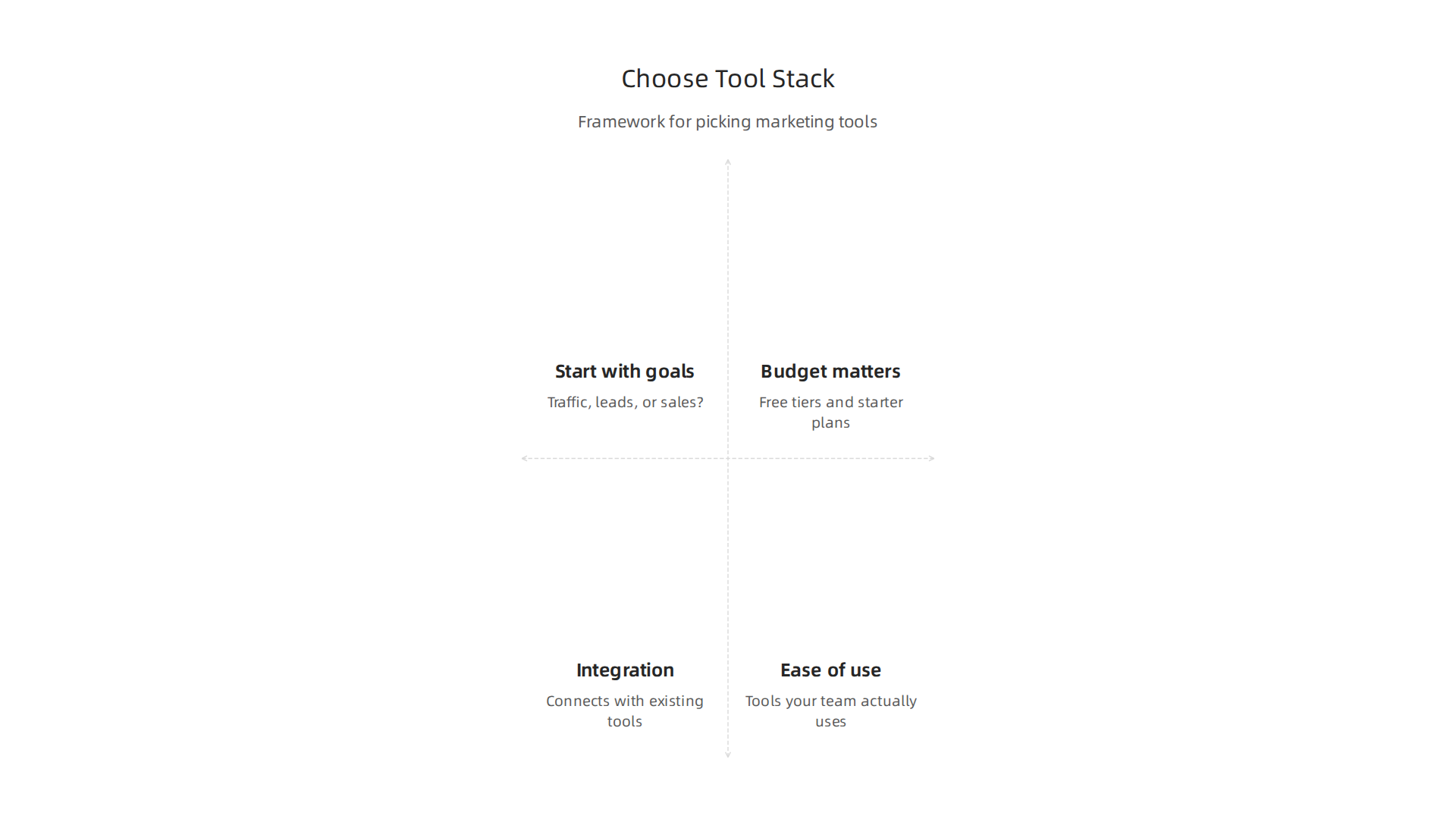
Each goal calls for different tools. SEO tools help with traffic. Email tools support lead nurturing. CRM systems help you close deals. Pick your main goal first, then build around it.
Your budget matters too. You do not need an enterprise platform that costs thousands each month. Many of the best digital marketing platforms offer free tiers and starter plans designed specifically for small businesses. Start small. Upgrade only when a tool proves it earns its keep.
Integration is the secret sauce that most people overlook. A tool that works beautifully alone but refuses to talk to your email platform or CRM will create more work than it saves. Before buying anything, check whether it connects with what you already use. Look for native integrations or solid API support.
Ease of use is just as important. If your team needs a two week training course to run basic reports, that tool will collect dust. The best internet marketing tools are the ones your team actually opens every day. Test the interface with a free trial first. Hand it to the person who will use it most and see if they can figure it out on their own.
Another useful step is to start with a full digital marketing strategies plan before you buy anything. When you know exactly what channels matter most to your business, choosing the right tools becomes much easier.
And remember this. You can always get started with a smaller commitment. Many platforms let you get started with weblish by signing up and claiming your free trial. Test a tool for thirty days with real campaigns. If it brings in results, keep it. If not, cancel and move on. That simple rule will save you thousands of dollars and a lot of frustration.
When you are ready to scale, you can grow your traffic on autopilot with a done for you service that handles the heavy lifting while you focus on running your business. The right internet marketing tool stack is the one that works for you, not the one with the longest feature list.
Summary
This guide shows small business owners how to pick and use internet marketing tools to turn scattered tactics into a repeatable growth system. It explains the core categories—SEO, social media, email, analytics, content, automation, and paid ads—what each category does, and why they matter for bringing qualified traffic, nurturing leads, and closing sales. The article emphasizes starting with free tools and clear goals, testing with short trials, and prioritizing integrations so your tools work together rather than creating extra work. You’ll learn practical next steps: where to begin (Google Search Console, GA4, starter social/email plans), how to evaluate ROI, and simple automation and reporting processes that scale. By following the advice here you’ll be able to assemble a lean marketing stack, automate routine tasks, measure what matters, and grow leads without wasting budget.