
Integrated Search Engine Marketing The SMB Lead Generation Blueprint
This article explains why small and mid-sized businesses must stop treating paid search (SEM) and other digital channels as separate islands and instead build a…


Why integrating search engine marketing with your broader digital strategy solves the SMB growth problem
Many small businesses today have a big problem. Their websites look nice, but they don’t actually bring in new customers.

We call these "brochure sites" because they just show information without truly working to grow the business. It’s like having a beautiful store window but no one ever comes inside to buy. Even worse, many small businesses try different kinds of marketing, but they keep them separate. Things like social media, email newsletters, and even their website often work alone, like separate islands. This means all their hard work might not connect to help them get more leads and sales.
This common issue makes it hard for small and mid-sized businesses (SMBs) to grow. They might spend money on different digital marketing efforts, but they don’t see the results they want. For example, they might use search engine marketing digital marketing, which includes paid ads like Google Ads, to get people to their website. This can certainly increase visibility and traffic, as explained in this useful video on Search Engine Marketing (SEM) In Digital Marketing. However, if their website isn’t set up to turn those visitors into customers, or if their email isn’t following up, the effort is wasted.
The real solution in 2026 is to connect all these parts. This means bringing together your search engine marketing efforts with your bigger digital strategy. Think of it like a team where everyone works together for one goal. When you align your paid ads (SEM) with your website’s search engine optimization (SEO), your content, email marketing, and automated tools, you create a powerful system. This system is designed to generate consistent leads for your business. Studies show that an integrated approach combining SEO and SEM yields the most substantial improvements in how well your business is seen online and the quality of your website traffic.
This article will give you a simple, step-by-step guide to make all your digital marketing work together. You’ll learn how to stop your marketing channels from acting like separate islands and start building a strong bridge between them. We’ll show you how to blend SEO and search engine marketing with other tools to ensure your website truly becomes a lead-generating machine. You can find out more about Digital Marketing Strategies for Businesses that deliver results.
Ready to transform your website from a passive brochure into an active growth engine? You don’t have to tackle this alone. Weblish offers a done-for-you growth service that handles web design, SEO, social media, and more, all designed to generate consistent leads for SMBs. If you’re looking for a partner to help you integrate your Small Business Website Conversion efforts and broader digital marketing, consider trying out their service. Get started with Weblish (free trial) and discover how easy it can be to get real results.
Connect your website with Weblish and grow your traffic on autopilot with AI. Grow Your Traffic on Autopilot.
1) Build an Integrated SEM + Digital Marketing Strategy (Foundation and KPIs)
To truly make your digital marketing efforts work together, the first step is to build a strong plan with clear goals.

Imagine trying to win a game without knowing the score or what you’re even trying to achieve. It wouldn’t make sense! The same is true for your search engine marketing digital marketing. You need a single, clear goal that brings together all your online activities, from paid ads to free content.
Define Your Goals and Customer Journey
Instead of having separate goals for each marketing piece, your goal should be one big picture of what you want your business to do. This means thinking about the whole path a customer takes, from when they first hear about you to when they buy something. This path is often called the "customer journey" or "marketing funnel," and it has different stages:
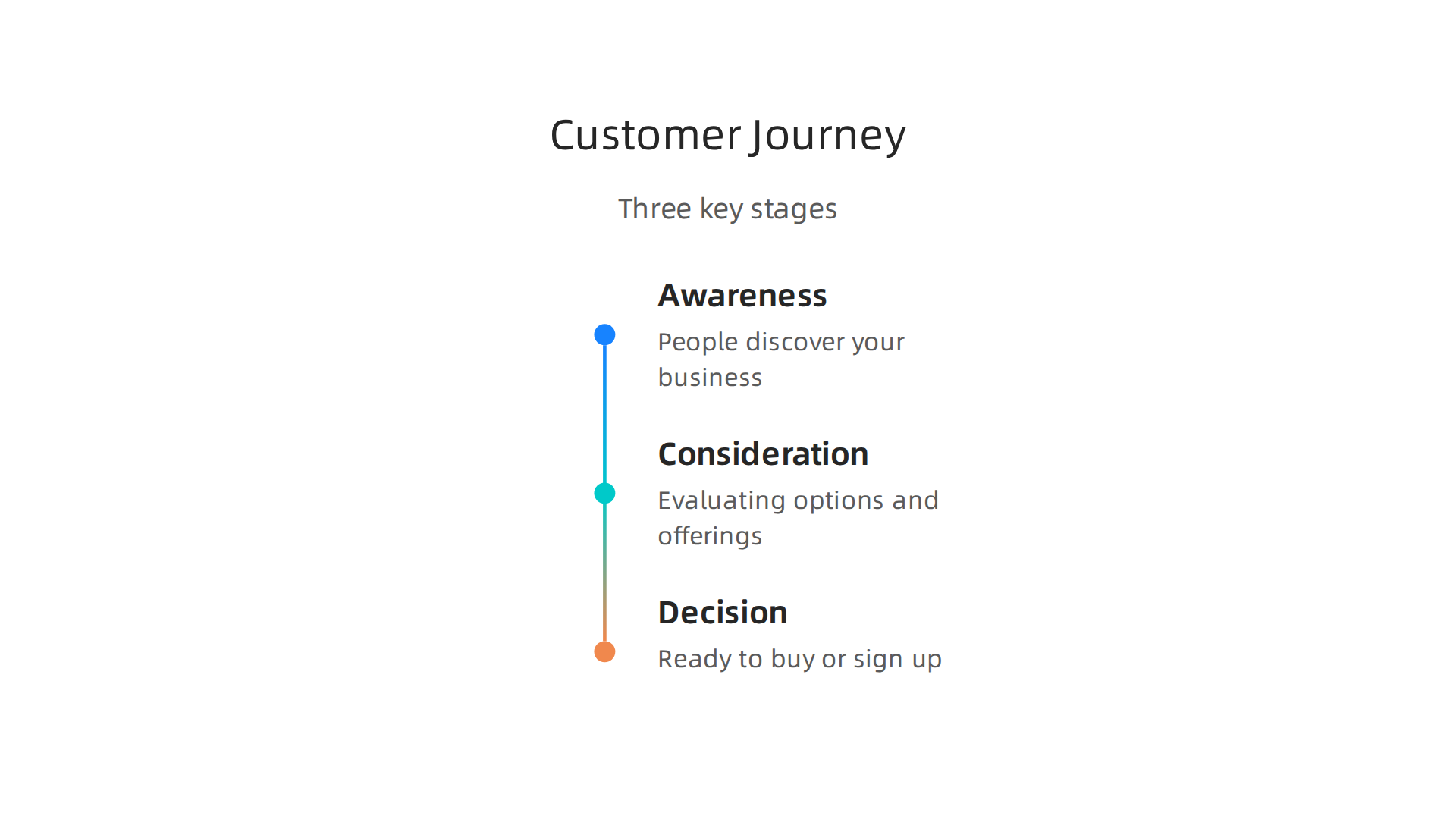
- Awareness: This is when people first discover your business. They might be searching for answers to a problem you solve.
- Consideration: At this stage, people know about you and are looking at your business more closely, comparing you to others.
- Decision: This is when they are ready to buy or sign up for your service.
Your search engine marketing and search engine optimization (SEO) efforts should support customers at each of these stages. For instance, paid search ads (part of search engine marketing) can be great for quick visibility for people ready to buy. Meanwhile, helpful blog posts (driven by SEO) are perfect for those just learning about a problem. Both of these are important parts of your overall search engine marketing in digital marketing.
Choose Your Key Performance Indicators (KPIs)
Once you have clear goals and understand the customer journey, you need to know how you will measure success. This is where Key Performance Indicators, or KPIs, come in. KPIs are like scoreboards that tell you if you’re winning. For small businesses in 2026, it’s wise to focus on a few important KPIs that tie directly to your main goals. These should show how well your whole digital strategy is working, not just one part.
Some useful KPIs for small and mid-sized businesses include:
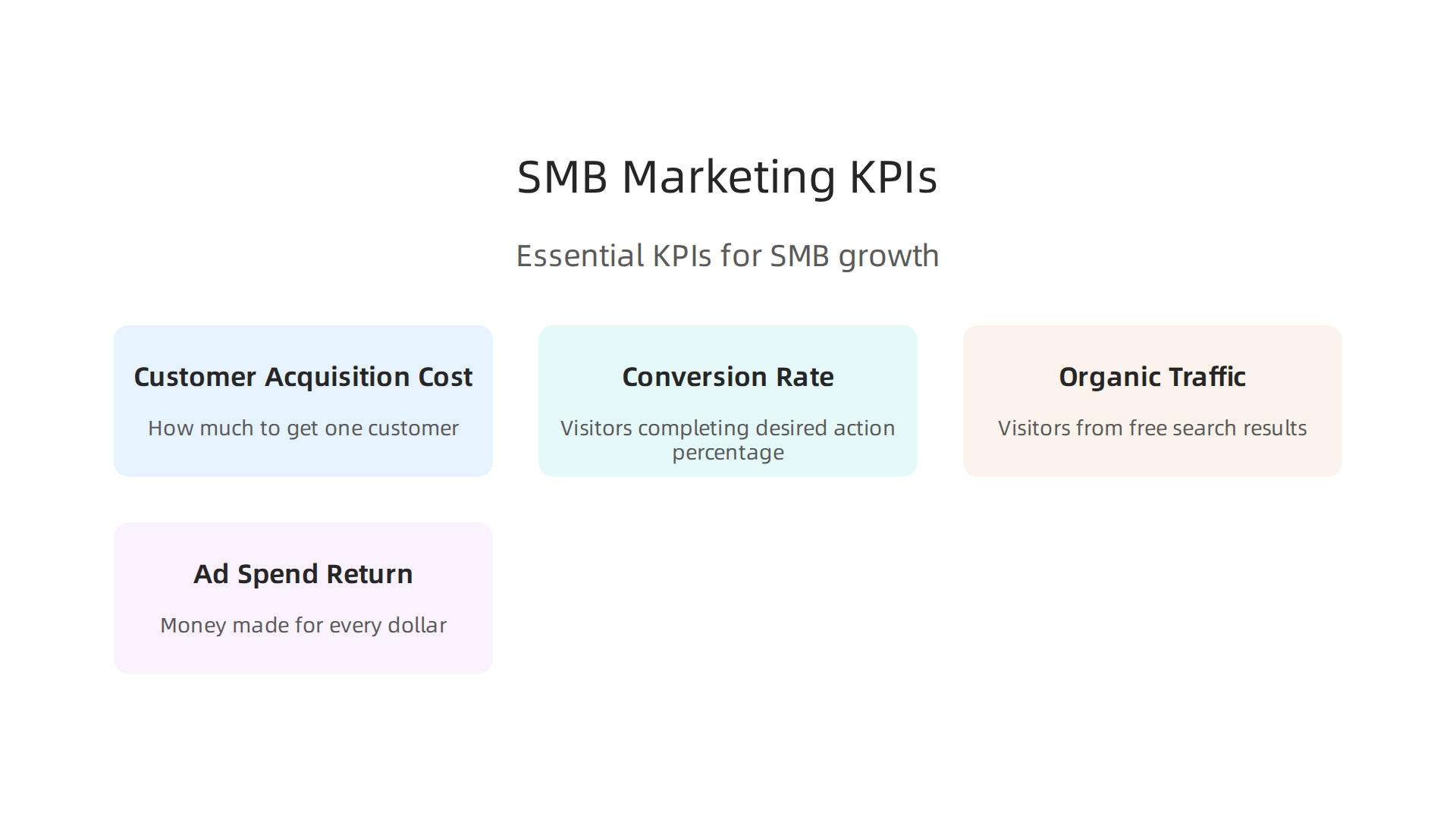
- Customer Acquisition Cost (CAC): How much it costs to get one new customer.
- Conversion Rate: What percentage of your website visitors actually complete a desired action, like filling out a form or making a purchase.
- Organic Traffic: How many people visit your website from free search results.
- Return on Ad Spend (ROAS): How much money you make back for every dollar you spend on ads.
A smart small business dashboard should track about 20 to 25 KPIs at most, checking them monthly and seeing how they connect to sales, as shared by Kolonell in their Digital marketing KPI 2026: SME dashboard. It’s also key to stop measuring paid impressions and organic impressions separately. Instead, look at one combined view of how often your brand shows up when someone searches for a topic, which is part of a Unified Search Strategy for 2026.
Map Search Intent to Campaigns
A big part of an integrated strategy is making sure your SEO and search engine marketing efforts don’t fight each other. Instead, they should work together. This means understanding what people are actually looking for when they type things into a search engine. This is called "search intent."
For example:
- Someone searching "best running shoes for flat feet" might be in the consideration stage. They need information, so a blog post (SEO) would be great.
- Someone searching "buy running shoes size 10" is in the decision stage. They’re ready to buy, so a paid ad for your online store (search engine marketing) would be perfect.
By understanding this, you can make sure your content and your ads support different types of searches. Paid search can even help you test which keywords work best before you invest a lot of time in creating organic content for them. This smart way of planning helps both your organic and paid efforts lead to more sales and growth for your business. You can learn more about this on our page about what search engine marketing means for small business success. This unified approach is why many experts agree that paid search and SEO are merging in 2026 to create a powerful overall strategy.
A smart overall plan that brings together your paid and organic efforts is just the start. For small and mid-sized businesses (SMBs), how you actually set up your search engine marketing digital marketing campaigns is key. This helps you get the most out of every dollar, makes things easy to manage, and brings in more customers.
Structure Your Campaigns Smartly
Think of your search engine marketing campaigns like building blocks. For SMBs, you want these blocks to be simple, clear, and easy to move around.
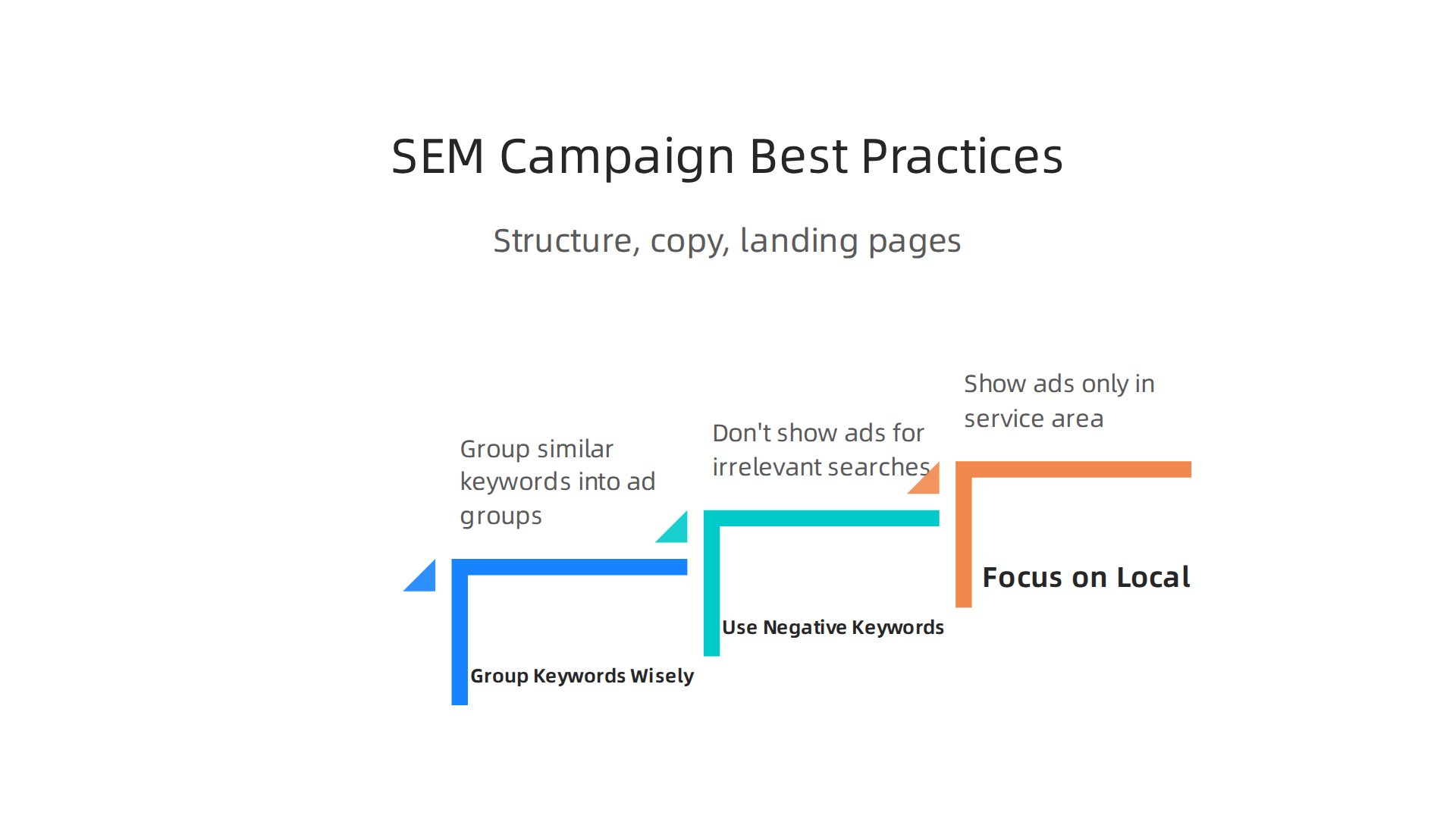
- Group Your Keywords Wisely: Don’t throw all your keywords into one big bucket. Instead, group similar keywords together into "ad groups." For example, if you sell shoes, have one ad group for "running shoes" and another for "walking shoes." This lets you write ads that perfectly match what people are searching for.
- Use Negative Keywords: This is a big money saver. Negative keywords tell search engines what not to show your ads for. If you sell new running shoes, you might add "used" or "rental" as negative keywords. This way, you don’t pay for clicks from people who aren’t looking for what you offer, making your search engine marketing in digital marketing more efficient.
- Focus on Local if it Makes Sense: If your business serves a local area, make sure your ads only show to people in that area. This stops you from wasting money on clicks from people who are too far away to become customers.
Being smart with your structure helps you keep your budget tight. For many small businesses in 2026, professional digital marketing services can range from $1,000 to $3,000 per month, including both ad spend and management fees for a basic Google Ads campaign, as noted in a guide on Digital Marketing Costs for Small Businesses 2026.
Craft Compelling Ad Copy
Your ad copy is what people see on the search results page. It’s your chance to grab their attention quickly.
- Be Clear and Direct: Tell people exactly what you offer and what problem you solve. Use simple language.
- Highlight Benefits, Not Just Features: Instead of saying "We sell shoes," say "Get comfortable feet with our durable running shoes."
- Include a Strong Call to Action (CTA): Tell people what to do next: "Shop Now," "Get a Free Quote," or "Learn More."
- Match Your Keywords: Make sure the words in your ad copy are similar to what people searched for. This makes your ad more relevant and can improve your "Quality Score," which helps your ads show up more often for less money. This is a key part of effective search engine marketing.
Design Landing Pages That Convert
After someone clicks your ad, they land on a page on your website. This "landing page" needs to be ready to turn that click into a customer.
- Match the Ad Message: The landing page should continue the story from your ad. If your ad promised a "free consultation," the landing page should immediately offer a way to get that.
- Keep it Simple and Fast: Don’t clutter your landing page with too much information. Make it easy to understand and quick to load. People don’t like waiting.
- Clear Call to Action: Just like your ad, your landing page needs a very clear button or form that tells visitors what you want them to do.
- Mobile-Friendly: Many people search on their phones. Your landing page must look good and work well on small screens.
By focusing on these best practices for structuring your campaigns, writing compelling ads, and creating high-converting landing pages, you’ll make your search engine marketing efforts much more effective, even with smaller budgets. This helps both your paid efforts and your overall strategy involving seo and search engine marketing lead to real business growth.
Do you want to see your website bring in more customers?
Grow Your Traffic on Autopilot
3) Align SEO and content with paid search: a unified approach to keyword intent and content planning
After making your paid search campaigns sharp, the next big step is to make sure your search engine marketing digital marketing efforts work together, not separately. This means linking your paid ads (SEM) with your organic search efforts (SEO) and the content you create.
Think of it like this: your paid ads can be a fast way to learn what people truly want. When you run paid campaigns, you quickly see which keywords bring in clicks and, more importantly, which ones lead to customers. This information is super valuable. Instead of guessing, you get real data on what works. In 2026, many experts agree that paid search and SEO are merging, meaning you shouldn’t measure them apart anymore Paid Search And SEO Are Merging In 2026.
Here’s how to make your paid search data help your SEO and content:
- Use Paid Search Data for Organic Growth: When a specific keyword performs well in your Google Ads campaign, bringing in good leads or sales, that’s a signal. It tells you that this keyword has "high intent," meaning people searching for it are likely ready to buy or engage. You can then use this knowledge to create deeper, more helpful content for your website around those keywords. This means better blog posts, guides, or service pages that aim to rank high in organic search results. This unified approach, combining search engine marketing and search engine optimization, helps you win on both fronts.
- Build Landing Pages for Both: The landing pages that work best for your paid ads likely have a clear message and a strong call to action. These successful pages can give you ideas for how to improve your organic landing pages too. By making sure your organic content also serves those high-intent keywords with great landing pages, you boost your chances of converting visitors into customers, whether they found you through an ad or a free search result.
- Create a Unified Content Calendar: A smart business uses a content calendar that serves both long-term SEO growth and short-term search engine marketing in digital marketing tests. You can plan content that slowly builds your organic authority over time, while also creating smaller pieces of content or specific landing pages that you can quickly test with paid ads. This way, the insights from your paid tests can directly feed into your bigger content strategy. For more tips on improving your content for organic search, check out strategies for SEO content optimization.
By aligning your SEO and search engine marketing efforts, you’re not just running two separate campaigns. You’re building a strong, connected digital marketing machine that learns from itself and gets better over time. This approach ensures your marketing budget works harder, leading to more consistent growth for your business.
To make your search engine marketing digital marketing efforts really sing, you need the right tools. Think of these tools as the engine and dashboard for your unified strategy. This set of tools is often called a "tech stack." For small to mid-sized businesses (SMBs) in 2026, a smart tech stack makes sure your SEO and paid search work together smoothly without costing too much or requiring endless manual work.
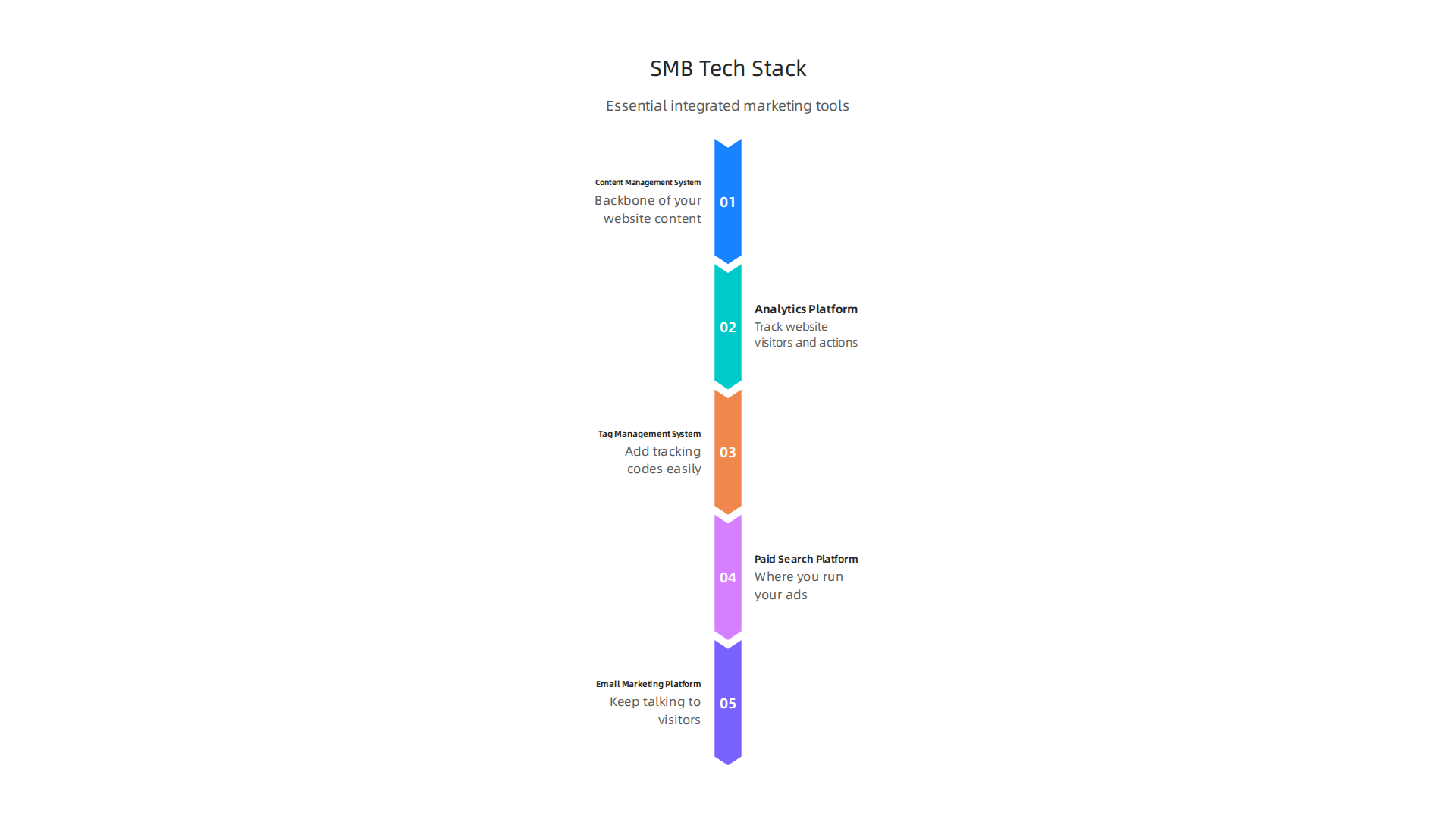
Here’s a look at the important parts of a good tech stack for integrated digital marketing:
Minimum Viable Stack for SMBs
You don’t need a huge, expensive setup. Start with the basics that give you the most bang for your buck:
- Content Management System (CMS): This is the backbone of your website. It’s where all your content lives and how you update your site. Platforms like WordPress, Shopify, or Webflow are popular choices. They let you create the landing pages and blog posts that are key for both SEO and paid search.
- Analytics Platform: You need to know what’s working and what isn’t. Tools like Google Analytics help you track website visitors, where they come from, and what they do on your site. This data is vital for understanding your audience and improving your overall digital marketing strategies for businesses proven tactics for smb growth.
- Tag Management System: This helps you easily add tracking codes (tags) from your analytics and advertising platforms to your website without needing a developer for every little change. It keeps your site tidy and helps you collect accurate data.
- Paid Search Platform: This is where you run your ads. Google Ads is the biggest player, but there are others. It’s important for managing your ad campaigns and using the data to inform your SEO efforts.
- Email Marketing and Automation Platform: Once you get visitors, you want to keep talking to them. An email platform lets you send newsletters, special offers, and automated messages. These tools can also help you nurture leads collected from your website, making your search engine marketing digital marketing more effective.
How AI and Automation Reduce Ongoing Costs and Manual Work
In 2026, artificial intelligence (AI) and automation are game-changers for search engine marketing in digital marketing. They help SMBs do more with less, cutting down on many manual tasks and saving money.
- Smart Automation: Marketing automation tools can send emails, post on social media, and even guide customers through a sales process automatically. This frees up your team to focus on bigger picture strategies. Many small businesses find that the best marketing automation software balances cost with strong features, like ActiveCampaign, which offers a great return on investment for SMBs Marketing Automation Software: The 2026 Ultimate Guide.
- AI for Efficiency: AI can help you with many parts of your digital marketing. For example, AI can help score leads, predict which content will perform best, and even write parts of your ad copy. Some AI automations have shown impressive returns for SMBs, like personalized AI email agents Top 10 AI Automations SMBs Use 2026 (ROI & Tools).
- Platform Connectors: These are tools that help different parts of your tech stack talk to each other. For example, connecting your website (CMS) to your email marketing tool or your analytics platform. This creates a unified system where data flows freely, making your entire search engine marketing and search engine optimization efforts more powerful and efficient. Investing in marketing automation can bring quick wins, with some businesses seeing a measurable positive return on investment within 30 days of setup, especially when platforms are pre-integrated TOP 20 MARKETING AUTOMATION ROI STATISTICS ….
By using these tools smartly, you can build a marketing engine that consistently brings in leads and sales, making your business grow steadily. If you’re looking for help building this kind of integrated system, you might benefit from services that offer comprehensive digital marketing solutions.
Ready to see how a unified approach can transform your online presence? Grow Your Traffic on Autopilot.
Now that you have the right tools and automation in place, how do you know if your search engine marketing digital marketing efforts are actually working? This is where measurement, attribution, and optimization come in. You need to prove what’s working and what might be a waste of your money and time.
Measurement and Attribution: Knowing What Drives Results
Measurement is simply tracking how your marketing campaigns are doing. Attribution is a bit trickier. It means figuring out which parts of your marketing journey truly lead to a sale or a new customer. People usually interact with your business in many ways before buying something. They might see an ad, then search online, then visit your website, then get an email. Attribution helps you give credit to the right steps.
For small to mid-sized businesses (SMBs), choosing the right attribution method helps you spend your marketing budget wisely. It helps you see the real value of both your paid search ads and your search engine optimization efforts.
Here are some common ways to think about attribution:
- First-Touch Attribution: This model gives all the credit to the very first thing a customer saw or clicked before they bought something. It’s great for understanding what makes people aware of your brand. For example, if a customer first found you through a Google Ad, that ad gets all the credit. This model helps you measure how well you are creating awareness Understanding Different Attribution Models in Marketing.
- Last-Touch Attribution: This model gives all the credit to the very last thing a customer interacted with right before they made a purchase. It’s good for seeing what pushes people to close a deal. For instance, if the last thing they clicked was an email offer, that email gets all the credit. It’s often simple to set up and understand Choosing the Best Marketing Attribution Model: A Guide.
- Data-Driven Attribution: In 2026, this is often the best choice for SMBs using tools like Google Analytics. Instead of just picking the first or last touch, this model uses smart computer programs to look at all the different interactions a customer had. It figures out how much each step helped lead to a sale. It gives a more complete picture of how your search engine marketing and search engine optimization work together Marketing attribution models: which one to choose in 2026. Think of it like a team effort where every player gets some credit for scoring a goal.
Testing and Optimization for Better Results
Once you understand what’s driving results, you can start making things better. This is called optimization. It means trying out new ideas and making small changes to improve your marketing over time.
Think of it as a cycle:
- Test: Try out a new ad, a different headline on your website, or a new way to get people to sign up for your email list.
- Measure: Use your analytics tools to see how your test performs.
- Learn: Figure out why something worked or didn’t work.
- Repeat: Use what you learned to make more changes and keep testing.
For your reporting, a simple dashboard can help you keep track of what’s important.

This dashboard might show you:
- How many visitors came to your website.
- Where those visitors came from (like Google search, social media, or ads).
- How many people filled out a form or bought something.
- How much each new customer cost you.
You can even automate your SEO reports using tools that connect with platforms like Google Search Console to keep an eye on your performance and make informed decisions about your content and ads. Having a clear view of your numbers helps you see which digital marketing strategies for businesses are truly helping you grow and where you might need to make cuts or changes. If you need help turning your website into a lead generation machine, a free AI Efficiency Audit can help you identify tools for efficiency and lead generation. You can Get started with Weblish (free trial) to discover services that provide clear strategies for improving your online presence.
After learning how to measure what works, the next big question for any small or mid-sized business is, "How much does all this cost, and what’s the best way to pay for it?" Understanding different pricing and delivery models for search engine marketing digital marketing services is key to finding the right fit for your budget and business goals in 2026.
Common Ways to Pay for Digital Marketing
When you look for help with your search engine marketing or search engine optimization, you’ll find different ways that agencies or services charge for their work. Here are the most common ones:
- Hourly Rates: You pay for the exact hours someone works on your projects. This can be good for small, specific tasks, like getting advice or fixing a quick problem. Hourly rates can range quite a bit, from around $50 to $500 depending on who you hire and where they are located Digital Marketing Pricing: How Much Does It Cost in 2026?.
- Project-Based Fees: This means you pay a set price for a whole project, like building a new website or doing a special marketing audit. It’s clear what you’ll get and how much it will cost upfront. For example, a new website or audit might cost between $3,000 and $15,000 How Much Does Marketing Cost for a Small Business in 2026? (Real …).
- Monthly Retainers (Subscriptions): This is a very popular choice for ongoing work like SEO and search engine marketing. You pay a set amount each month for a bundle of services. This helps you plan your budget better and ensures your marketing efforts keep going. Many digital agencies use this model in 2026, with small businesses often paying from $1,500 to $6,000 per month Digital Marketing Agency Pricing Guide 2026. Services like Weblish often use a subscription model because it offers predictable costs and continuous support without big upfront fees.
- Performance-Based Pricing: With this model, you pay based on the results you get, like a certain amount for each new lead or sale. This can be very appealing because you only pay when your marketing works. However, it can also be more complex to set up.
- Percentage of Ad Spend: If you’re running a lot of paid ads, some agencies will charge a percentage of how much you spend on those ads. This is common for managing Google Search Ads. This usually ranges from 15% to 20% of your total ad budget Digital Marketing Pricing For Small Business: 2026 Guide.
- Hybrid Models: Many businesses in 2026 use a mix of these. For example, a retainer might cover the basic services, and then you pay a bonus if certain goals are met. This combines steady service with rewards for great results Digital Marketing Pricing Guides 2026 | InfluenceFlow.
Choosing the Right Delivery Model
Picking the best way to get your digital marketing done depends on a few things: your budget, the skills your team already has, and what you want to achieve.
- Do It Yourself (DIY): If you have time and someone on your team who understands things like SEO and search engine marketing, you might handle some tasks yourself. There are many free guides and online courses, like Google Digital Marketing Course free training that actually works for small businesses, to help. This can save money but takes a lot of time and learning.
- Hire a Freelancer: For specific tasks, a freelancer can be a good choice. They often have special skills in areas like web design or writing for SEO.
- Work with an Agency or Growth Service: For many small businesses, hiring an expert team is the most effective way to handle search engine marketing digital marketing.

An agency or service provides a whole team of experts for usually less than it would cost to hire each person individually. They bring a clear strategy and ongoing support to turn your website into a lead-generating tool. This approach is great if you want to save time, get better results, and have a clear digital marketing strategy for your business.
To make the best choice, think about:
- Your Budget: How much can you realistically spend each month or for a project? Digital marketing costs for small businesses can range from $1,000 to $7,500+ per month, depending on how much help you need and how many channels you use How Much Does Digital Marketing Cost in 2026.
- Your Internal Skills: Does anyone on your team know a lot about SEO, paid ads, or website design?
- Your Growth Goals: How fast do you want to grow, and how much online presence do you need?
Having a clear understanding of these points will help you pick a model that truly supports your business growth.
Ready to see how a dedicated team can boost your online presence? You can Grow Your Traffic on Autopilot by connecting your website with Weblish.
Summary
This article explains why small and mid-sized businesses must stop treating paid search (SEM) and other digital channels as separate islands and instead build a unified growth engine. It walks through a practical, step-by-step approach: set a single business goal and measurable KPIs tied to the customer journey, map keyword intent so paid and organic efforts complement each other, and structure SEM campaigns with tight ad groups, negative keywords and local targeting. You’ll learn how to write focused ad copy and design landing pages that convert, how to use paid data to prioritize SEO content, and which minimum tech stack components (CMS, analytics, tag manager, ad platform, email automation) matter most. The guide also covers how AI and automation reduce manual work, the best ways to measure and attribute results, and common pricing and delivery models so you can decide between DIY, freelancers, or an agency. After reading, you’ll be able to plan an integrated SEM + digital strategy that turns a brochure website into a repeatable lead-generation system.