
6 Types of Graphic Design to Boost Your Career and Business
This article explains the main types of graphic design and why understanding each specialization matters for both designers and businesses. It breaks down brand…

Why knowing the types of graphic design matters for your career and business
Have you ever stopped to think about all the amazing pictures and visuals you see every day? From the logo on your coffee cup to the apps on your phone, skilled artists called graphic designers create them all. Graphic design is simply making visual content to share messages and solve problems. It uses things like words, pictures, colors, and how everything is laid out together to make something clear and pretty. You can learn more about this core idea by checking out The graphic design definition you need to understand for business growth.
But here’s a secret: "graphic design" is actually a big umbrella term. It covers many different kinds of design work, each needing its own special skills and tools. Knowing these different types of graphic design isn’t just a fun fact. It’s super important if you want to work in design, or if you run a business that needs good visuals.

For people looking for a design job
If you’re dreaming of a career in design, or maybe even looking at schools like RISD graphic design programs, understanding these specific types is a big deal. It helps you pick which skills to learn, what kind of projects to put in your portfolio, and what jobs to look for. For example, creating graphic design images for social media is very different from designing a book. By knowing the exact types of graphic design out there, you can focus your talents and make sure you’re ready for the jobs you want. It also helps you stand out in graphic design competitions by showing you know your niche.
For businesses, big and small
If you own a small business, you probably need graphic design for many things: your logo, website, social media, and more. But without knowing the different types, it’s hard to ask for what you really need. You might hire someone for online graphic design services only to find they specialize in something else entirely. Understanding these specializations helps you:
- Hire the right person: You can find a designer who is truly good at what your business needs, whether it’s branding or making website layouts. Many small businesses struggle with websites that don’t bring in customers, but good design can change that.
- Get better results: When you know the specific type of design you need, you can explain your vision more clearly. This means the graphic designer can create visuals that really help your business grow and get more customers.
Actually, many experts agree that graphic design is a broad field with many distinct specializations, each with its own focus and deliverables. Some common types of graphic design include things like website designs, mobile app interfaces, and brand identity elements such as logos and style guides Types of Graphic Design: Complete Guide to 12 Design Specializations. Knowing these differences means your business can make smart choices about its visual presence.
If you’re a small business looking to improve your online presence and bring in more customers, having a professional and effective website is crucial. Weblish provides done-for-you growth services including affordable web design, development, and ongoing digital marketing. You can Get started with Weblish to see how professional design and marketing can help your business thrive.
This guide will break down the main types of graphic design. We’ll look at what each one is about, what designers do in that area, and why it matters for both designers and businesses in 2026. By making smart choices about your design, you can make your website work harder for you. Grow Your Traffic on Autopilot.
Brand & Identity Design: Building recognition and trust
Now, let’s dive into the first big type of graphic design: Brand and Identity Design. Imagine a person. They have a face, a special way they talk, and clothes they like to wear. All these things make them unique. A brand is kind of like that for a business. It’s how a company looks and feels to people, making them remember it and trust it. Brand identity design is all about creating these visual parts that make a business stand out.
What brand and identity designers do
Designers who work on brand identity create the main visual elements that tell a company’s story. This includes important things like:
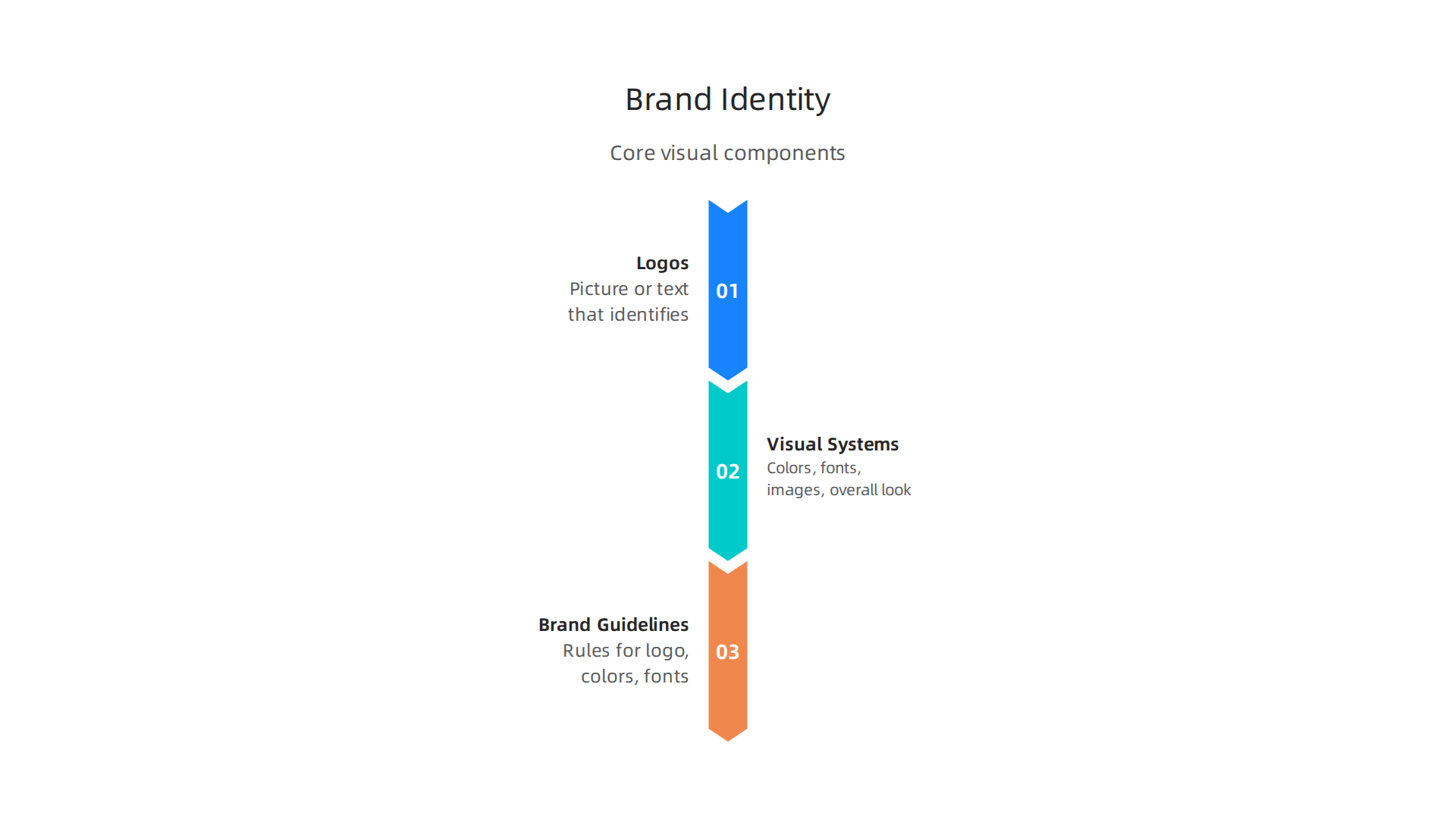
- Logos: This is the most famous part. It’s a special picture or text that helps people quickly know what company it is. Think of the apple for Apple or the swoosh for Nike.
- Visual Systems: This is more than just a logo. It includes the colors a company uses, the fonts they write in, and the kinds of pictures or graphic design images they share. It’s a whole look and feel that stays the same everywhere.
- Brand Guidelines: These are like a rulebook. They show how to use the logo, colors, and fonts correctly. This makes sure everything looks consistent, whether it’s on a website, a business card, or a social media post.
Actually, brand identity design builds the visual foundation of a brand, including logos, color palettes, typography systems, and even guidelines for imagery Types of Graphic Design: 10 Specializations Explained. All these parts work together so that a business always looks the same to its customers.
Why brand design matters for small businesses
For small businesses, good brand design is super important. It helps you:
- Be remembered: A clear, nice-looking brand makes people remember you. If your graphic design images are messy, people might forget you fast.
- Look trustworthy: When a business looks professional, people trust it more. A strong brand identity shows you’re serious and good at what you do.
- Stand out: In 2026, there are many businesses online. A good brand helps your small business shine brighter than the rest. It’s like having a unique sign that draws people in.
Having a strong brand helps your business turn its website into a lead generator. This is why many small businesses are now looking for help to build a solid brand from the start. If you’re a business owner, understanding these types of graphic design can help you decide why your small business needs a design team and how to build one.
For people wanting to become designers, focusing on brand identity can be a great path. Companies always need help making their brands look good. Employers look for designers who can create strong logos, build full visual systems, and understand how to make a brand feel right. Learning these skills can help you prepare for graphic design competitions and land great jobs. You can even learn how to use graphic design internships to transform your small business brand and gain real-world experience.
If you’re looking to create a strong online presence for your business, having clear brand identity design is crucial. Weblish helps businesses build premium websites and manage their digital presence to bring in more customers. You can Get started with Weblish to see how professional design can help your business connect with more people and grow.
After a business has a strong brand identity, the next step is to tell people about it. This is where Marketing and Advertising Design comes in. It’s all about making eye-catching visuals that help sell products or services and get more customers interested. Think of it as the friendly voice and bright signs that draw people into a store, but for businesses online and offline.
What marketing & advertising designers do
Designers in this field create many different visual things for marketing campaigns. Their main goal is to make people stop, look, and take action, like clicking on an ad or buying something. They are a crucial part of showing off a company’s brand, making sure the graphic design images and messages are clear and appealing.
These designers often create:
- Digital Ads: These are the pictures and banners you see on websites, social media, and in apps. They need to grab attention quickly.
- Social Media Graphics: Special posts, stories, and profile pictures for platforms like Facebook, Instagram, and TikTok. Good online graphic design here makes a brand feel active and fun.
- Print Materials: Things like posters, flyers, brochures, and magazine ads. Even in 2026, these are still important for many businesses.
- Email Marketing Visuals: Pictures and layouts for emails that encourage people to open them and click through.
Marketing and advertising graphic design is one of the key types of graphic design that focuses on creating visuals to promote products and services. These designs are made to help businesses convert people into customers.
Working together with marketers
Designers in marketing and advertising don’t work alone. They team up closely with marketing experts. The marketing team gives them a "brief," which is like a plan or a list of what’s needed. This brief explains who the ad is for, what message it should send, and what action they want people to take.
Then, the designers use their creative skills to make the visuals come to life. They pick the right colors, fonts, and graphic design images that match the brand identity and speak to the target audience. After the designs are made and used in campaigns, designers and marketers often look at the results. Did the ad work well? Did many people click on it? This helps them learn and make even better designs next time.
For any small business, having great marketing design can truly boost your efforts to get more customers. It’s a big part of creating an effective internet marketing strategy. Understanding these important types of graphic design helps businesses create a strong visual presence that drives growth.
UX/UI & Product Design: From wireframes to polished interfaces
After making sure your marketing visuals are eye-catching, another very important area in the world of design focuses on how easy and pleasant a product or website is to use. This is called UX/UI and Product Design. It’s one of the types of graphic design that makes sure digital things like apps and websites work well and look good for the people using them.
Think of it this way:
-
UX Design (User Experience) is like the brain of a product. It’s all about understanding what people need and how they feel when they use something. UX designers do a lot of research. They talk to users, watch them, and figure out any problems. Their main goal is to make sure the product solves a real problem for people and is easy to navigate. In 2026, skills like problem-solving and understanding user behavior are key for these designers, helping them find what makes users struggle through small tests to make things better. They create things like wireframes, which are like simple sketches of a website or app layout, and prototypes, which are early working models.
-
UI Design (User Interface) is like the face of the product. It’s about how everything looks on the screen. This is where the visual graphic design skills come in. UI designers pick the colors, fonts, and decide where buttons and images go to make the product look attractive and clear. They make sure the screens are easy on the eyes and simple to understand, turning those early wireframes into polished interfaces. If you want to know more, understanding what is UI design can really help a business.
-
Product Design brings both UX and UI together, but with a bigger picture in mind. Product designers think about the whole journey a user has with a product, from finding it to using it every day. They consider the business goals and how the design will help the company grow. These designers often work on understanding user needs, sketching ideas, building test models, and checking how well the product works using numbers and feedback. Many product design roles in 2026 need skills in both UX and UI, often working across a whole team to create digital products that people love and find useful. Designers in this field often use tools like Figma and Sketch and need to be good at designing for all sorts of devices, from big computer screens to small phones, a skill called responsive design. Many jobs in 2026 for UI Product Designers emphasize this broad skillset and a strong portfolio demonstrating user-centered design expertise.
In short, while UX designers make sure a product works well, UI designers make sure it looks great, and product designers tie it all together for the best possible experience and business outcome.
If you’re a small business looking to improve your online presence and turn visitors into consistent customers, good UX/UI design is crucial. It helps make sure your website or app isn’t just a "pretty brochure" but a powerful tool that works for your business.
Ready to see how great design and smart strategies can transform your online business?
Grow Your Traffic on Autopilot
Motion, Animation & Interaction Design: Adding time and movement
After learning about how UX/UI design makes things easy to use and look good, let’s talk about adding movement. This is where Motion, Animation, and Interaction Design come in. It’s a type of graphic design that adds time and movement to static graphic design images, making them come alive. Think of it as giving a voice and actions to what would otherwise be a still picture.
In 2026, designers in this field use movement to tell stories, guide users, and make experiences more fun and engaging.
Where Motion Design Comes to Life
Motion design is everywhere you look these days:
- Advertisements and Branding: You see motion graphics in catchy online ads, TV commercials, and even in animated logos that pop on websites. They help businesses grab your attention and remember their brand. The way these visuals move can make a big difference in how you feel about a product or service.
- User Interface (UI) Interactions: Remember how we talked about UI design? Motion design makes those interfaces smooth. When you tap a button on an app and it subtly changes color or an icon gently wiggles, that’s interaction design at play. These small movements, called micro-interactions, make using apps and websites feel more natural and responsive. They tell you something happened, or they guide your eye to the next step. To learn more about what a designer in this field does, you can explore What is a UIUX Designer for small business lead generation.
- Explainer Videos and Social Content: If you’ve ever watched a short animated video that quickly explains a complicated idea, you’ve seen motion design in action. These are great for online learning and marketing. Also, with the rise of short-form video on platforms like TikTok and Instagram Reels, motion graphic designers create dynamic content that stands out in a busy social feed. In 2026, creating eye-catching, platform-specific content is key for brands looking to connect with audiences, as highlighted by 2026 Motion Graphics Trends You Need to Know.
Core Tools and New Ways to Design
Motion, animation, and interaction designers use special tools to make their designs move. Programs like Adobe After Effects are common for creating animated videos, while tools like Figma are used for designing interactive parts of websites and apps. Some designers even use 3D software to create more complex movements.
Looking ahead in 2026, new ways of designing with motion are becoming popular:
- Short-form video: This is a huge trend, where quick, engaging animations grab attention fast. Designers are learning to tell stories in just a few seconds.
- Micro-interactions: These are those tiny, thoughtful animations that make using an app or website a joy. Think of a ‘like’ button animating when you tap it. There’s a big focus on making these personalized and purposeful, according to 5 AI UI Animation Trends to Watch in 2026.
- Augmented Reality (AR) and Virtual Reality (VR) Basics: As technology gets better, motion designers are starting to create moving experiences for AR and VR. This means designing how things move and interact in virtual worlds, making them feel more real and immersive. Many design trends in 2026 show that motion design is becoming a primary language for branding, using everything from subtle movements to cinematic clips to tell a story.
- AI-Powered Workflows: Artificial intelligence (AI) is changing how motion design is done, helping with repetitive tasks so designers can focus more on creativity and storytelling, as mentioned in 11 Motion Design Trends for 2026: AI Workflows.
This field is all about making things dynamic and exciting, guiding users through digital spaces, and making online graphic design content truly unforgettable.
Packaging & Environmental Design: Physical touchpoints and shelf impact
While motion design brings movement to the digital world, not all graphic design lives on a screen. Some important types of graphic design deal with real, physical things you can touch and see in the world. This is where Packaging Design and Environmental Design come in.
Packaging Design: More Than Just a Box
Think about the products you buy in a store. They come in boxes, bags, or bottles. Packaging design is all about creating the look and feel of these containers. It’s one of the most important types of graphic design because it’s often the first thing a customer sees.
A good package does more than just hold a product. It needs to:
- Protect the product: Keep it safe from damage.
- Inform the customer: Show what’s inside and why they should buy it, often using appealing graphic design images.
- Stand out: Grab attention on a crowded shelf.
- Be easy to use: Simple to open and store.
Designers in this field have to think about many things that digital designers might not. For example, they consider:
- Dielines: These are the flat cut-out shapes that a package will have before it’s folded into its final 3D form. It’s like a blueprint for the box.
- Materials: What will the package be made of? Cardboard, plastic, glass? Each choice affects how it looks, feels, and costs to make.
- Production: How will thousands or millions of these packages be printed and put together? The design must work with real-world manufacturing limits.
- Retail context: Where will the product be sold? How will it look next to other items?
Designing packaging is a special skill, and because of its complexity and impact on sales, designers with this expertise can earn well. In 2026, many graphic designers who specialize in unique areas like this find their skills are highly valued, with the State of Graphic Design Pricing 2026 showing different payment models for specialized work.
Environmental & Experiential Design: Shaping Spaces
Another physical aspect of graphic design is environmental design. This type of graphic design shapes the way people experience a physical space. It’s about how signs, murals, displays, and even the layout of a store or office make you feel and guide you.
For businesses with physical locations, environmental design matters a lot:
- Brand storytelling: It turns a building into a part of the brand’s story. Think of a restaurant’s decor or a store’s window display.
- Wayfinding: Clear signs help people find their way in large spaces, like airports, hospitals, or museums.
- Atmosphere: It creates a mood or feeling in a space. A bright, playful design in a children’s museum feels very different from a calm, clean design in a wellness center.
From the labels on your favorite snack to the signs that guide you through a shopping mall, these types of graphic design make our physical world clearer, more helpful, and often more beautiful.
Moving from the physical world of packaging and spaces, let’s look at another important area of graphic design: how words and pictures come together on pages, both printed and digital. This is what we call Publication and Editorial Design.
Publication & Editorial Design: Layout, Hierarchy, and Long-form Storytelling
Think about your favorite magazine, a book, or even a newspaper. Someone designed how all the words, photos, and headlines fit together on each page. That’s the job of a publication or editorial designer. Their main goal is to make reading easy and enjoyable, no matter how long the content is. These are vital types of graphic design that help tell a story clearly.
These designers are masters at:
- Typography: This means choosing the right fonts and making sure they are easy to read. They decide on font sizes, line spacing, and how words look on the page.
- Grids: Imagine an invisible set of lines on a page. Designers use these grids to arrange text and graphic design images in a neat and organized way. Grids help keep everything aligned and looking professional.
- Information Hierarchy: This is about guiding your eyes through the content. Big headlines grab your attention first, then smaller subheadings, and then the main text. Designers make sure the most important information stands out.
- Long-form Storytelling: Unlike a quick ad, publications often tell long stories or share lots of facts. Designers have to keep the reader interested page after page. They use design elements to make long reads feel less tiring and more engaging.
Today, publication design shows up in many places beyond just print. You’ll find these skills used for:
- Digital Magazines & Ebooks: Online magazines and electronic books need designers to create engaging layouts for screens of all sizes. They consider how interactive elements might work too.
- Long-form Web Content: Many websites now feature long articles or reports. Editorial designers help make these pages easy to scroll through and understand, using good design to break up text and add visuals. Even for online graphic design, these principles apply.
- Newsletters and Reports: Whether for businesses or schools, important information is often shared in a structured, designed format.
So, whether it’s arranging words for a newspaper or designing an interactive digital report, editorial designers make sure information is not just seen, but truly read and understood. If you are interested in the skills needed for these roles, you can explore the newspaper graphic design layout skills and tools for 2026 roles.
After learning about the many different types of graphic design, you might wonder how designers actually make a living. Many talented people choose to work for themselves as freelancers. This means they run their own business, finding clients and managing projects. For a freelance graphic designer, knowing how to price work and attract clients is just as important as knowing how to design well.
Common Ways Freelance Designers Get Paid
Freelance graphic designers use different ways to charge their clients:
- Hourly Rates: Some designers charge by the hour. In 2026, beginners might charge $25 to $45 per hour, while experienced specialists can charge $100 to $180 or more per hour. Mid-level designers often fall into the $50 to $90 range per hour, according to different studies on graphic designer rates 2026.
- Project-Based Fees: A lot of designers prefer to charge a flat fee for a whole project, like designing a logo or a complete website. This is a very popular method, with over a third of US designers using it. This approach can often lead to better overall earnings than hourly billing alone, as seen in the State of Graphic Design Pricing 2026.
- Retainers: For ongoing work, like managing social media graphics or updating a brand’s look regularly, clients might pay a monthly retainer fee. This gives designers a steady income and offers clients consistent support. Retainer-based work often brings in the highest yearly earnings for designers.
- Productized Services: This is where a designer offers a specific "package" of design services at a set price, like a brand identity kit. It’s like buying a product, but it’s a service.
- Licensing: For some graphic design images, designers might sell the right for others to use their work, instead of selling the work itself.
Skills You Need to Attract Clients
To succeed as a freelance designer, especially when working with small and mid-sized businesses (SMBs), you need more than just design talent.

- A Strong Portfolio: Your portfolio is like your visual resume. It needs to clearly show your best work and how you solve problems for clients. Experts say a great portfolio should include 3 to 5 detailed case studies that explain the problem, your process, and the results you achieved for your client. This is key to getting hired in 2026, as highlighted in The Complete Design Portfolio Guide (2026) and what a UX design portfolio looks like in 2026. If you’re looking to attract more clients, learning how to build a portfolio UI UX designer that wins clients in 2026 is a smart step.
- Business Smarts: Understanding how to run a business, from pricing your services to writing contracts, is super important. You also need to be good at talking to clients, truly understanding their needs, and setting clear expectations.
- Current Design Tools: Knowing how to use industry-standard software like Adobe Creative Suite (Photoshop, Illustrator, InDesign) is still a must. But in 2026, it’s also important to be skilled with new AI tools that help speed up tasks and create ideas faster, which are among the Top Graphic Design Skills to Master in 2026.
- Problem-Solving and Communication: Clients often come to designers with a problem they need to solve, like needing a better website or a new brand look. Being able to listen, think creatively, and clearly explain your design choices is highly valued. These are some of the most in-demand design skills in 2026.
Turning your creative skills into a successful freelance career means not just being a great designer, but also a smart business person. If you’re looking for guidance on how to make your online presence work harder for you, you can explore how to turn your freelance designer website into a client-getting machine.
Connect your website with Weblish and grow your traffic on autopilot with AI. Grow Your Traffic on Autopilot
Summary
This article explains the main types of graphic design and why understanding each specialization matters for both designers and businesses. It breaks down brand and identity, marketing and advertising, UX/UI and product design, motion and interaction, packaging and environmental design, plus publication and editorial work, showing what designers do in each area and how those skills affect results. For job-seekers and students, the guide shows which skills and portfolios to build; for small businesses it explains how to hire the right designer and get better outcomes from logos, websites, ads, packaging, and physical spaces. The piece also covers freelance pricing models, common ways designers get paid, and the business skills needed to succeed as an independent designer. Overall, readers will learn how to match design talent to specific needs, improve customer-facing visuals, and make informed choices that boost brand trust and lead generation.