.png)
How to Build a Paid Social Ad Strategy That Works A Complete Guide
Learn exactly how to build a paid social ad strategy that works and drives real results for your brand. Discover essential steps for effective social ads audience research creative testing and budget allocation. Understand the benefits of paid social advertising whether you manage in-house or choose a paid social agency or a specialized paid ads agency. This guide covers everything from a simple paid social strategy to comprehensive paid advertising services ensuring your paid social media campaigns deliver success.


Nowadays, the digital realm is so fast-paced and always changing that social advertising becomes a versatile tool for enterprises to find and gain customers quickly and effortlessly. Unlike organic posts, which are at the mercy of algorithms and timing, paid social advertising tools allow you to directly target potential customers at the right time. Nevertheless, it is not the case that success is just a matter of chance; instead, it largely depends on a well-thought-out plan. In case you are probing for means to design a functioning **paid social ad strategy**, this guide presents you with the steps you need to take, starting from basics to common traps you should avoid. When you read through this guide, you will have all the essential knowledge to create paid social ad campaigns that sell more or generate better leads without needless time and costs.
Paid Social Advertising Principles and Aims
Paid social advertising is defined as the practice of paying social media platforms like Facebook, Instagram, and LinkedIn to promote your ads to particular user groups, a feature deeply differentiating it from organic social, which is free but has less control, or from other types of paid media like search ads, which are aimed mostly at active searchers. With paid social paid social, you have the opportunity to reach people scrolling through their feeds, which makes it particularly suitable for the objectives of building awareness or sparking interest. This advertisement is different from e.g., Google Ads in being mainly visual-content-oriented and thus fitting seamlessly into the social experience, while Google Ads are mostly text-heavy.
When executed properly, paid social not only attracts a target audience but also leads to quantifiable business results. For example, it may direct your sales on the path to growth, add high-quality prospects to your product pipeline, create leads through forms or chats, and give you the opportunity to reach new markets, all these along with the targeting advantages of focusing only on the people who are likely to engage. Data from the industry indicates that the integration of paid social with a variety of creatives and platform insights not only facilitates the current buyer but also opens the future demand, thereby usually providing better returns than when done independently. One of the success stories is a technology company that used paid social to double its leads within just three months due to the proper usage of video ads containing customer testimonials, thus proving that direct paid social marketing can make waves in business.

To kick off, pin down your goals at the very beginning. Is the goal brand visibility or conversions? Resources like Creating a Paid Social Ad Strategy for Every Stage of the Funnel give you the advice to align ads with the buyer's journey. For platform tips, check How to Build a Paid Social Ad Strategy that Works – The Graygency and 10 Steps to Create Amazing Paid Social Media Campaigns – Digivizer, which will show how paid social fits into a broader view of marketing.
Audience and Creative Research for Social Ads
Building social ads that perform well always begins with a comprehensive audience analysis. Persona creation—creating profiles of your ideal customers according to age range, interests, behaviors, and challenges, such that they can be used to segment groups so that you can send them tailored messaging—is the best way to carry out that audience research. As an example, if you are selling sports equipment, one consumer segment could be busy parents looking for quick workouts, and another one might be premium-seeking fitness kids' enthusiasts. This method will guarantee that your practice in paid social is successful.
Having identified which group of individuals you are going to cater to, the next step is to transform their challenges into your strong offers. For instance, if expense is a hurdle, you can focus on available discounts or on particular value bundles; do you object to the product being "too complicated"? Simply address that with brief stepwise demonstrations. However, it is important to note creative saturation, which is when repeating the same ad visuals or copy leads to fatigue and results in a drop in performance—this is indeed a critical issue in paid social advertising. To overcome this, it is necessary to rotate content periodically.
Maintaining a structured creative testing playbook is essential for successful organization. Start with A/B tests on headlines, images, and calls to action, then scale winners. Guides such as How to Build a Paid Social Media Ad Strategy That Works – Elevato Digital stress persona-driven research, while How to Create a Social Media Marketing Strategy in 10 Steps covers segmentation basics. For avoiding saturation, see Paid Social Media Advertising: A Complete Guide Simplified.
Channel Mix and Budget Allocation across Paid Social
The decision of which channels to use is imperative for your paid social ad strategy. Associating the best platforms with your audience is of the utmost importance: Instagram for young demographic groups that love visual content; LinkedIn for B2B professionals; TikTok for trendy, short-form videos. Also, factor in cost per reach (like CPM, or cost per thousand impressions) and user intent—Facebook might be cheaper for general awareness, but Twitter is the best for quick feedback.
Budget allocation should be distributed throughout the campaign stages: 40% for the upper-funnel awareness stage, 30% for the mid-funnel consideration stage, and 30% for the bottom-funnel conversions, with the possibility of adjustments depending on the results. Average benchmarks differ: for example, e-commerce CPMs are typically $7-10, while CTRs vary from 1-2%, but this will depend on the industry and time of year, such as holidays when costs are higher.
Platform benchmarks are tables set up in the easiest way for a quick comparison of different platforms:
| Platform | Average CPM | Average CTR | Best For |
|---|---|---|---|
| $7-12 | 0.9-1.5% | Awareness & Leads | |
| $6-10 | 0.5-1.2% | Visual Engagement | |
| $30-50 | 0.3-0.6% | B2B Targeting | |
| TikTok | $1-4 | 1.5-2.5% | Younger Audiences |
For channel selection tips, you can refer to Step-by-Step Guide to Crafting a Winning Paid Social Media Strategy and How to Run a Marketing Campaign: A 10-Step Guide to Success. Budget insights from 10 Tips for Developing Effective Paid Social Strategies – Bitly help optimize allocation.
Measurement Framework and KPIs for Paid Social Advertising
Tracking success in paid social advertising requires a clear measurement framework. Primary KPIs include ROAS (return on ad spend), conversion rate, and CPA (cost per acquisition), which show if your social ads are driving revenue. For example, a good ROAS might be 4:1, meaning $4 back for every $1 spent.
Secondary indicators like CTR, engagement rate, and reach act as early signals; high CTR suggests compelling creatives, while low engagement might flag audience mismatch. Attribution planning ties it together: use multi-touch models to credit paid social for its role in the full customer path, not just last-click.

You can achieve an accurate data record using specific tools such as platform pixels. A practical roadmap for paid social strategy, including KPI alignment, is found in Creating a Paid Social Ad Strategy for Every Stage of the Funnel, whereas attribution is discussed in detail in How to Build a Paid Social Ad Strategy that Works – The Graygency. Additionally, you can read 10 Steps to Create Amazing Paid Social Media Campaigns – Digivizer, which provides explanations for tracking your paid social advertising efforts.
Step by Step Plan: How to Build a Paid Social Ad Strategy That Works
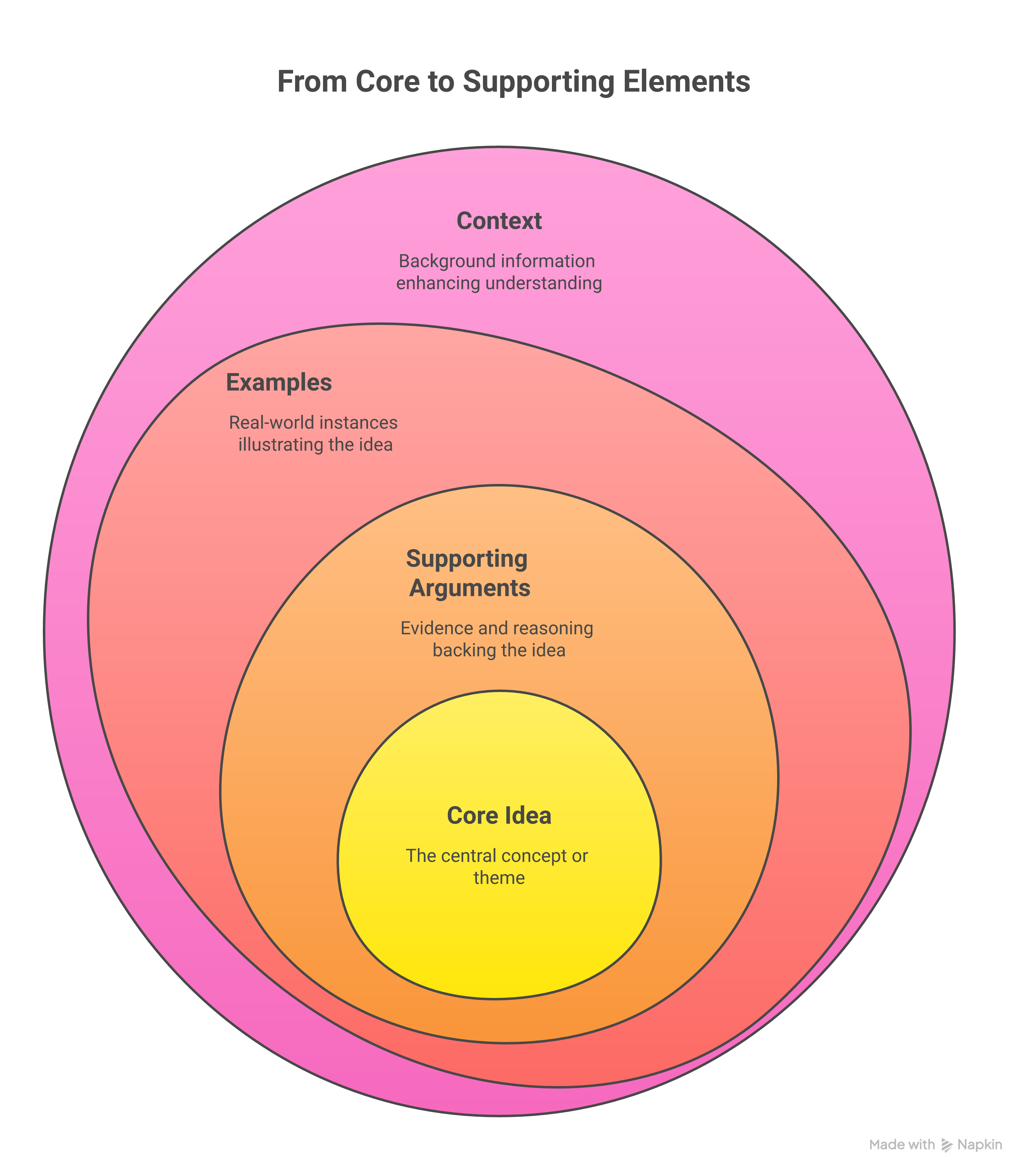
Let's get into the meat of the matter and explore the jam-packed paid social ad strategy building practical 10 steps. These guidelines also provide a roadmap for your activities to be targeted and scale your paid social advertising.
- Define Your Business Goal: Start with what you want—more sales, leads, or traffic? Be specific about it, for example, "generate 500 qualified leads in Q1." This is the bedrock for all social ads decisions.
- Research Your Audience: Build personas based on data from the analytics tools used or surveys taken. Identifying the demographics, interests, and behaviors of potential customers will enable you to target them precisely through social ads.
- Select Platforms: Choose 2-3 channels where your audience frequents. Initially, test the waters with small budgets to see if they fit for your paid social campaigns.
- Set Budget and Timeline: Allocate funds practically, e.g., $5,000 per month, and plan for 3-6 month campaigns to give a fair idea of performance data for your paid social advertising.
- Develop Creatives: Prepare different kinds of social ads: videos, carousels, images. Ensure your key presentations show the benefits rather than features, thus addressing the audience's needs.
- Craft Messaging and Offers: Change the copy to touchpoints like: "20% off your first order" for hesitant customers. Also, include clear prompts for action.
- Launch with Testing: Implement A/B tests on issues like the headline. Use the tools provided by the platform for the purpose of split testing your paid social advertising.
- Monitor and Optimize: Check daily metrics; halt the underperformers and scale the winners. Also, modify bids or audiences as required to improve your paid social campaigns.
- Analyze the Results: At the end of the campaign, check your KPIs versus the targets. Record what was successful in the paid social advertising.
- Plan the Quarterly Roadmap: Based on the acquired knowledge, renew future strategies, including seasonal trends.
This is a systematic process, which is based on tried and tested methods, and is a low-risk option. For steps 1-4, see How to Build a Paid Social Media Ad Strategy That Works – Elevato Digital; steps 5-7 in How to Create a Social Media Marketing Strategy in 10 Steps; 8-10 via Paid Social Media Advertising: A Complete Guide Simplified.
Testing Roadmap for Paid Social Advertising
A testing roadmap is a strategic plan that develops your paid social ad strategy. Start with hypothesis-driven tests: "Will video outperform images for engagement?" Allocate 10-20% of the budget to tests that shall be conducted for 7-14 days to achieve statistical significance.
Iterative testing is about building on wins. For example, if a blue button gets more clicks, test shades next. These strict measures are used to combat creative fatigue in social ads.
Resources like Step-by-Step Guide to Crafting a Winning Paid Social Media Strategy diagram roadmaps, How to Run a Marketing Campaign: A 10-Step Guide to Success iterates, and 10 Tips for Developing Effective Paid Social Strategies – Bitly enumerate thresholds.
Examples that Show Social Ads and Offers that Convert
Keywords: how to build a paid social ad strategy that works, social ads, paid social, paid social advertising, paid social media agency, paid social agency, paid social advertising agency, paid ads agency, paid advertising services
Learning the right way to build a paid social ad strategy through examples is easy. As an example, a clothing company made Instagram carousel ads that featured outfits worn by models and used copy like "Upgrade your wardrobe without breaking the bank—shop now!" This led to a 25% increase in sales as it efficiently dealt with their style doubts.
Another case example: A SaaS tool used LinkedIn video ads that demonstrated the application of quick setups, along with a free trial. The sales-oriented design of the ad overcame "too complex" objections by 40% more sign-ups. Static vs. dynamic creatives kept the engagement high.
For e-commerce, the TikTok challenge ad mixed with user-generated content that went viral and converted using shoppable links. These examples show the power of promotion when mixing the text (benefit-driven) and visuals (relatable). Look at Creating a Paid Social Ad Strategy for Every Stage of the Funnel for funnel examples, How to Build a Paid Social Ad Strategy that Works – The Graygency for copy tips, and 10 Steps to Create Amazing Paid Social Media Campaigns – Digivizer for creative variety.
Comparison: Choosing a Paid Social Agency or Paid Ads Agency vs In-house
The choice between a paid social agency, paid ads agency, in-house team, or hybrid is primarily dependent on your size and level of expertise. On the one hand, an in-house team has the advantage of being in complete control and working quickly, although it is, on the other hand, required to hire experts which could cost over $100K in salaries alone. With a paid social agency, proven strategies and tools are offered by the company as an ideal for complex targeting, but will also be a little bit more expensive than fees.
Agencies benefit from high-tech, innovative, and flexible scalability. In contrast, they have infrequent supervision and often communication gaps. In-house teams win for alignment but fail with platform updates. Choose depending on your need: if you're a startup, start in-house; growing businesses usually profit from a paid social advertisement agency.
Key issues for partners: "What is your testing process?" "How do you report KPIs?" "What are your charges?" How to Build a Paid Social Media Ad Strategy That Works – Elevato Digital can be checked in the process, How to Create a Social Media Marketing Strategy in 10 Steps for Advantages/Disadvantages, and Paid Social Media Advertising: A Complete Guide Simplified for the most important steps.
What A Paid Social Media Agency and Paid Social Advertising Agency Should Provide
A good paid social company provides total care, including strategy, creative development, initiation, and optimization. The company should provide audience insights, A/B test outcomes, and custom reports weekly on KPIs such as ROAS.
Maintaining clear communication is crucial: specific roles (for instance, your contribution on branding, their implementation on targeting) help in building trust. They should be a provider of the latest scalable paid social advertising, e.g., adapting to changes such as new platform features. 2-5x ROI case studies are a valid reason to consider them.
Step-by-Step Guide to Crafting a Winning Paid Social Media Strategy includes the expected details, How to Run a Marketing Campaign: A 10-Step Guide to Success for communication solutions, and 10 Tips for Developing Effective Paid Social Strategies – Bitly for scopes of services.
Pricing Models and Scopes for Paid Advertising Services
Keywords: how to build a paid social ad strategy that works, social ads, paid social, paid social advertising, paid social media agency, paid social agency, paid social advertising agency, paid ads agency, paid advertising services
Services that use paid advertising function on models such as percentage of spend (10-20% of the ad budget), flat fees ($5K-20K/month), or performance-based (pay per lead). A paid social agency must be associated with strategy and management; creative production should be excluded if it is built-in.
The scope differs: Basic is covered by setup and tracking; a full-service empowers you with content and statistics. Adapt to your demands: Start with a pilot. Assert the models, Developing Your **Paid Social Advertising** for Each Funnel Stage mentions them, and How to Build a **Paid Social Ad Strategy** that Works – The Graygency scoping, <10 Steps to Create Amazing Paid Social Media Campaigns – Digivizer](https://digivizer.com/blog/10-steps-to-create-amazing-paid-social-media-campaigns/) inclusions.
Checklist for Launch and Optimization of Paid Social
Pre-launch: Confirm the goals, audience segments, creatives approved, budget set, pixels installed. Post-launch: Daily check impressions, CTR; weekly review conversions; monthly deep-dive on ROAS. If the reach stalls, you can adjust the audience, refresh ads bi-weekly.
Use this checklist table:
| Pre-Launch | Post-Launch Optimization |
|---|---|
| Define KPIs | Monitor daily metrics |
| Test creatives | A/B test ongoing |
| Set budgets | Scale high-performers |
| Align team | Report weekly |
Finders in prep of How to Build a **Paid Social Media** Ad Strategy That Works – Elevato Digital, How to Create a Social Media Marketing Strategy in 10 Steps checks, and **Paid Social Media Advertising**: A Complete Guide Simplified for modifications.
Common Pitfalls and Troubleshooting in Paid Social
Keywords: how to build a paid social ad strategy that works, social ads, paid social, paid social advertising, paid social media agency, paid social agency, paid social advertising agency, paid ads agency, paid advertising services
The common mistakes include ignoring audience relevance, leading to high CPAs; the solution is to refine targeting. The problem of lacking mobile optimization is that it decreases engagement; thus, make sure the ads load faster. The reason for early burnout is budget mismanagement; so, the solution is to use pacing tools.
To fix the issues: Less CTR? Need to test different copy? Without conversion? Then it's high time to check the landing pages. Platform malfunctions? You should check the ad specs. Moreover, don't forget to avoid scaling too fast without the data. Step-by-Step Guide to Crafting a Winning Paid Social Media Strategy pitfalls, How to Run a Marketing Campaign: A 10-Step Guide to Success fixes, 10 Tips for Developing Effective Paid Social Strategies – Bitly avoidance.
FAQs: Paid Social Advertising Answers
What is paid social advertising? A means of paying to promote content on social platforms for targeted reach. For more information, see Creating a Paid Social Ad Strategy for Every Stage of the Funnel.
How much should I budget for social ads? Initial spending of $1,000-5,000 monthly is advisable, which could grow depending on ROAS. For more, visit How to Build a Paid Social Ad Strategy that Works – The Graygency.
What's the best platform for beginners? Facebook is the main platform for its tools and audience size. Check too 10 Steps to Create Amazing Paid Social Media Campaigns – Digivizer.
How do I measure success? Follow up ROAS and CPA using platform analytics. Far ahead in How to Build a Paid Social Media Ad Strategy That Works – Elevato Digital.
Related Reading: Paid Social
Keywords: how to build a paid social ad strategy that works, social ads, paid social, paid social advertising, paid social media agency, paid social agency, paid social advertising agency, paid ads agency, paid advertising services
Broaden your horizons with this assortment of books and materials:
- How to Create a Social Media Marketing Strategy in 10 Steps
- Paid Social Media Advertising: A Complete Guide Simplified
- Step-by-Step Guide to Crafting a Winning Paid Social Media Strategy
Related Reading: Partnering with a Hiring Agency
For agency insights:
- How to Run a Marketing Campaign: A 10-Step Guide to Success
- 10 Tips for Developing Effective Paid Social Strategies – Bitly.
Related Readings
- Digital Marketing Services for Small Business. Complete Guide to Growth and ROI in 2025
- 12 Steps How to Start a Digital Marketing Agency Today
- Why Organic Social is Your Best Internet Marketing for Online Business Tool
- How Do You Sell on Instagram Your Ultimate Guide to Boosting Sales
- How to Choose the Ideal Small Business Marketing Agency for Your Local Business Needs
- How to Get Free Advertising for a Business and Grow Your Company Fast