.png)
Creator vs Business Account Instagram Which One is Best For You
Confused about creator vs business account instagram options Discover the key differences benefits and steps to choose the best profile for your unique goals. Learn how to empower your instagram brands strategy and understand the nuances between instagram versus facebook platforms in our essential guide.

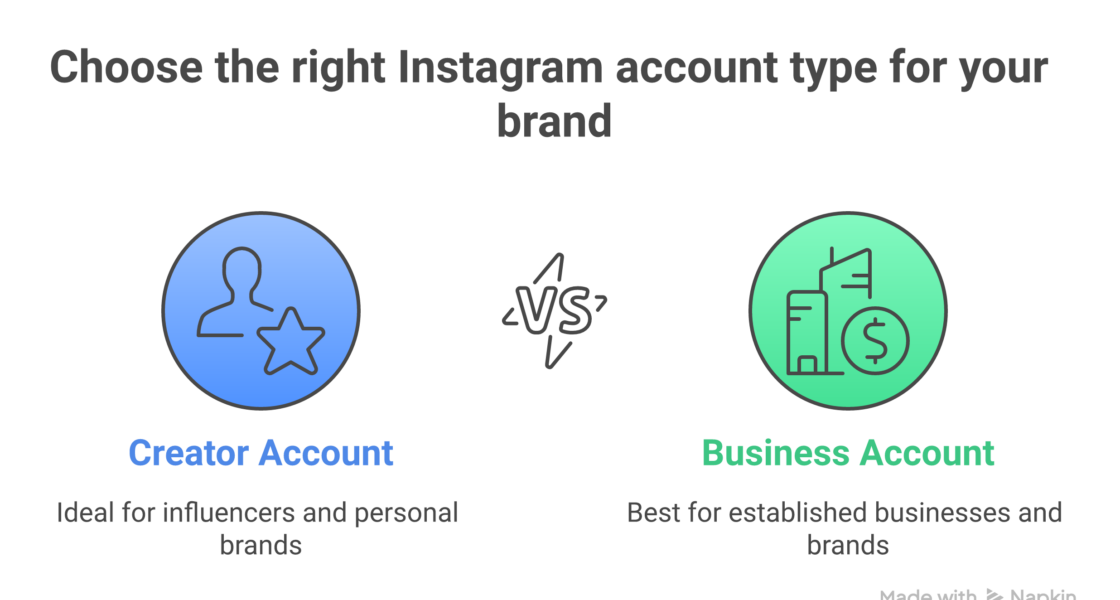
Instagram has turned into a mammoth platform for individual branding, business development, and audience engagement, but the decision about your account type can either build or ruin your strategy. In this guide, we discuss the creator vs business account Instagram, covering the practical differences, advantages, and tips that will help you choose the one that suits your aims. Be it an individual content creator or a full-time operation; through this knowledge, you can establish a more robust social media presence without excess struggle.
Table of Contents
- Understanding Instagram Creator and Business Accounts
- Features and Limitations of Instagram Accounts
- How to Choose Your Instagram Account Type
- Checklist to Decide Between Creator vs Business Account Instagram
- Brand Positioning and Voice Considerations for Instagram
- Key Performance Metrics for Instagram Brands
- Instagram vs Facebook: Selecting the Right Platform
- Set Up Procedures and Switching Safely Between Instagram Accounts
- Monetization Strategies and Shopping for Instagram Brands
- Common Pitfalls When Choosing Between Instagram Accounts
- Real Examples and Case Studies on Instagram Accounts
- Wrap-Up: Making a Quick Decision
- Frequently Asked Questions
- Additional Resources
Understanding Instagram Creator and Business Accounts
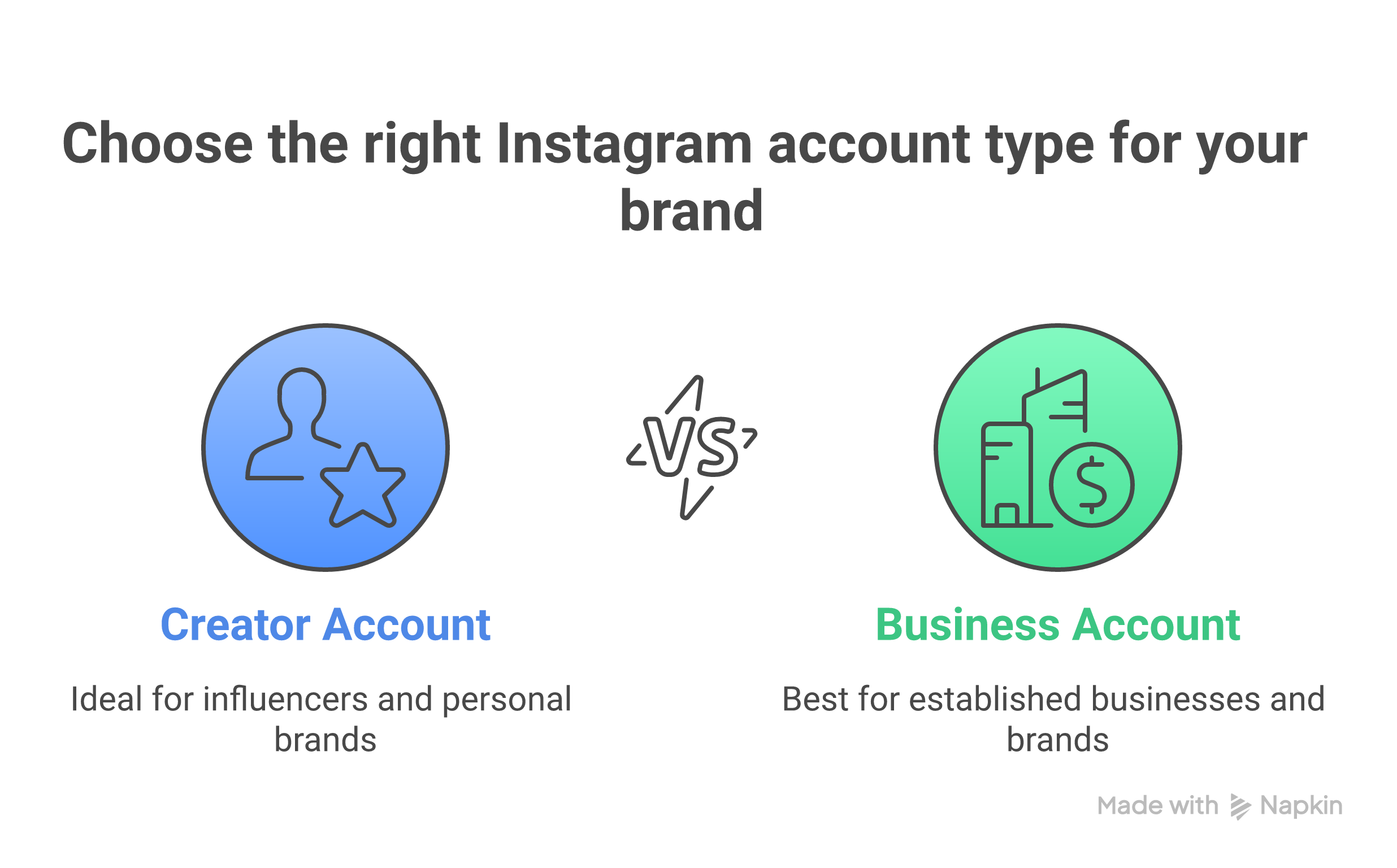
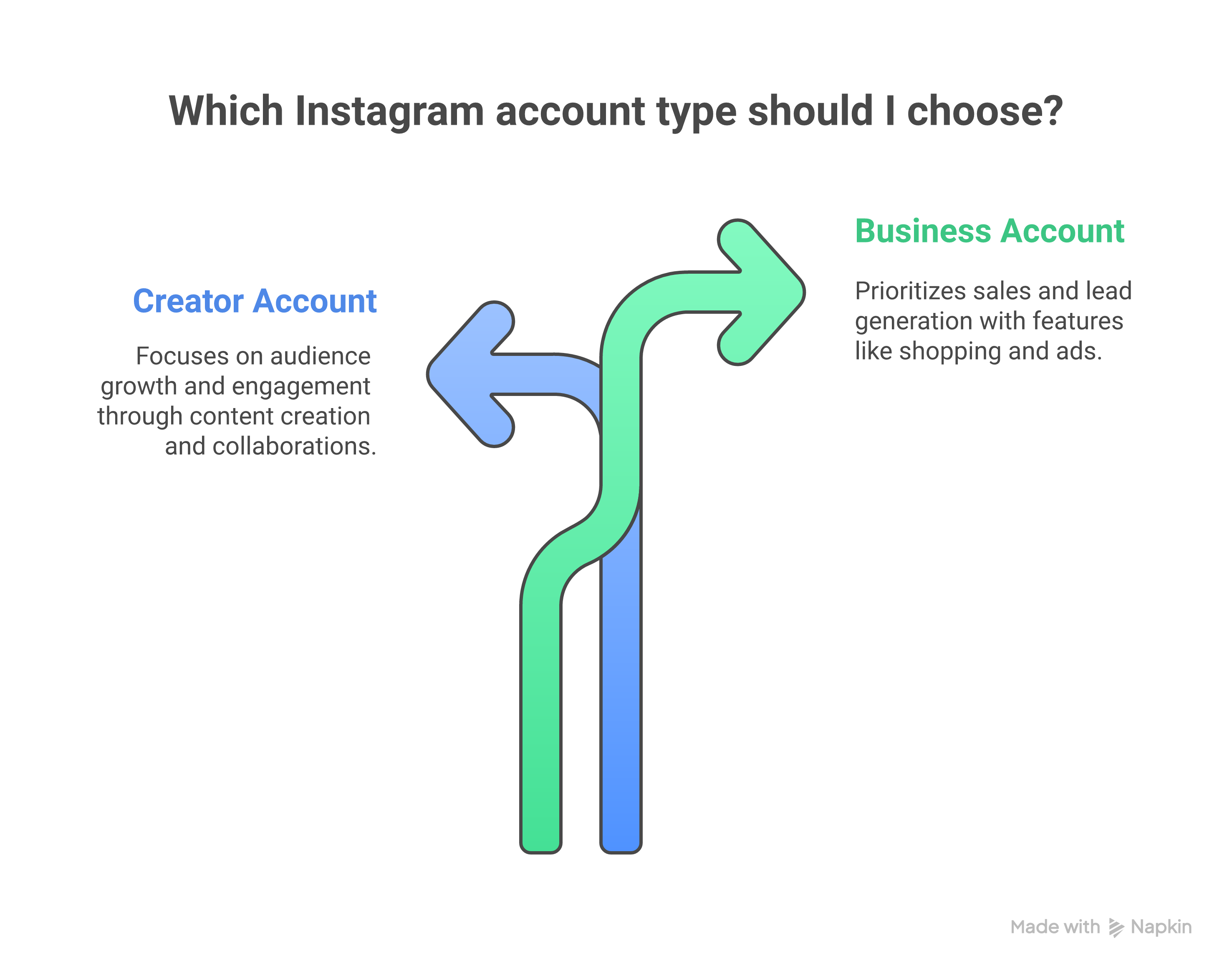
To embark on the review of the creator and business account Instagram options, it is a priority to get the main concepts first. An Instagram creator account is the best alternative for individuals like influencers, artists, and content makers who mainly prioritize the development of a personal brand. Such accounts utilize personalized engagement and creativity tools, which include direct access to music libraries and features for scheduling through third-party apps. To illustrate, based on the data shared by NapoleonCat's guide on Instagram creator vs business account, creators get the advantage of a looser arrangement that relieves their storytelling from being overly structured around making sales with the help of some tools.
Contrarily, an Instagram business account belongs to firms, dealers, and labels that want to boost sales and customer engagement. On it, are features like the analytic page, advertising insertion, and contact buttons that customers may use for direct interaction. The Keeping Current Matters article on Instagram creator vs business states that business accounts are the best option for companies where professionalism is serious, by virtue of their automated replies and shopping tags. Both account types have insight access that allows you to monitor performance metrics despite your choice.
Your needs in the creator vs business account Instagram comparison determine which is the best fit. If you're an individual mainly supporting collaborations and audience growth, the creator account is the best option you can choose. In contrast, the business account is ideal for teams that manage marketing and e-commerce. In the context of the report by Vidpros' breakdown of creator vs business accounts, the comparison results in creators being excellent in the engagement sector, but companies are singularly concentrated on conversions. This helpful variation of features guarantees that you can restructure as your ambitions change.
Features and Limitations of Instagram Accounts
As we go into the details of creator vs business account Instagram, let's begin with the features. Creator accounts allow for quick scheduling of posts via apps, unlimited music access for Reels, and a category label that highlights your role, like "Blogger" or "Musician." They also support branded content tools, which makes it easier to tag sponsors. However, the limitations include no direct management of ads from the app and the API features of some automation being unavailable. The blog by Sesame Communications titled Instagram creator vs business accounts informs that creators are free from the business profile "salesy" look as they sell from a consumer perspective.
On the other hand, business accounts are a great alternative because they provide detailed metrics on your performance of reach, impressions, and demographics. They also give you the tool to run ads without any hassle. You can add action buttons for directions, calls, or emails, and Facebook integration for campaigns across both platforms. Although some regional limitations and no native scheduling options without third-party tools are drawbacks, the major drawback in music choices is related to some regions. The Sesame Communications blog on Instagram creator vs business accounts mentions that creators are not exposed to the business look of "salesy," while businesses acquire shopping insights from this.
In the argument of creator vs business account Instagram, both track growth through insights, but businesses have e-commerce tools more than creators. ManyChat's guide to Instagram creator vs business account focuses on how creators nurture authenticity, while businesses deal with scalability first. Disadvantages such as fewer Reel boosts for businesses can have a negative effect on the audience, as far as these disadvantages are related to your content style. The move depends on if you want to express creativity or use more professional tools in your Instagram brand project.
How to Choose Your Instagram Account Type
The first step in the decision of choosing whether to go for a creator vs business account Instagram is to state your main goal. Do you want to reach a personal audience with interesting stories, or do you intend to sell products and run marketing campaigns? Once this is done, envision vital features unobtainable for a creator like music access or analytics for businesses.
The next step is to check your resources. If you are part of a small group or work independently, it would be easier and time-saving to have a creator account. For bigger organizations, business accounts' integrations make it worth the while, even if there is a little extra work. Finding the best option starts with assessing the current workflow. In the final step, you have to practice the account type for two weeks: exchange it if you want, watch the engagement, and change it based on data. The two-week trial that Brandwatch shared in their blog about Instagram account types is a good way to find out the possible mismatches in the creator vs business account Instagram decision.
| Step | Action | Why It Matters |
|---|---|---|
| 1. Identify Goal | Define if it's personal branding or sales-driven | Aligns features with objectives |
| 2. Map Features | List must-haves like ads or scheduling | Ensures tool fit |
| 3. Allocate Resources | Evaluate team size and tools | Prevents overload |
| 4. Test for 2 Weeks | Switch and track metrics | Allows real-world validation |
Checklist to Decide Between Creator vs Business Account Instagram
This checklist is an excellent guide to know if you need a creator or business account on Instagram. First, think about the need for product sales, action buttons, or booking features. These are staple features of a business account, but absent in creator accounts. Do you need the ad manager's precision audience options for your ad campaigns? The right integration is for business profiles, which means ad managers are directly connected.
You might also consider shopping tags and API scheduling. Businesses can handle e-commerce tags, while creators have to rely on tools outside of the platform. Examine your emphasis on audience growth and partnerships. Typically, creators experience higher organic reach with self-made material. According to NapoleonCat's Instagram blog, where creator and business account info is furnished, if your main goal is to drive engagement instead of sales, then it would be beneficial to consider a creator account. Keeping Current Matters' Instagram creator vs business article has shown that the first step is the assessment of ads, and then, as always, Vidpros' creator vs business account post says prioritizing collaborations is advisable for creators.
- [ ] Directly selling goods or having action buttons? (Business)
- [ ] Would targeted ads work better? (Business)
- [ ] Shopping tags & API concentration? (Business)
- [ ] Growth and collaboration priority? (Creator)
Brand Positioning and Voice Considerations for Instagram
For Instagram brands, positioning primarily involves determining your brand's narrative and the audience to whom the narrative is directed. In the scenario of the creator versus business account Instagram, creators go with an approach of personal involvement and empathy rather than a standard business keeping a formal tone. Create your bio as a promise of the brand you support – use it to showcase benefits, such as "Empowering creators with tips" for a creator account. Keywords: creator vs business account instagram, instagram brands
Creator Partnerships Program are actually collaborative, co-branded content that appear every now and then. For example, learn about the differences between the Instagram creator and business accounts from (Sesame Communications' blog. Specifically, the blog gives examples on how to build trust through voice consistency. A guide from ManyChat (ManyChat's Instagram creator vs business account guide) provides the concept of presenting one's bio in a language that resonates more with the target audience. Digital Stack's guide to different types of Instagram accounts (Digital Stack's types of Instagram accounts) mentions that story alignment is a very important element of cross-brand loyalty in instagram marketing.
Key Performance Metrics for Instagram Brands
Instagram brands see success based on proper evaluation of key metrics like reach, engagement rate, and follower count. The creator vs business account Instagram allows monitoring the number of users reached, but businesses are entitled to extra shopping data. Add UTM parameters to your external links and use native analytics for the proper measurement of time-watched by videos and saves, which would be crucial for the algorithm making a positive decision on the page.
Brandwatch's types of Instagram accounts article also mentions saves as a loyalty indicator. The article on NapoleonCat also suggests monitoring watch time for Reels, whereas Keeping Current Matters' article on creator vs business (Keeping Current Matters' creator vs business) underlines UTM for cross-platform analysis. As a result of these guidances, you can fine-tune your instagram brands strategy.
| KPI | Explanation | Measurement Tool |
|---|---|---|
| Reach | Total distinct viewers | Native Insights |
| Engagement Rate | Accumulated likes, comments, shares | Insights + UTM |
| Video Watch Time | Typical viewing duration | Insights |
| Saves | Favorite content | Insights |
Instagram vs Facebook: Selecting the Right Platform
In the context of Instagram and Facebook, Instagram is a perfect match for visual, youthful content styles like Reels, which helps lifestyle health brands on Instagram. Facebook dominates in the area of demographics and acts as a perfect platform for community building, which is essential for B2B. The content format according to the platform is most important—Instagram likes short videos, while Facebook prefers long posts.
Ad placement is different: Instagram's Stories and feeds are used for ads such as visuals; however, Facebook's sidebar is suitable for text-heavy campaigns. The audience tools in Instagram use interests, whereas, in Facebook, they are based on behaviors. Vidpros' creator vs business account mentions cross-use. Sesame Communications' Instagram creator vs business points out the ad reach difference. ManyChat's guide briefly mentions that Instagram has an advantage among creators in the Instagram versus Facebook debate.
Set Up Procedures and Switching Safely Between Instagram Accounts
To move from a creator to a business account Instagram, the process is clear: visit settings, choose account type, and confirm— no followers will be lost. You need to concentrate on data safety by making a backup copy of your insights first. Then you will need to check music library access, which is only for creators while businesses have limited access— and you should confirm shopping, meaning business verification is required.
Digital Stack's Instagram account types mentions the steps. Brandwatch's account types advises on data, and NapoleonCat's creator vs business discusses eligibility. This ensures instagram brands to have the best transitions possible.
Monetization Strategies and Shopping for Instagram Brands
Monetization via branded content tools for Instagram brands, with the help of the "tag sponsors in posts" feature, is available in both creator vs business account Instagram types. Logo Workflow: Enable tools in settings, disclose partnerships, and track earnings. For Instagram shopping, you need to have a business account, product catalog setup, and compliance with "tag items in posts" for seamless sales.
Discuss conversion-oriented ads: Use business accounts for targeted boosts. Keeping Current Matters' Instagram creator vs business specifications like shopping setup, Vidpros' creator vs business tackle ads, and Sesame Communications' blog is for monetization.
Common Pitfalls When Choosing Between Instagram Accounts
The most common pitfall in creator vs business account Instagram is switching without evaluation—always try first. Also, don't forget to assess the messaging capabilities; businesses offer auto-replies, creators manual. The sign of professionalism comes from the category and contact info that you provide the instagram brands.
ManyChat's Instagram creator vs business account advises against making changes too quickly. Digital Stack's types points out the usefulness of audits, and Brandwatch's overview accentuates the importance of contacts.
Real Examples and Case Studies on Instagram Accounts
Successful creators such as travel influencers use creator accounts for high-quality Reels, thus benefiting from collaborations as shown in NapoleonCat's Instagram creator vs business account case. But shopping on business profiles and subsequently experiencing a sales increase is a phenomenon that most fashion brands, for instance, Keeping Current Matters' examples report. Brands work with Instagram influencers to often mix different types and collaborate, as it is examined in Vidpros' creator vs business studies.


Wrap-Up: Making a Quick Decision
In summary, for creator vs business account Instagram, choose business if shopping, ads, and API are critical. Opt for creator for personal branding and growth. This quick guide empowers your choice for thriving Instagram brands.
Frequently Asked Questions
Will I lose followers or content when switching creator vs business account Instagram? No, everything transfers seamlessly.
Do business accounts access the full music library? Limited compared to creators, but expanding.
What's the reach potential for each? Creators often get better organic reach for personal content; businesses excel in paid reach.
Additional Resources
Visit Sesame Communications' Instagram creator vs business for branding tips, ManyChat's guide on instagram versus facebook, and Digital Stack's account types for updates.
Creator vs Business Account Instagram: Research Findings
Based on the findings from seven studies, it is evident that creator accounts are more designed for personal brands as they have more engagement tools available; however, business accounts are the ones responsible for sales via ads and shopping, thus they are the most ideal for them. NapoleonCat (2024) mentions scheduling as the front runner for creators. Keeping Current Matters (2022) supports the idea of third-party integrations. Vidpros (2025) speaks to the creative aspect of having a creator account. Sesame Communications (2021) reveals creator accounts are only for those who do not want to do business. ManyChat (2024) is a navigator for selection. Digital Stack (2025) highlights the benefits companies will gain from selling. Brandwatch (2025) uncovers the differences in analytics. Through these, readers can gain deeper insights into the topic of creator vs business account Instagram.
Related Reading
- The Ultimate Guide to Creating Instagram Ads with Examples of Social Media Ads
- Your Ultimate Guide to Selling on Instagram and Boosting Sales
- The Power of Organic Social in Your Online Marketing Toolkit
- How to Make Sense of Your Social Media Advertising Costs and Optimize Them
- How to Effectively Build a Paid Social Ad Strategy
- B2B Social Media Strategy Unstoppable Crafting
- Digital Marketing 101 Your Beginner Guide to Online Success
- How to Know the Right Social Media Management Pricing for Your Business